Samuay & Sons

Michelin Bib Gourmand
Our verdict
A Michelin Bib Gourmand recipient in 2025, Samuay & Sons brings a contemporary Isan tasting menu to an unlikely address: not Bangkok, but Udon Thani. Trained in San Francisco and rooted in the flavours of the northeast, brothers Num and Joe Triyasenawat run a loft-style space where seasonal cooking and nutritional balance shape the menu as much as tradition does. The à la carte offers strong value; the tasting menu is the reason regulars return.

Pearl is the En Primeur Club membership app, where members save venues, book tables and use the concierge.
The menu
What to order
- Confit_sour_fish
A Loft in Udon Thani That Regulars Treat as a Second Kitchen
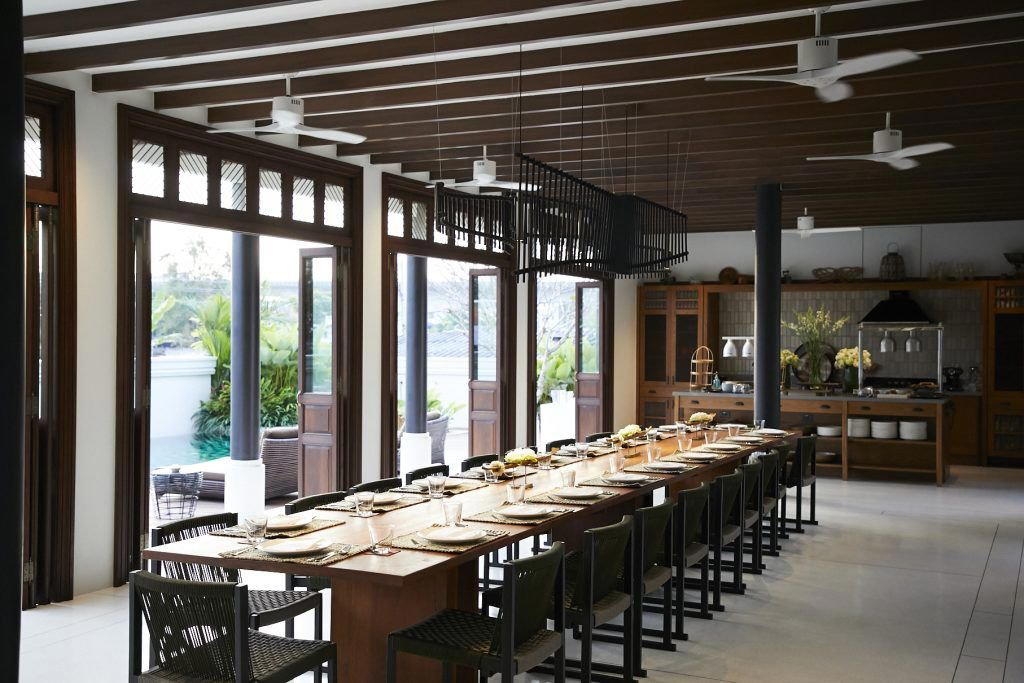
There is a certain kind of restaurant that earns its regulars not through novelty but through consistency, where the room feels familiar, the menu shifts with the season, and the staff know your preferences before you state them. In Udon Thani, that place is Samuay & Sons. The loft-style interior signals immediately that this is not a street-food counter or a hotel dining room; it occupies a register that the provincial northeast of Thailand rarely sustains at this level. For the people who come back, and they do come back, the room itself is part of the habit.
Udon Thani sits in Thailand's Isan heartland, a region whose food culture has long been defined by fermented, sour, and fiercely seasoned preparations: laab, som tum, grilled meats, sticky rice. The city's dining scene runs largely on those traditions, executed at the ฿ price tier by specialists like Krua Khun Nid, Lab Mu Worachai, and Som Tum Jae Kai on Asavamit Road. Samuay & Sons sits in a different bracket: the ฿฿ tier, contemporary format, Michelin-recognised, and operating a tasting menu alongside its à la carte. That combination is common in Bangkok; in Udon Thani, it is unusual enough to warrant the drive from wherever in the region you happen to be staying.
What the Tasting Menu Is Actually Doing
Contemporary Isan cooking, at its most considered, is not simply a matter of presenting regional dishes with better plating. The more interesting practitioners treat the northeast's fermented and umami-heavy ingredient set as a starting point for structural thinking: how fermentation contributes acid, how dried proteins intensify sauces, how the region's herbs and aromatics can carry dishes that might otherwise rely on imported luxury products. At Samuay & Sons, the seasonal tasting menu works within this logic. The Michelin Bib Gourmand recognition it earned in 2025 places it in a tier that rewards genuine value, not cheap eating, but cooking that overdelivers relative to its price point.
The menu is described as nutritionally balanced as well as flavour-balanced, which is an unusual emphasis for a tasting menu context and reflects a deliberate design philosophy rather than a marketing footnote. In a region where the traditional diet is already nutritionally coherent, heavy legumes, fermented vegetables, lean proteins, minimal dairy, taking that balance into a contemporary format suggests the kitchen is reading Isan food with close attention rather than simply replicating it in a finer room. Regulars report that the tasting menu changes with the season, which means that repeat visits within a single year produce materially different meals. That is the mechanism behind the loyalty: the room stays constant; the food moves.
The À La Carte and What It Tells You
The à la carte at Samuay & Sons is not a concession to guests who want less commitment, it functions as a genuine second offering. For those unfamiliar with the kitchen's approach, ordering from the à la carte before committing to the tasting menu on a return visit is a reasonable strategy. The value at this price tier, within a loft-style space with service that matches the register, is precisely what earned the Bib Gourmand designation. Michelin's Bib recognises restaurants where the quality-to-price ratio is demonstrably favourable, and at the ฿฿ level in a provincial city, Samuay & Sons operates without obvious local competition at the same format.
For comparison within the broader Udon Thani scene, the ฿ tier is well-served: Baan Chik Pork Noodles handles noodle work with precision, and Chabaa Barn offers a different kind of local character. None of those operate with a tasting menu or at a comparable awards tier. The fact that Samuay & Sons holds its own in that company, from Udon Thani, is the editorial point.
The San Francisco Connection and What It Means for the Cooking
The founding brothers, Num (Chef Weerawat Triyasenawat) and Joe, trained and worked in San Francisco before returning to Thailand. That detail matters not as a biographical curiosity but as a marker of culinary formation. San Francisco's restaurant culture in the period when they were working there was defined by a particular set of values: strong sourcing ethics, produce-led menus, and a cross-cultural technical vocabulary that treated Asian and European techniques as equally valid reference points. Bringing that back to Udon Thani, and choosing Udon Thani over Bangkok, is a deliberate act. The choice signals that the project is about the Isan region specifically, not about capitalising on Bangkok's existing appetite for regional Thai fine dining. That context informs everything from the ingredient sourcing logic to the decision to run a nutritionally considered seasonal menu. It also positions Samuay & Sons within a broader Thai movement: alongside PRU in Phuket and Aeeen in Chiang Mai, it represents a pattern of internationally trained Thai chefs returning to regional cities rather than the capital.
Planning Your Visit
Udon Thani is accessible by air from Bangkok's Suvarnabhumi and Don Mueang airports, with multiple daily connections making it a viable long-weekend destination. The city sits close enough to the Mekong corridor that it pairs logically with Nong Khai or a short crossing into Laos. For a broader picture of where to stay and what else to do, see our full Udon Thani hotels guide, our bars guide, and our experiences guide. The Udon Thani wineries guide covers regional producers if that is relevant to your itinerary.
Booking method and opening hours are not published in detail here; the restaurant address is within Udon Thani City Municipality, and reservation details are best confirmed directly. Given the tasting menu format and the Bib Gourmand profile that has extended its reach beyond local diners, advance booking is sensible, particularly for weekend evenings. Those travelling specifically for the seasonal tasting menu should check current availability before building a trip around it. For the full map of what Udon Thani's dining scene offers at every tier and style, our full Udon Thani restaurants guide is the reference. If you are moving through the broader Isan region, Agave in Ubon Ratchathani and The Spa in Lamai Beach offer additional reference points for the range of contemporary cooking operating outside Bangkok's gravitational pull.
What to Order at Samuay & Sons
The seasonal tasting menu is the format the kitchen is built around, and it is the reason the Michelin committee took notice. It balances Isan flavour logic with nutritional coherence and shifts with the season, meaning no two visits several months apart will produce the same meal. For first-time visitors with a single visit in prospect, the tasting menu is the clear choice. The à la carte represents genuine value at the ฿฿ price point and suits guests who prefer to eat selectively or who are combining Samuay & Sons with other stops in the city. The Bib Gourmand designation anchors the price-to-quality argument: this is a kitchen operating at a level where the awards body found the value proposition compelling enough to certify. That is the endorsement that matters.
Frequently asked questions
How do I find Samuay & Sons?
Samuay & Sons is located at Samuay & Sons, Udon Thani City Municipality, Thailand, Udon Thani.
What should I budget for a meal at Samuay & Sons?
Pricing at Samuay & Sons is listed as ฿฿.
What distinctions does Samuay & Sons have?
Samuay & Sons has received recognition including: Michelin Bib Gourmand (2025); After studying and working in San Francisco, brothers Num and Joe returned to Thailand to open a fine dining restaurant not in Bangkok, but in Udon Thani. Samuay & Sons serves a contemporary Isan tasting menu a….
What's the best thing to order at Samuay & Sons?
The seasonal tasting menu is the format the kitchen is built around, it earned Samuay & Sons its 2025 Michelin Bib Gourmand and is noted for balancing Isan flavours with nutritional balance across courses. For those wanting less commitment, the à la carte operates as a genuine parallel offering rather than a shorter version of the same menu. Both routes reflect the same contemporary Isan approach developed by brothers Num and Joe after their time in San Francisco.
Same-City Peers
| Venue | Cuisine | Price | Awards | Notes |
|---|---|---|---|---|
| Samuay & SonsThis venue (the venue you are viewing) | Modern Isan | $20–30 | Michelin Bib Gourmand | Not listed |
| Khao Soi Thai Yai | Northern Thai Khao Soi | $1–10 | Michelin Bib Gourmand | Northern Thai, ฿ |
| Krua Khun Nid | Authentic Isaan (Northeastern Thai) | $1–10 | Michelin Bib Gourmand | Isan, ฿ |
| Majchapasuk | Traditional Isan Seafood | $1–10 | Michelin Bib Gourmand | Thai, ฿ |
| Peng Duck Noodles | Traditional Thai Duck Noodles | $1–10 | Michelin Bib Gourmand | Noodles, ฿ |
| Kao. Piak. Sen | Vietnamese Noodle Soup | $1–10 | Michelin Bib Gourmand | Vietnamese, ฿฿ |
Recognition history
Dated appearances from independent guides and award organizations, with the underlying list record or original source where available.
Michelin Bib Gourmand
Michelin
Full recognition history (2 entries)
Michelin Bib Gourmand
Michelin


Continue exploring
More in Udon Thani
Details
- Modern
- Cozy
- Trendy
- Date Night
- Special Occasion
- Open Kitchen
- Farm To Table
- Local Sourcing
- Organic
- Tasting Menu
- A La Carte
- Vegetarian Friendly
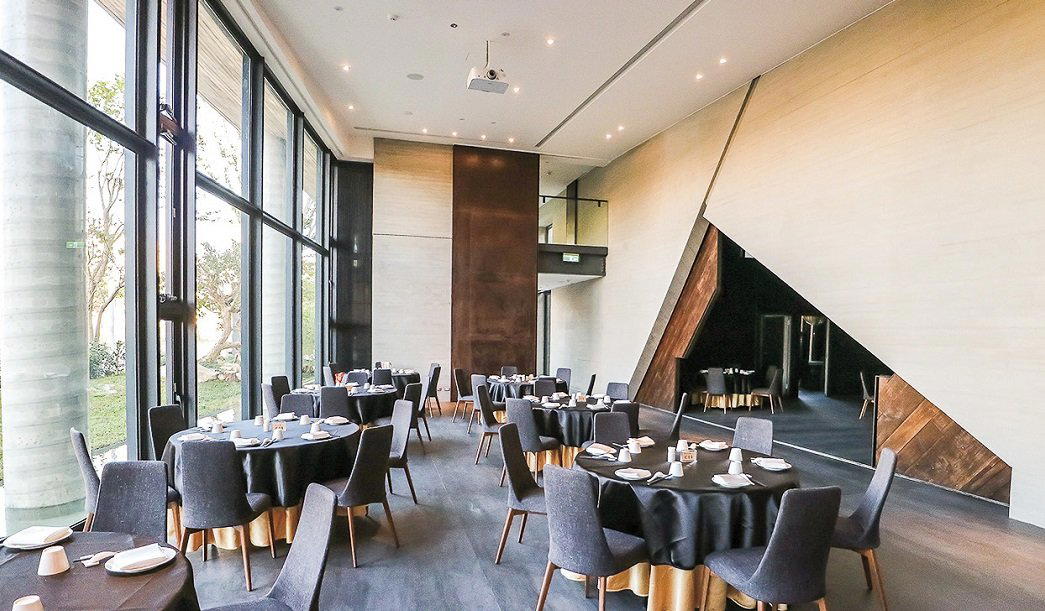
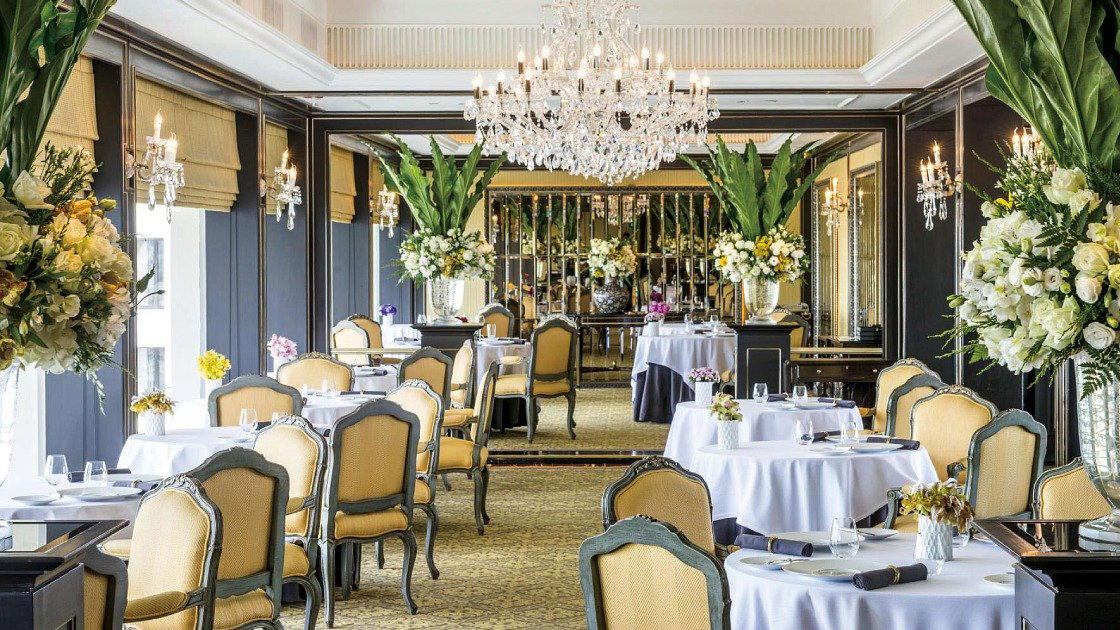
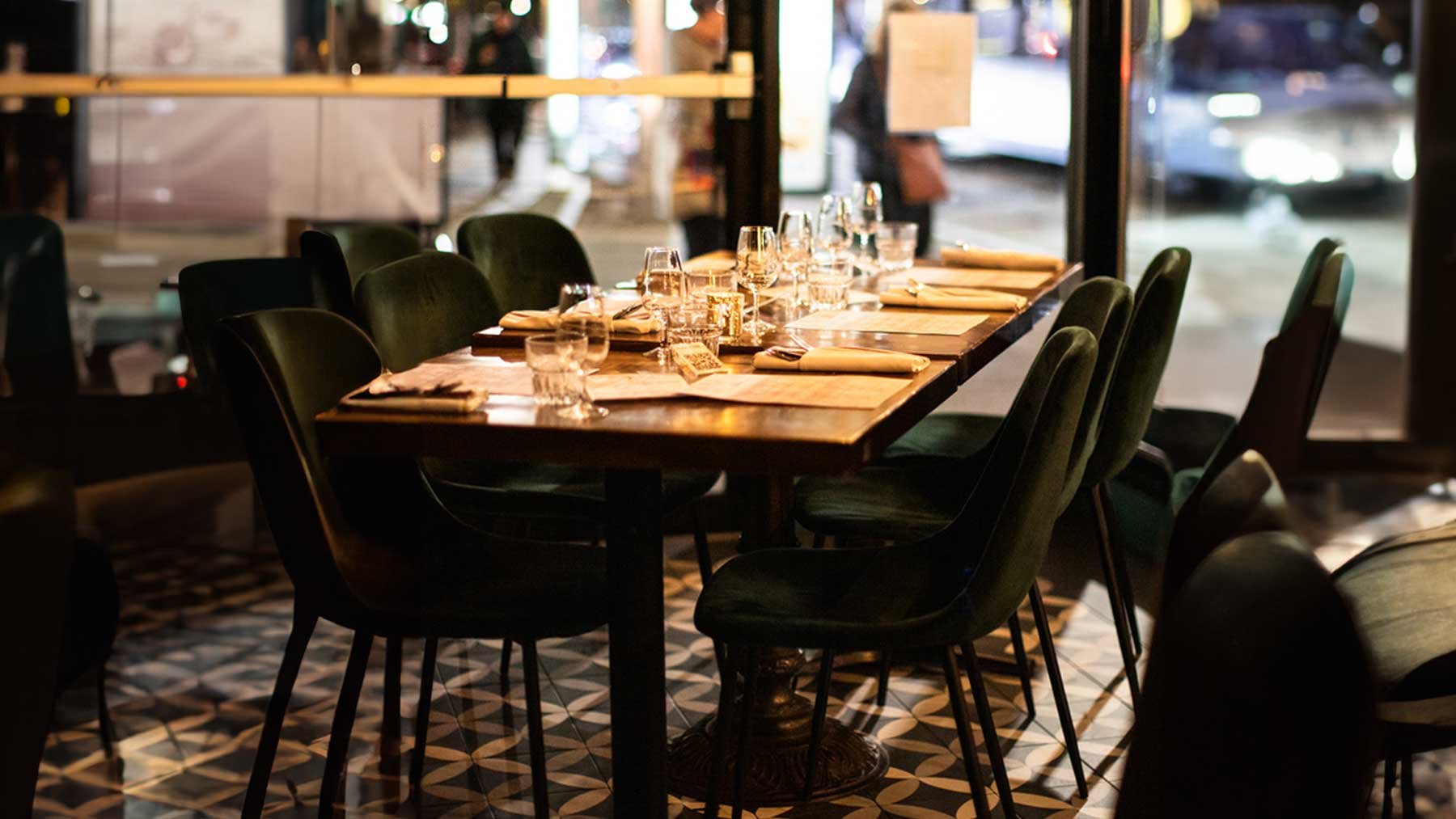
Contemporary loft-style with cozy, welcoming atmosphere.