Lab Mu Worachai

Michelin Plate
Our verdict
A Michelin Plate-recognised address on Posri Road, Lab Mu Worachai is among Udon Thani's most focused Isan kitchens, built around the laab mu, minced pork with offal, that defines the region's sharing table tradition. The Somtum Lao holds its own alongside the namesake dish, and group sets of four to six dishes make the format clear: this is a place for eating together, at pace, at lunch.

Pearl is the En Primeur Club membership app, where members save venues, book tables and use the concierge.
The menu
What to order
- Lab Mu
- Somtum Lao
On Posri Road in Mak Khaeng, the rhythm of a good Isan lunch kitchen announces itself before you find a seat. Tables fill quickly, orders move fast, and the smell of toasted rice powder and fish sauce is already working before the first dish arrives. This is not a venue calibrated for slow contemplation. It is calibrated for the sharing table, a format deeply embedded in northeastern Thai food culture, where the meal is structured as a spread rather than a sequence, and where the individual dish only makes full sense alongside everything else on the table.
How the Menu Is Built
Isan cuisine's logic is accumulative. A laab without sticky rice is incomplete; a somtum without something fatty and savoury alongside it loses its reference point. Lab Mu Worachai's menu operates inside that logic, and its sharing sets of four to six dishes reflect a deliberate understanding of how Isan food is meant to be consumed. The sets remove the guesswork for first-time visitors and enforce a kind of compositional discipline: you get acid, heat, umami, and texture in a single pass, rather than ordering piecemeal and ending up with an unbalanced table.
The namesake laab mu, minced pork combined with pork skin and liver, dressed with toasted rice powder, dried chilli, lime, and fresh herbs, sits at the centre of the Isan laab tradition. The offal component is not incidental. Liver and skin carry the textural and flavour weight that makes laab something more than seasoned mince, and kitchens that omit or reduce those elements are making a different dish. The inclusion here is a signal about where this kitchen's priorities lie: in the full version of the recipe, not a domesticated one.
The Somtum Lao operates on similar principles. Where Somtum Thai uses palm sugar and fish sauce in a sweeter, more Bangkok-facing register, Somtum Lao leans on fermented fish (pla ra) and fresh chilli, with less sugar and considerably more funk. It is a more challenging dish for the uninitiated, and its prominence on the menu alongside the laab positions this kitchen within a specific, uncompromising strand of Isan cooking, one that does not soften its flavour profiles for wider palatability. Among Udon Thani's Isan restaurants, that register places it in the same general tier as Samuay & Sons, though Lab Mu Worachai operates at a lower price point and with a more compressed, lunch-focused format.
Michelin Recognition in a Provincial Context
Michelin Plates in 2024 and 2025 represent the guide's acknowledgement that a kitchen is producing good food, without the starred tier's implications about service architecture or fine-dining ambition. For a provincial Isan lunch spot, that framing is appropriate. The recognition places Lab Mu Worachai in a growing cohort of regional Thai kitchens receiving international attention not because they have adopted fine-dining formats, but because they have maintained the quality and integrity of a specific local tradition.
The broader pattern is worth noting. Michelin's Thailand coverage has expanded beyond Bangkok to acknowledge exactly this kind of regional specialist, and Udon Thani's Isan kitchens, alongside recognised addresses in Isaan-adjacent cities, are increasingly visible to a food-literate travelling audience. Starred Isan-rooted programs like Sorn in Bangkok have raised international awareness of how sophisticated the region's food culture runs, but the source material, kitchens like this one, operating at street-level price points with no design ambition beyond functionality, is where the flavour benchmarks actually live. For further context on how Michelin recognition is shaping regional Thai dining, see also AKKEE in Pak Kret, PRU in Phuket, and Aeeen in Chiang Mai.
Lunch, Speed, and the Practical Shape of a Visit
The lunchtime rush at Lab Mu Worachai is not incidental to the experience, it is part of the operational logic. Isan lunch culture moves at pace, and the kitchen's swift service model is not a compromise but an alignment with how this food is meant to be eaten: hot, fresh, and at a table with enough people to work through a proper spread.
Groups of three or more are the natural unit here. A sharing set of four to six dishes gives a table enough range to understand how the menu is structured, laab and somtum anchoring the spread, with supporting dishes providing the textural and flavour variation that makes Isan communal eating work. Solo diners or pairs can order à la carte, but the full argument of the menu only becomes apparent at scale.
The address is 26/3 Posri Road in Mak Khaeng district, within Udon Thani's urban core. The ฿฿ price point positions it above the single-baht street stalls but well within reach of the casual lunch budget, comparable to Krua Khun Nid on the Isan spectrum, and notably more accessible than the ฿฿ sit-down format at Samuay & Sons. Arriving early in the lunch window reduces wait time for seating.
Where This Fits in Udon Thani's Isan Scene
Udon Thani sits in the upper northeastern corridor of Thailand, close enough to the Lao border that its food culture carries Lao inflections throughout, fermented fish condiments, sticky rice as the default starch, and laab prepared in the Lao style with raw and cooked offal. This is not Bangkok-facing Isan food that has been smoothed for central Thai palates. It is the source register.
Within the city, that register runs across a range of price points and formats. Som Tum Jae Kai on Asavamit Road focuses the somtum tradition into a single-dish specialist format. Baan Chik Pork Noodles approaches the pork-forward Isan table from the noodle direction. Chabaa Barn occupies a different register entirely. Lab Mu Worachai's distinction within that set is its menu architecture: a tight, offal-inclusive laab program alongside a properly fermented somtum, packaged into group sharing sets that make the compositional logic of Isan eating accessible without explaining it. Elsewhere in the Isan region, similar formats appear at Agave in Ubon Ratchathani, Jum Khao in Nakhon Ratchasima, and Kai Yang Rabeab in Khon Kaen.
For a fuller picture of what Udon Thani offers across dining, accommodation, and after-dark options, see our full Udon Thani restaurants guide, hotels guide, bars guide, wineries guide, and experiences guide. The The Spa in Lamai Beach provides an interesting counterpoint on how regional Thai food finds expression in resort contexts.
Frequently asked questions
Where is Lab Mu Worachai in Udon Thani?
Lab Mu Worachai is located at 26, 3 Posri Rd, Tambon Mak Khaeng, เมือง Udon Thani 41000, Thailand, Udon Thani.
What kind of recognition has Lab Mu Worachai received?
Lab Mu Worachai has received recognition including: Pork reigns supreme at this traditional Isan eatery, which may be renowned for its namesake Lab Mu – minced pork, skin and liver – but the flavourful Somtum Lao is another standout. Lunchtime can get hectic, but service is swift. The sharin….
What's the best thing to order at Lab Mu Worachai?
The laab mu is the dish the kitchen is built around: minced pork with skin and liver, recognised by Michelin in both 2024 and 2025 as part of what earned the restaurant consecutive Plate distinctions. The somtum Lao is a close second and worth ordering alongside it. Sharing sets of four to six dishes give the fullest read on the menu and suit the lunchtime pace the restaurant runs at.
Similar Picks
| Venue | Cuisine | Price | Awards | Notes |
|---|---|---|---|---|
| Lab Mu WorachaiThis venue (the venue you are viewing) | Traditional Isan Pork | $10–20 | Michelin Plate | Not listed |
| Khao Soi Thai Yai | Northern Thai Khao Soi | $1–10 | Michelin Bib Gourmand | Northern Thai, ฿ |
| Krua Khun Nid | Authentic Isaan (Northeastern Thai) | $1–10 | Michelin Bib Gourmand | Isan, ฿ |
| Majchapasuk | Traditional Isan Seafood | $1–10 | Michelin Bib Gourmand | Thai, ฿ |
| Peng Duck Noodles | Traditional Thai Duck Noodles | $1–10 | Michelin Bib Gourmand | Noodles, ฿ |
| Samuay & Sons | Modern Isan | $20–30 | Michelin Bib Gourmand | Isan, ฿฿ |
Recognition history
Dated appearances from independent guides and award organizations, with the underlying list record or original source where available.
Michelin Plate
Michelin
Full recognition history (3 entries)
Michelin Plate
Michelin
Michelin Plate
Michelin
Continue exploring
More in Udon Thani
Details
- Rustic
- Classic
- Group Dining
- Casual Hangout
- Open Kitchen
- Local Sourcing
- A La Carte
- Small Plates
- Family Style
Current opening hours
- Monday
- 8:30 a.m.–9 p.m.
- Tuesday
- 8:30 a.m.–9 p.m.
- Wednesday
- 8:30 a.m.–9 p.m.
- Thursday
- 8:30 a.m.–9 p.m.
- Friday
- 8:30 a.m.–9 p.m.
- Saturday
- 8:30 a.m.–9 p.m.
- Sunday
- 8:30 a.m.–9 p.m.
Hours can change for holidays and private events. Hours as of .
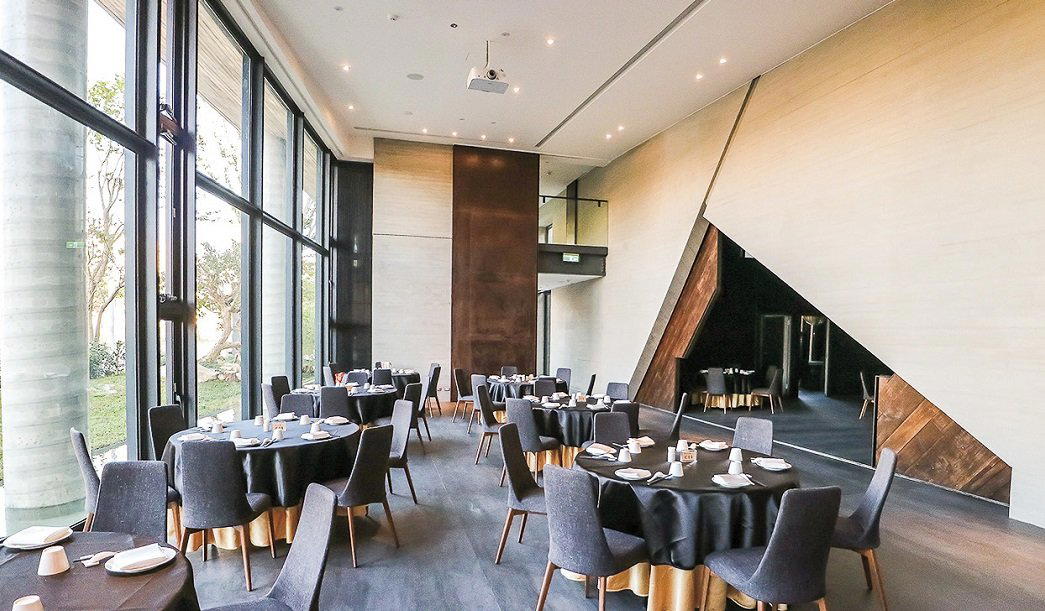
Busy lunchtime atmosphere with swift service in a traditional, no-frills Isan setting focused on the food.