Tabelog 100 #15
Our verdict
Osaka ramen culture rewards speed, repetition, and personal routine as much as rarity. Sodaisho fits that rhythm with a 12-seat counter, ramen and tsukemen focus, Yuasa re-brewed soy sauce as a defining ingredient, and repeated Tabelog Ramen Hyakumeiten selections from 2019 through 2025.

Pearl is the En Primeur Club membership app, where members save venues, book tables and use the concierge.
The menu
What to order
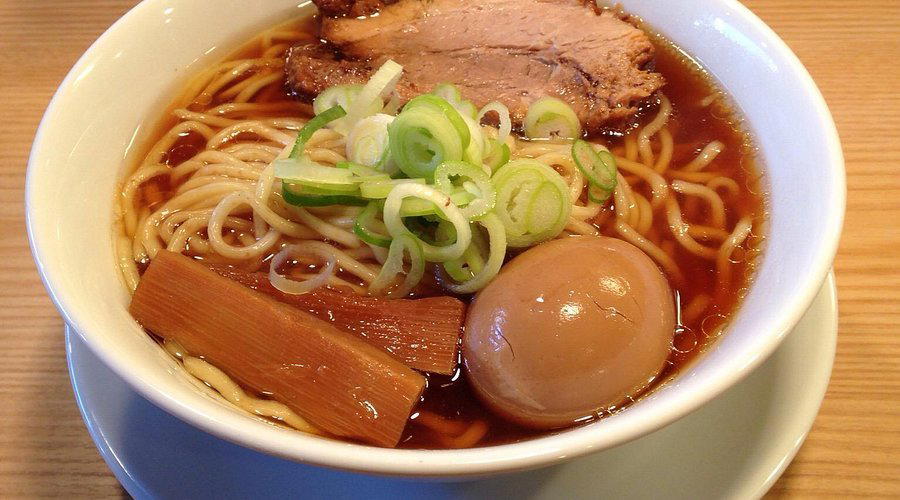
- Shoyu Ramen
- Kuroaisho Ramen
- Tsukemen
- Fried rice
- Chashu-don
Osaka’s ramen counters do not ask for ceremony in the luxury sense. The ritual is leaner: arrive, order, focus on the bowl while it is alive with heat, and give the experience the direct attention it asks for. In that context, Sodaisho belongs to a recognisable Osaka category, the serious local ramen shop where repetition matters more than theatrical scarcity. The venue is best understood through its listed specialities, ramen and tsukemen, a format that keeps the meal close to the essentials and makes pacing part of the experience rather than a service flourish.
Osaka has a broad appetite for casual specialisation, from quick snacks to late-night noodles, but ramen occupies a slightly different lane. It is democratic in price, obsessive in execution, and judged by regulars who know exactly how broth, tare, noodle texture, and side orders should behave. Sodaisho’s selection for the Tabelog Ramen Hyakumeiten 2025 list, with a listed score of 3.73, places it in that demanding local frame. The signal is not luxury; it is consistency under daily pressure.
Ramen and tsukemen give the bowl its Osaka identity
The defining cue here is ramen and tsukemen, with the shop’s appeal sitting in the focused discipline of a specialist rather than in a sprawling menu. That matters because a concise ramen shop has to make each bowl carry the argument. Seasoning, broth, noodle texture, and timing all have to work together without the distraction of a broader dining-room performance, which suits Osaka’s appetite for direct, satisfying flavours without turning the meal into a lecture.
The listed categories are ramen and tsukemen, which gives the venue two different rhythms. Ramen is immediate, broth-led, and temperature-sensitive. Tsukemen slows the exchange down: noodles and dipping broth are handled separately, with texture and concentration doing more of the work. In a focused ramen shop, that split is useful. It lets the same kitchen speak in two registers without becoming a broad menu trying to please everyone.
There is also something telling about a shop that stays close to a narrow promise. Serious ramen in Japan is often discussed as if the bowl exists outside ordinary life, but the stronger local shops function as meal infrastructure. They serve solo diners, friends, workers between shifts, and people who already know what they want before they order. That everyday utility is part of the craft, not a lesser version of it.
The etiquette is focused: fast, direct, and low on theatrics
A ramen-focused format changes how a diner should read the meal. This is not the setting for lingering over courses or turning dinner into a long social appointment. The better approach is to arrive with decisions made, keep the experience compact, eat at the kitchen’s tempo, and treat the place as shared civic property. That etiquette is common across respected ramen shops in Japan, but it becomes sharper wherever every extra minute affects the diners waiting behind.
The walk-in rhythm is central to how this kind of meal feels. The absence of luxury cues is not a lack of polish; it is part of how ramen culture keeps access direct. A ramen shop can be highly regarded and still feel immediate, especially in a city where diners routinely build meals around timing, movement, and practical convenience rather than formal dining rituals.
The comparison within Osaka is useful. Ramen Kasumi Nakazakichou ten sits in a similar noodle-focused bracket, while Hagu Ne and Bakabon show how quickly Osaka dining can shift from casual noodle spending to broader evening budgets. Higashichaya Nakamura occupies a different Japanese dining register altogether. Sodaisho’s lane is narrower and more repetitive by design: ramen, tsukemen, a quick-meal rhythm, and a listed price band of - JPY 999 - JPY 999 that keeps the focus on frequency rather than occasion.
Where it fits in a serious Osaka food day
This is the kind of stop that works better as a precise insertion than as the anchor for an elaborate itinerary. Osaka already rewards grazing, pauses, and compact meals, so ramen here can sit between daytime wandering and a later reservation elsewhere. For readers mapping a wider Osaka run, Our full Osaka restaurants guide gives the broader dining frame, while Our full Osaka hotels guide, Our full Osaka bars guide, Our full Osaka wineries guide, and Our full Osaka experiences guide help place the meal within the city rather than treating it as an isolated address.
The surrounding Osaka shortlist also shows how varied the city’s casual and mid-range eating can be. A ramen shop like this sits naturally alongside other quick, specific stops, takeaway-minded detours, coffee pauses, and more format-driven meals around the city. The point is not to rank unlike meals against each other. It is to understand Osaka through its formats: counter-style meals, takeaway, casual specialists, and dining rooms, each with its own rules.
For readers extending the same lens across Japan and beyond, the useful comparison is often category rather than city. Compact specialist meals appear in many forms, from counter cooking and noodle shops to takeaway formats and tightly focused casual rooms. Even overseas, Japanese food rituals often travel through tighter formats rather than grand dining-room language, which makes Sodaisho easier to understand as part of a wider culture of repetition, speed, and specificity.
Sodaisho’s appeal is therefore not mystery or spectacle. It is the discipline of a ramen shop that has stayed inside a narrow promise long enough to be judged against Osaka’s serious ramen field. The order is simple, the format is focused, and the meal makes the diner participate in ramen’s essential etiquette: decide, eat with attention, and move on.
Frequently asked questions
Is Sodaisho open every day?
Current opening hours for Sodaisho should be checked directly before visiting.
What does dinner at Sodaisho typically cost?
Pricing at Sodaisho is listed as - JPY 999 - JPY 999.
What's Sodaisho's location?
Osaka.
What is Sodaisho known for?
Sodaisho is known for ramen and tsukemen in Osaka, and is listed in the Tabelog Ramen Hyakumeiten 2025 recognition.
A Lean Comparison
Comparable venues to anchor price and recognition.
| Venue | Cuisine | Price | Awards | Notes |
|---|---|---|---|---|
| SodaishoThis venue (the venue you are viewing) | Traditional Shoyu Ramen Shop | $10–20 | Tabelog 100 #15 | Not listed |
| Ukitacho Ima | Seasonal Japanese Fine Dining | $300–500 | 1 Michelin Star | Not listed |
| Bakabon | Ramen & Sichuan Chinese | $30–50 | Tabelog 100 #96 | JPY 5,000 - JPY 5,999 JPY 1,000 - JPY 1,999 |
| Hagu Ne | Japanese Curry Shop | $10–20 | Tabelog 100 #40 | JPY 1,000 - JPY 1,999 |
| Ramen Kasumi Nakazakichou ten | Modern Japanese Ramen & Mazesoba | $10–20 | Tabelog 100 #67 | JPY 999 - JPY 999 |
| Higashichaya Nakamura | Kanazawa-Style Kaiseki | $200–300 | 1 Michelin Star · Tabelog Bronze #306 | Japanese |
Recognition history
Dated appearances from independent guides and award organizations, with the underlying list record or original source where available.
Tabelog 100 #15 · No. 15
Tabelog · Tabelog 100 - Ramen - OSAKA - 2025