Socca'Tram sits on Avenue Alfred Borriglione in Nice's northern residential quarter, where the traditional Niçoise flatbread made from chickpea flour remains an everyday staple rather than a tourist attraction. The address places it firmly in the city's working fabric, away from the Old Town souvenir circuit, making it a useful reference point for anyone tracing the genuine street-food culture of the Côte d'Azur.
Pearl is the En Primeur Club membership app — saves, bookings, and concierge access live there. Same editors, same standards.
- Address
- 6bis Av. Alfred Borriglione, 06100 Nice, France
- Phone
- +33493525484
- Website
- facebook.com
- Directions
- Get directions
 Saves & bookings on Pearl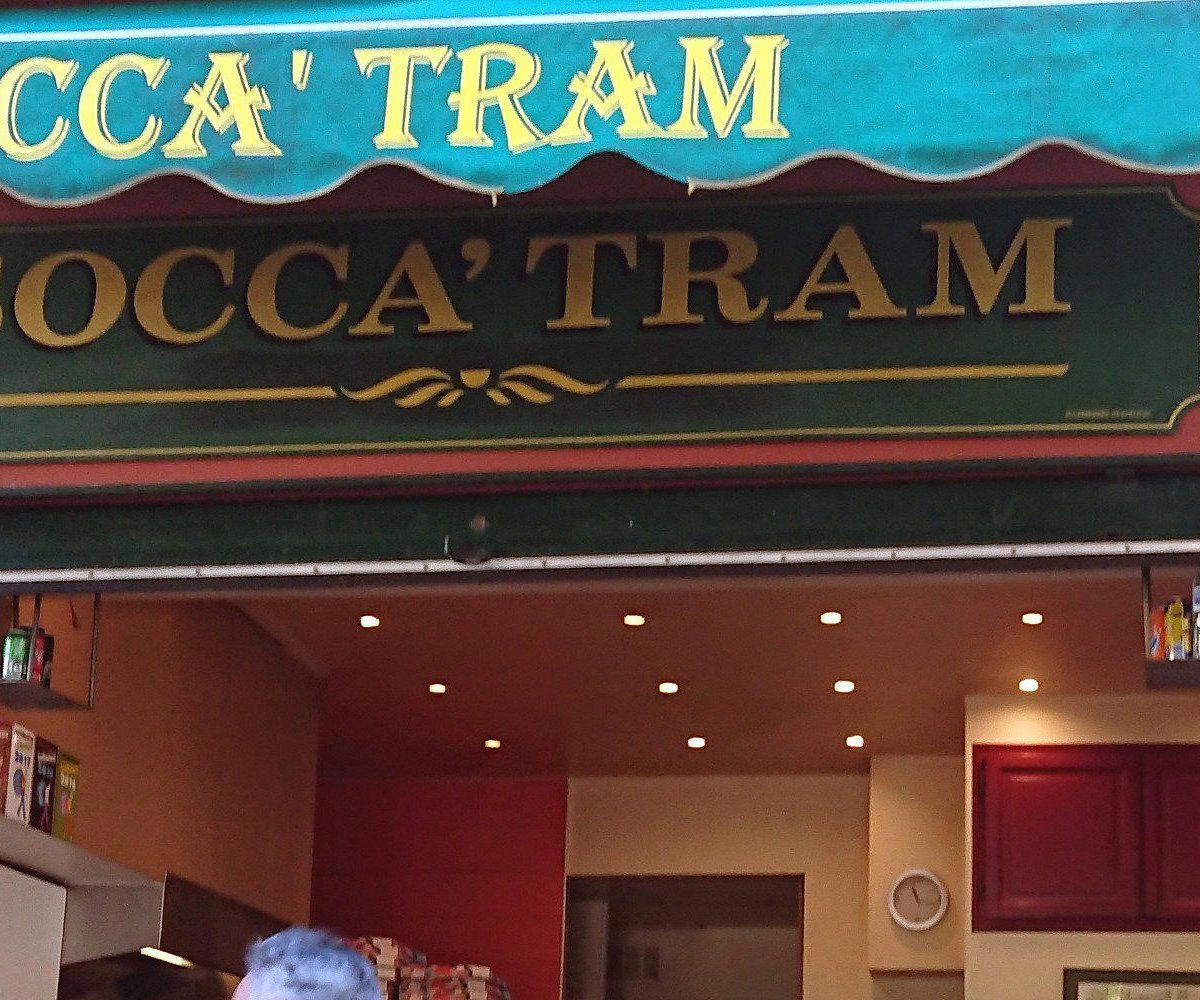
Avenue Borriglione and the Niçoise Street-Food Tradition
Nice's food culture divides sharply along geographic lines. The Old Town and the Promenade corridor absorb most of the visitor traffic, with restaurants priced and styled accordingly. Venture north along Avenue Alfred Borriglione, past the tram stops and the neighbourhood markets, and the city reads differently: residential, transactional, and almost entirely oriented toward locals. Socca'Tram occupies this northern register, at 6bis Avenue Alfred Borriglione, in a part of Nice where the clientele is commuting rather than touring. That address is not incidental, it is the whole editorial point of the place.
Socca itself is one of the more instructive dishes in French regional cooking. A flatbread made from chickpea flour, olive oil, and water, cooked in a wood-fired oven at high heat and served in rough-cut wedges, it arrived in Nice via the maritime trade routes that connected the city to Liguria and, further back, to the Arab world. For most of Nice's history it was a poor man's food, sold by street vendors in the Cours Saleya and around the port. Its rehabilitation as a point of civic pride followed the broader pattern across European cities where peasant staples became markers of culinary identity once the urban middle class had enough distance from genuine scarcity to find them charming. The version sold in the Old Town today often comes with a tourist premium attached. The version available in the city's working neighbourhoods does not.
What the Location Signals About the Offer
The address on Borriglione places Socca'Tram close to the T1 tram line that runs through the middle of Nice, which partly explains the name. The surrounding blocks are a mix of apartment buildings, pharmacies, and the kind of neighbourhood commerce that exists for residents rather than visitors. A venue operating here is not competing for footfall from cruise passengers or hotel guests from the Promenade des Anglais; it is competing for the repeat custom of people who live within walking distance and will return several times a month if the quality and price hold.
That competitive logic matters because it shapes what you should expect from the plate. The canonical socca standard in Nice is a simple one: the batter should be thin enough to crisp at the edges while remaining slightly yielding at the centre, the surface should carry some char, and the seasoning should stop at black pepper. Any elaboration beyond that starts to signal that the kitchen is performing for an audience that needs context rather than cooking for people who already know what they want. Neighbourhood venues on this side of Nice tend toward the former model.
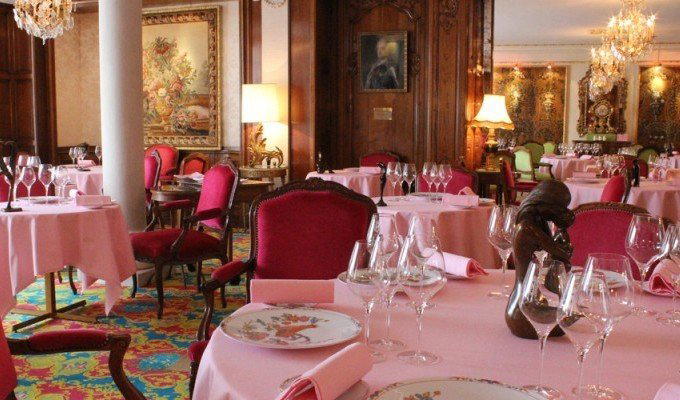
For comparative context, Nice's more formal dining options cluster at a significant remove from this format. Flaveur and L'Aromate represent the city's creative-modern tier, both operating at €€€€ price points and structured tasting formats. Le Chantecler and Les Agitateurs sit in similar brackets. ONICE extends the modern cuisine offer at the same price tier. Socca'Tram belongs to a different category entirely, one where the reference point is not the regional tasting menu tradition but the older, more durable habit of feeding a neighbourhood well and cheaply.
Socca in the Wider Context of French Regional Cooking
The chickpea flatbread tradition that socca represents is not distinctive to Nice. Farinata in Liguria, panisse elsewhere in Provence, cecina in Tuscany: the same basic preparation appears across the western Mediterranean wherever chickpea flour and olive oil were cheap and wheat flour was not. What distinguishes the Nice version is the high-heat wood oven technique and the convention of eating it standing up, immediately after cooking, while the steam is still visible. The ritual of immediacy is part of the dish's identity.
That tradition of regional specificity is one of the things that separates French provincial cooking from the more centralised fine-dining lineage that runs through houses like Paul Bocuse - L'Auberge du Pont de Collonges, Troisgros - Le Bois sans Feuilles, Auberge de l'Ill, or Bras. Those institutions codified French gastronomy at the haute end; the socca vendors and neighbourhood canteens of Nice preserved a parallel tradition that was never interested in codification. The Côte d'Azur's proximity to Italy reinforces that distinctiveness: Mirazur in Menton, the closest three-Michelin-star address to Nice, draws explicitly on the cross-border ingredient culture of that frontier zone. The restaurant operates at the opposite end of the formality spectrum but draws on the same geographic logic.
For those tracking the wider arc of ambitious French cooking, the contrast with destination restaurants like Flocons de Sel in Megève, Alléno Paris au Pavillon Ledoyen, Assiette Champenoise in Reims, Au Crocodile in Strasbourg, or AM par Alexandre Mazzia in Marseille is instructive. Those kitchens represent the technical and conceptual apex of their respective regions. The restaurant, if it holds to the Borriglione neighbourhood model, represents something older and in some respects harder to sustain: a daily feeding habit with no tasting-menu price buffer to absorb rising costs. Internationally, the gap between street-level and fine-dining formats is equally pronounced, Le Bernardin in New York City and Atomix in New York City occupy the same kind of rarefied upper tier in their city that the Michelin houses do in France, while the city's street and neighbourhood food operates by entirely different economics.
Fast Comparison
Comparable venues nearby, for context on price, style, and recognition.
| Venue | Cuisine | Price | Notes |
|---|---|---|---|
| Socca'TramThis venue — the venue you are viewing | Niçoise Socca Street Food | $$ | Not listed |
| Chez Palmyre | Authentic Niçoise Bistro | $$ | Nice Historique |
| Chez Acchiardo | Traditional Niçoise Bistro | $$ | Nice Historique |
| Lou Pantail | Niçoise & Italian Specialties | $$ | Cœur de Nice |
| Lou Balico | Authentic Niçoise | $$ | Cœur de Nice |
| Le 3e Restaurant - Terrasse | Seasonal Mediterranean French | $$$ | Cœur de Nice |
Continue exploring
More in Nice
Restaurants in Nice
Browse all →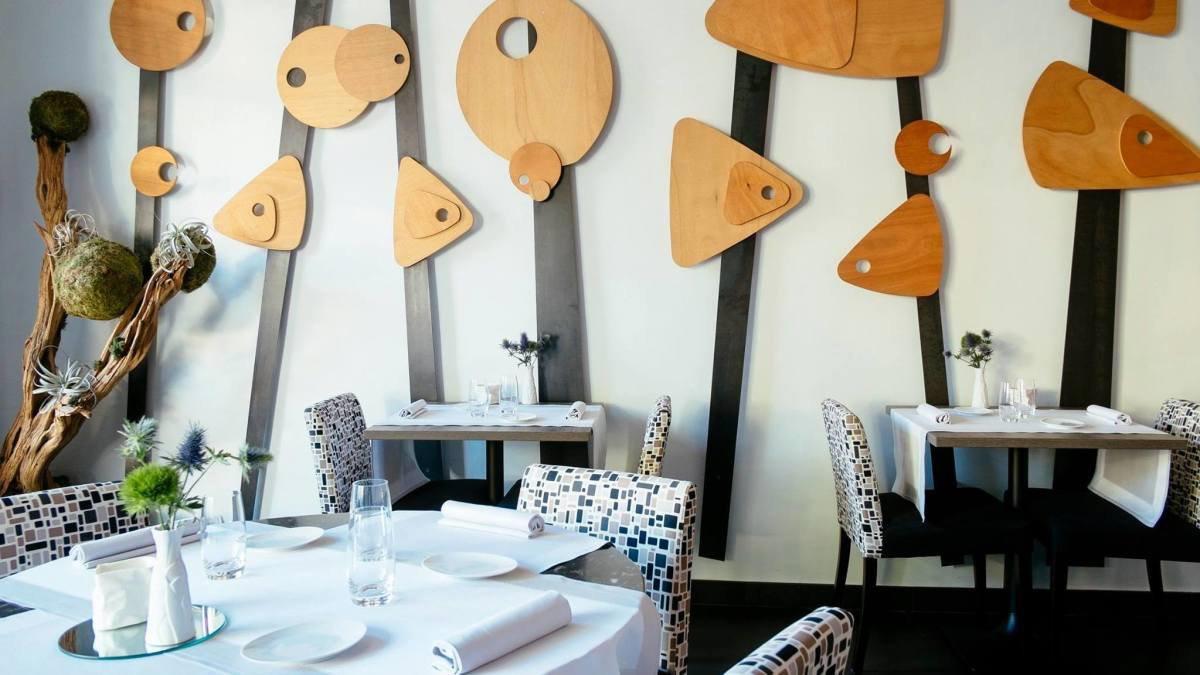
Bars in Nice
Browse all →
Hotels in Nice
Browse all →

At a Glance
- Lively
- Cozy
- Rustic
- Casual Hangout
- Terrace
- Local Sourcing
- Street Scene
Current opening hours
- Monday
- Closed
- Tuesday
- 9:30 AM–2 PM
- Wednesday
- 9:30 AM–2 PM
- Thursday
- 9:30 AM–2 PM
- Friday
- 9:30 AM–2 PM
- Saturday
- 9:30 AM–2 PM
- Sunday
- 9:30 AM–2 PM
Hours can change for holidays and private events. Last verified .
Casual outdoor seating with a lively street atmosphere.