On Avenue Saint-Jean-Baptiste, Lou Balico holds a place in Nice's traditional restaurant circuit that predates the city's current wave of creative bistros. The address sits away from the Old Town tourist corridor, drawing a neighbourhood crowd that treats it as a fixture rather than a destination. For visitors tracing authentic Niçoise dining, it represents the kind of embedded local institution that the city's newer openings consciously reference.
Pearl is the En Primeur Club membership app — saves, bookings, and concierge access live there. Same editors, same standards.
- Address
- 20 Av. Saint-Jean-Baptiste, 06000 Nice, France
- Phone
- +33493859371
- Website
- loubalico.com
- Directions
- Get directions
 Saves & bookings on Pearl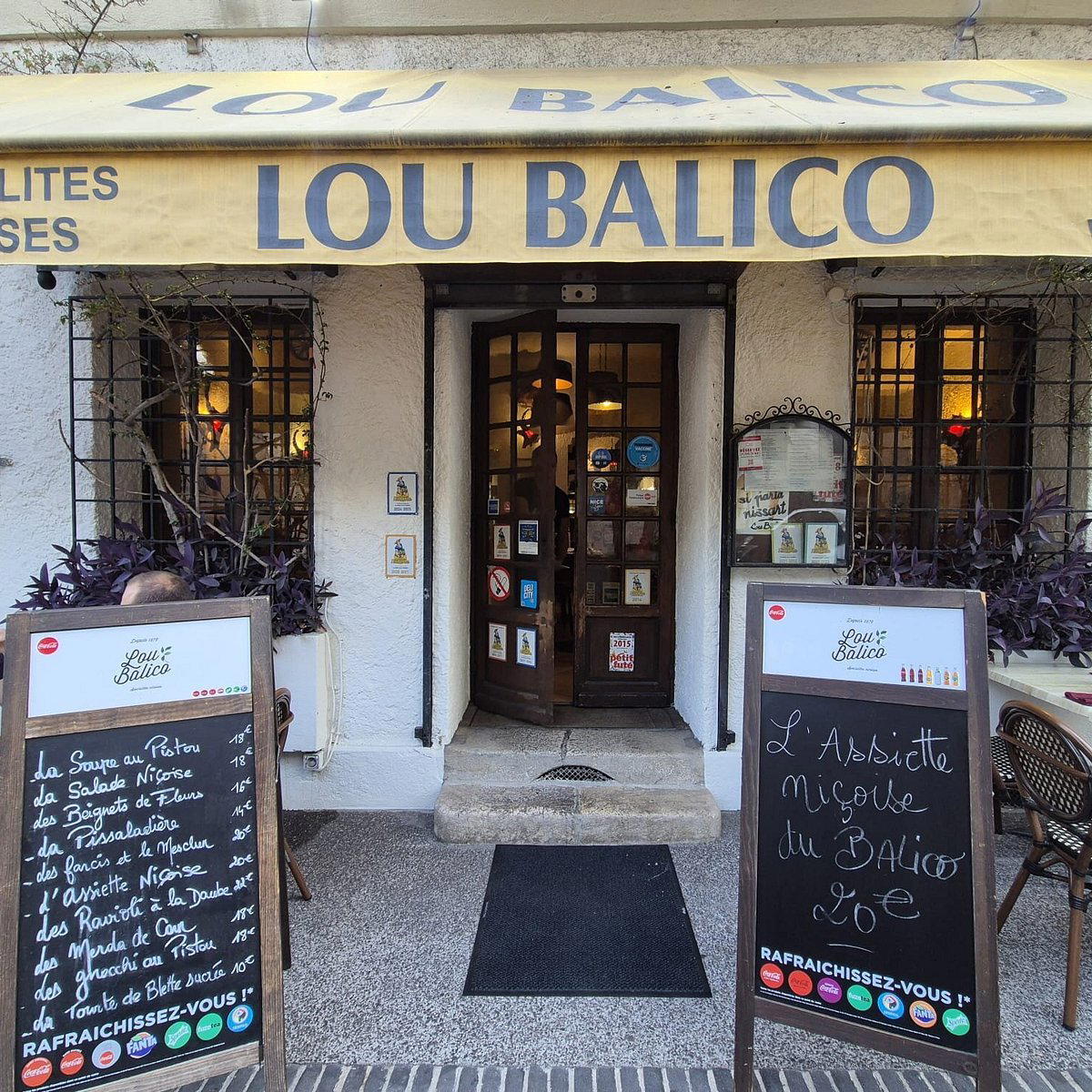
Where the Neighbourhood Eats
Nice has two distinct dining cultures running in parallel. One faces outward: the modern tables like Flaveur and L'Aromate, pulling visitors from across France and beyond with creative menus that engage directly with the national fine dining conversation. The other faces inward: the neighbourhood addresses that locals return to not because they are chasing a trend, but because the cooking is consistent and the room feels familiar. Lou Balico, on Avenue Saint-Jean-Baptiste, belongs to the second category. It sits west of the Old Town, in a residential corridor that does not see the same foot traffic as the Cours Saleya or the streets around Place Masséna. That positioning helps explain the local clientele.
Walking along Avenue Saint-Jean-Baptiste toward the restaurant, the sensory register is lower than in the tourist core. The street is quieter. The light in the late afternoon falls at a different angle than it does on the waterfront. Inside, the sounds are those of a functioning neighbourhood restaurant: the scrape of chairs on tiled floors, the murmur of French spoken without the self-consciousness of a destination crowd. This is the atmospheric condition many travellers seek in Nice.
The Niçoise Table in Context
Understanding what Lou Balico represents requires some context about how Niçoise cuisine actually functions as a category. It is not a single fixed cuisine in the way that, say, a regional Alsatian kitchen is codified and defensible. Niçoise cooking sits at the intersection of Provençal French and Ligurian Italian traditions, with dishes that were shaped by the city's history as a borderland, part of the Kingdom of Sardinia until 1860, Mediterranean in its pantry, southern French in its formal register. The result is a kitchen that reaches for olive oil rather than butter, that uses socca and pissaladière as staples rather than afterthoughts, and that treats stockfish (stocafi in the local dialect) as a serious ingredient rather than a curiosity.
That tradition has produced two comparable venues in modern Nice. The first is the casual daytime registers: market stalls in the Cours Saleya, socca vendors around the Old Town, the kind of eating that is transactional and immediate. The second is the sit-down neighbourhood restaurant, where the same ingredient logic is applied to a longer, more formal meal. Lou Balico occupies this second space. It is in conversation with addresses like La Merenda, which is probably one documented Niçoise table in the city, and with the broader tradition of Provençal cooking that extends up the coast toward Mirazur in Menton and into the deeper French south where places like Bras in Laguiole have codified a regional approach into international recognition.
The Sensory Logic of a Southern French Room
Southern French neighbourhood restaurants share a set of physical conditions that distinguish them from their Parisian counterparts and from the fine dining tier entirely. The rooms tend to be warmer in temperature and in palette: terracotta, yellow ochre, the kind of colour that absorbs afternoon light rather than reflecting it. The smell on entering is typically olive oil before anything else, then herbs (thyme, bay, sometimes lavender if the kitchen is being deliberate about it), then the background note of a wine list that leans regional without being precious about it. These are not decorative choices. They are the physical expression of a cooking tradition that has been operating in the same geographic and climatic conditions for generations.
The restaurant functions within this sensory logic. The address on Avenue Saint-Jean-Baptiste places it in a part of Nice where the tourist infrastructure thins out and the city's residential character becomes legible. For a visitor arriving from one of the more performative ends of the Nice dining scene, including the creative tasting format of Les Agitateurs or the modern precision of ONICE, the restaurant represents a deliberate gear change. The ambition here is not reinvention. It is continuity.
That distinction matters when you are building a picture of Nice as a dining city. The modern creative tables draw the critical attention. The neighbourhood institutions carry the actual memory of how the city eats. Both are necessary to understand the full picture, and the leading itineraries in Nice make room for both registers.
Where Lou Balico Sits in the French Dining Map
France's restaurant culture is deep enough that even a mid-tier neighbourhood address in a secondary city exists in relation to a larger national conversation. The top end of that conversation includes institutions like Alléno Paris au Pavillon Ledoyen, Troisgros in Ouches, and Paul Bocuse in Collonges-au-Mont-d'Or. The Alpine end of the French south is anchored by Flocons de Sel in Megève. Further afield, the tradition extends to places like Auberge de l'Ill in Illhaeusern and Assiette Champenoise in Reims. The restaurant exists in the same country-wide culture of taking a meal seriously, of treating a neighbourhood table as a place worth returning to, of finding value in consistency over spectacle.
For visitors who have eaten at AM par Alexandre Mazzia in Marseille or at Au Crocodile in Strasbourg, the restaurant offers a different register of the same national seriousness about food. And for those arriving from further afield, having dined at Le Bernardin in New York or Atomix, it provides a useful corrective: French dining culture at its most embedded is not always performing for an audience.
Planning Your Visit
The restaurant is located at 20 Avenue Saint-Jean-Baptiste, 06000 Nice. The address is accessible from the city centre on foot or by a short taxi or bus ride west from the Old Town. The restaurant is recommended for reservations and typically offers lunch and dinner Tuesday through Sunday, with Monday closed. For a city like Nice, where the better neighbourhood tables fill quickly during the summer season (July and August in particular), arriving with a confirmed reservation rather than on a walk-in basis is the prudent approach. A few days of lead time is typically sufficient outside peak season, but the margin narrows considerably in summer.
A Credentials Check
Comparable venues nearby, for context on price, style, and recognition.
| Venue | Cuisine | Price | Notes |
|---|---|---|---|
| Lou BalicoThis venue — the venue you are viewing | Authentic Niçoise | $$ | Not listed |
| La Table Alziari | Traditional Niçoise Bistro | $$ | Nice Historique |
| La Cantine de Mémé | French-Mediterranean Bistro | $$ | Cœur de Nice |
| Lavomatique | Modern French Small Plates | $$ | Nice Historique |
| Chez Thérésa | Traditional Niçoise | $$ | Nice Historique |
| L'Ovale | Southwest French Brasserie | $$ | Cœur de Nice |
Continue exploring
More in Nice
Restaurants in Nice
Browse all →
Bars in Nice
Browse all →
Hotels in Nice
Browse all →

At a Glance
- Classic
- Cozy
- Family
- Casual Hangout
- Standalone
Current opening hours
- Monday
- Closed
- Tuesday
- 12–2:30 PM, 7–9:30 PM
- Wednesday
- 12–2:30 PM, 7–9:30 PM
- Thursday
- 12–2:30 PM, 7–9:30 PM
- Friday
- 12–2:30 PM, 7–9:30 PM
- Saturday
- 12–2:30 PM, 7–9:30 PM
- Sunday
- 12–2:30 PM
Hours can change for holidays and private events. Last verified .
Vintage room with a friendly, welcoming atmosphere.