On a narrow street in Vieux-Nice, Chez Acchiardo has operated as a fixed point in the neighbourhood's restaurant scene for decades. The kitchen holds to the Niçoise and Provençal repertoire, socca, daube, pissaladière, in a room that hasn't chased any particular trend. For visitors trying to read the city's dining character, it functions as a useful reference point before stepping into Nice's more contemporary restaurant tier.
Pearl is the En Primeur Club membership app — saves, bookings, and concierge access live there. Same editors, same standards.
- Address
- 38 Rue Droite, 06300 Nice, France
- Phone
- +33493855116
- Website
- facebook.com
- Directions
- Get directions
 Saves & bookings on Pearl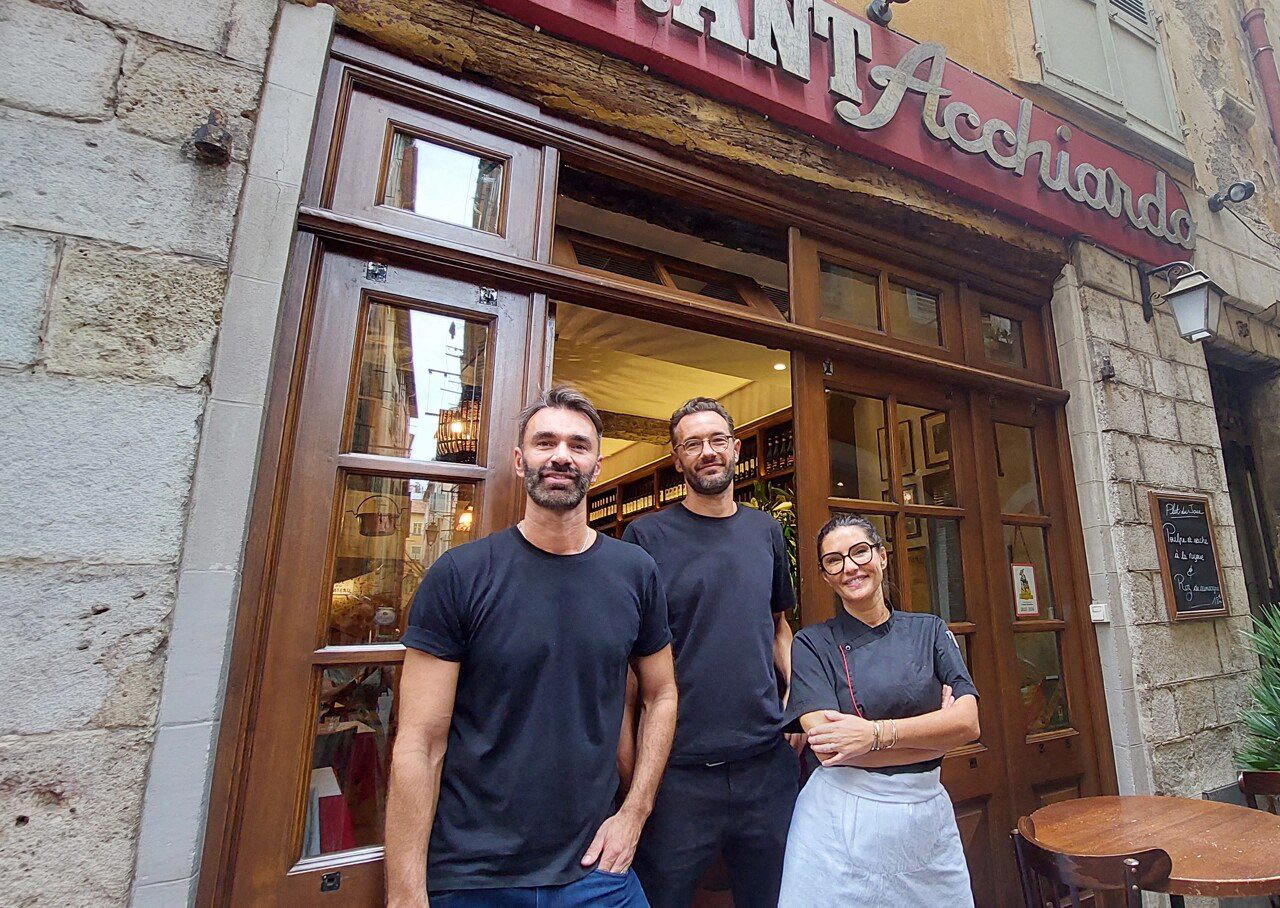
A Street Address in the Old Town That Tells You Something About Nice
Rue Droite runs through the heart of Vieux-Nice, one of the densest concentrations of painted baroque facades, food market overflow, and working-neighbourhood life on the Côte d'Azur. The street is narrow enough that a car cannot pass comfortably, and the buildings on either side keep it in shade for most of the morning. Into this setting, Chez Acchiardo has planted itself as a restaurant that reads, from the outside, as self-evidently Niçoise: a modest frontage, hand-written or chalk-board menus, and a dining room that has never been renovated in the direction of a hospitality trend. That combination of address and apparent indifference to reinvention is, in itself, editorial information about where the restaurant sits in Nice's dining taxonomy.
At one end, a cluster of kitchens producing modern cuisine at the €€€€ price point, Flaveur, L'Aromate, Le Chantecler, Les Agitateurs, and ONICE, each making a distinct argument about what contemporary cooking in this city looks like. At the other end, a smaller set of rooms that have survived by holding to the regional repertoire without much modification. Chez Acchiardo belongs to that second group, and the contrast between the two ends of the spectrum is part of what makes spending time in Nice's dining rooms worthwhile.
What the Niçoise Kitchen Actually Contains
The cuisine associated with Nice and its immediate hinterland is one of the more precisely defined regional cooking traditions in France. It draws from both Provençal and Ligurian sources, the border with Italy sits less than forty kilometres east, and centres on a set of preparations that rely on olive oil, chickpea flour, salt cod, olives, and the aromatics of the garrigue. Socca, the thin chickpea crêpe cooked in a wood-fired oven, is the street food reference. Pissaladière, the anchovy and onion tart, is a bakery and bistro staple. Daube niçoise, a slow-braised beef preparation with olives and orange peel, is the cold-weather anchor of any kitchen that takes the tradition seriously. Stockfish, or estocafic in local dialect, prepared with tomatoes, olives, and potatoes, is the dish that separates kitchens genuinely committed to the tradition from those approximating it.
In a European context, this kind of tightly bounded regional repertoire is under genuine pressure. Kitchens that hold to it without modification are increasingly rare, which is why a room like Chez Acchiardo earns sustained attention even from visitors who arrive primarily to eat at the city's more technically ambitious tables. The regional bistro format here is not a lesser version of something else; it is a different set of priorities entirely. That distinction matters when planning how to distribute meals across a stay in Nice.
The Booking Question, and What It Actually Requires
One useful practical question for a visitor arriving in Nice for the first time is not atmosphere or menu description; it is sequencing. Chez Acchiardo is the kind of restaurant that fills through a combination of local regulars and visitors who have done enough research to find Rue Droite rather than the heavier tourist circuits around Place Masséna. That combination means the dining room, which is not large, can be full on weekday evenings as reliably as on Friday and Saturday.
The practical advice here is the same as it would be for a regional bistro with a loyal local following anywhere in provincial France: arrive with a plan. Turning up without a reservation on a summer evening, Nice's high season runs from late June through August, with the shoulder months of May and September only marginally more forgiving, carries real risk of being turned away. The room does not have the capacity to absorb walk-ins at peak times the way a brasserie on a grand boulevard might. Contacting the restaurant directly, in French if possible, is the conventional approach for a table; the specific mechanism and lead time should be confirmed closer to travel dates.
This applies as a broader principle across the Niçoise dining scene. Even at the city's Michelin-level tables, and for wider context on how Nice fits into France's broader restaurant geography, the cooking at Mirazur in Menton, thirty minutes east along the coast, represents the region's ceiling for contemporary technique, demand consistently outpaces available seats in high season. Visitors who treat bookings as an afterthought tend to eat worse than the city's actual quality warrants.
Where Chez Acchiardo Sits in the Broader French Bistro Conversation
The French bistro as a format has attracted significant critical attention over the past decade, much of it focused on whether the category is in structural decline or quiet revival. The answer varies by region. In Paris, the neobistro wave replaced many traditional rooms; in Lyon, the bouchon tradition has proved more durable; in Nice, the handful of kitchens anchored to the Niçoise repertoire occupy a position somewhere between museum piece and living practice, depending on how seriously the kitchen treats its source material.
France's most durable restaurant institutions, Paul Bocuse's Auberge du Pont de Collonges, Auberge de l'Ill in Illhaeusern, Georges Blanc in Vonnas, Bras in Laguiole, Les Prés d'Eugénie in Eugénie-les-Bains, share one characteristic: they are legible. You know what you are getting before you sit down, and the kitchen's commitment to its own premise is what generates trust over decades. The restaurant operates at a different price register and with a different level of ambition, but the underlying logic is similar. Longevity in a competitive dining city is not accidental.
For visitors whose travel includes other parts of France and its culinary range, from Alléno Paris au Pavillon Ledoyen and Troisgros in Ouches at the apex of classical ambition, to Flocons de Sel in Megève as an example of Alpine regionalism, or further afield to Le Bernardin in New York and Lazy Bear in San Francisco as points of reference for how French-influenced technique travels, the restaurant represents the local anchor in a specific place. La Table du Castellet, further west along the Provençal coast, occupies a neighbouring culinary territory with considerably more technical ambition. The comparison is useful for calibrating expectations.
Planning Your Visit
Rue Droite 38 is walkable from most of central Vieux-Nice in under ten minutes. The surrounding neighbourhood, the old town's network of medieval streets, makes the approach direct on foot and inadvisable by car. The restaurant operates in a format and at price points that reflect the neighbourhood bistro register rather than the city's contemporary fine dining tier. Reservations are the practical priority; the room's size means that showing up without one, particularly between June and September, is a significant gamble. Hours should be checked before visiting: Mon to Fri, 12 to 2 PM and 7 to 10 PM; Saturday and Sunday are closed.
A Quick Peer Check
Comparable venues nearby, for context on price, style, and recognition.
| Venue | Cuisine | Price | Notes |
|---|---|---|---|
| Chez AcchiardoThis venue — the venue you are viewing | Traditional Niçoise Bistro | $$ | Not listed |
| La Cantine de Mémé | French-Mediterranean Bistro | $$ | Cœur de Nice |
| l'Antidote | Modern French with International Influences | $$ | Cœur de Nice |
| Café Paulette | French Mediterranean Bistro | $$ | Nice Historique |
| La Ratapignata | Traditional Niçoise & French Bistro | $$ | Hauts de Nice |
| Lou Balico | Authentic Niçoise | $$ | Cœur de Nice |
Continue exploring
More in Nice
Restaurants in Nice
Browse all →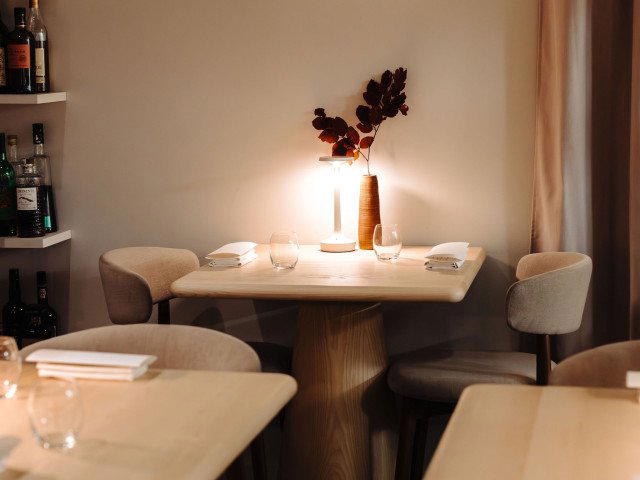
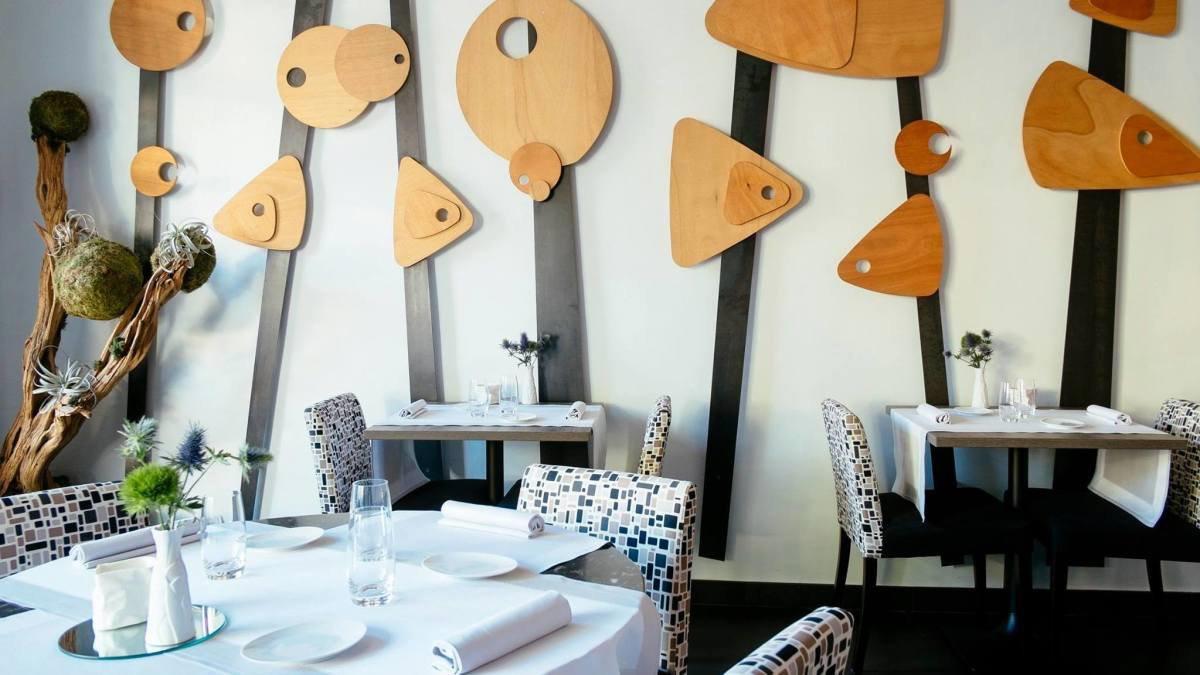
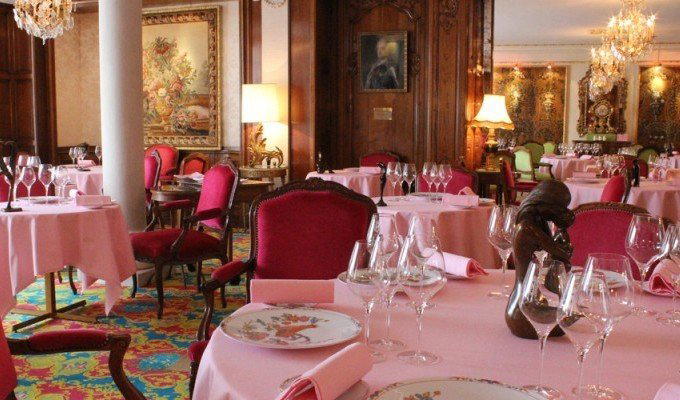
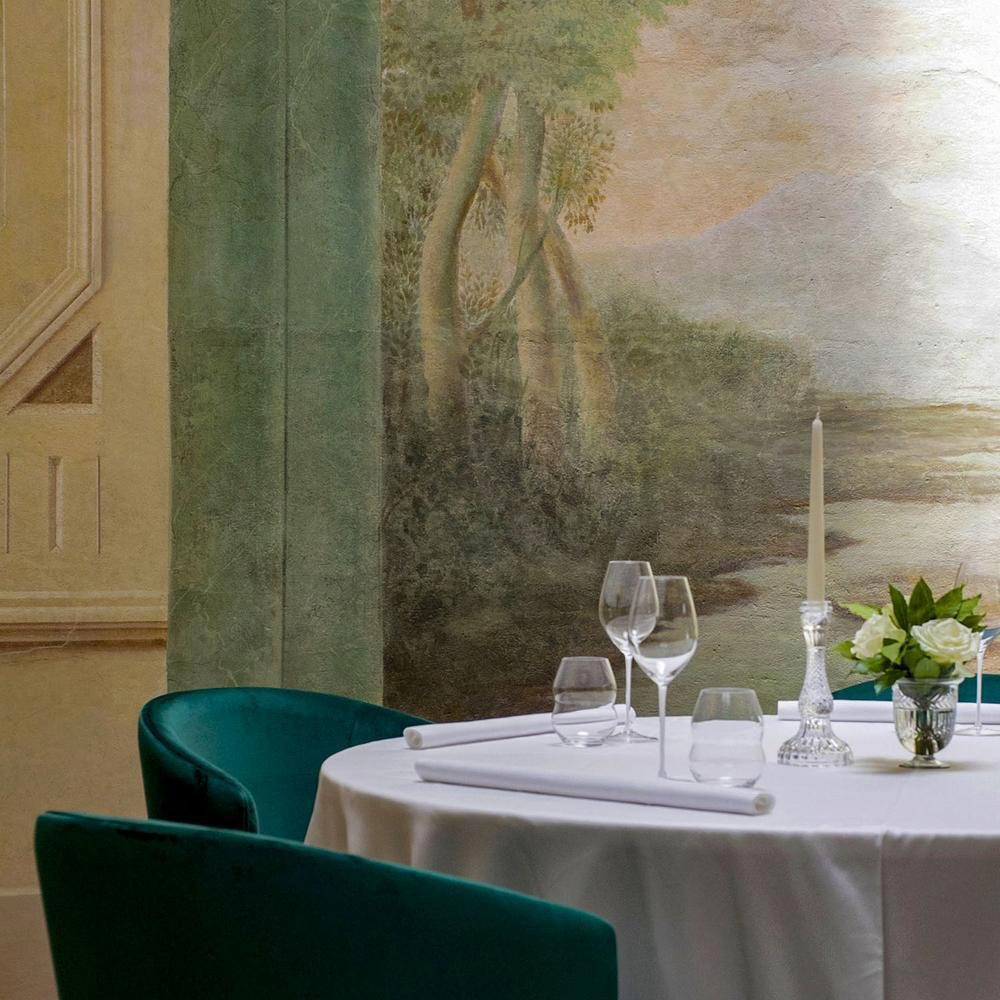
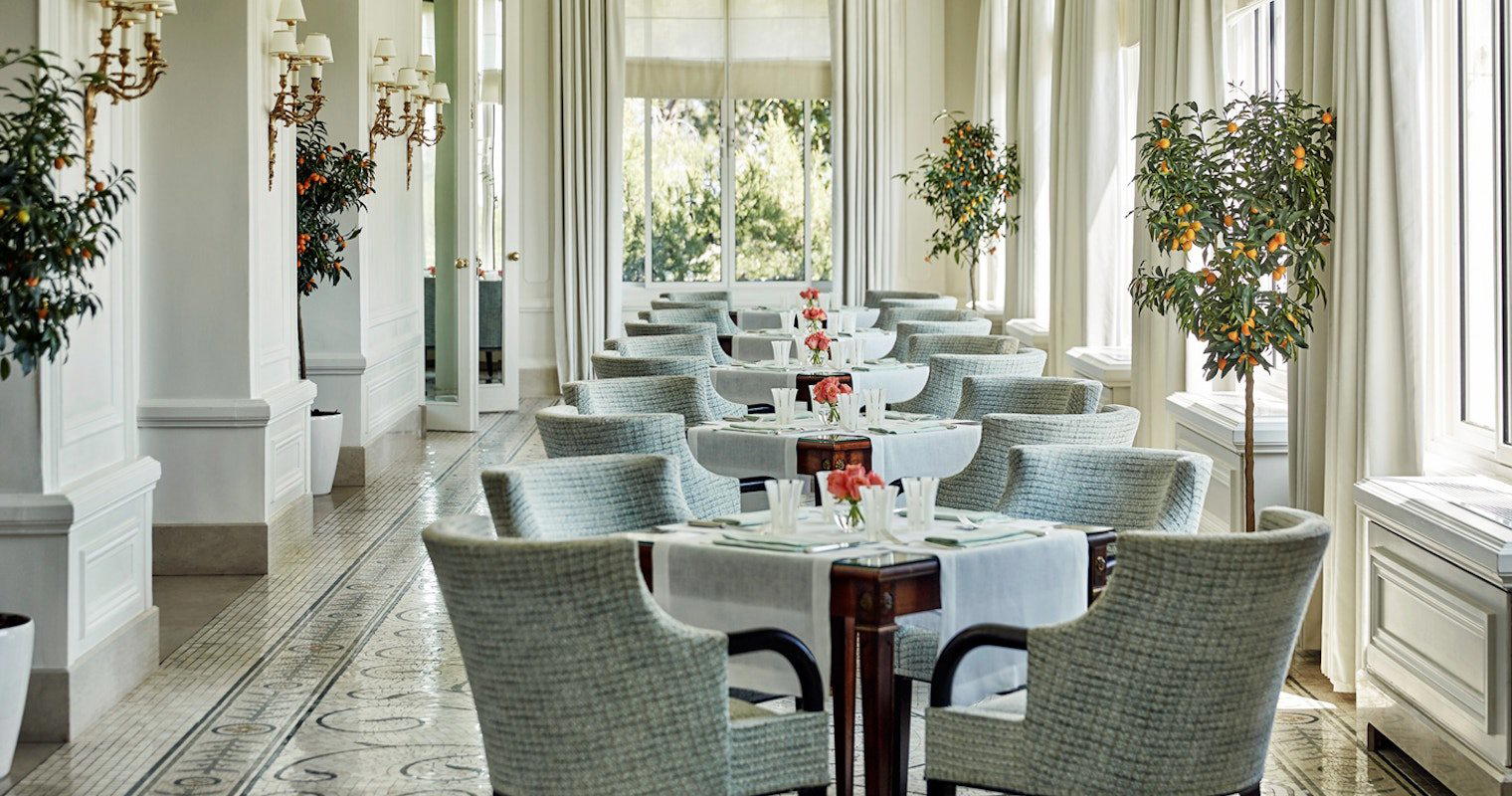
Bars in Nice
Browse all →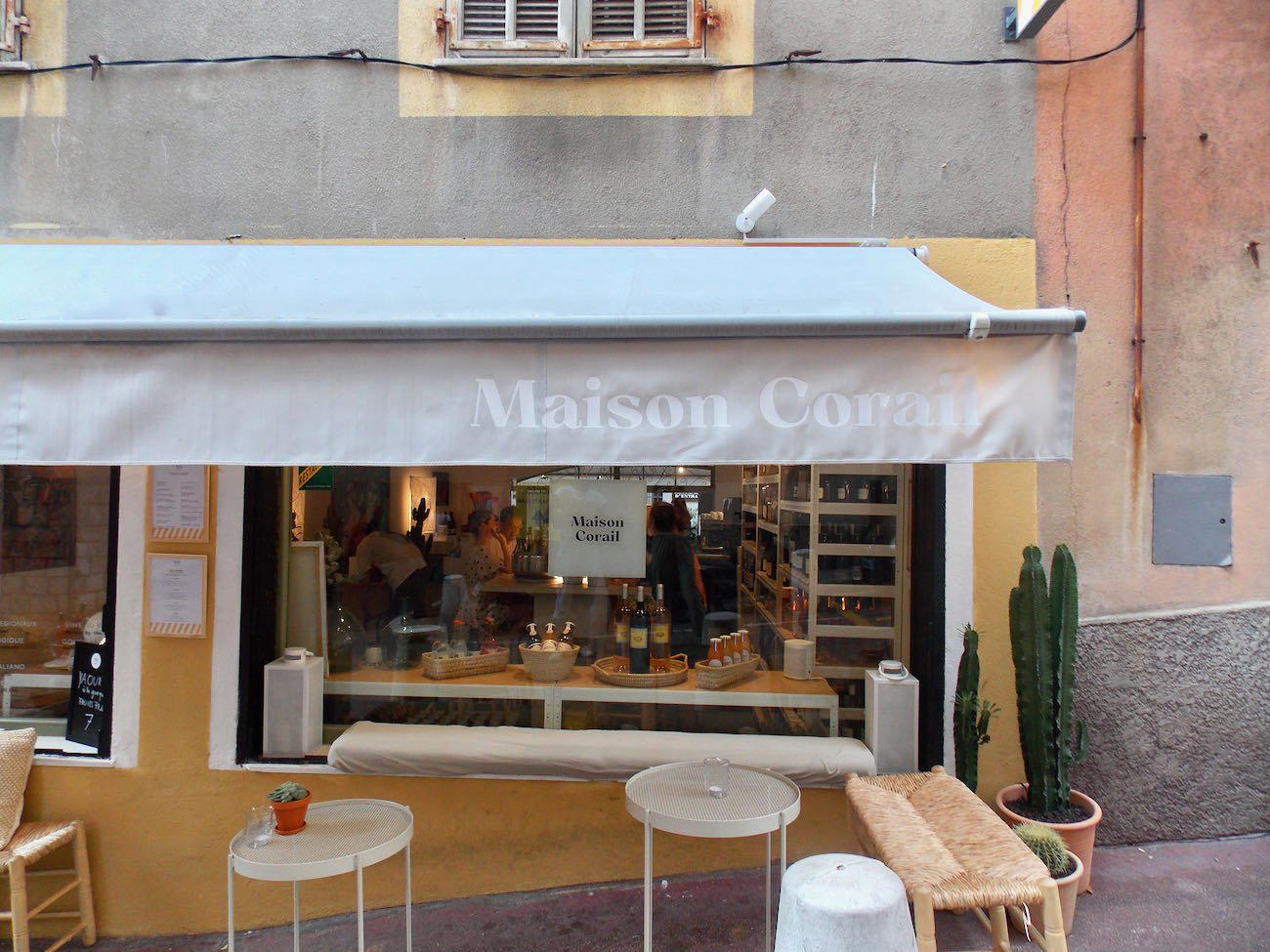
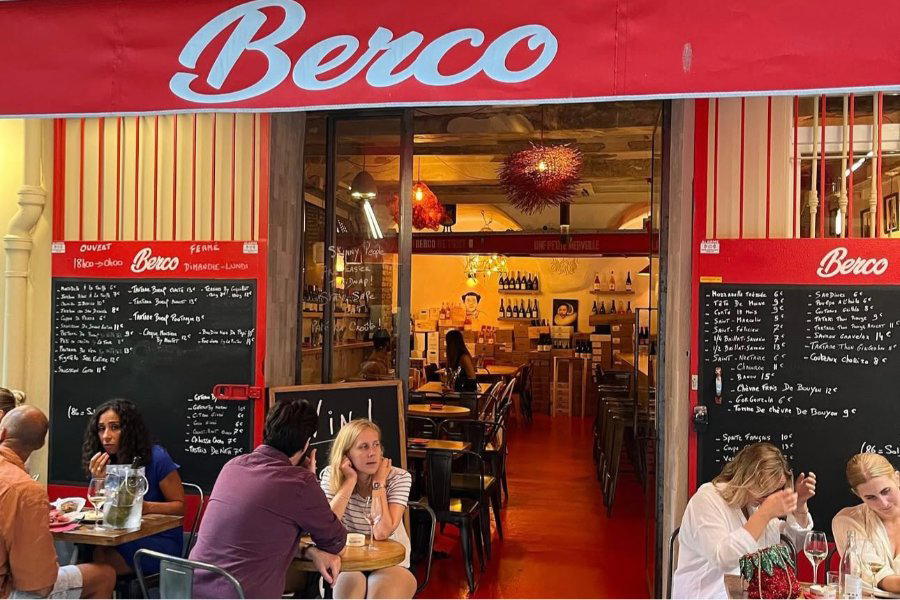
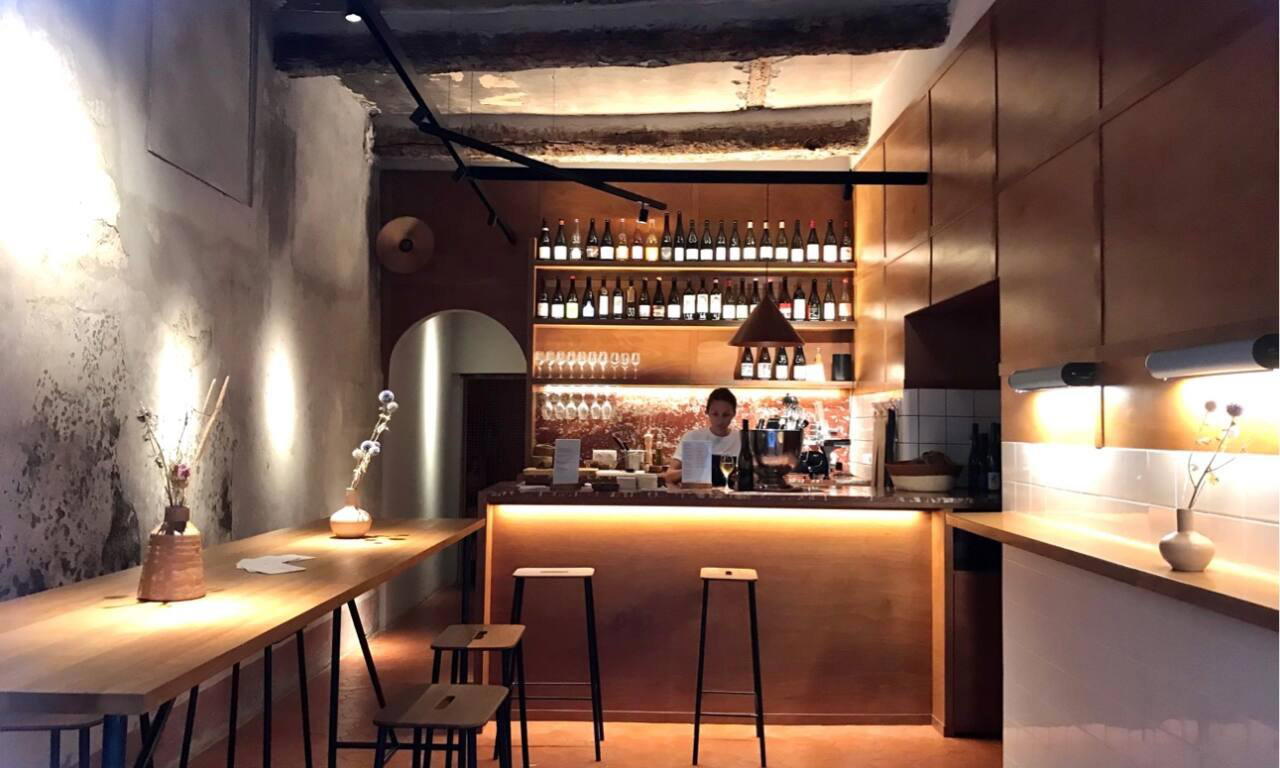
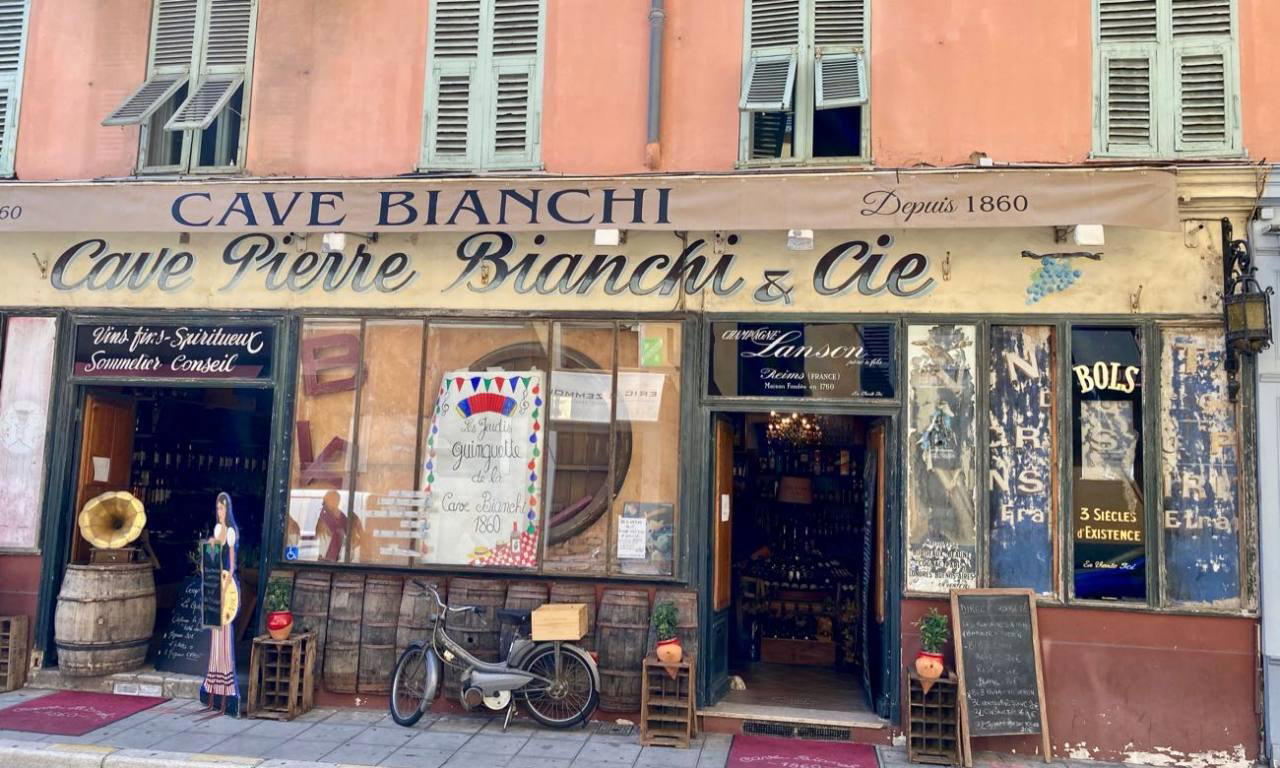
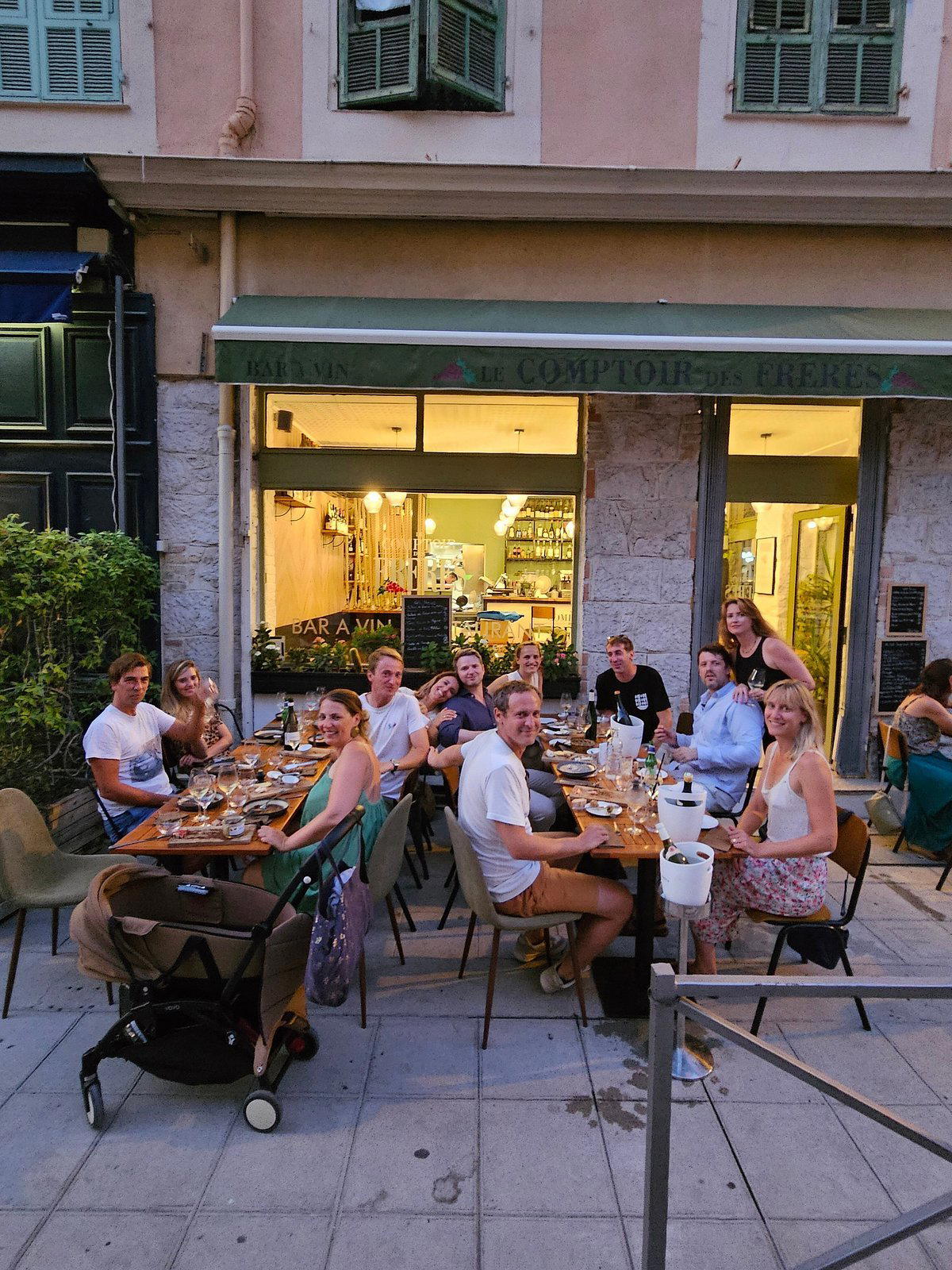
Hotels in Nice
Browse all →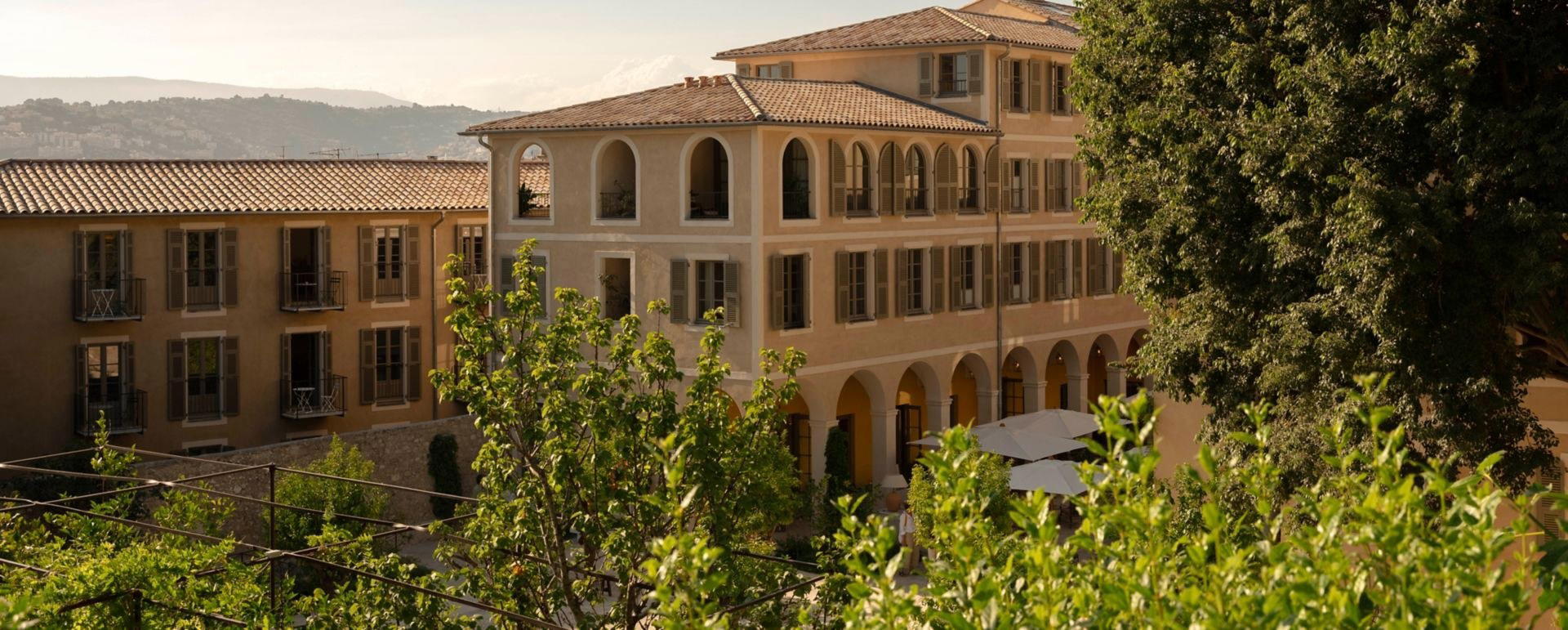

At a Glance
- Cozy
- Classic
- Rustic
- Intimate
- Casual Hangout
- Family
- Historic Building
Current opening hours
- Monday
- 12–2 PM, 7–10 PM
- Tuesday
- 12–2 PM, 7–10 PM
- Wednesday
- 12–2 PM, 7–10 PM
- Thursday
- 12–2 PM, 7–10 PM
- Friday
- 12–2 PM, 7–10 PM
- Saturday
- Closed
- Sunday
- Closed
Hours can change for holidays and private events. Last verified .
Cozy stone-walled dining room with exposed beams, vaulted ceilings, warm lighting, and a convivial bistro atmosphere.