On Rue Droite, one of Vieux-Nice's oldest pedestrian lanes, Chez Palmyre occupies the kind of address that Niçoise regulars rarely advertise. The room is small, the menu follows the seasons, and the clientele tends to return on a weekly rather than annual rhythm. For visitors willing to eat the way the neighbourhood actually eats, it offers a direct line into the old city's culinary habits.
Pearl is the En Primeur Club membership app — saves, bookings, and concierge access live there. Same editors, same standards.
- Address
- 5 Rue Droite, 06300 Nice, France
- Phone
- +33493857232
- Directions
- Get directions
 Saves & bookings on Pearl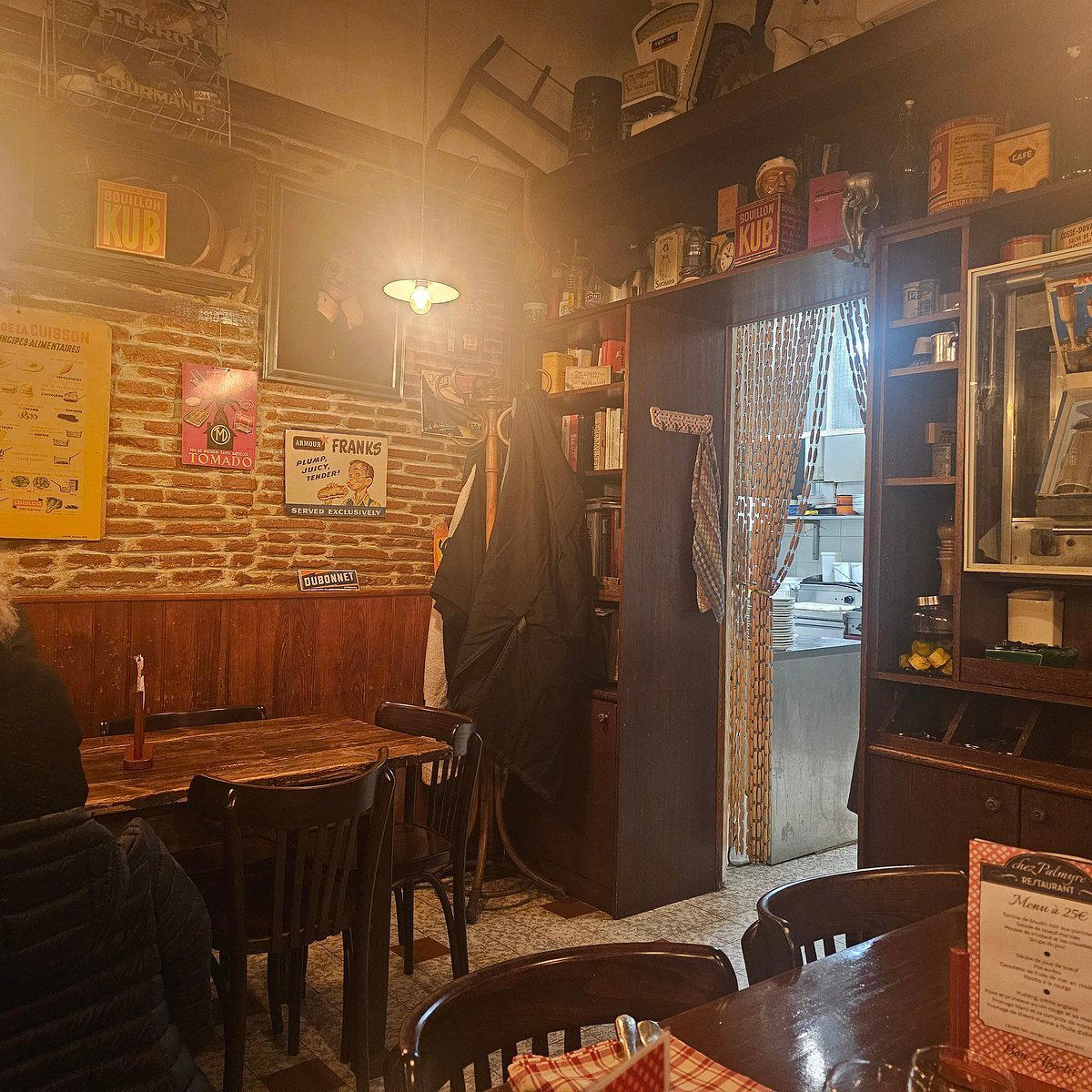
Rue Droite and the Logic of the Neighbourhood Table
Vieux-Nice's street grid has barely changed since the medieval period, and Rue Droite still operates on foot-traffic patterns that predate the automobile. The buildings press close, the light arrives at angles, and the restaurants on this lane are not positioned for passing tourist trade in the way that the broader cours Saleya circuit is. Chez Palmyre, at 5 Rue Droite in Nice, is a casual Authentic Niçoise Bistro with essential reservations and an average price of about $20 per person. It sits inside that logic. It is a room that functions primarily for people who already know it exists, and its continued presence on one of the neighbourhood's most historically layered streets says something about how it fits into the social fabric of Vieux-Nice rather than the hospitality economy aimed at visitors.
This is the structural type that Nice's old quarter has always produced: the small, fixed-menu house where the cooking reflects what the market offered that morning and where the room fills with a clientele that measures its relationship with the place in years, not visits. Compared to the creative modern menus at Flaveur or Les Agitateurs, or the technically ambitious cooking at L'Aromate and ONICE, Chez Palmyre occupies a completely different tier, one defined not by ambition for external recognition but by consistency for an internal audience.
What the Regulars Actually Eat
The regulars' relationship with a place like this is built around an unwritten menu: the dishes that the kitchen produces reliably, that do not change with trends, and that the kitchen would likely be embarrassed to drop from the rotation because so many familiar faces expect them. In the Niçoise tradition, this means socca-adjacent chickpea preparations, stuffed vegetables in the farci style, slow-braised meats that reflect the Ligurian influence that has shaped this coastline's cooking for centuries, and pasta preparations that sit closer to Italian tradition than to anything Parisian. The region's cooking draws from a different larder, one shaped by olive oil rather than butter, by dried legumes and fresh herbs, by the proximity of the sea and the mountains simultaneously. It draws from a different larder, one shaped by olive oil rather than butter, by dried legumes and fresh herbs, by the proximity of the sea and the mountains simultaneously.
A small kitchen can cook a limited number of things well on a given day. Regulars understand this as a feature, not a constraint. Visitors who arrive expecting à la carte flexibility or the kind of menu architecture found at Le Chantecler are orienting themselves at the wrong coordinates.
Nice in the Broader French Dining Hierarchy
France's highest-profile restaurant addresses extend well beyond the Riviera. The multi-generational institutions, the three-starred rooms with decades of accumulated prestige, tend to cluster in Burgundy, the Rhône Valley, and Paris. Auberge de l'Ill in Alsace and Georges Blanc in Vonnas represent a kind of institutional permanence that shapes how France's dining reputation is constructed internationally. Paul Bocuse in Collonges-au-Mont-d'Or and Bras in Laguiole carry reputations built over multiple generations. Les Prés d'Eugénie and Troisgros in Ouches each anchor a regional identity that draws destination diners from across Europe.
The Côte d'Azur operates differently. Mirazur in Menton has placed the region at the summit of the global rankings conversation, and Flocons de Sel in Megève represents the mountain end of the Alpes-Maritimes department's culinary geography. La Table du Castellet in Le Castellet anchors the Var side of the regional dining picture. Nice itself has produced technically serious kitchens at the upper end, but the city's deeper culinary character lives in its markets, its neighbourhood tables, and the persistence of Niçoise cooking as a distinct regional cuisine rather than a subset of French gastronomy. Chez Palmyre is positioned in that tradition, not in competition with the destination-dining circuit that extends from Nice's grander addresses toward the Ligurian border.
For international context, the gap between a neighbourhood Niçoise table and the kind of room represented by Le Bernardin in New York or Lazy Bear in San Francisco is not a gap in quality so much as a gap in ambition type. These are different categories of restaurant serving different purposes, and the visitor who arrives at the restaurant expecting the production values of a major destination room is misreading what this address is for.
The Rhythm of the Old City and How to Arrive
Vieux-Nice functions on foot. The quarter is compact enough that most addresses within it are within a ten-minute walk of one another, and Rue Droite is centrally placed within that grid. The old city sits east of Place Masséna, and the street itself is accessible from multiple entry points, none of which require a vehicle. For visitors staying in or near the old quarter, the restaurant is a walk-to address.
Because the room is small and operates for a regulars-heavy clientele, timing and reservation practice matter more here than at larger tourist-facing operations. Arriving without a booking is a gamble. The lunch service at tables like this tends to be the kitchen's primary focus, and the midday meal in the French south has always been treated as the more substantial event.
The city's culinary range is wider than its Riviera reputation suggests, and the restaurant occupies one specific, irreplaceable point on that map.
What It’s Closest To
Comparable venues nearby, for context on price, style, and recognition.
| Venue | Cuisine | Price | Notes |
|---|---|---|---|
| Chez PalmyreThis venue — the venue you are viewing | Authentic Niçoise Bistro | $$ | Not listed |
| L'Escalinada | Traditional Niçoise Cuisine | $$ | Nice Historique |
| Chez Thérésa | Traditional Niçoise | $$ | Nice Historique |
| La Ratapignata | Traditional Niçoise & French Bistro | $$ | Hauts de Nice |
| Marcel Bistro Chic | Traditional French Bistro | $$ | Nice Historique |
| 21 PAYSANS | Organic French Bistro | $$ | Hauts de Nice |
Continue exploring
More in Nice
Restaurants in Nice
Browse all →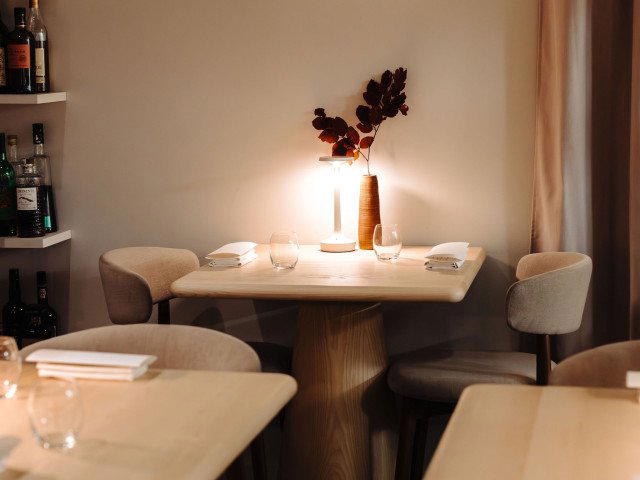
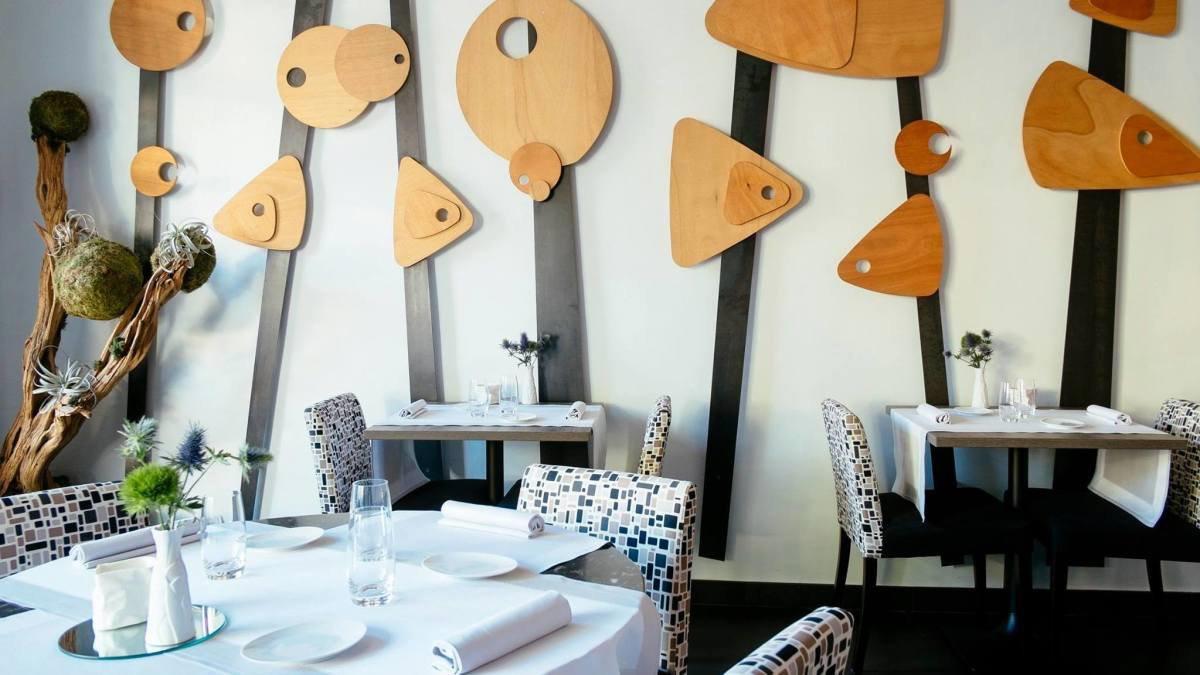
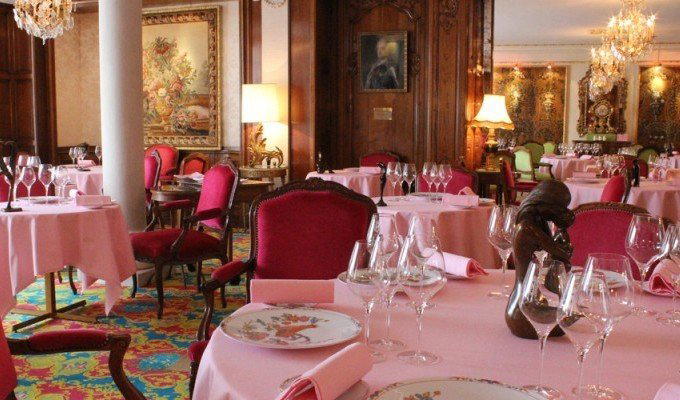
Bars in Nice
Browse all →
Hotels in Nice
Browse all →

At a Glance
- Cozy
- Classic
- Intimate
- Casual Hangout
- Special Occasion
- Historic Building
- Local Sourcing
Current opening hours
- Monday
- 12–1:30 PM, 7–9:30 PM
- Tuesday
- 12–1:30 PM, 7–9:30 PM
- Wednesday
- Closed
- Thursday
- 12–1:30 PM, 7–9:30 PM
- Friday
- 12–1:30 PM, 7–9:30 PM
- Saturday
- Closed
- Sunday
- Closed
Hours can change for holidays and private events. Last verified .
Cozy, nostalgic dining room with retro decor including checkered tablecloths, wall mirrors with menus, simple wooden tables, and a convivial, lively bistro atmosphere.