On a quiet street in the 9th arrondissement, Sobane Restaurant occupies a pocket of the neighbourhood where independent dining still sets the pace. The address on Rue Louise-Émilie de la Tour d'Auvergne places it within walking distance of the area's established bistro circuit, making it a natural point of reference for those tracking how Paris's mid-arrondissement dining culture continues to evolve away from grand boulevards and tourist corridors.
Pearl is the En Primeur Club membership app — saves, bookings, and concierge access live there. Same editors, same standards.
- Address
- 5 Rue Louise-Émilie de la Tour d'Auvergne, 75009 Paris, France
- Phone
- +33 1 48 78 02 91
- Directions
- Get directions
 Saves & bookings on Pearl
A Street Where Paris Dines on Its Own Terms
The 9th arrondissement has a long-established reputation for dining that resists easy categorisation. It sits between the saturated tourist circuits of the grands boulevards and the self-consciously cool restaurants of the 10th and 11th, which means the streets running through its quieter residential pockets tend to attract a different kind of operator: restaurants that rely on neighbourhood loyalty and word-of-mouth rather than footfall from landmarks. Rue Louise-Émilie de la Tour d'Auvergne, where Sobane Restaurant is addressed, belongs to that category of streets. It is not a dining destination in the way that Rue du Faubourg Saint-Denis has become, but it is precisely the kind of address that rewards the effort of finding it.
This pattern, where the most interesting dining in a major arrondissement is rarely on the most obvious street, defines a significant portion of how Paris actually works for people eating well on a regular basis. The city's full restaurant ecosystem spans everything from Michelin-laden institutions to small neighbourhood rooms operating without any formal recognition at all, and the 9th sits comfortably in the territory between those poles. Sobane occupies that in-between space with the kind of address that suggests intention rather than accident.
The Physical Container: Space and Atmosphere in a 9th-Arrondissement Room
In Paris, the dining room itself functions as an argument. The city has a long tradition of restaurants where the space communicates the project almost as clearly as the food does, from the marble-and-mirror brasserie format that has been replicated across France and exported globally, to the stripped-back, zinc-topped rooms that signalled the neo-bistro movement of the early 2000s. Where a restaurant chooses to sit on that spectrum of spatial register tells you something about its ambitions and its intended audience.
The 9th arrondissement has historically leaned toward rooms with texture: exposed stone, worn timber, the kind of patina that takes years rather than months to accumulate. These are spaces designed to feel inhabited rather than designed, and they tend to attract a Parisian clientele that reads deliberate minimalism as effort well spent rather than budget constraint. The leading rooms in this part of the city create the sense that the neighbourhood has always gathered there, which is a harder effect to manufacture than it sounds.
Sobane's address on a quieter residential street suggests a room built around that logic rather than against it. Restaurants at this kind of address in the 9th typically prioritise intimacy over scale: moderate seat counts that allow conversation at a normal volume, lighting calibrated to the hour, and a spatial arrangement that makes the room feel considered without being formal. These are the conditions under which neighbourhood dining actually works, and they are harder to maintain in larger, more prominent spaces where the pressure to fill seats changes the calculus of every decision.
Paris's Independent Dining Circuit and Where the 9th Fits
The broader Paris restaurant scene has split in ways that have become more pronounced over the past decade. At one end, a small cluster of high-investment addresses operates at a price point that aligns them internationally with rooms like Le Bernardin in New York or Lazy Bear in San Francisco: tasting-menu formats, substantial wine programs, and a booking logic driven by anticipation rather than spontaneity. Institutions like L'Ambroisie, Alléno Paris au Pavillon Ledoyen, and Le Cinq at the Four Seasons George V define that top tier, each operating in the €€€€ bracket with formal structures to match.
Below that tier, Paris sustains a considerably larger ecosystem of mid-scale restaurants where the cooking can be technically serious without the format requiring the full apparatus of fine dining. This is where much of the interesting work happens in the city's arrondissements, and it is where addresses like Sobane's make most sense. Rooms in this register tend to operate shorter menus, rely on seasonal procurement from nearby markets, and build their reputation over time through consistency rather than launch visibility. The comparison set here is not the three-Michelin-star rooms of the 8th or the 1st, but rather the dense cluster of well-run independent restaurants that make Paris a city where eating well at a mid-level price point remains genuinely achievable.
France's broader culinary geography provides context for how a Paris neighbourhood restaurant fits into the national picture. The country's most awarded tables tend to sit outside the capital: Mirazur in Menton, Troisgros in Ouches, Flocons de Sel in Megève, and destinations like Bras in Laguiole, Auberge de l'Ill in Illhaeusern, Les Prés d'Eugénie in Eugénie-les-Bains, Georges Blanc in Vonnas, Auberge du Vieux Puits in Fontjoncouse, La Table du Castellet, and the enduring Paul Bocuse in Collonges-au-Mont-d'Or represent a tradition of destination dining that draws visitors out of the capital entirely. Paris's neighbourhood restaurants operate in a different register: they are not destinations in the pilgrim sense, but rather the daily infrastructure of a city where eating well is expected rather than celebrated.
Within Paris itself, the contemporary French conversation runs through addresses like Arpège and Kei, both of which have earned significant recognition while maintaining distinct approaches to what French cooking means in the present tense. The 9th's independent circuit exists at a register below those rooms in terms of formal recognition, but the better addresses in the arrondissement sustain a cooking standard that justifies their reputation among the Parisians who return to them regularly.
Timing and Practical Approach
The 9th arrondissement is accessible year-round, but the experience of eating in its quieter residential pockets shifts with the season. Autumn and winter tend to concentrate the neighbourhood's restaurant culture indoors, with shorter days making early evening reservations feel more intentional. Spring and early summer open the possibility of outdoor seating on the calmer side streets, which changes the character of a meal significantly. Visiting in the warmer months between May and September means arriving into a neighbourhood that operates with considerably more outdoor activity, which affects the atmosphere of rooms that open onto the street. For a restaurant at Sobane's kind of address, the transition between those seasonal modes is worth factoring into any visit.
Know Before You Go
- Address: 5 Rue Louise-Émilie de la Tour d'Auvergne, 75009 Paris, France
- Arrondissement: 9th, in the quieter residential section north of the grands boulevards
- Getting There: The 9th is well served by Paris Métro; lines 7 and 12 both run through the arrondissement, with several stops within walking distance of the street
- Booking: Contact details are not currently listed; visiting in person or checking the venue's own channels is advised
- Price Range: Not currently listed in available data; budget in line with comparable independent neighbourhood restaurants in the 9th
- Hours: Not currently published; confirm directly before visiting
- Context: For a fuller picture of Paris dining across all price tiers and arrondissements, see EP Club's Paris restaurant guide
| Venue | Cuisine | Price |
|---|---|---|
| Sobane RestaurantThis venue — the venue you are viewing | This venue | Not listed |
| Alléno Paris au Pavillon Ledoyen | Creative | €€€€ |
| Kei | Contemporary French, Modern Cuisine | €€€€ |
| L'Ambroisie | French, Classic Cuisine | €€€€ |
| Le Cinq - Four Seasons Hôtel George V | French, Modern Cuisine | €€€€ |
| Pierre Gagnaire | French, Creative | €€€€ |





At a Glance
- Minimalist
- Quiet
- Date Night
- Casual Hangout
- Standalone
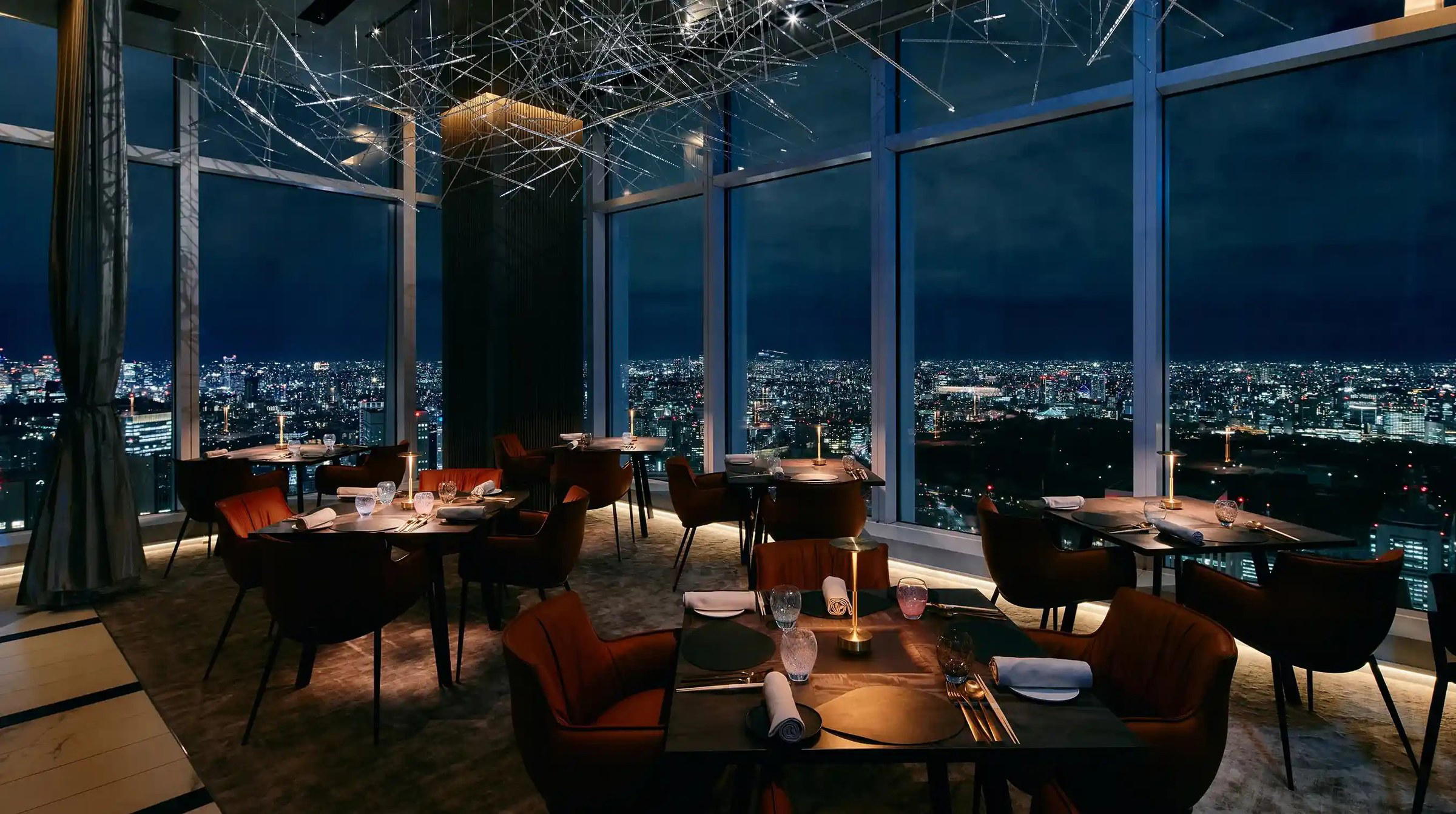
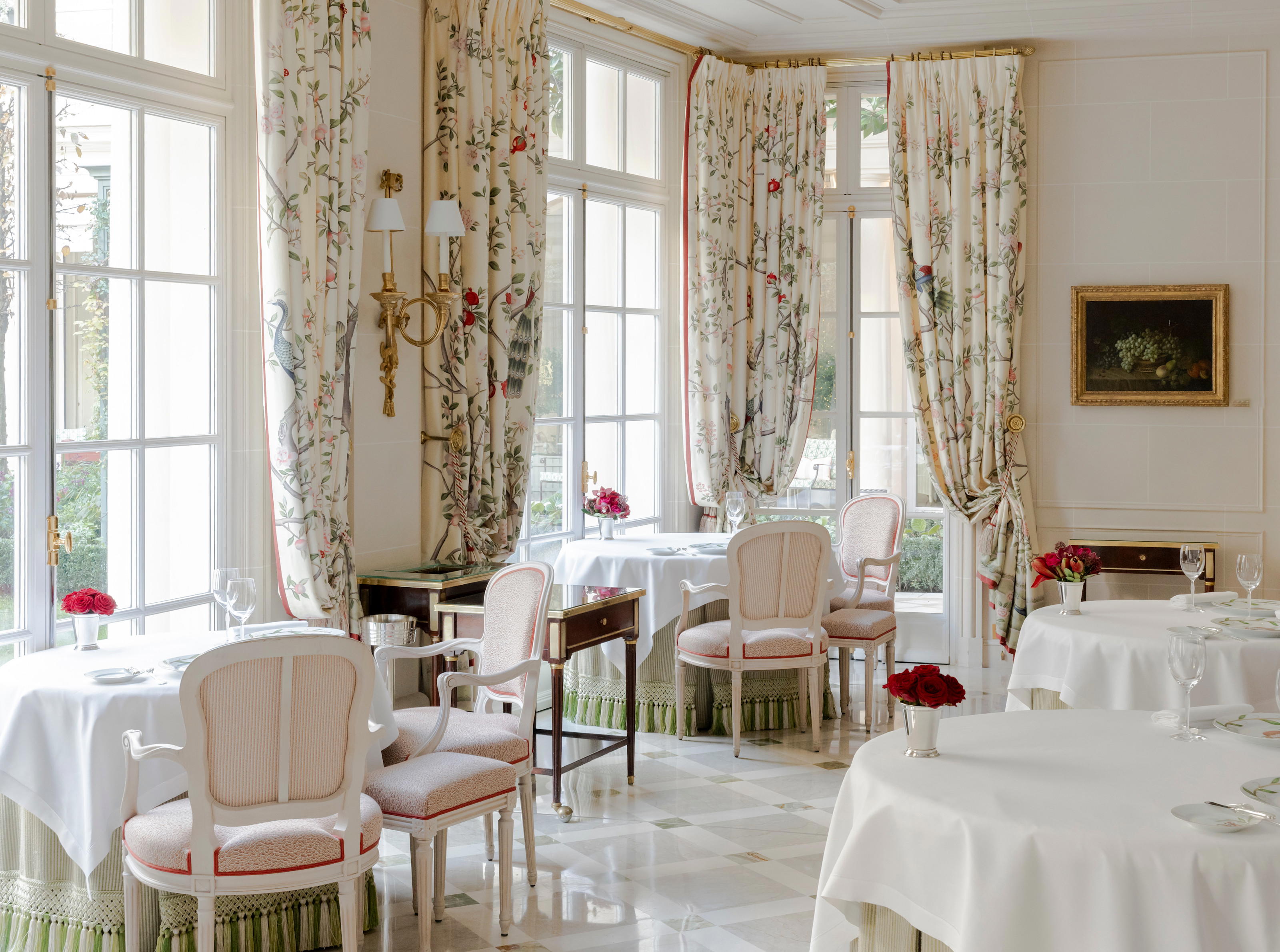
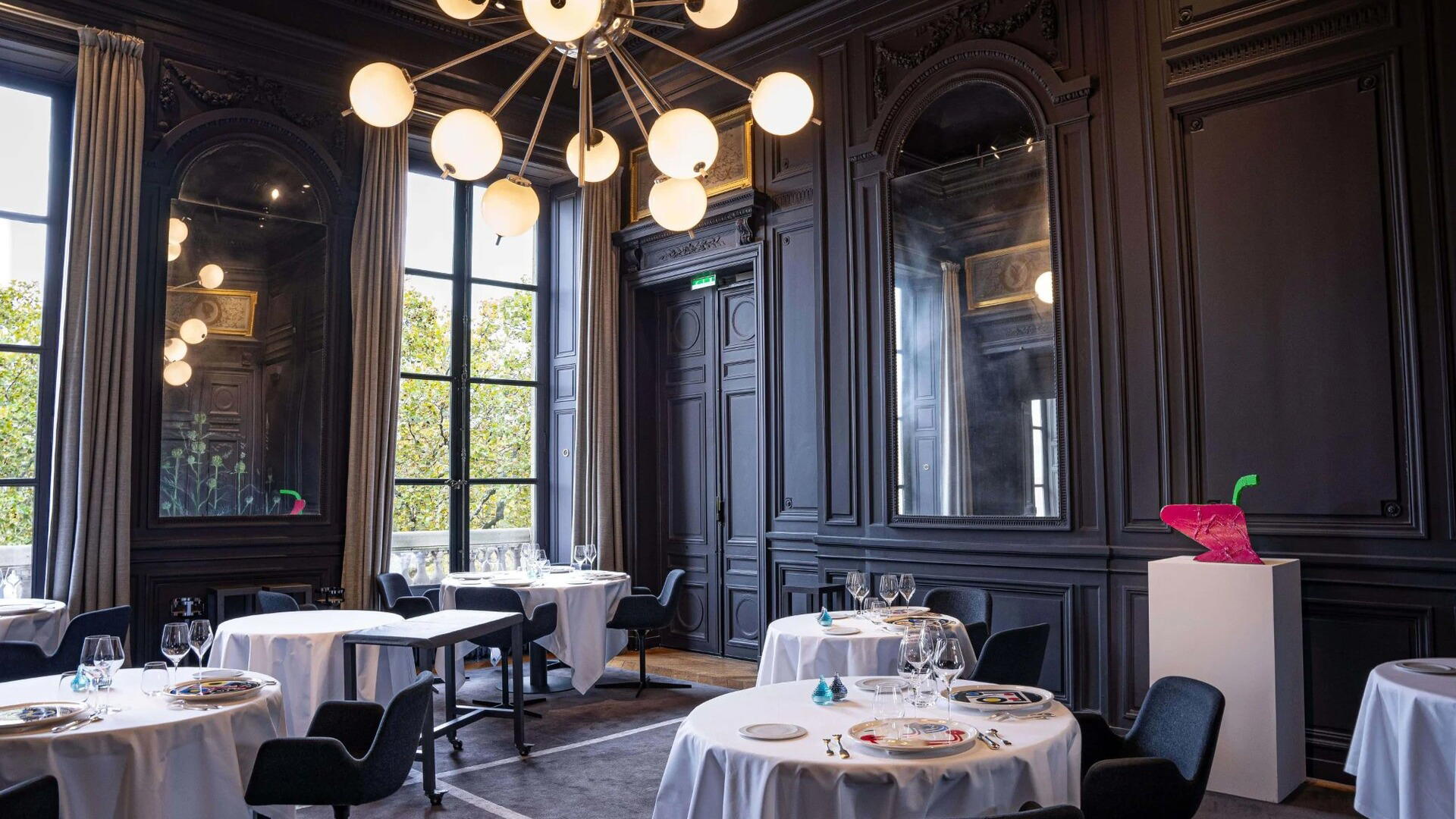
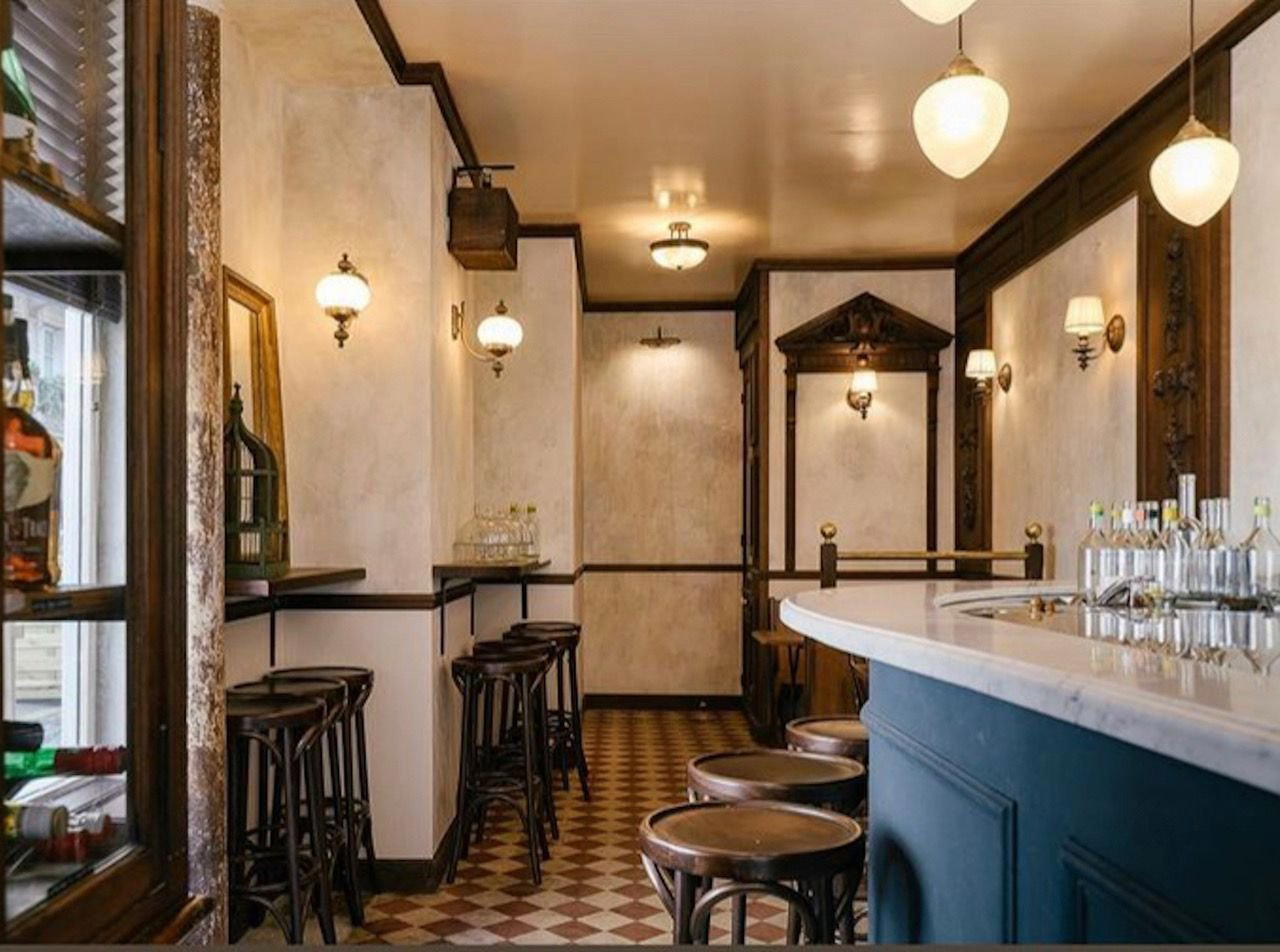
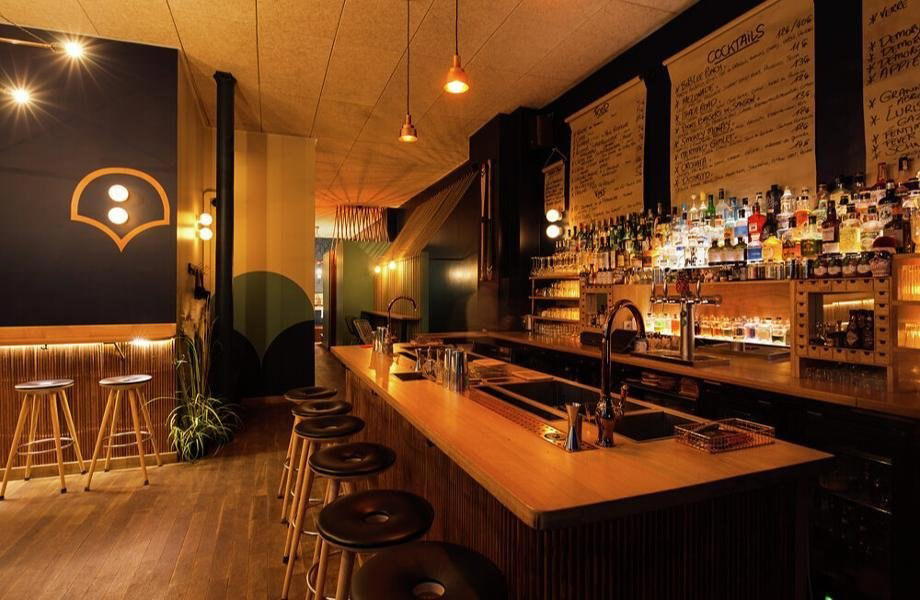
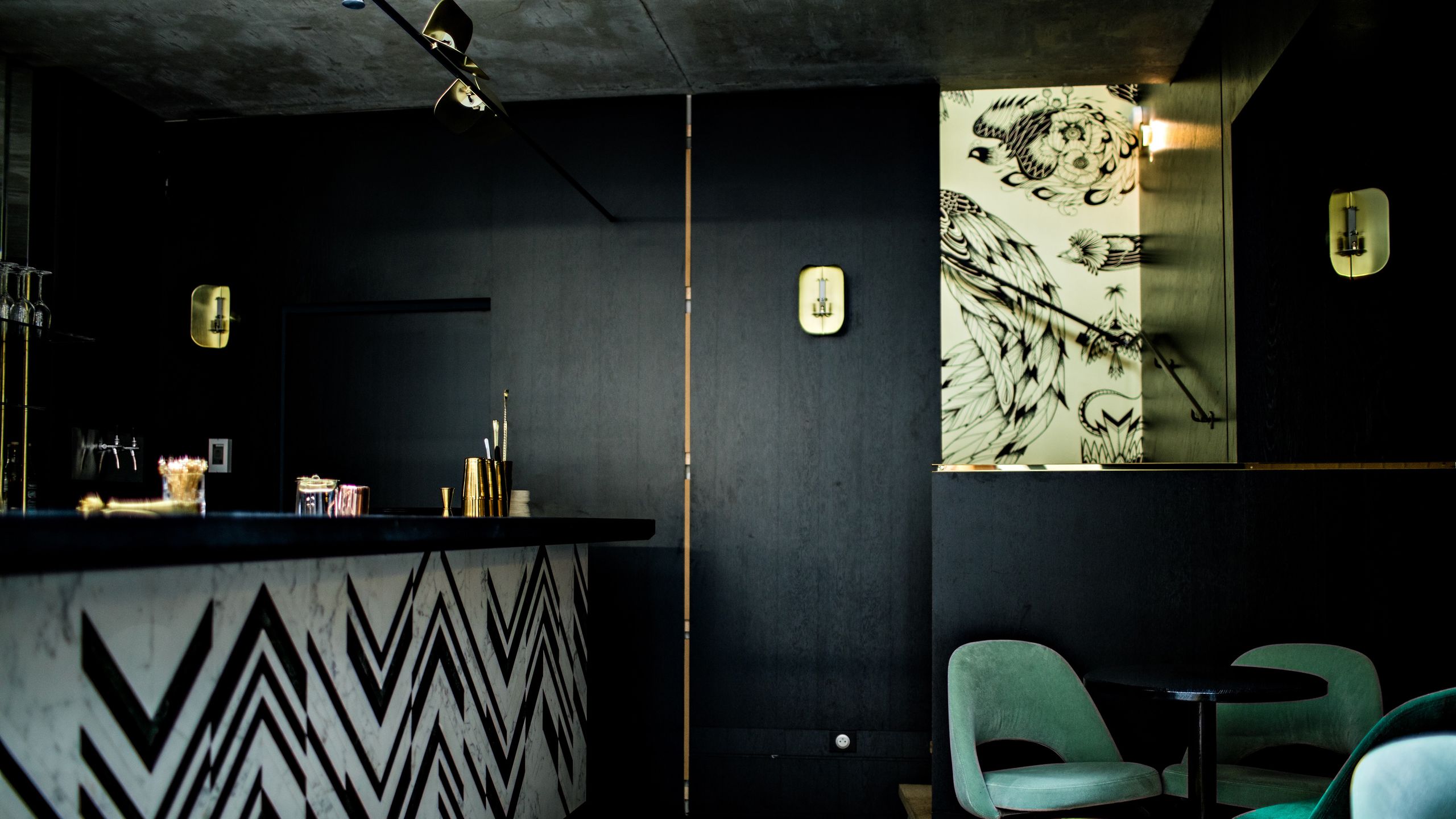
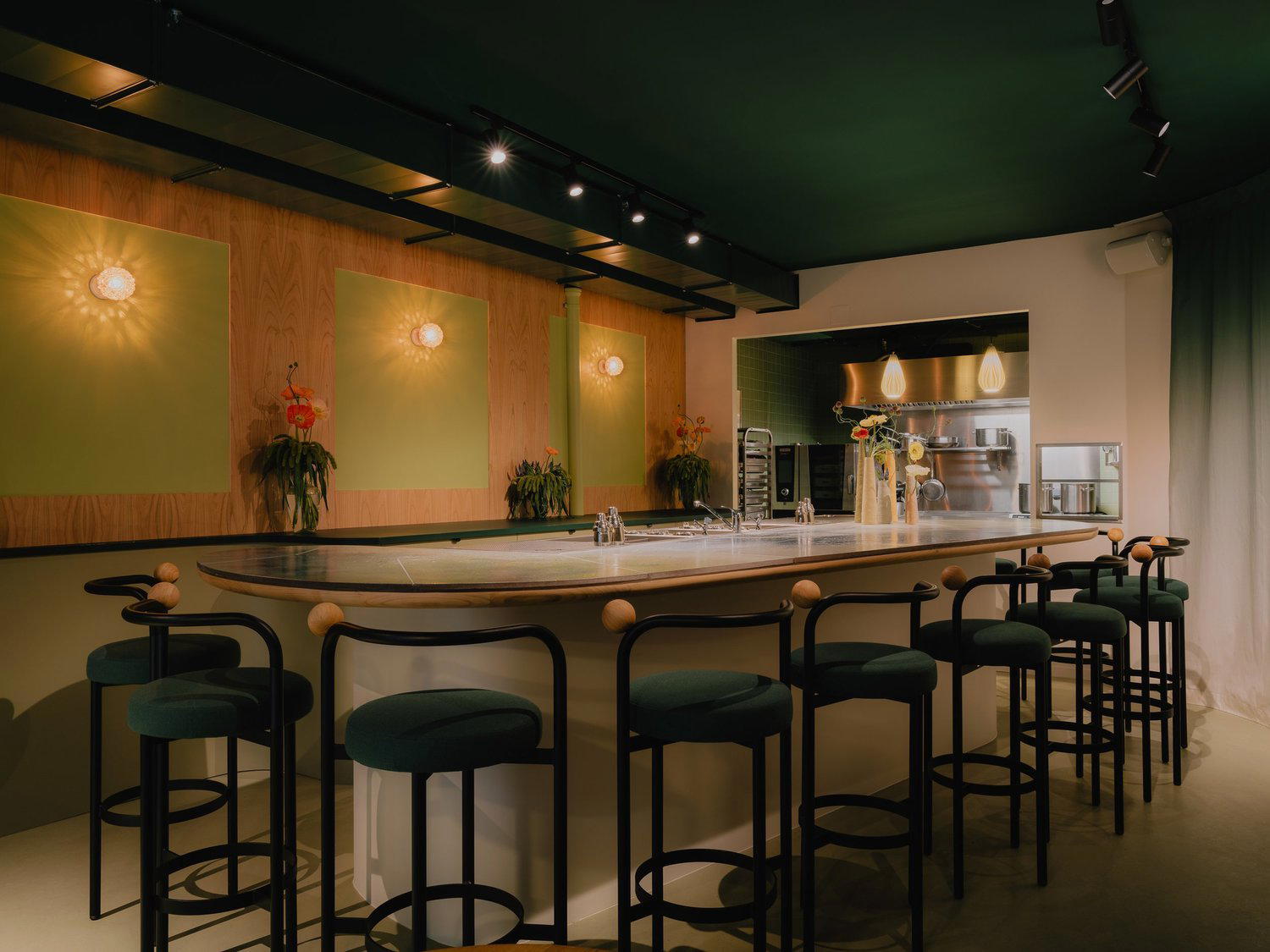
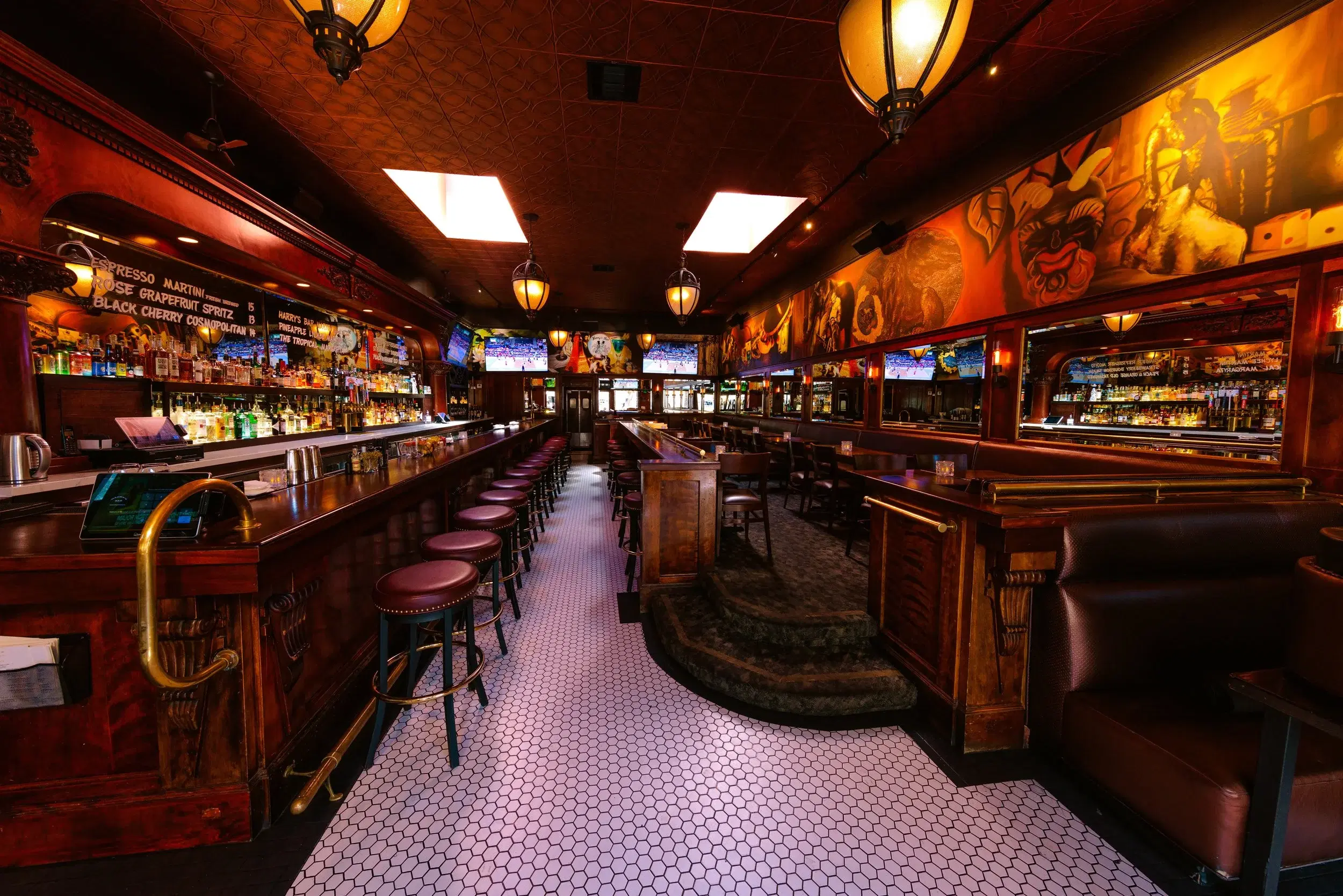
Minimalist ambiance with light wooden surfaces and subtle, refined lighting creating an intimate dining environment.
Know Before You Go
- Getting there
- 5 Rue Louise-Émilie de la Tour d'Auvergne, 75009 Paris, France