Tabelog 100 #48
Our verdict
Soba Zabou brings Tokyo’s soba tradition to Nishi-Hachioji, away from the central-city counter circuit and closer to the habits of repeat diners. Its Tabelog 100 Soba EAST 2025 selection, 15-seat scale, stone-ground house flour and sake-leaning format place it in the serious specialist tier rather than the casual noodle stop category.

Pearl is the En Primeur Club membership app, where members save venues, book tables and use the concierge.
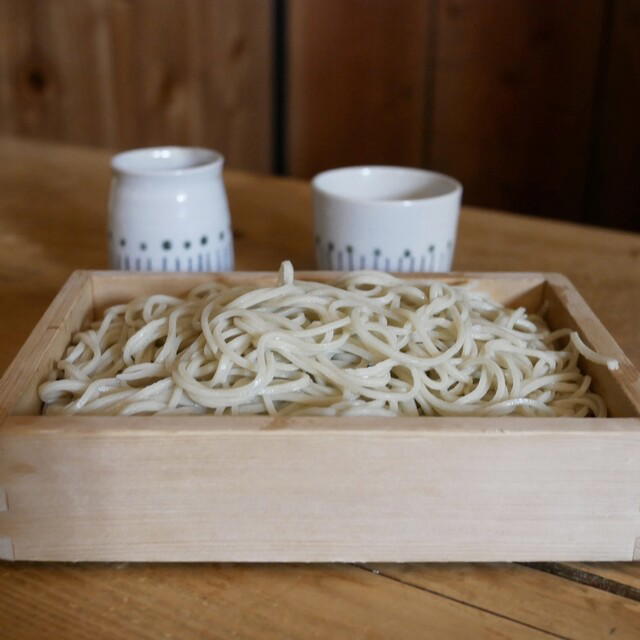
Approaching a soba room in Tokyo slows the tempo before the first order. The city’s quieter dining appeal is often shaped by local routines, small rooms and diners who know what they came for. Here, Soba Zabou fits a Tokyo dining strain where house style is less branding than repeat confidence: a focused soba counterpoint to louder destination meals, with regulars reading the room without explanation.
Tokyo noodle culture is often reduced to ramen queues and station-adjacent speed, but soba runs on another clock. It rewards restraint, sourcing and repetition. A good soba room needs consistency across flour, water, cut, boil and service rhythm, not a long narrative. Soba Zabou’s selection for Tabelog 100 Soba EAST 2025 is a useful external signal because the list is category-specific rather than a general dining accolade. Its Tabelog score of 3.71 puts it where repeat confidence matters more than novelty traffic.
Tokyo soba for diners who return with a plan
The regulars’ perspective is the right lens. This is not a Tokyo restaurant built around a single spectacle or chef mythology. It sits closer to everyday Japanese specialist dining: a focused category, a clear reason to visit, and a clientele that knows the difference between eating soba as lunch and settling into soba as a meal.
That difference matters. Soba can be casual, but at its serious end it becomes pacing: a drink, a small plate, noodles, then sobayu, where the cooking water becomes the finish. Soba Zabou’s category is straightforward, soba, or buckwheat noodles, but the appeal is in how a narrow format can carry a complete meal. Small Tokyo soba houses often run on trust between kitchen and returning guests, not luxury-dining choreography.
Tokyo also frames the meal differently from cities where restaurant life gathers around a few obvious visitor zones. The capital supports strong local food addresses not dependent on hotel guests or destination shopping districts. In the same city guide, other Tokyo dining rooms map different versions of the city’s dining habits. Soba Zabou shows the specialist version: less night-out theatre, more return visits and category loyalty.
Why the award signal matters in soba
In soba, awards and ratings read differently than in haute cuisine. They do not necessarily indicate a lavish room or tasting-menu structure; they usually signal technical trust in a narrow field. Tabelog 100 Soba EAST 2025 matters because it separates soba from the broader restaurant conversation and places the restaurant among recognised buckwheat specialists. For Soba Zabou, the 2025 listing is the relevant signal to read alongside its published score.
That context explains why regulars matter. A soba house can attract destination diners after an award listing, but the deeper test is whether local and repeat guests keep it in rotation. In Japan’s soba tradition, flour, cut and cooking are not decorative language; they are central variables separating serious shops from commodity noodle counters. The point is not rarity. The point is control.
Compared with other casual noodle and grain-based addresses in Tokyo’s broader orbit, the pricing tier sets a different dining decision. Chuka Soba Kamofuku and Niboshi Iwashi Ramen En Hachioji honten represent a ramen-focused comparison point, while Honkaku Teuchi Udon Arata, Boule Beurre Boulangerie and Isoya show other casual food formats in the same broader guide ecosystem. That does not make one category superior; it clarifies the occasion. Soba Zabou belongs to the soba specialist tier where the bill reflects a more deliberate meal, especially at dinner.
How to read the room before ordering
Practical etiquette reveals the culture. In a focused soba room, the best approach is quiet attention: arrive with a small party, order decisively, and let the meal’s rhythm do its work. These are not lifestyle flourishes; they protect the calm small Japanese dining rooms rely on. It is a poor match for a large group trying to turn soba into an event, and a strong match for diners eating with attention.
Lunch and dinner serve different visitor needs. Lunch suits the soba-focused diner seeking the clearest read on the noodles. Dinner, with Soba Zabou’s listed budget at JPY 6,000 - JPY 7,999, points to a more deliberate meal than a quick noodle stop. The lunch budget, listed at JPY 2,000 - JPY 2,999, keeps the room legible for diners who want a more concise visit.
For Tokyo planning, Soba Zabou reminds that the city’s restaurant intelligence spreads far beyond the neighbourhoods dominating overseas itineraries. A Tokyo meal here asks intention, but offers a clean view of local specialists surviving through controlled pacing, clear etiquette and a product regulars recognise without a speech. For broader planning, use Our full Tokyo restaurants guide alongside Our full Tokyo hotels guide, Our full Tokyo bars guide, Our full Tokyo wineries guide and Our full Tokyo experiences guide.
Travellers building a wider Japan itinerary can compare this meal with other regional formats in general terms: grilled beef, cafe cooking, curry specialists, casual drinking rooms and compact noodle counters all show how Japanese dining changes by category and city. For Japanese drinking and casual formats outside Japan, diaspora examples can offer a useful contrast, though the Tokyo soba room remains its own discipline.
Frequently asked questions
What's the address for Soba Zabou?
Tokyo.
What's the price range at Soba Zabou?
Pricing at Soba Zabou is listed as Dinner: JPY 6,000 - JPY 7,999; Lunch: JPY 2,000 - JPY 2,999.
Is Soba Zabou reservation-only?
Specific reservation terms are not provided in the verified venue details. Check directly with the restaurant before planning a visit.
What is Soba Zabou known for?
It is a Tabelog 100 Soba East 2025 selection in Tokyo, listed in the soba category with a Tabelog score of 3.71.
Peers You’d Cross-Shop
Comparable venues by category and price.
| Venue | Cuisine | Price | Awards | Notes |
|---|---|---|---|---|
| Soba ZabouThis venue (the venue you are viewing) | Traditional Japanese Soba | $20–30 | Tabelog 100 #48 | Not listed |
| Chuka Soba Kamofuku | Not listed | Not listed | Tabelog 100 #46 | JPY 1,000 - JPY 1,999 JPY 1,000 - JPY 1,999 |
| Honkaku Teuchi Udon Arata | Traditional Hand-Made Udon | $1–10 | Tabelog 100 #5 | JPY 999 - JPY 999 View spending breakdown |
| Boule Beurre Boulangerie | Not listed | Not listed | Tabelog 100 #86 | JPY 999 - JPY 999 |
| Niboshi Iwashi Ramen En Hachioji honten | Niboshi-focused Hachioji ramen | $10–20 | Tabelog 100 #58 | JPY 1,000 - JPY 1,999 JPY 1,000 - JPY 1,999 |
| Isoya | Sanuki udon & Japanese sake bar | $1–10 | Tabelog 100 #46 | JPY 999 - JPY 999 |
Recognition history
Dated appearances from independent guides and award organizations, with the underlying list record or original source where available.
Tabelog 100 #48 · No. 48
Tabelog · Tabelog 100 - Soba - EAST - 2025