
Tabelog 100 #24
Our verdict
Soba Ya Tsukigokoro places Meguro’s quieter soba culture in a small-format room built around buckwheat, Japanese cooking, and a serious sake and shochu program. Recognition in Tabelog 100 Soba EAST 2025, a 13-seat layout, and repeat selections since 2018 put it in Tokyo’s specialist soba tier rather than the casual noodle bracket.

Pearl is the En Primeur Club membership app, where members save venues, book tables and use the concierge.
The menu
What to order
- Stone-milled handmade soba
- Seasonal cold sudachi soba (hiyakake)
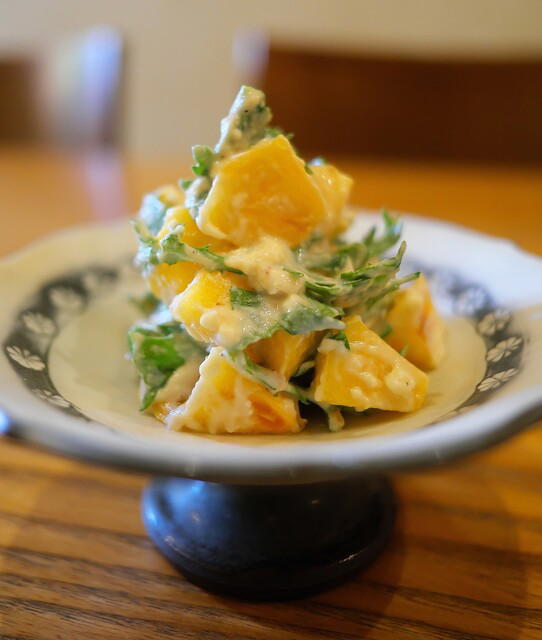
- Soba-mae seasonal small plates
Approaching Soba Ya Tsukigokoro in Tokyo, the rhythm is quieter than neon-lit: local traffic, measured movement, and a pace that makes a soba room feel less like a stop between appointments than the appointment itself. Tokyo’s serious soba culture rewards restraint, asking diners to notice buckwheat, water, texture, and small Japanese dishes, not spectacle. Soba Ya Tsukigokoro belongs to that quieter branch of the city’s dining scene, where scale is focused, scent matters, and success depends on discipline rather than volume.
That matters in 2026 because Tokyo’s premium dining conversation is often dominated by counters, tasting-menu rooms, and luxury formats. Soba sits differently: seasonal without theatrical menu language, sustainable in practice when built around grain, broth, careful portioning, and drinks that extend rather than overwhelm the meal. Buckwheat has long been valued in Japan for hardiness, and serious soba shops treat waste and excess as technical failures rather than lifestyle claims. Here, the environmental story is embedded in a compact format and a cuisine that prizes economy.
Tokyo soba at a smaller, more deliberate scale
Tokyo has many noodle categories, but soba at this level is not paced like a quick stop. Soba Ya Tsukigokoro is listed for soba and Japanese cuisine, with typical budgets of JPY 4,000 to JPY 4,999 at lunch and JPY 6,000 to JPY 7,999 at dinner. That places it in conversation with specialist Tokyo dining rather than everyday convenience meals; nearby comparisons might include Mendokoro Bigiya Gakugei daigaku honten or neighbourhood dinner rooms such as Mishuku Toraji. The comparison helps: soba here competes through focus, pacing, and a slower meal structure, not abundance.
The room reinforces that distinction. Soba Ya Tsukigokoro operates with the feel of a focused specialist rather than a broad, high-volume dining room. In Tokyo, that kind of format changes dining ethics. Kitchens buy, prep, and serve with less margin for casual over-ordering, while guests have fewer buffers for late arrivals, heavy fragrance, or large groups. Restraint around the table is not preciousness; soba is aroma-sensitive, and the meal works better when buckwheat and broth are not competing with distractions.
Tabelog Hyakumeiten recognition in 2025 is a meaningful external signal, supported by a listed score of 3.74. Awards in Japan’s soba category tend to reward consistency rather than flash. For travellers used to international-award maps, Tabelog’s category lists work differently: they are useful for specialist Japanese genres where local repeat approval matters as much as international visibility.
Why the drinking rhythm changes the meal
At many casual soba shops, drinks are peripheral. In the more serious Tokyo model, the way a guest drinks can shape the architecture of the meal. Soba Ya Tsukigokoro’s listed category of soba and Japanese cuisine suggests a meal that may move through Japanese side dishes before the noodles instead of treating soba as a single-course finish. The sustainability angle becomes practical rather than decorative: a kitchen built around buckwheat and compact Japanese cooking can use ingredients carefully across courses, while drinks add depth without imported luxury cues.
Visitors should note a cultural distinction: soba is not only about noodles. The tradition includes broth concentration, dipping temperature, grain aroma, and the pacing between snacks and the final bowl or plate. Tokyo’s strongest soba rooms can read as austere to diners expecting maximalism. That austerity is the point. Compared with more visually driven or comfort-led Tokyo dining rooms, this genre asks for narrower attention.
The Tokyo setting also matters. This is not a room defined by international trophy dining or late-night entertainment density. It sits within the city’s broader network of independent specialists, where focused restaurants develop loyal repeat diners without needing to become miniature entertainment districts. For a broader Tokyo crawl, the contrast is sharp against unnamed seafood-and-grill formats, busy urban dining rooms, and skewered-chicken specialists elsewhere in the city.
How to read it within a Tokyo itinerary
Use Soba Ya Tsukigokoro as a specialist meal, not a filler between larger reservations. Its Tabelog Hyakumeiten 2025 recognition, listed score of 3.74, and noodle-led focus suit diners seeking a measured Japanese meal more than groups sampling widely in one night. The format rewards punctuality and modest ordering confidence: soba rooms work on rhythm, and the experience suffers when treated like a flexible drop-in.
For a wider Japan itinerary, it is a useful counterpoint to other regional Japanese formats: beef-focused cooking, café culture, regional dining, casual curry, contemporary cooking, and Japanese food culture as it translates outside Japan. Those comparisons are best kept broad rather than venue-led. Soba Ya Tsukigokoro’s value is clearest when read as a Tokyo specialist: a place where category, texture, and restraint matter more than spectacle.
Tokyo rewards category fluency. Diners who understand the difference between quick noodle meals, repeated grilled courses, counter ceremony, and soba restraint will read this meal more clearly. Use Our full Tokyo restaurants guide to place it among the city’s dining rooms, then widen the trip through Our full Tokyo hotels guide, Our full Tokyo bars guide, Our full Tokyo wineries guide, and Our full Tokyo experiences guide. The case is precise: a Tokyo soba specialist with category recognition, listed soba and Japanese cuisine, and restraint that feels increasingly relevant in a city of escalating luxury formats.
Frequently asked questions
Where is Soba Ya Tsukigokoro located?
Tokyo.
What's the price range at Soba Ya Tsukigokoro?
Pricing at Soba Ya Tsukigokoro is listed as JPY 6,000 - JPY 7,999 for dinner and JPY 4,000 - JPY 4,999 for lunch.
Is Soba Ya Tsukigokoro reservation-only?
Reservation requirements are not specified in the provided venue details. Diners should confirm directly with Soba Ya Tsukigokoro before visiting.
What's the signature at Soba Ya Tsukigokoro?
Soba is the clear focus, supported by its listing for soba and Japanese cuisine. Its Tabelog Hyakumeiten 2025 recognition in Tokyo points to a noodle-led meal rather than a broad menu.
Peers You’d Cross-Shop
Comparable venues side-by-side for orientation.
| Venue | Cuisine | Price | Awards | Notes |
|---|---|---|---|---|
| Soba Ya TsukigokoroThis venue (the venue you are viewing) | Traditional Soba & Sake Bar | $30–50 | Tabelog 100 #24 | Not listed |
| OVERWHELM HAMBURGER & BAR STAND | Gourmet Hamburger & Bar | $10–20 | Tabelog 100 #28 | JPY 2,000 - JPY 2,999 JPY 2,000 - JPY 2,999 |
| Mishuku Toraji | Yakiniku (Japanese BBQ) | Not listed | Tabelog 100 #30 | JPY 6,000 - JPY 7,999 |
| スタンドバインミー | Modern French-Vietnamese Banh Mi | $20–30 | Not listed | Not listed |
| Mendokoro Bigiya Gakugei daigaku honten | Classic Tokyo shoyu ramen shop | $10–20 | Tabelog 100 #85 | JPY 1,000 - JPY 1,999 - JPY 999 |
| M Size | Neighborhood bakery | $1–10 | Tabelog 100 #55 | JPY 999 |
Recognition history
Dated appearances from independent guides and award organizations, with the underlying list record or original source where available.
Tabelog 100 #24 · No. 24
Tabelog · Tabelog 100 - Soba - EAST - 2025
Continue exploring
More in Tokyo
Restaurants in Tokyo
All restaurants in Tokyo →




Bars in Tokyo
All bars in Tokyo →








Details
- Cozy
- Intimate
- Classic
- Date Night
- After Work
- Solo
- Casual Hangout
- Special Occasion
- Standalone
- Sake Program
- Beer Program
- Local Sourcing
- A La Carte
- Small Plates
- Sake
- Beer
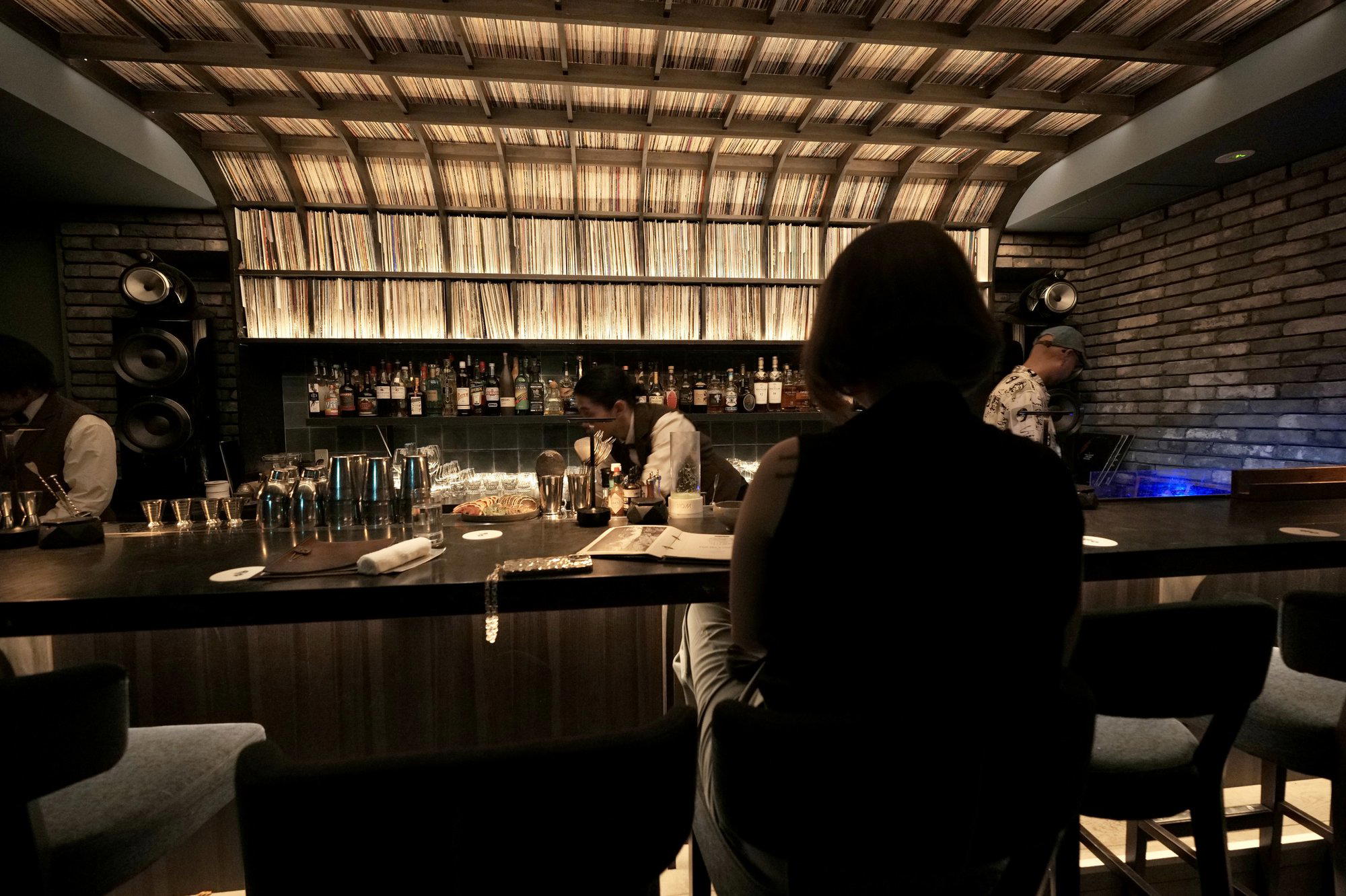
A relaxed, adult soba bar atmosphere focused on enjoying sake and handmade noodles, with a calm, cozy feel suited to quiet conversation rather than family dining.