Soba no Mi Ikkanjin

A serious soba address in Fujinomiya, Soba no Mi Ikkanjin belongs to the regional tier where buckwheat, water, timing, and restraint matter more than spectacle. Its Tabelog 100 Soba EAST 2025 selection and 20-seat scale place it in a focused category for travelers who plan meals around craft rather than convenience.
Pearl is the En Primeur Club membership app — saves, bookings, and concierge access live there. Same editors, same standards.
- Address
- 静岡県富士宮市内野1551-42 民宿 峠の茶屋 1F
- Phone
- +81544540507
- Website
- sobanomi-ikkanjin.top
- Directions
- Get directions
 Saves & bookings on Pearl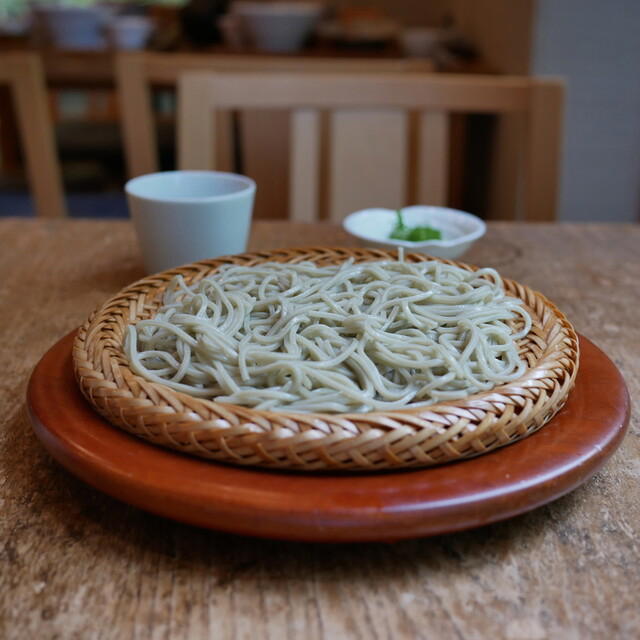
Approaching the soba houses around Fujinomiya changes the appetite before the first order. The city sits in Mount Fuji’s shadow, where spring water, cool air, and rural pacing give noodle-making a different logic from quick-turn soba shops at major stations. Here, buckwheat is not a supporting starch. It is the reason for the meal, shaped by how grain, milling, water, and handwork hold together in the bowl.
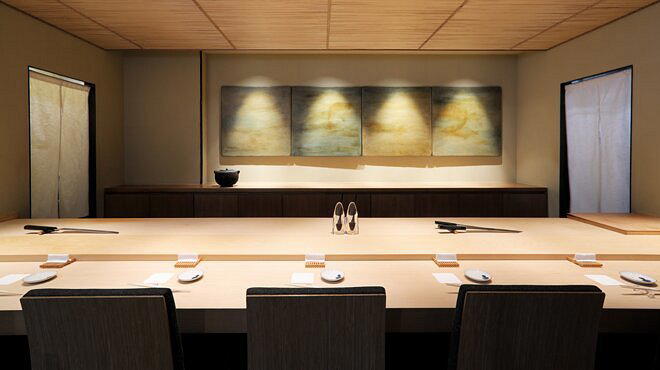
Soba no Mi Ikkanjin belongs to the quieter Japanese dining category where small scale is discipline. The 20-seat room has counter seating, tatami, and sunken seating, pointing to concentration rather than social noise. Its selection for Tabelog 100 Soba EAST 2025, after an earlier Tabelog 100 Soba selection in 2022, gives it public standing in a field where national attention often gathers around Tokyo, Nagano, and old post-town specialists. Fujinomiya is not a default stop for soba pilgrims, making the recognition more revealing: the appeal is tied to place as much as polish.
Fujinomiya soba reads through water, grain, and restraint
Ingredient sourcing is the useful lens because soba exposes shortcuts quickly. Buckwheat has little room to hide behind sauce, fat, or elaborate plating. Craft rests on flour quality, hydration, noodle thickness, and timing; even the dipping broth must support rather than dominate. In a city known for Mount Fuji access and regional comfort food, a serious soba counter shifts the local dining map from sightseeing fuel to agricultural expression.
The wider Japanese soba tradition splits between everyday utility and specialist craft. Station soba solves hunger; destination soba asks diners to notice texture, aroma, and the relationship between noodles and tsuyu. Soba no Mi Ikkanjin sits in the second camp. That does not mean formality for its own sake. It means a narrower promise: buckwheat noodles, Japanese drinks including sake and shochu, and service that rewards attention rather than expectations of a sprawling menu.
Compared with Fujinomiya’s lighter casual end, such as MILK HOUSE, this is a different decision. MILK HOUSE belongs to the low-cost, easygoing side of the city’s food culture; soba at this level asks for more patience and interest in technique. Against out-of-metro peers like Cafe & Teppan Restaurant Fujikawa or MOOSE HILLS BURGER, the distinction is not only cuisine. Teppan and burger formats put satisfaction in heat, fat, and volume. Soba puts pressure on restraint. A good meal here is measured by clarity, not abundance.
A small room suits the seriousness of handmade noodles
The physical format matters because soba loses authority as background food. A 20-seat dining room keeps the experience closer to a workshop than a hall, while the mix of counter and floor seating suits solo diners and small groups. The non-smoking policy reinforces the point: aroma matters in soba, and smoke would flatten the details that make buckwheat worth seeking out.
The restaurant’s placement inside Minshuku Toge no Chaya frames the meal in a way urban soba counters cannot. This is not restaurant-row dining and should not be approached with Ginza, Kyoto, or Shinjuku assumptions. Rural and semi-rural Japanese food culture often runs on supply, weather, and daily preparation; when noodles run out, the day can end. For travelers, that is the operating reality of a craft format based on fresh production rather than endless inventory.
That rhythm separates serious soba from many destination meals in Japan. Sushi counters ask diners to trust fish procurement and rice temperature; kaiseki asks them to read season and sequence; soba asks them to notice grain. The pleasure is quieter, and the standard less forgiving. If noodles are overworked, under-rested, or poorly matched to broth, little decoration can rescue the plate. Public recognition in the soba category therefore carries weight: it signals consistency in a cuisine where small technical errors are immediately visible.
Plan it as a craft stop, not a flexible add-on
Fujinomiya itineraries often orbit the mountain, shrines, dairy farms, and roadside views. A meal here works well placed deliberately within that rhythm, especially for travelers using the city as more than a pass-through point. Parking helps, but timing is the real issue: lunch operates without reservations, evening service is limited to reserved service on select nights, and noodle supply can end the day. The structure favors diners who treat the meal as an anchor rather than a fallback.
Families should read the format carefully. Preschool children aged 6 and under are not admitted during lunch service, making the restaurant better suited to adults, solo diners, or small groups with older children. Payment is another old-school detail: credit cards, electronic money, and QR code payments are not accepted. For a Japanese destination restaurant, that is not unusual, but it separates this experience from urban venues built around frictionless tourism.
Use the broader Fujinomiya map around the meal rather than instead of it. For restaurant planning, start with Our full Fujinomiya restaurants guide; for overnight context, see Our full Fujinomiya hotels guide. Drinking and regional extensions sit in Our full Fujinomiya bars guide, Our full Fujinomiya wineries guide, and Our full Fujinomiya experiences guide. Readers building a wider Japan dining file can cross-reference -Grilled beef Sukiyaki- KAMAKURA TANUKIAN 鎌倉 たぬき庵 in Kamakura, . 鮪と炭火焼き うお炭 秋葉原店 in Tokyo, .cafe in Osaka.know in Kumamoto, (Shoku) Vietnam in Kawasaki, [Curry Senmon Ten] Maruyama Kyoju. in Sapporo, [ki:] in Kyoto, #肉といえば松田 奈良本店 in Kashihara, 1/3 HAMBURGER FACTORY in Kanazawa, 1000 in Yokohama, Jōdo Saké Bar in Los Angeles, and Onigiri Time in Pasadena.
The editorial case for Soba no Mi Ikkanjin is simple: Fujinomiya’s food culture gains depth when buckwheat is treated as a primary ingredient rather than a side note. This is for diners who care about Japanese craft at modest scale and understand that restraint can signal more strongly than luxury cues.
At-a-Glance Comparison
Comparable venues by cuisine and price in the same metro.
| Venue | Cuisine | Price | Notes |
|---|---|---|---|
| Soba no Mi Ikkanjin | Japanese Soba | $$ | Utsuno |
| MILK HOUSE | Dairy / Gelato Shop | $ | Kitayama |
| Houtou Fudou (ほうとう不動) | Traditional Yamanashi Houtou Noodles | $$ | Fujikawaguchiko |
| Go! Go! Curry (ゴーゴーカレー) | Kanazawa Katsu Curry | $$ | Kanazawa Station |
| Saboten (新宿さぼてん) | Tonkatsu (Japanese Pork Cutlet) | $$ | Narita Airport |
| 花ぶさ | Hokkaido Sushi | $$ | 千歳市 |
Recognition history
Dated appearances from independent guides and award organizations, with the underlying list record or original source where available.
Tabelog 100 #99 · No. 99
Tabelog · Tabelog 100 - Soba - EAST - 2025
Continue exploring
More in Fujinomiya
Restaurants in Fujinomiya
Browse all →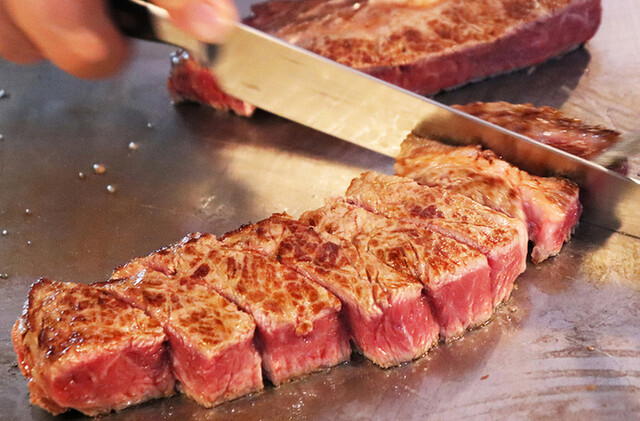
Bars in Fujinomiya
Browse all →
Hotels in Fujinomiya
Browse all →
Wineries in Fujinomiya
Browse all →

At a Glance
- Quiet
- Cozy
- Rustic
- Scenic
- Solo
- Group Dining
- Casual Hangout
- Special Occasion
- Business Dinner
- Standalone
- Sake Program
- Local Sourcing
- Mountain
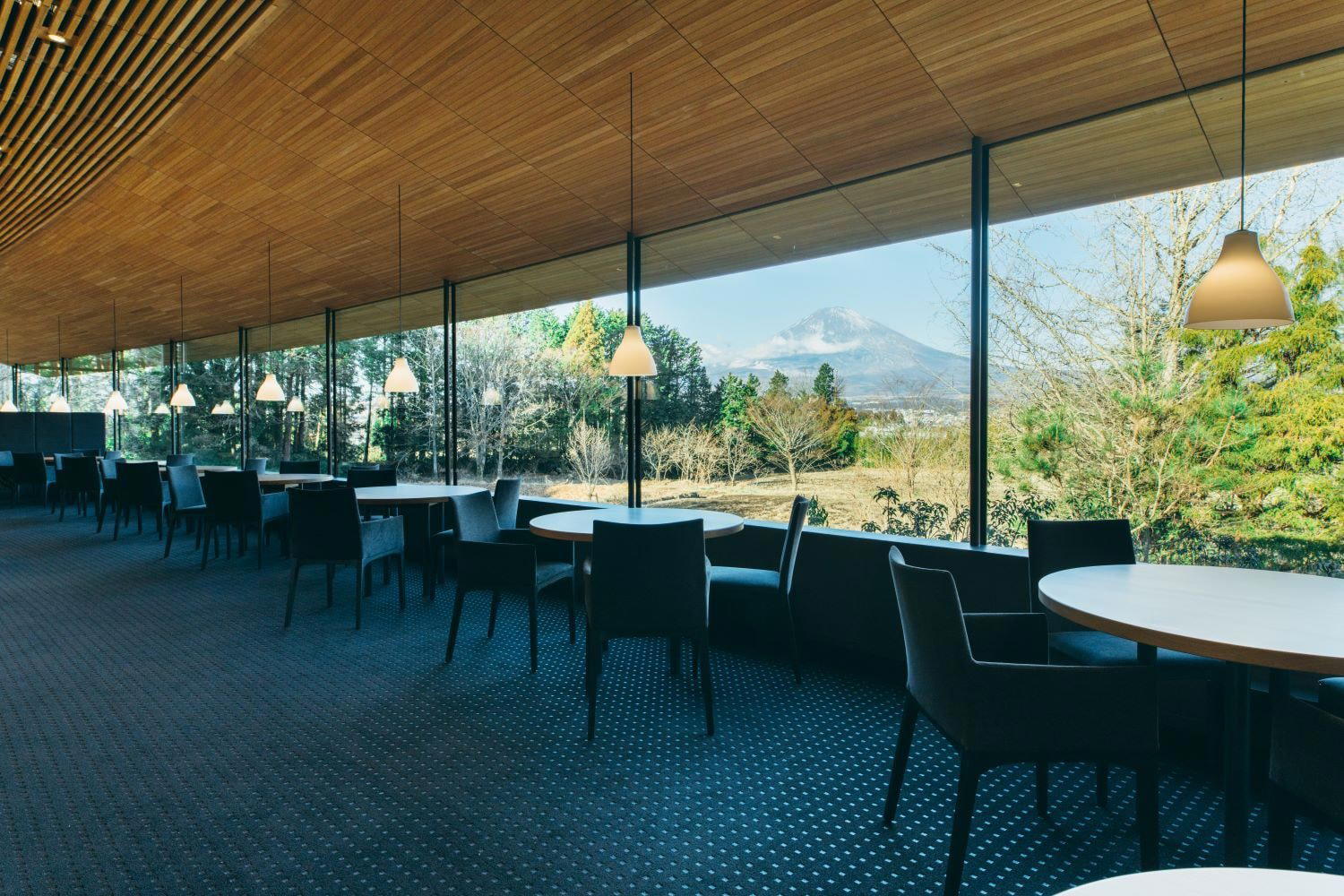
A secluded, nature-rich soba house with a hidden-gem feel; the setting is tied to Mount Fuji and described as a place to enjoy soba while looking out toward the mountain.