Smokin Yard's BBQ
On Colorado Boulevard in Idaho Springs, Smokin Yard's BBQ draws the mountain-town crowd that has just descended from the Eisenhower Tunnel or spent a morning at nearby ski terrain. The format is direct barbecue in a state where smoked meat stops along I-70 have become part of the mountain corridor's identity. Worth knowing before you go: walk-ins appear to be the norm here.
Pearl is the En Primeur Club membership app — saves, bookings, and concierge access live there. Same editors, same standards.
- Address
- 2736 Colorado Blvd, Idaho Springs, CO 80452
- Phone
- (303) 567-9273
- Website
- smokinyards.com
- Directions
- Get directions
 Saves & bookings on Pearl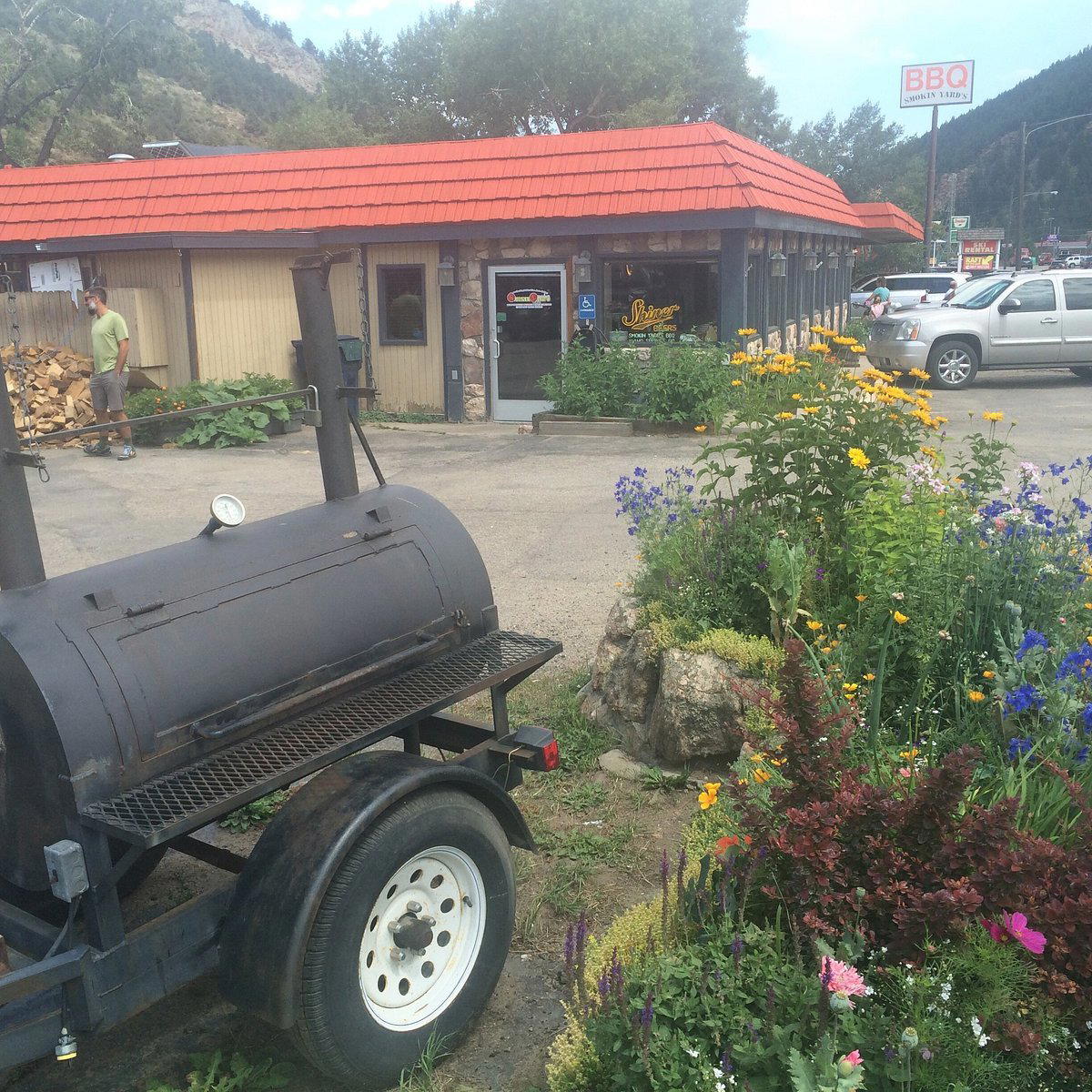
BBQ on the Mountain Corridor: What Idaho Springs Represents for Colorado's Smoked Meat Scene
The stretch of I-70 between Denver and the Continental Divide has developed its own roadside food culture, and smoked meat sits near the center of it. Idaho Springs, at roughly 7,500 feet elevation and positioned as the first meaningful mountain town west of Denver, pulls two distinct crowds: skiers and snowboarders pushing toward Summit County, and hikers and climbers arriving for the Clear Creek canyon trails. Both groups want food that delivers quickly and holds up after physical exertion. Barbecue, with its emphasis on slow-cooked protein and caloric density, fits that demand more naturally than most cuisines. Smokin Yard's BBQ operates at 2736 Colorado Blvd, the town's main commercial artery, placing it directly in the path of both traffic streams.
Across the American West, the barbecue stop at altitude has become a category in its own right, distinct from the dedicated pilgrimage pitmasters of Texas or the weekend competition circuit of the Carolinas. These mountain-route operations serve a transient audience with specific needs: fast service, generous portions, and flavors that read clearly without demanding the undivided attention of a sit-down tasting format. That context matters when placing Smokin Yard's BBQ in its proper frame. It is not competing with Lazy Bear in San Francisco or Alinea in Chicago for the attention of a diner planning months ahead. It belongs to a different and equally legitimate category: the well-placed, dependable smoke stop that earns its reputation through consistency and location intelligence rather than through Michelin recognition or tasting-menu ambition.
The Sourcing Question at Altitude: Why Where the Meat Comes From Matters Here
American barbecue traditions are inseparable from their ingredient sourcing. The craft pitmaster movement that reshaped perceptions of smoked meat over the past two decades did so largely by reconnecting regional smoke traditions with regionally appropriate breeds, feed regimens, and cut selections. Texas brisket culture made Central Texas beef producers integral to the story. The Carolinas never abandoned their heritage pork operations. What that movement demonstrated, broadly, is that the quality of smoked meat is not primarily a question of technique alone. Technique amplifies the raw material but cannot rescue an inferior one.
For a Colorado mountain operation, sourcing signals carry particular weight. The state has a documented cattle and pork heritage, with Eastern Plains beef producers and a network of smaller diversified farms that supply regional markets. Whether Smokin Yard's BBQ sources locally or draws from broader distribution channels is not confirmed. The properties of high-altitude smoking also differ from sea-level conditions: lower atmospheric pressure affects combustion, airflow through a smoker, and the rate at which smoke penetrates protein. A pitmaster working consistently at 7,500 feet is working with different variables than one operating in Memphis or Kansas City. That practical reality is part of what gives mountain barbecue its own identity, distinct from the traditions it draws on.
Blue Hill at Stone Barns in Tarrytown has made ingredient provenance the organizing logic of its entire format. Single Thread Farm in Healdsburg operates its own farm as a direct supply chain for the kitchen. Those examples sit at the formal end of the spectrum, but the underlying principle applies across price tiers: knowing where the protein comes from, and caring about the answer, is what separates a deliberate barbecue program from a generic one. Colorado's regional context gives an operation like Smokin Yard's BBQ a real opportunity to participate in that conversation at its own scale.
Idaho Springs in the Colorado Dining Network
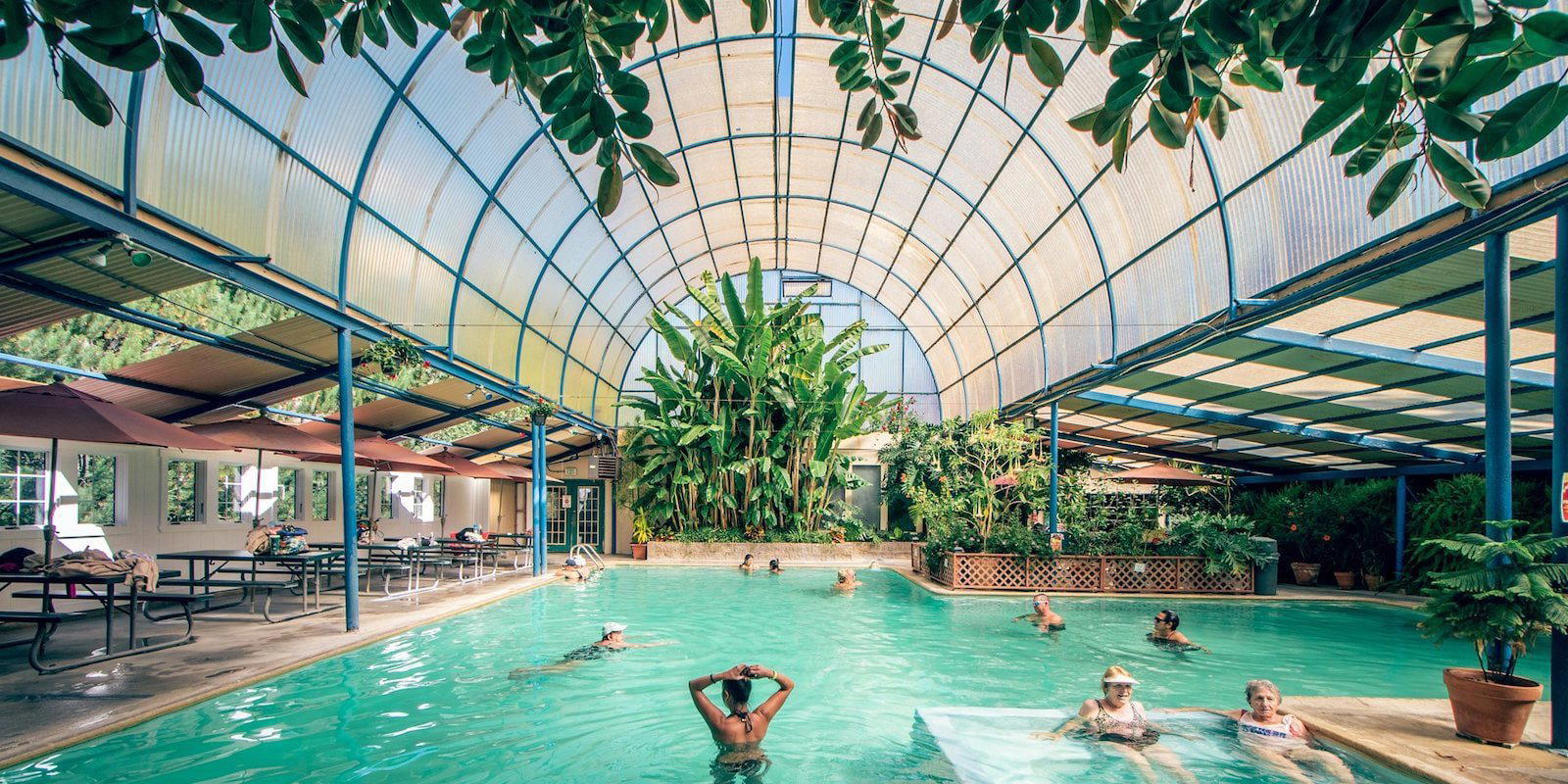
Colorado's dining conversation tends to concentrate in Denver and Boulder, with Clear Creek County often functioning as a pass-through rather than a destination in its own right. In Denver, restaurants like Brutø and Frasca Food & Wine in Boulder represent the state's more formal culinary ambitions. Idaho Springs operates in a different register entirely, and that is not a limitation. The mountain corridor town has its own character: mining-era architecture along Colorado Boulevard, a hot springs tradition, and a visitor population that arrives with appetite and limited time to spend on reservation logistics.
That demographic shapes what works here. Counter service, generous pours of smoke, and sides that function as meals in themselves are the right product for a town where people are often still in their hiking boots. The format also tends to be walk-in by convention, which suits the spontaneous nature of mountain-day eating. Travelers who have planned ahead for a formal dinner might be considering The French Laundry in Napa or Le Bernardin in New York City for those occasions. Idaho Springs calls for a different orientation: show up, order off the board, and eat while it is still warm from the smoker.
Addison in San Diego, Providence in Los Angeles, and Bacchanalia in Atlanta each represent American regional cooking at a different scale and level of formality. Understanding where the restaurant sits relative to those references clarifies what kind of experience it is actually delivering, and why that experience has its own validity on its own terms.
Planning Your Visit
Idaho Springs sits approximately 35 miles west of Denver via I-70, making it a practical stop in either direction on a mountain day. The town is small enough that parking on Colorado Boulevard is generally accessible without significant difficulty. Walk-in service is the expected mode. Hours are Mon through Thu 11 AM to 8 PM, Fri and Sat 11 AM to 9 PM, and Sun 11 AM to 8 PM. Families with children fit naturally into the casual, counter-service atmosphere that characterizes this category of operation. The price point is around $20 per person, making it a practical option for groups.
In Context: Similar Options
Comparable venues nearby, for context on price, style, and recognition.
| Venue | Cuisine | Price | Notes |
|---|---|---|---|
| Smokin Yard's BBQThis venue — the venue you are viewing | High Elevation Barbecue | $$ | Not listed |
| The Original | Modern American Neighborhood Eatery | $$ | Ballpark |
| Holey Moley - Denver | American Gastropub with Mini Golf | $$ | Ballpark |
| Brothers BBQ | Classic American BBQ | $$ | Washington Virginia Vale |
| The Stillery | American Comfort Food | $$ | Westminster |
| Punch Bowl Social | American Comfort with Entertainment | $$ | Baker |
Continue exploring
More in Idaho Springs
Restaurants in Idaho Springs
Browse all →
Bars in Idaho Springs
Browse all →
At a Glance
- Rustic
- Cozy
- Lively
- Family
- Casual Hangout
- Group Dining
- Open Kitchen
- Beer Program
- Mountain
Current opening hours
- Monday
- 11 AM–8 PM
- Tuesday
- 11 AM–8 PM
- Wednesday
- 11 AM–8 PM
- Thursday
- 11 AM–8 PM
- Friday
- 11 AM–9 PM
- Saturday
- 11 AM–9 PM
- Sunday
- 11 AM–8 PM
Hours can change for holidays and private events. Last verified .
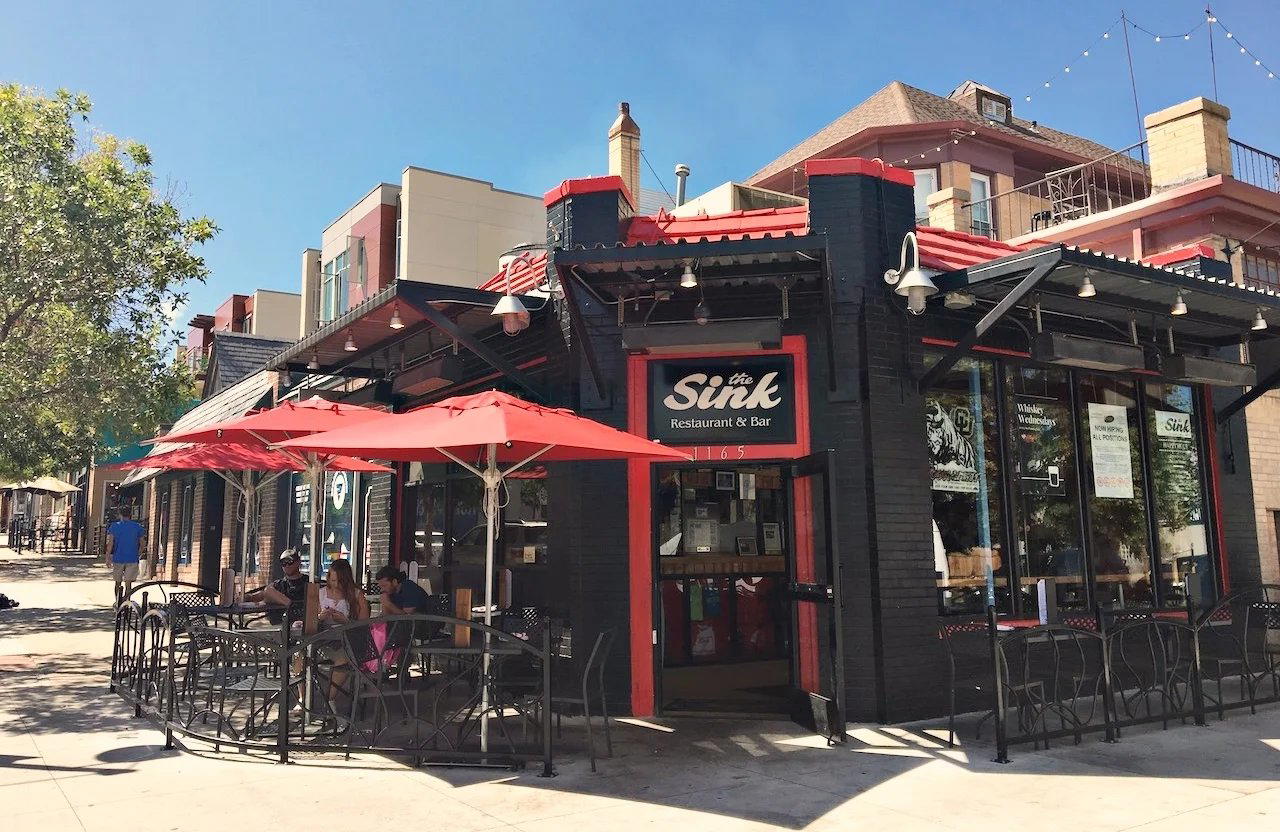
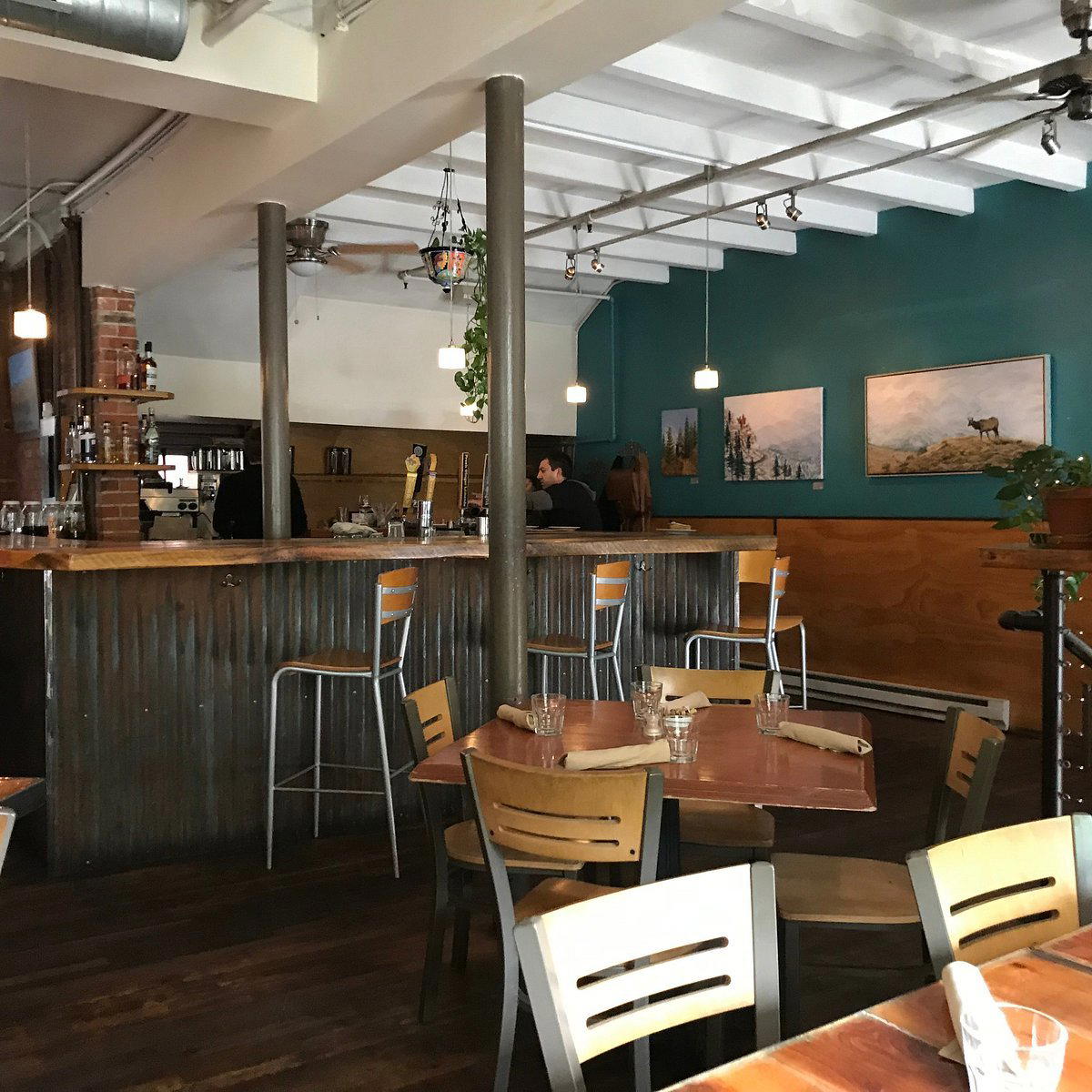
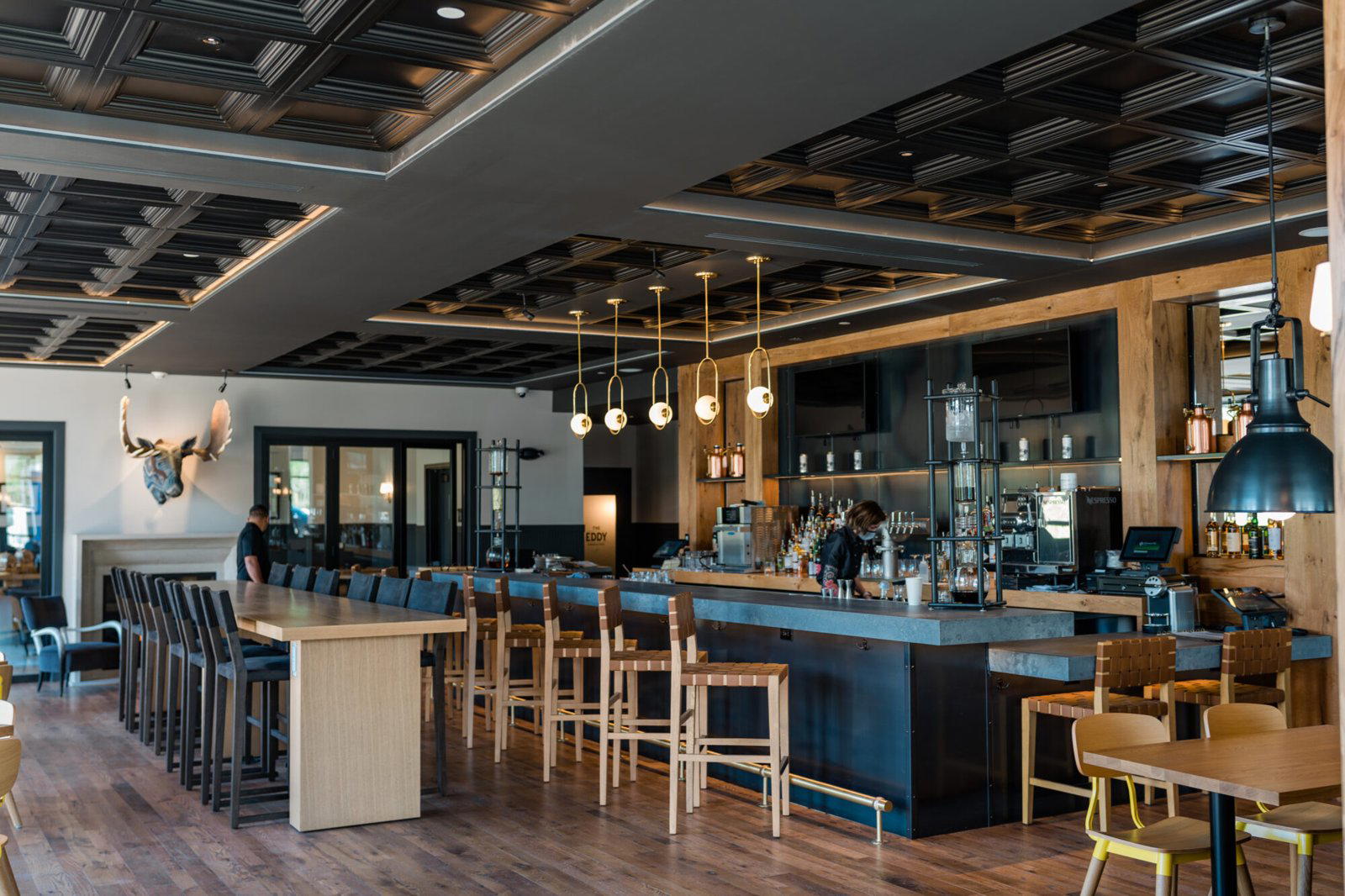
Casual, relaxed atmosphere with country music, picnic-style seating, and a chill mountain-town vibe.