Indian Hot Springs
Indian Hot Springs in Idaho Springs, Colorado occupies a category that blends historic mineral bathing with mountain lodging, drawing visitors from Denver's Front Range corridor who want geothermal access without the resort-scale infrastructure of larger spa destinations. The property at 302 Soda Creek Road sits within a town whose hot spring geology has been in use since the 19th century, placing it inside one of the American West's older thermal traditions.
Pearl is the En Primeur Club membership app — saves, bookings, and concierge access live there. Same editors, same standards.
- Address
- 302 Soda Creek Rd, Idaho Springs, CO 80452
- Phone
- +1 303 989 6666
- Website
- indianhotsprings.com
- Directions
- Get directions
 Saves & bookings on Pearl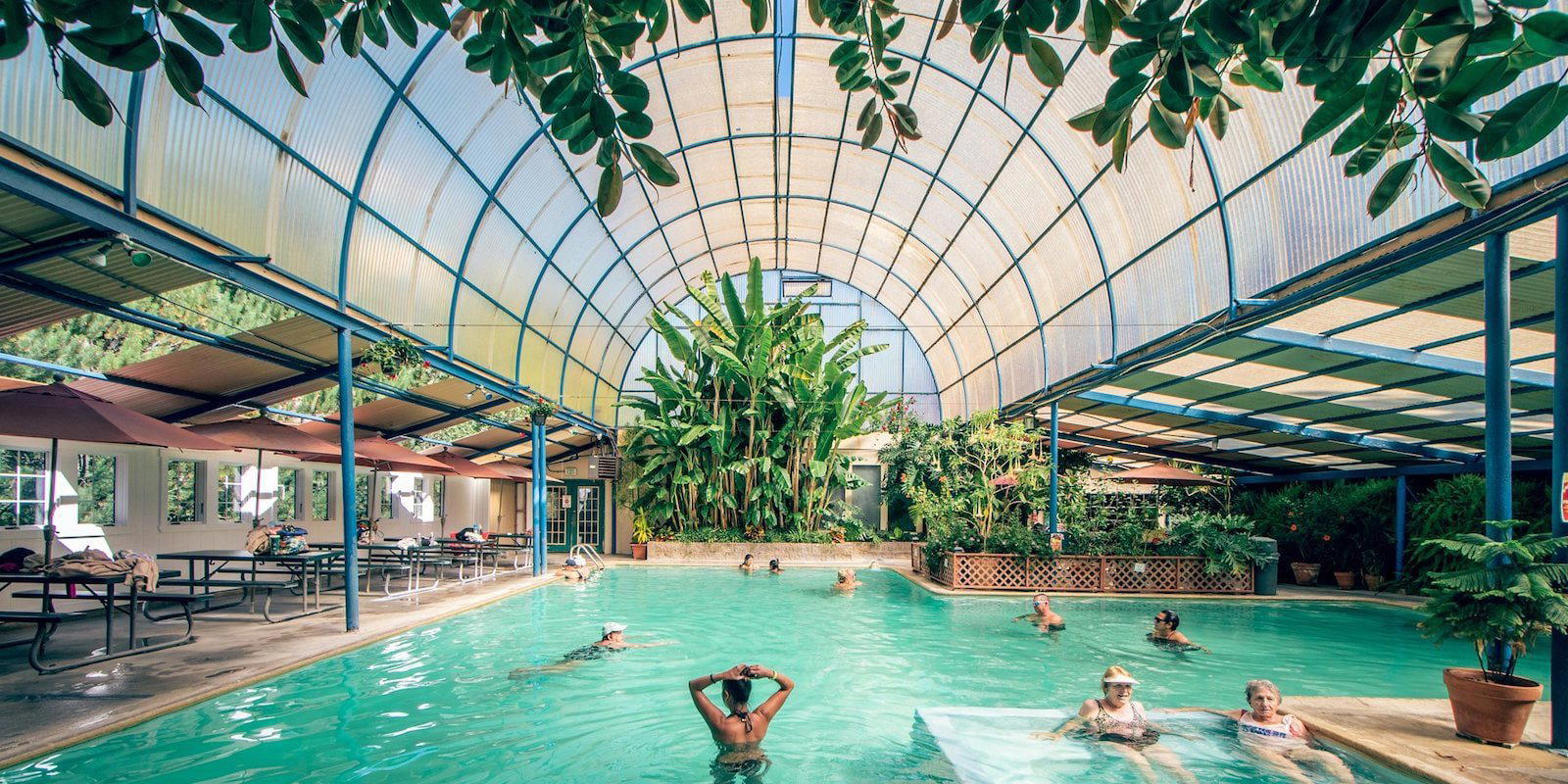
Where the Mountain Ground Meets the Architecture of Thermal Bathing
Indian Hot Springs is a hotel in Idaho Springs, Colorado, at 302 Soda Creek Rd. The approach to Indian Hot Springs along Soda Creek Road in Idaho Springs, Colorado, frames the experience before you have stepped inside. Clear Creek canyon walls rise on either side, the elevation sitting around 7,500 feet, and the smell of mineral water reaches you before any building does. This is thermal bathing in its western American form: not a spa hotel grafted onto a resort campus, but a site where the geology itself determined what would be built and how it would function. The architecture at Indian Hot Springs has always followed the water, not the other way around.
Idaho Springs sits roughly 35 miles west of Denver on Interstate 70, which places it in a different category from the high-altitude resort towns further into the Rockies. It is accessible without a ski-town price premium, close enough to the Front Range for day visits, yet far enough into the mountains that the setting carries genuine weight. That positioning has defined what the hotel has become: a thermal facility with deep historical roots that serves both local regulars and visitors making the drive from Denver or Boulder.
The Physical Logic of a Geothermal Site
Thermal springs properties occupy a specific design logic that sets them apart from conventional spa resorts. The layout must accommodate the geothermal source, which at the hotel means the natural spring-fed water determines where pools are placed, how structures are oriented, and what materials are used. Properties built around active geothermal sources tend to carry an architectural layering that reflects their history: additions and modifications accumulate over decades rather than arriving in a single design statement. The hotel, which has operated on this site for well over a century, shows that layering.
That historical depth connects the property to a tradition of thermal bathing that predates European settlement in Colorado. Indigenous communities had recognized the medicinal and restorative properties of these springs long before the town of Idaho Springs incorporated. The 19th-century mining era brought the first commercial development of the site, and successive owners added structures as thermal tourism evolved from rougher frontier accommodation into the more organized spa format that guests encounter today. The result is a property whose physical form reads as a document of that evolution rather than a clean contemporary design.
For comparison, purpose-built thermal resorts with a unified architectural vision, like Amangiri in Canyon Point, or landscape-integrated properties such as Ambiente, A Landscape Hotel in Sedona, start from a single design premise and execute against it consistently. The hotel operates in an older idiom where utility, geology, and incremental adaptation have shaped the built environment across generations. Both approaches produce distinctive places; they just produce different kinds of distinction.
The Draw: Thermal Water as the Central Amenity
At its core, the hotel offers something that purpose-built luxury resorts typically cannot replicate regardless of budget: natural geothermally heated water emerging from the earth at this specific location. The springs feed pools and facilities on site, and that geological fact anchors the property's identity more firmly than any design intervention could. Thermal springs of this type are geographically fixed assets, which is why properties built around them tend to accumulate loyal repeat visitors who return specifically for the water rather than for the accommodation format or food program.
The Colorado Rockies have a modest but coherent thermal springs circuit. Properties along this circuit serve a different traveler than the ski resort or ranch lodge segment. The visitor profile leans toward those seeking restoration over activity programming, and the pricing structures of thermal springs properties have historically reflected more democratic access than high-end mountain lodges. That accessibility has always been part of the identity at the hotel, distinguishing it from the invitation-only or allocation-based luxury tier represented by properties like Amangani in Jackson Hole or the all-inclusive estate model of Blackberry Farm in Walland.
For travelers drawn to wellness-focused mountain properties with a wellness-first orientation in the American West, the comparison set also includes Canyon Ranch Tucson in Tucson and, at a different scale and geography, Post Ranch Inn in Big Sur. These properties invest heavily in program design and contemporary amenity; the hotel invests in the source itself. The distinction matters when making a booking decision.
Idaho Springs in Context
The town of Idaho Springs is not a resort town in the conventional sense. It has the infrastructure of a historic mining community rather than a purpose-built tourism destination, which means it operates with more authentic texture and fewer curated edges than Aspen or Breckenridge. The main street retains local commerce alongside visitor-oriented businesses, and the surrounding Clear Creek valley offers outdoor access through hiking, rafting, and the Echo Lake road up to Mount Evans.
The combination of proximity to Denver, genuine mountain altitude, and an operating geothermal springs facility makes Idaho Springs a credible alternative to the longer drives required to reach comparable thermal experiences in Colorado. Properties like Sage Lodge in Pray in Montana or Alpine Falls Ranch in Superior serve comparable regional markets from their respective states, each anchored by a specific natural asset that defines the property's identity in the way the springs define the hotel.
Planning Your Visit
The hotel is located at 302 Soda Creek Rd, Idaho Springs, CO 80452, and reached via Interstate 70 westbound from Denver, with the Idaho Springs exit placing you minutes from the property. Peak visitation runs through summer weekends and holiday periods when Front Range day-trippers combine the drive with outdoor recreation in the canyon; weekday visits and shoulder-season timing in spring or late fall typically offer more space at the pools and simpler parking. For travelers pairing the stop with a longer Colorado mountain itinerary, the property works as a one-night stay or a half-day thermal experience depending on what the schedule allows.
At-a-Glance Comparison
Comparable venues nearby, for context on price, style, and recognition.
| Venue | Cuisine | Price | Notes |
|---|---|---|---|
| Indian Hot SpringsThis venue — the venue you are viewing | historic family-run resort | $$ | Not listed |
| Amigo Motor Lodge | Renovated mid-century motor lodge with contemporary comforts. | $$ | Salida |
| The Eddy Taproom & Hotel | Industrial-inspired boutique hotel evoking Golden's mining and brick-making history with modern adventure-ready amenities. | $$$ | Historic Golden |
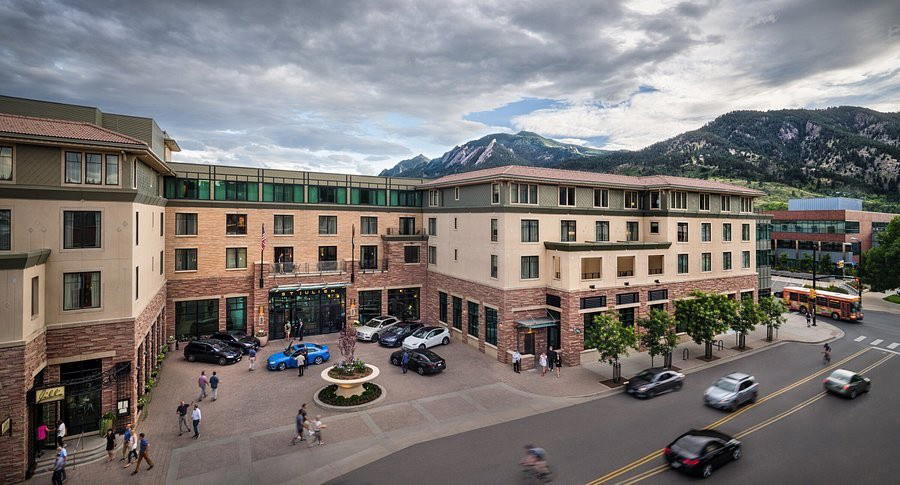
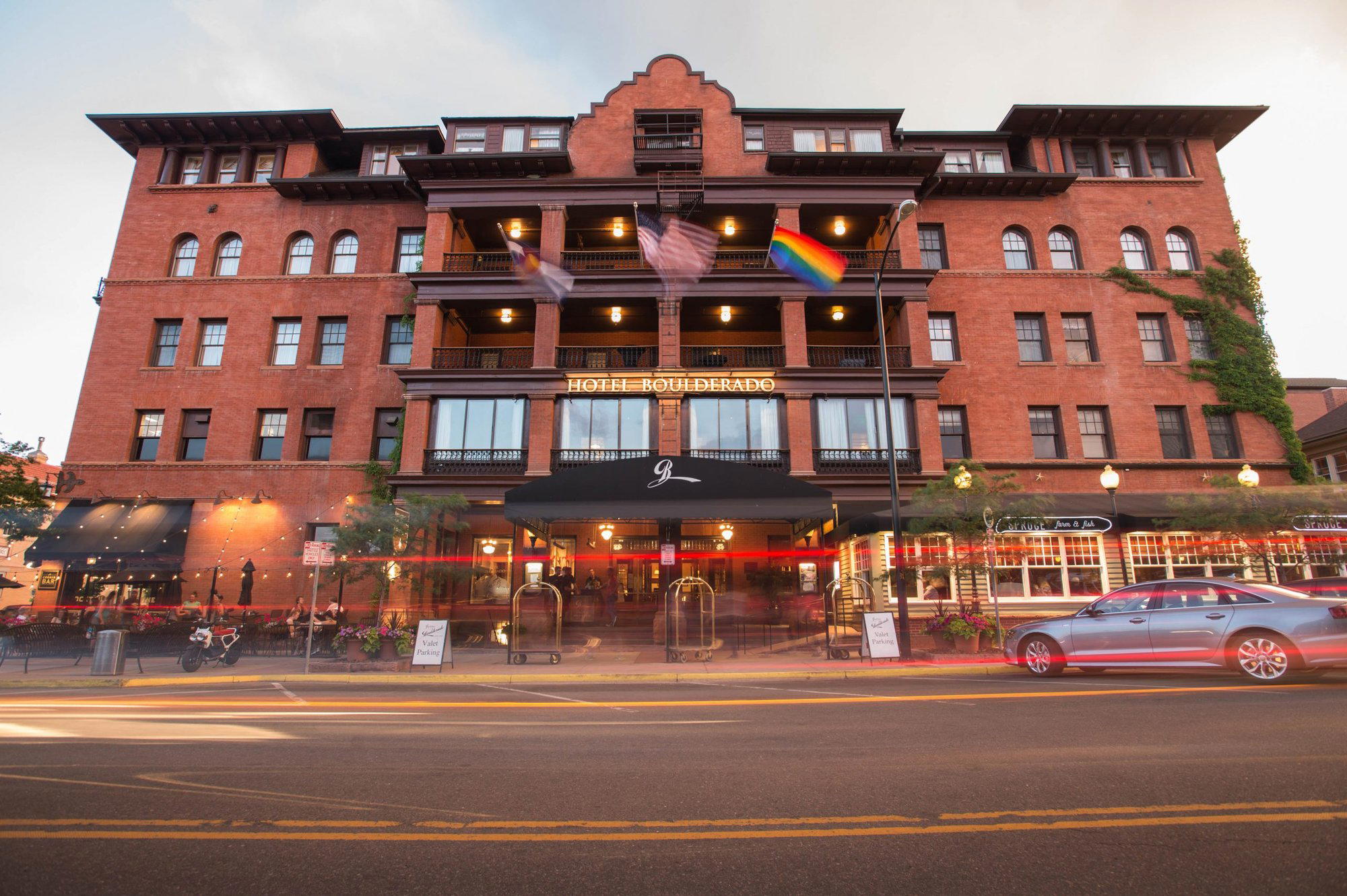
| Hotel Boulderado | Historic luxury hotel blending Victorian heritage with contemporary mountain elegance | $$$ | Central Boulder |
| Strawberry Park Natural Hot Springs | rustic natural hot springs resort with basic cabins and campsites | $$ | Strawberry Park |
| Viceroy Snowmass | luxury ski-in ski-out residences blending modern comfort with mountain nature | $$$$ | Snowmass Village |
Continue exploring
More in Idaho Springs
Hotels in Idaho Springs
Browse all →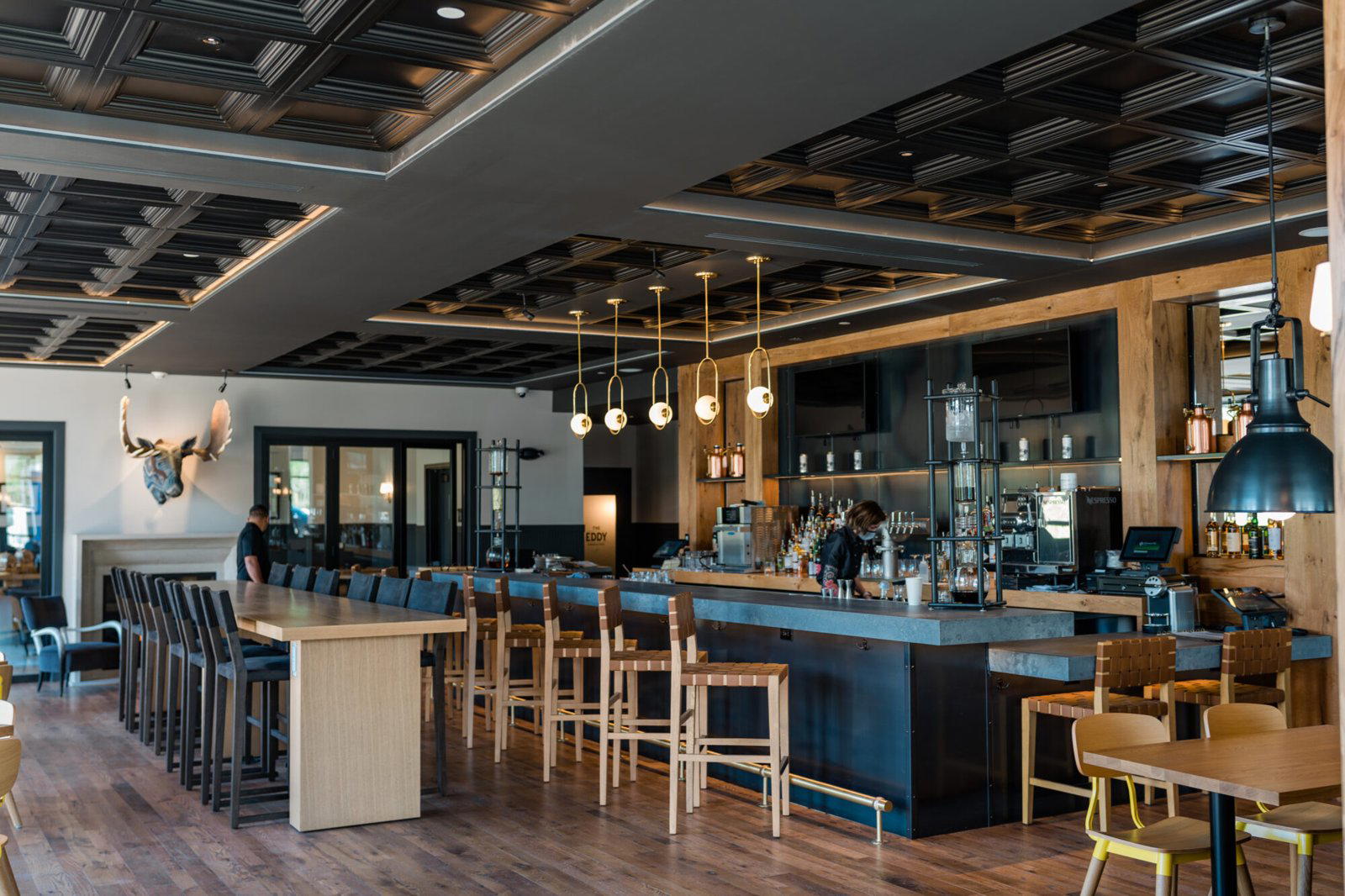
Bars in Idaho Springs
Browse all →

At a Glance
- Cozy
- Rustic
- Scenic
- Romantic
- Romantic Getaway
- Wellness Retreat
- Weekend Escape
- Destination Spa
- Pool
- Spa
- Mountain
- Pool
- Spa
Relaxing botanic atrium with turquoise mineral-water pool surrounded by banana trees.