Bread Bar
Bread Bar occupies a small storefront on Silver Plume's Main Street, a former mining town that sits at nearly 9,000 feet in Colorado's Clear Creek Canyon. The bar operates inside a community that most visitors pass through rather than stop in, which gives it a character shaped more by its remote setting than by any urban cocktail trend. For those who do stop, it represents an unexpected point of craft in a town of fewer than 200 residents.
Pearl is the En Primeur Club membership app — saves, bookings, and concierge access live there. Same editors, same standards.
- Address
- 1010 Main St, Silver Plume, CO 80476
- Website
- breadbarsp.com
- Directions
- Get directions
 Saves & bookings on Pearl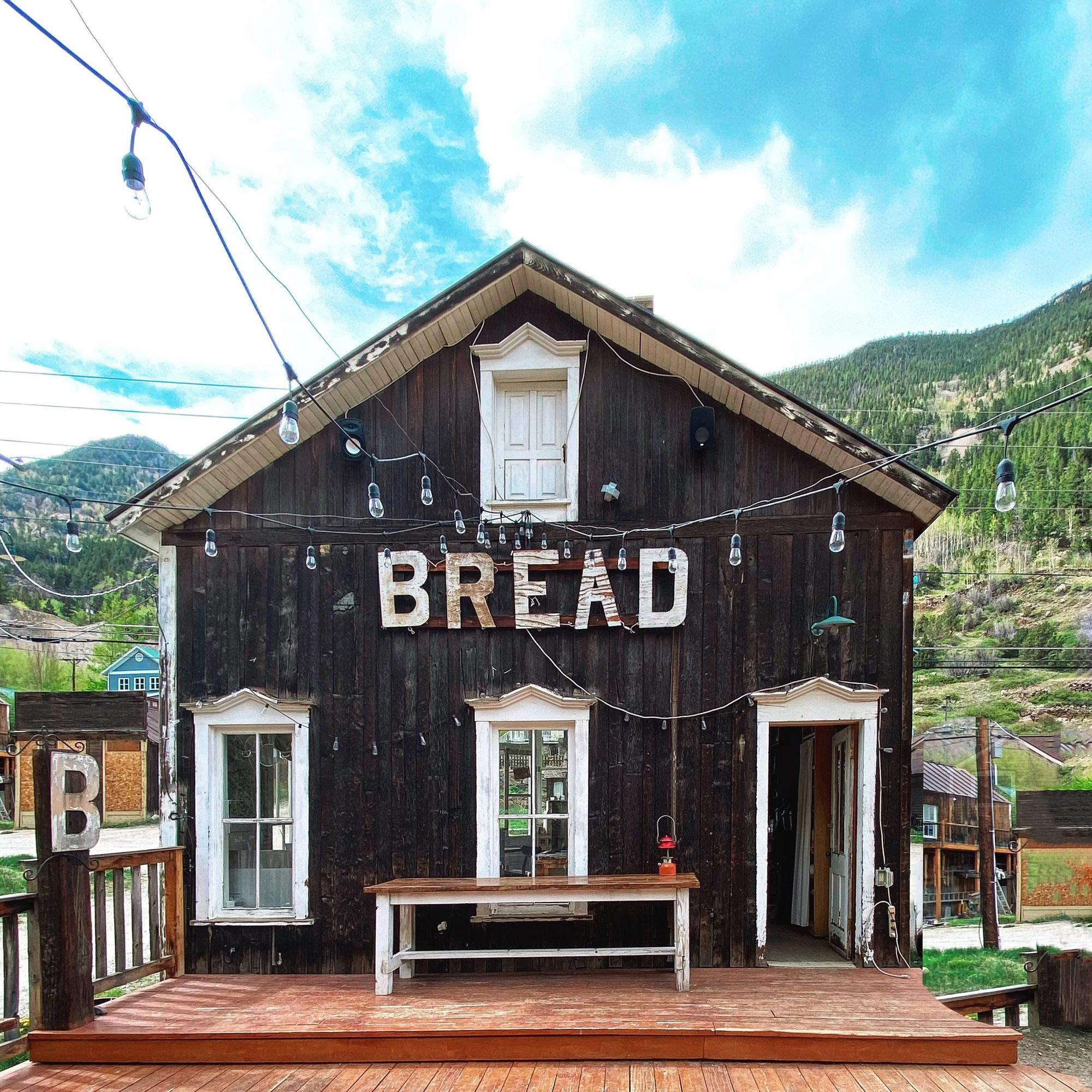
High-Altitude Drinking, Off the Interstate
Silver Plume sits at 9,094 feet above sea level along Interstate 70, roughly an hour west of Denver and a few miles past the more tourist-familiar Georgetown. Most cars don't stop. The town's permanent population hovers under 200, its Victorian-era buildings mostly intact from the silver boom that ended in the 1890s, and the atmosphere on Main Street runs somewhere between preserved and quietly forgotten. That specific tension — altitude, history, isolation — is the context in which Bread Bar operates, and it shapes what a bar in this location can be more than any menu decision does.
Bars at high altitude in small Colorado mountain towns occupy a different category from their urban counterparts. The reference points aren't the technically-driven programs at places like Kumiko in Chicago or the encyclopedic spirits collections at Canon in Seattle. The community bar in a remote western town answers to different demands: a local population that uses it as a social anchor, a transient visitor population passing through on the highway, and a physical environment that makes supply chains and staffing genuinely complicated. Understanding Bread Bar means understanding that category first.
The Setting on Main Street
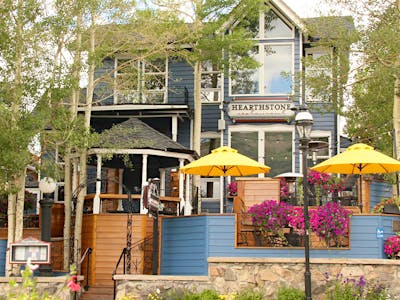
The address, 1010 Main St, places Bread Bar at the core of Silver Plume's short commercial strip. The town is a National Historic District, which means the streetscape retains much of its late-19th-century character: narrow lots, low-slung storefronts, a scale designed for foot traffic rather than automobiles. Approaching the bar means walking through a block that reads more like a film set than a functioning commercial district, which is either charming or disorienting depending on what you expected to find at this elevation.
At nearly 9,000 feet, the physical experience of drinking is different before a single glass arrives. Alcohol absorbs faster, dehydration is an ongoing background condition, and the air outside is thin enough that a short walk from a parked car registers. Bars that operate seriously at altitude factor this into how they build a program, whether through lower-ABV options, water service, or pacing that slows the round. Urban cocktail programs in cities like ABV in San Francisco or Allegory in Washington, D.C. don't carry that variable. Here, it's a baseline consideration.
What a Cocktail Programme Looks Like at the Margins
The craft cocktail movement that reshaped American bar culture over the past two decades concentrated its energy in dense urban markets. The bars that defined the era's technical standards, clarified drinks, house-made amari, precise dilution protocols, built their reputations in cities with the population density to support a $20 cocktail and the culinary infrastructure to supply specialty ingredients. Programs at places like Bar Leather Apron in Honolulu, Jewel of the South in New Orleans, and Superbueno in New York City operate within tight urban supply and staffing ecosystems that make ambitious programming logistically viable.
A bar in Silver Plume exists outside that infrastructure almost entirely. The nearest significant city is Denver, an hour's drive east and 3,000 feet lower. What this means in practice for a cocktail program is that sourcing decisions are constrained, the customer base is mixed between regulars who want familiar pours and travelers who stumbled off the highway, and the bar's identity has to be legible to both groups simultaneously. That's a harder editorial problem than it appears. Bars like Julep in Houston or Bitter and Twisted in Phoenix operate in markets where a defined creative identity can be communicated and sustained. In a town of 200 at altitude, the program has to be more pragmatic.
The name itself, Bread Bar, suggests a dual identity, likely food alongside drinks, which is a common structural choice for small-town establishments that need revenue diversification to stay viable. A bar that also serves food, or a bakery that also pours drinks, covers more of the local community's needs and spreads fixed costs across multiple service types. Whether that dual identity here leans toward the bread side or the bar side, and how the cocktail program is positioned within it, is information the venue's public record doesn't yet supply in detail.
Placing It in the Regional Picture
Colorado's bar and cocktail scene has developed genuine depth in Denver and Boulder over the past decade, with a secondary tier emerging in mountain resort towns like Aspen, Telluride, and Vail, where visitor spending supports more ambitious pricing and programming. Silver Plume sits outside both of those tiers. It's not a resort town, there's no ski area attached, no luxury hotel ecosystem, no convention trade. It's a small historic settlement that retains character precisely because it didn't develop in the direction those other mountain towns did.
That position is interesting rather than limiting for the right kind of traveler. Those driving the I-70 corridor between Denver and the ski areas pass Silver Plume on every trip without stopping. The bar at 1010 Main St sits just off that corridor, accessible but not on the obvious itinerary. For readers consulting our full Silver Plume restaurants guide, the context matters: this is a town where the options are few and the atmosphere is specific, which makes individual venues carry more weight than they would in a city with competing alternatives.
Internationally, small-town bars that operate in similarly isolated settings, like The Parlour in Frankfurt on the Main or Bar Kaiju in Miami, each solve their context differently. The common thread is that a bar's identity in a constrained market is shaped more by who it serves daily than by any aspirational creative program. The regulars set the baseline; the passing visitors layer onto it.
Planning a Visit
Silver Plume is reached via Exit 226 on I-70, a quick detour from the interstate that adds only a few minutes to any drive along the corridor. The town is compact enough that 1010 Main St is reachable on foot from anywhere in the commercial district. Given the absence of confirmed hours and booking information in the public record, treating a visit as opportunistic rather than planned is the practical approach: check in as you pass through rather than building an itinerary around it. The altitude factor is worth taking seriously regardless of how long you plan to stay; arriving hydrated and pacing drinks is sound advice at any bar above 8,000 feet, and Silver Plume clears that threshold by a full thousand feet.
Continue exploring
More in Silver Plume
Bars in Silver Plume
Browse all →
Restaurants in Silver Plume
Browse all →
Hotels in Silver Plume
Browse all →
Wineries in Silver Plume
Browse all →
At a Glance
- Rustic
- Cozy
- Historic
- Intimate
- Casual Hangout
- Date Night
- Historic Building
- Seated Bar
- Outdoor Terrace
- Craft Cocktails
- Whiskey
- Mountain
Current opening hours
- Monday
- Closed
- Tuesday
- Closed
- Wednesday
- Closed
- Thursday
- Closed
- Friday
- 2–10 PM
- Saturday
- 2–10 PM
- Sunday
- 12–6 PM
Hours can change for holidays and private events. Last verified .
Vintage-chic mountain bar with historic decor, community chatter, and a laid-back high country atmosphere.
Know Before You Go
- Getting there
- 1010 Main St, Silver Plume, CO 80476