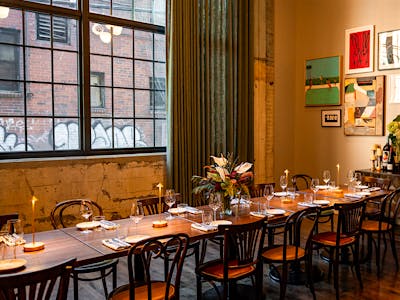
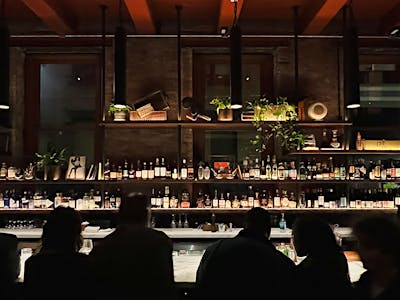
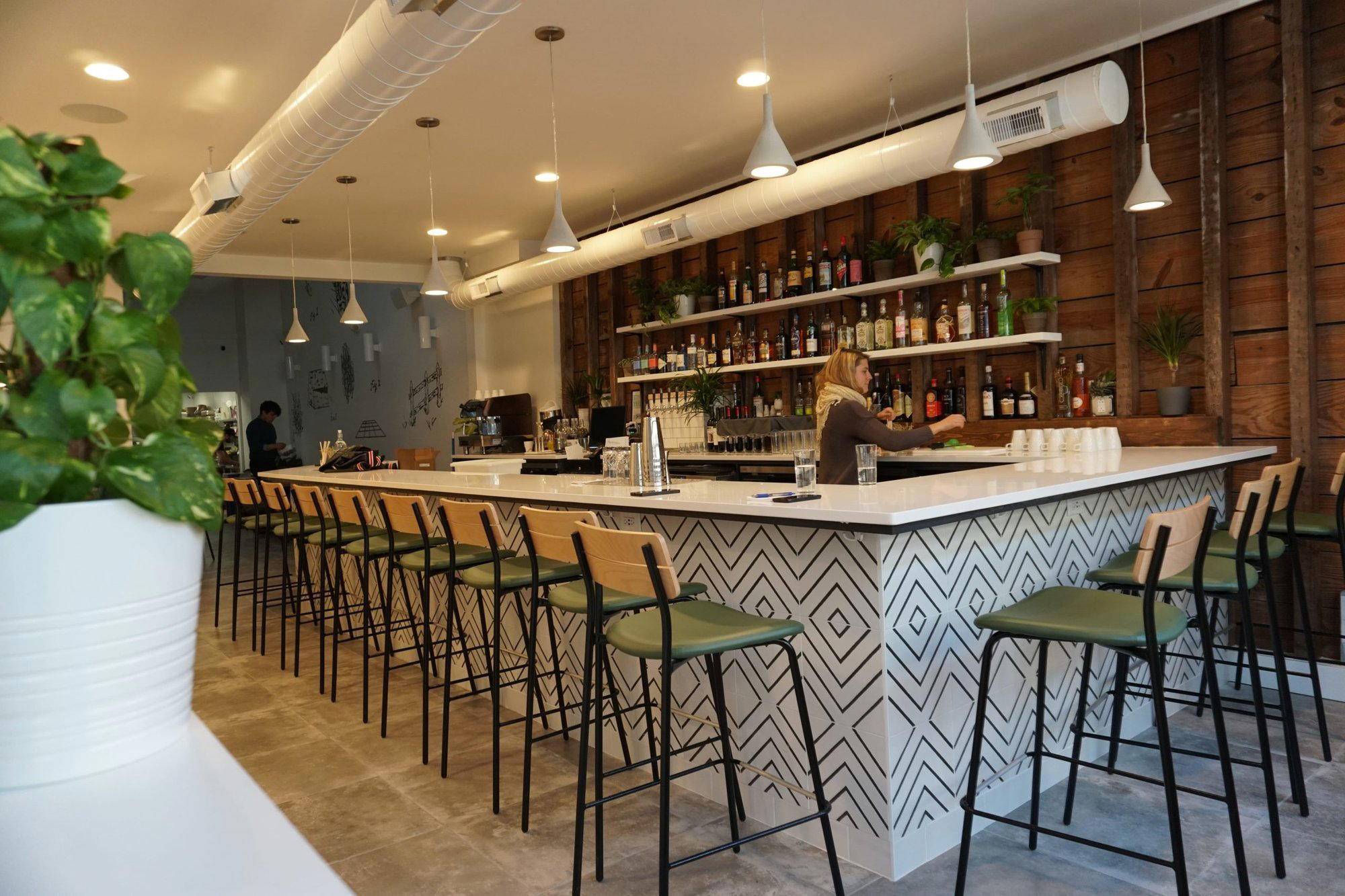
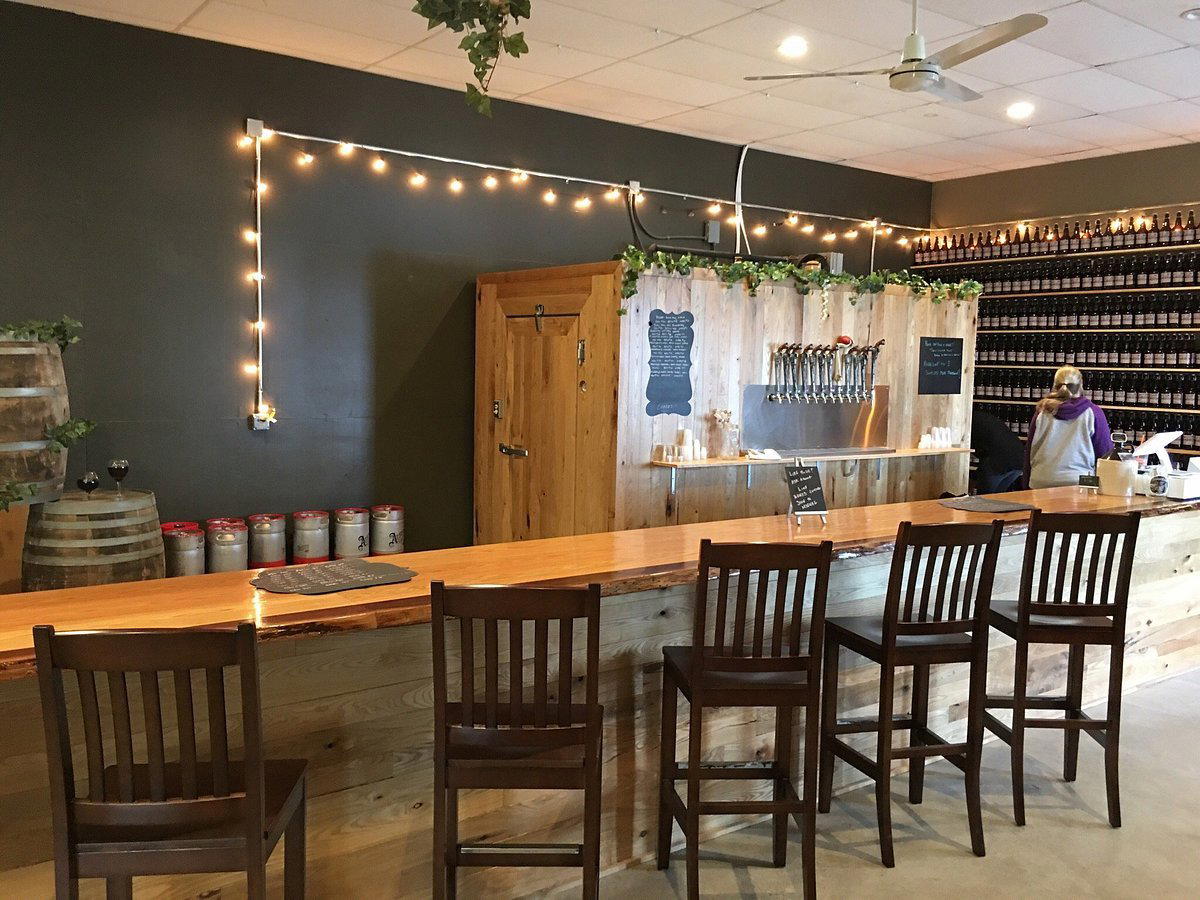
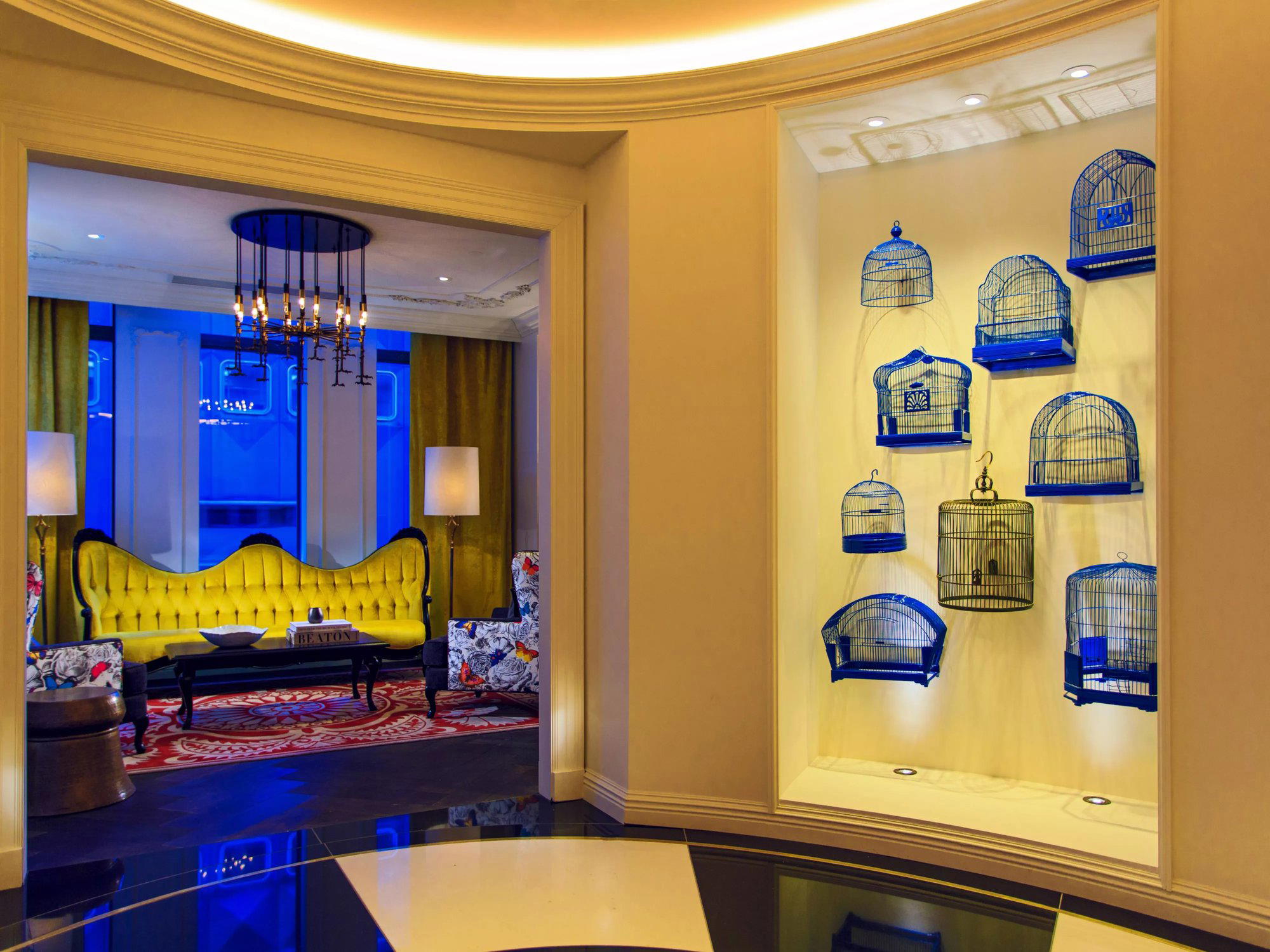
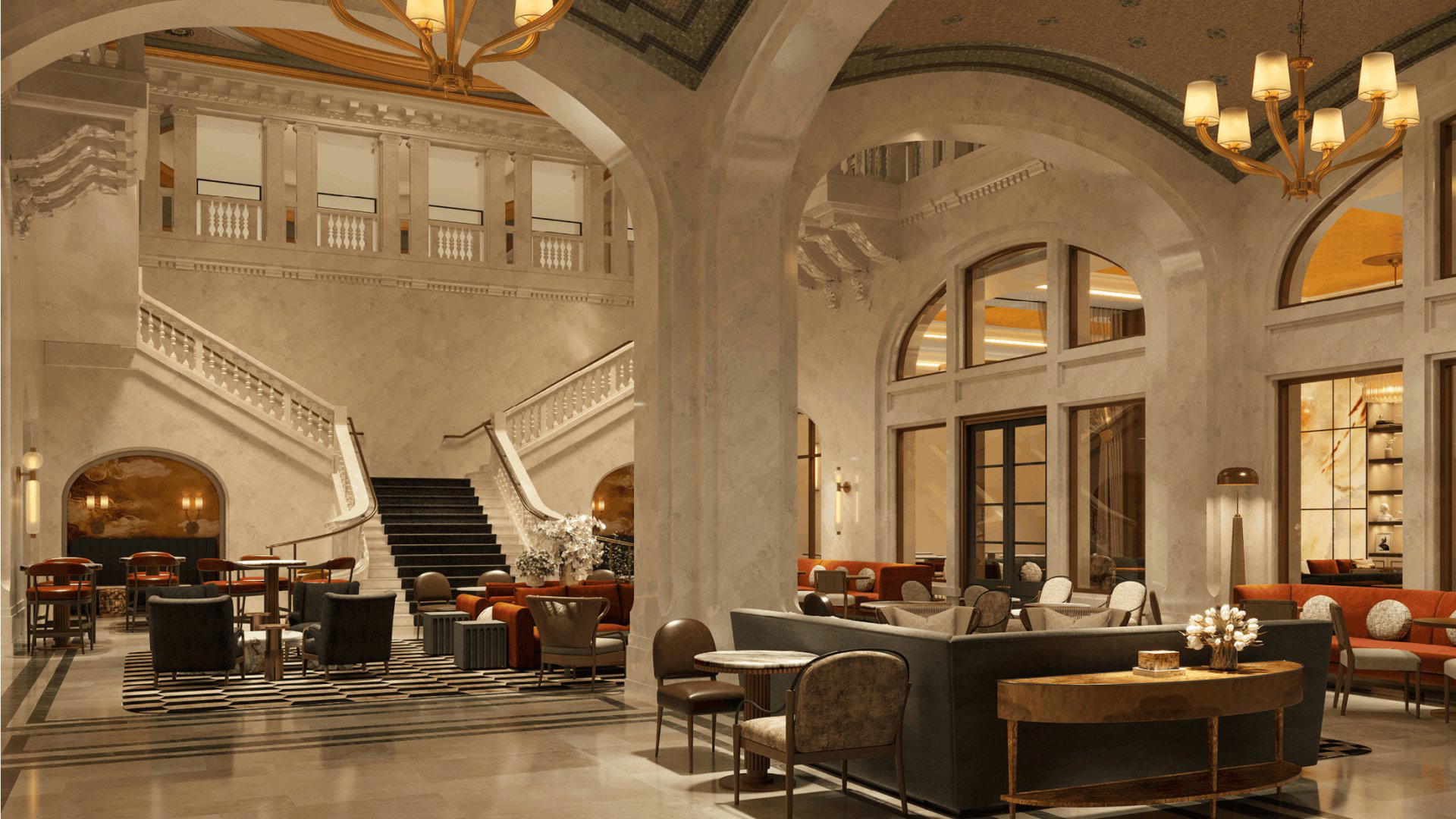
In cities with established barbecue or fire-cooking cultures — Nashville's wood-smoke houses, the open-hearth programs in Brooklyn, the Argentine-influenced parillas that have appeared in Chicago, the spatial vocabulary has converged around a few recognizable templates. Pittsburgh's interpretation has been slower to codify, which gives operators like SMOKE a degree of latitude that their counterparts in more saturated markets no longer have. Lawrenceville's building stock tends toward the industrial repurposed: high ceilings, generous floor plates, brick or concrete surfaces that can take heat and texture without demanding the kind of finish-out that downtown restaurant spaces require. That context shapes what a fire-forward room can look and feel like here.
Approached from Butler Street, the 4115 address sits in a stretch where the sidewalk becomes the transition zone between whatever is happening outside and the contained world of the dining room. The physical approach to a fire-cooking restaurant carries more sensory information than it does for most other formats, the smell of wood or charcoal reaches the street before any signage does, and that ambient signal does a great deal of the work of establishing what kind of experience is ahead.
Pittsburgh's Fire-Cooking Position in a Wider Conversation
Nationally, wood-fire and smoke-driven cooking has bifurcated. On one end, you have technically elaborate open-hearth programs at tasting-menu restaurants: places like Smyth in Chicago, where live fire is one component of a broader modernist framework, or Single Thread Farm in Healdsburg, where the sourcing philosophy subordinates any single technique. On the other end, you have honest, high-volume barbecue operations where the smoke is the point and the setting is purely functional. Between those poles, a smaller category of operators has tried to hold both registers at once: serious enough about technique to attract food-literate diners, but grounded enough in the tradition to avoid the preciousness that can undercut fire-cooking when it gets over-designed.
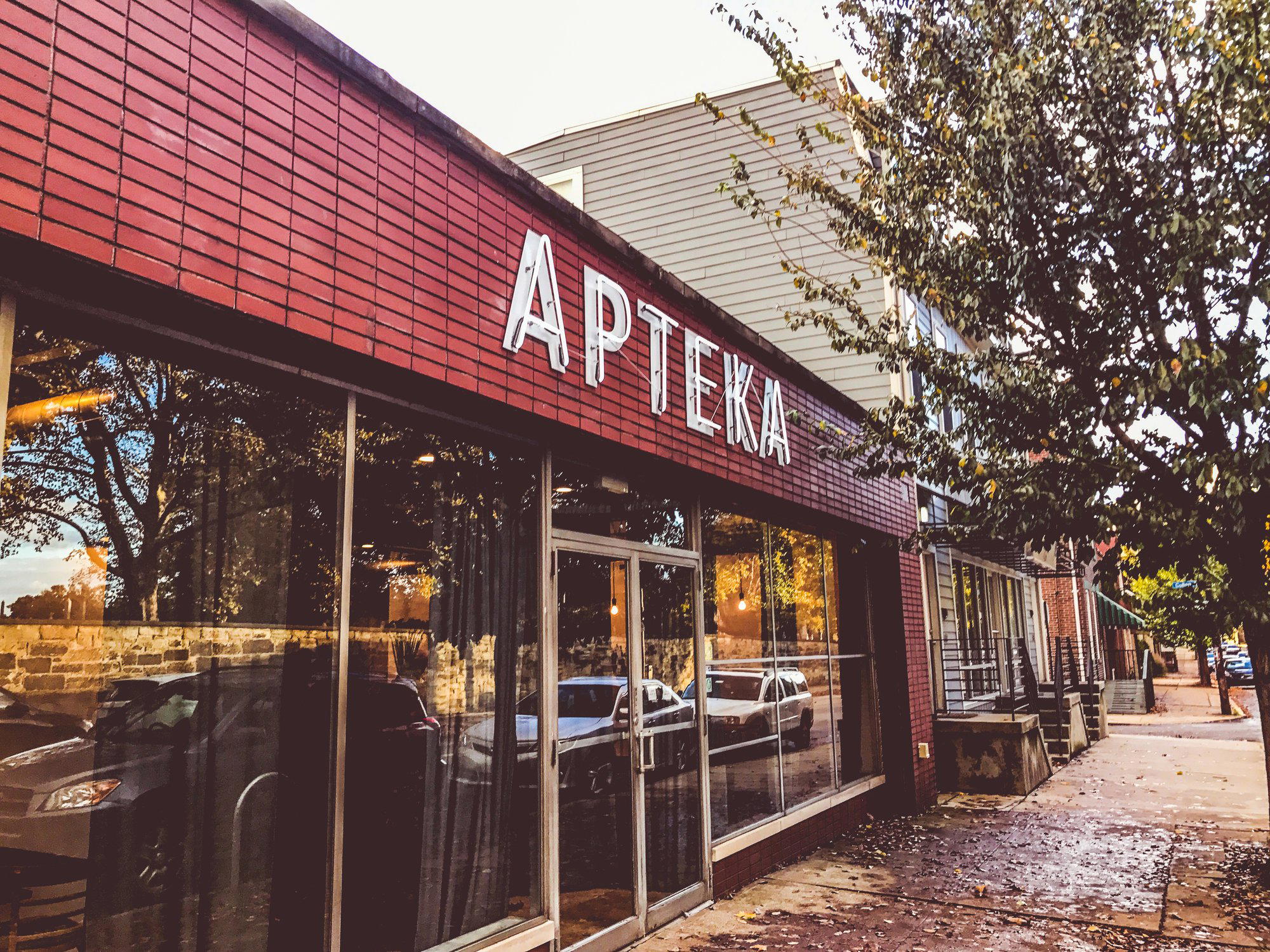
That middle tier is where Pittsburgh's most interesting casual-serious restaurants have generally landed. Apteka does something comparable in the plant-based space on Penn Avenue, serious technique, accessible format, an audience that spans neighborhood regulars and visitors who made the trip specifically. Alfabeto has taken a similar position in the Italian-leaning corner of the market. The pattern across these Lawrenceville-area operators is a commitment to a defined cooking approach without the ceremony that would push them into the tasting-menu tier occupied nationally by restaurants like Blue Hill at Stone Barns in Tarrytown or The Inn at Little Washington.
Smoke as a cooking method demands patience and precision in roughly equal measure. The window between properly smoked and over-smoked is narrow, and unlike a sauce or a braise, the process is largely irreversible. Restaurants that do it well tend to have strong operational cultures, the kind of quiet competence that doesn't always produce visible drama in the dining room but shows up consistently in the food. That consistency is what separates a smoke-forward restaurant worth a dedicated trip from one that produces variable results depending on who is running the smoker that day.
Where SMOKE Sits in Pittsburgh's Broader Dining Field
Pittsburgh's restaurant scene has been reorganizing around neighborhood anchors rather than downtown destinations for several years. The momentum has moved toward Lawrenceville, East Liberty, and Bloomfield, where lower rents and more flexible building stock have allowed independent operators to take on formats that would be financially unsustainable in higher-cost markets. That dynamic is visible at the top of the Pittsburgh market too: Altius holds a different position in the city's hierarchy, with a view-driven format and a more formal register, while 1930 by Atria's represents the steakhouse-inflected end of Pittsburgh's celebration-dining tier.
SMOKE on Butler Street doesn't compete with those venues on their own terms. Its competitive set is closer to Bakersfield Penn Ave, which operates in a similarly casual-but-considered register with a strong sense of format identity. The question any fire-cooking restaurant in this tier has to answer is whether it has developed enough distinctiveness to become a destination within the neighborhood rather than simply a participant in a corridor. In Lawrenceville, where the density of quality options has reached a level that makes competition real, that distinction matters.
For readers calibrating SMOKE against the national picture: the fire-cooking tradition that most directly informs serious smoke-forward restaurants in mid-size American cities draws on a lineage that runs from low-and-slow Southern barbecue through the wood-fired Italian tradition and into contemporary open-hearth programs that have appeared in cities from New York to Los Angeles. Pittsburgh operators working in this tradition are drawing on that broad inheritance while adapting it to a market that rewards directness over elaboration.
Planning a Visit
SMOKE is located at 4115 Butler St, Pittsburgh, PA 15201, in Lawrenceville. Butler Street runs northeast from the Strip District and is accessible by car with street parking available along the corridor, and by bus from downtown Pittsburgh. The neighborhood is walkable from multiple residential areas on Pittsburgh's east side, and the concentration of restaurants in the immediate stretch means that a SMOKE visit can anchor a longer evening on the street. For the broader Lawrenceville and Pittsburgh dining picture, EP Club's Pittsburgh guide provides the most complete current overview.