Grandma B's
Our verdict
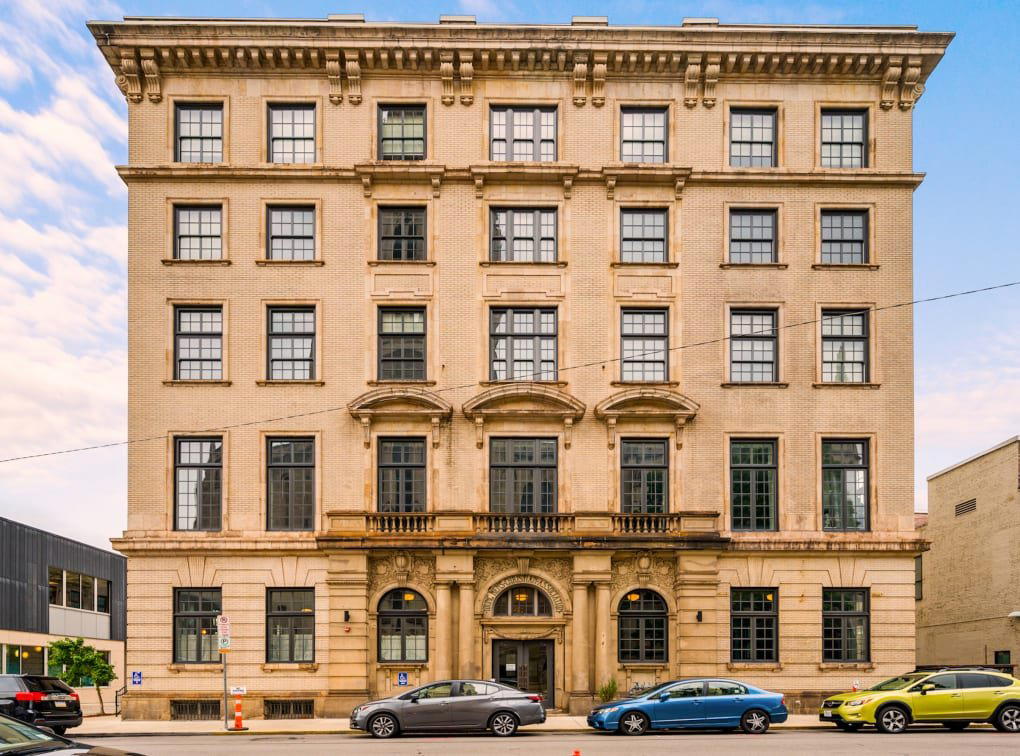
On Wylie Avenue in Pittsburgh's Hill District, Grandma B's draws on the neighbourhood's deep roots in African American culinary tradition, serving the kind of food that anchors community memory. The address alone — 2537 Wylie Ave — places it within one of the city's most historically significant corridors, where the ritual of a shared meal carries weight beyond the plate.

Pearl is the En Primeur Club membership app — saves, bookings, and concierge access live there. Same editors, same standards.
- Address
- 2537 Wylie Ave, Pittsburgh, PA 15219
- Phone
- (412) 681-4087
- Hours
- Mon–Thu 8 AM–2 PMFri 8 AM–1 PMSat 9 AM–2 PMSun 10 AM–1:30 PM
- Directions
- Get directions
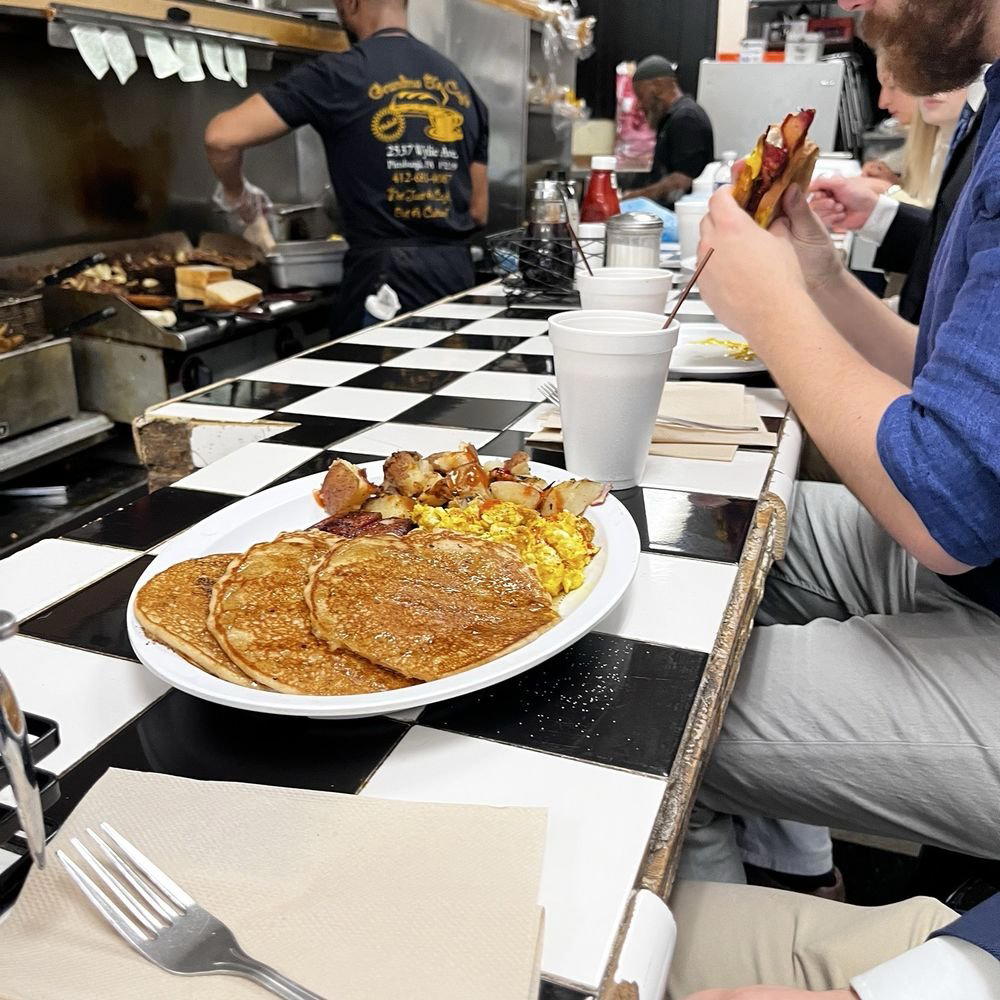
The menu
What to order
- French Toast
- Shrimp & Grits
Wylie Avenue and the Weight of the Table
There is a particular category of Pittsburgh dining that no Michelin inspector has ever formally documented but that the city's residents understand instinctively: the neighbourhood institution where the food is inseparable from the people who made it and the streets it feeds. Wylie Avenue in the Hill District has long been one of those streets. Once the commercial and cultural spine of Pittsburgh's African American community — the same corridor that gave the city jazz clubs, civil rights organising, and August Wilson's dramatic imagination — it now carries the quieter work of keeping those traditions alive through daily life, and through food. Grandma B's, at 2537 Wylie Ave, sits within that continuity.
Across American cities, the dining rituals that matter most to a neighbourhood rarely translate into the kind of formal recognition that drives reservation queues or tasting-menu coverage. That gap between cultural significance and critical attention is well-documented in cities from New Orleans to Chicago, where the restaurants doing the most meaningful work, preserving regional foodways, feeding communities through decades of economic change, often operate entirely outside the award circuits that dominate food media. Pittsburgh's Hill District follows that pattern closely. For a broader map of where the city's dining energy concentrates, see our full Pittsburgh restaurants guide.
The Ritual of the Neighbourhood Meal
The dining ritual at a place like this is governed by different conventions than the tasting-menu formats that define the upper tier of American fine dining. At venues like The French Laundry in Napa or Le Bernardin in New York City, the pace is orchestrated, the sequencing deliberate, the interaction between guest and kitchen formalised over years of service refinement. The ritual here operates on different terms entirely: the pacing is communal rather than choreographed, the portions speak to generosity rather than precision, and the social contract between kitchen and table is built on familiarity rather than ceremony.
That distinction matters because it shapes what the meal actually asks of the diner. There is no tasting note to interpret, no sommelier pairing to decode. What there is, in the tradition of African American Southern and soul food cooking that the Hill District has long sustained, is food that rewards attention of a different kind, the recognition of technique accumulated across generations, the seasoning that reflects a specific cultural memory, the dishes that exist because a community decided they should persist. In that sense, the ritual at Grandma B's is less about the architecture of a meal and more about the act of participating in something that predates the current dining conversation by decades.
Pittsburgh's dining culture has broadened considerably in recent years, with venues like Apteka drawing national attention for its Central European vegetarian approach and Alfabeto positioning itself within the city's growing interest in ingredient-driven Italian cooking. That expansion has been covered extensively. What gets less coverage is the layer of the city that existed before the current wave, the neighbourhood anchors that sustained Pittsburgh's working communities through decades when the steel industry's collapse reshaped the economic geography of every district, including the Hill.
The Hill District's Culinary Position
The Hill District's food culture occupies a specific position in Pittsburgh's wider dining geography. It is not the kind of neighbourhood that appears on a first-time visitor's itinerary alongside the Strip District's market stalls or Lawrenceville's restaurant corridor. Its significance is legible to those who understand Pittsburgh's history, particularly the role the Hill played in the Great Migration, when tens of thousands of African Americans moved north and built cultural institutions, churches, jazz venues, newspapers, and home kitchens that became informal restaurants, along Wylie Avenue and Centre Avenue.
Food in this context has always carried social function beyond nutrition. The tradition of the communal table, the Sunday dinner extended to neighbours and strangers, the cooking that stretched limited resources into abundance, these are not romantic abstractions but documented practices that shaped the Hill's identity across generations. Grandma B's address places it squarely within that geography, on a street that has seen the full arc of the neighbourhood's history and continues to serve it.
Elsewhere in Pittsburgh, the dining conversation runs toward the contemporary: Altius commands attention for its refined views and formal ambitions, while 1930 by Atria's and Bakersfield Penn Ave draw crowds with different registers of comfort and conviviality. Each of those venues belongs to a recognisable category in the modern American dining taxonomy. The neighbourhood institution operates by different logic, and that is precisely what makes it worth understanding on its own terms.
Placing Grandma B's in the National Picture
American food culture has, over the past decade, moved toward a broader acknowledgment of the traditions that formal fine dining once overlooked. Venues like Blue Hill at Stone Barns in Tarrytown and Single Thread Farm in Healdsburg have built their reputations on rootedness, on the idea that cuisine gains authority from its connection to a specific place and tradition. At the other end of the formal spectrum, restaurants like Smyth in Chicago and Atomix in New York City have pursued technical precision as their primary claim. Between those poles sits a much larger category of American dining that never sought formal recognition but earns its authority through longevity, community trust, and the kind of cooking that doesn't require a press release to be understood.
That category includes the soul food and Southern-inflected cooking of the Hill District, a tradition with the same depth of practice as anything covered by Emeril's in New Orleans or Providence in Los Angeles, even if the mode of expression is entirely different. The comparison is not about equivalence of format but about seriousness of culinary inheritance. Both traditions take their ingredients and their diners seriously. They simply do so in ways shaped by entirely different histories.
Planning a Visit
Grandma B's is located at 2537 Wylie Avenue in Pittsburgh's Hill District, a neighbourhood that sits just above Downtown Pittsburgh and is accessible by city bus routes that connect to the broader transit network. Because the venue's operating hours, current booking method, and pricing information are not formally published through major platforms, the practical advice is to visit in person or contact the address directly. Neighbourhood institutions of this kind often operate on rhythms that don't conform to online reservation systems, and the experience typically rewards a degree of flexibility from the visitor. For those building a broader Pittsburgh itinerary, the Hill District pairs naturally with the Strip District markets to the north and the cultural institutions of Oakland to the east.
Frequently asked questions
What's Grandma B's's location?
Grandma B's is located at 2537 Wylie Ave, Pittsburgh, PA 15219, Pittsburgh.
Is Grandma B's worth visiting if you are coming from outside Pittsburgh's Hill District?
Grandma B's at 2537 Wylie Avenue sits in a neighbourhood that most Pittsburgh restaurant guides do not cover, which means visitors arriving from outside the Hill District are making a deliberate choice rather than following a well-worn path. That deliberateness is appropriate: this is community-anchored dining in Pittsburgh that reflects the Hill District's history and culinary self-sufficiency, not a venue that has positioned itself for tourist traffic. Treat it accordingly.
What should I eat at Grandma B's?
Grandma B's sits in the Hill District tradition of home-style cooking where the menu reflects what is available and what the kitchen does consistently well. No formal menu is published, which is itself a signal: this is the kind of place where regulars know what to order and first-timers do well to ask. Come with an appetite and no fixed expectations about what will be on offer on a given day.
How far ahead should I plan for Grandma B's?
Grandma B's at 2537 Wylie Avenue does not appear to operate through any online reservation platform, which is standard for neighbourhood institutions of this type in Pittsburgh. Arriving early or calling ahead is the practical approach, though the venue's rhythm is community-driven rather than reservation-managed. Flexibility on timing will serve you better than a set booking window.
What has Grandma B's built its reputation on?
Grandma B's reputation rests on the kind of consistency that neighbourhood institutions in Pittsburgh's Hill District earn over time: showing up, feeding people well, and remaining embedded in the community rather than orienting toward external critical recognition. No formal awards or Michelin documentation exist for this category of venue, yet that absence is part of the point. The Hill District's dining culture has its own internal credibility system, and Grandma B's operates within it.
Cuisine Context
Comparable venues nearby, for context on price, style, and recognition.
| Venue | Cuisine | Price | Notes |
|---|---|---|---|
| Grandma B'sThis venue — the venue you are viewing | Classic American Diner | $10–20 | Not listed |
| The Rebel Room | Modern American | $20–30 | Central Business District |
| Tupelo Honey - Pittsburgh | Southern Kitchen & Bar | $20–30 | South Shore |
| Square Cafe | Modern American Brunch Cafe | $10–20 | East Liberty |
| Pamela's Diner | Classic American Diner | $10–20 | Strip District |
| Tapville Social - Pittsburgh | Modern American | $20–30 | Strip District |
Continue exploring
More in Pittsburgh
Restaurants in Pittsburgh
Browse all →

Bars in Pittsburgh
Browse all →
Details
- Cozy
- Classic
- Casual Hangout
- Family
- Historic Building
- A La Carte
Current opening hours
- Monday
- 8 AM–2 PM
- Tuesday
- 8 AM–2 PM
- Wednesday
- 8 AM–2 PM
- Thursday
- 8 AM–2 PM
- Friday
- 8 AM–1 PM
- Saturday
- 9 AM–2 PM
- Sunday
- 10 AM–1:30 PM
Hours can change for holidays and private events. Last verified .
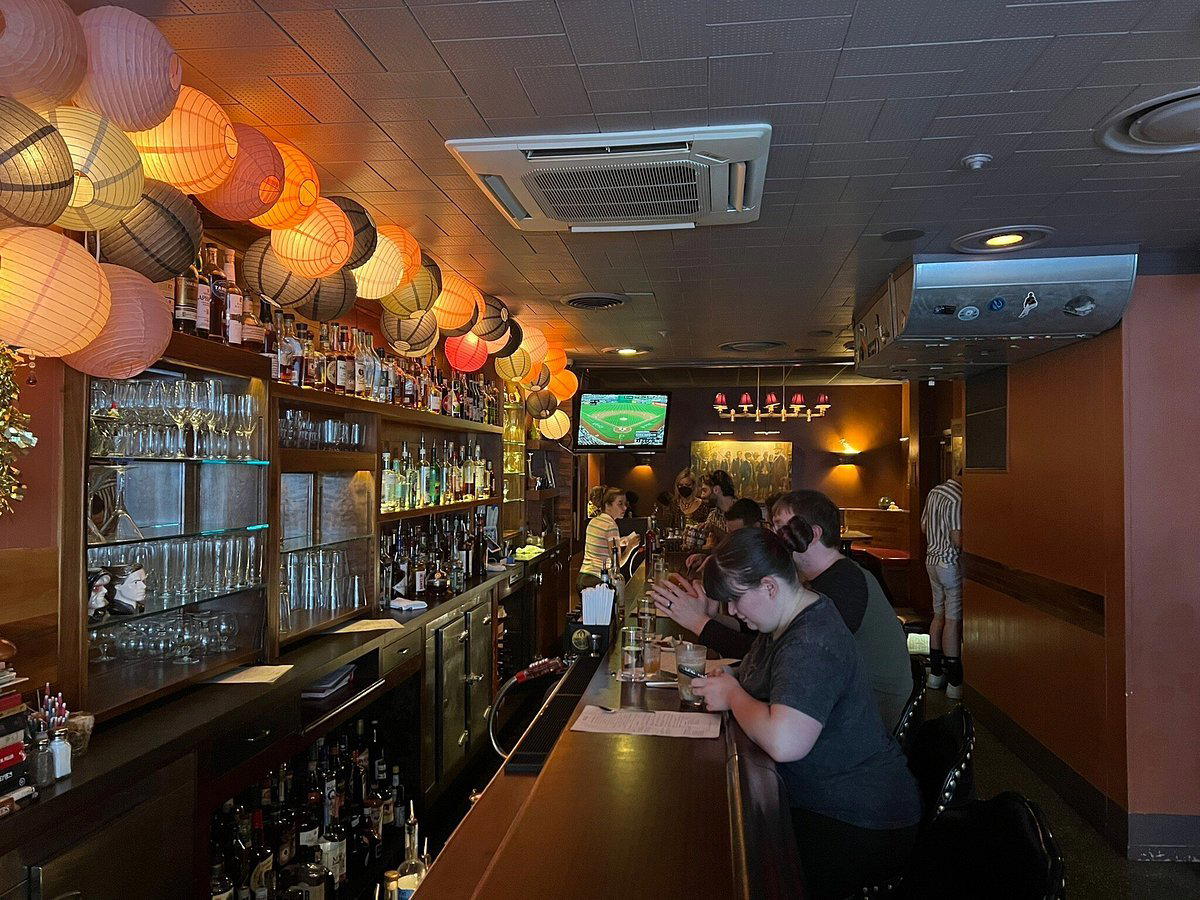
Cozy and welcoming with a throwback lunch counter feel, featuring a huge well-seasoned griddle and warm, chatty service.