
Star Wine List
Our verdict
A Star Wine List–recognised restaurant on Grimstad's main street, Smag & Behag sits within a small but growing pocket of serious dining on Norway's southern coast. The White Star designation signals a wine programme developed beyond the casual tourist trade, placing it in a different tier from the fjordside cafés that dominate the region. For visitors to Aust-Agder, it represents the area's most considered food-and-wine proposition.

Pearl is the En Primeur Club membership app, where members save venues, book tables and use the concierge.
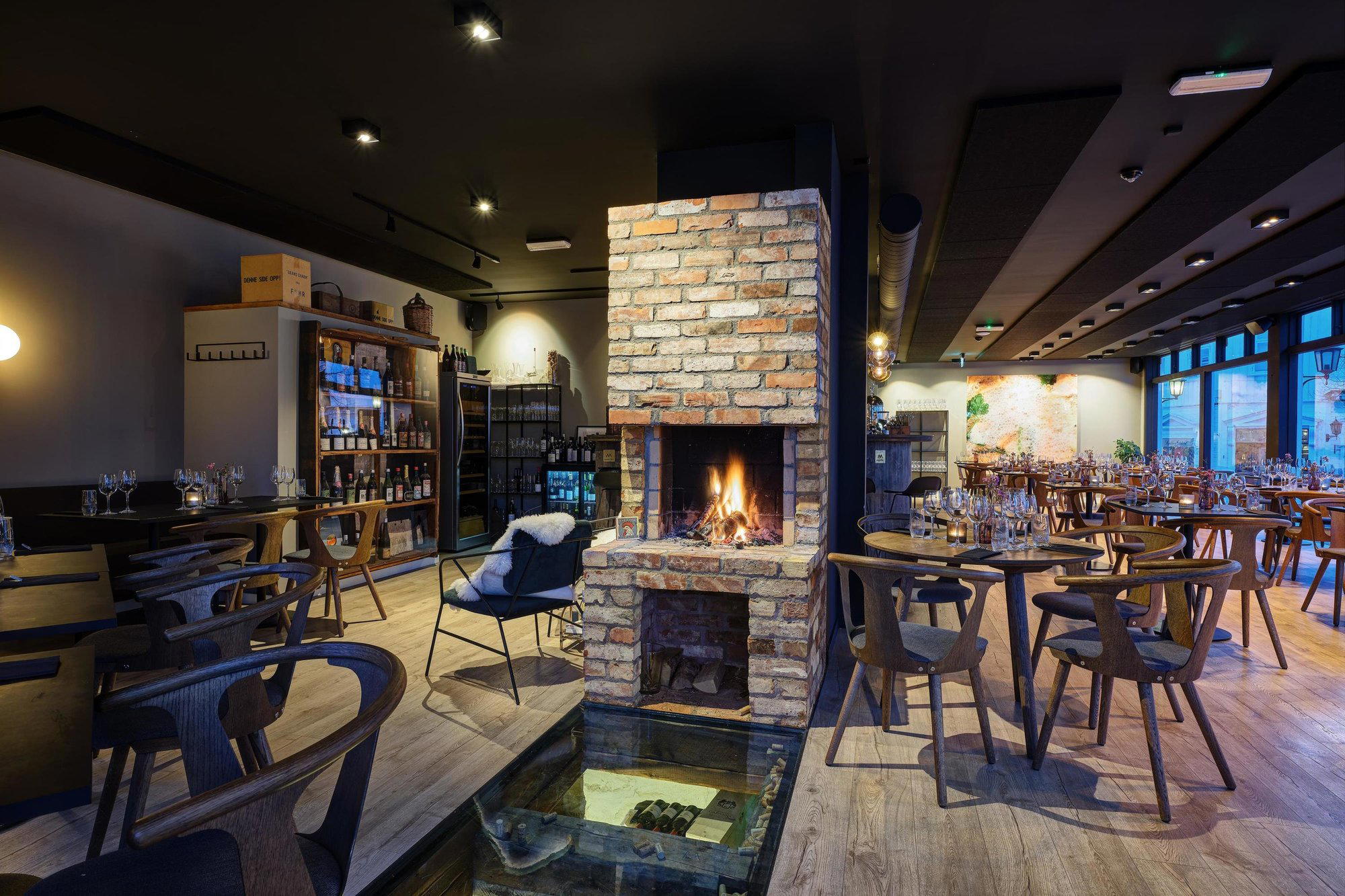
Where Grimstad Eats Seriously
Norway's southern coastline, the stretch of small towns and archipelago inlets that locals call the Sørlandet, has historically sat outside the country's fine dining conversation. That conversation has long been centred on Oslo, with Maaemo in Oslo and RE-NAA in Stavanger anchoring the New Nordic canon, while mid-sized cities like Trondheim, home to FAGN in Trondheim, have developed their own credible tiers. Grimstad, a coastal town of roughly 22,000 people, sits in a different register entirely: a summer destination known for painted wooden houses, a busy recreational harbour, and a literary connection to Henrik Ibsen, who spent part of his early life here. It is not, by any conventional measure, a dining destination.
Which makes the presence of a Star Wine List–recognised restaurant on Storgaten, the town's main commercial street, worth examining. Smag & Behag, the name translates loosely from Danish as "taste and pleasure", earned a White Star designation from Star Wine List, first published in December 2021. In the Star Wine List framework, a White Star signals a wine list that has been curated with genuine intent: not merely a functional selection, but a programme developed by someone paying attention to provenance, producer, and pairing. On the southern Norwegian coast, that places this address in a category largely by itself.
The Ingredient Logic of the Sørlandet
Understanding what a restaurant in this part of Norway can do with sourcing requires some geographic framing. The Sørlandet sits on the Skagerrak, the body of water between Norway, Sweden, and Denmark, and has direct access to cold-water seafood that rarely appears on menus further north or inland. Coastal Norway's shallow, cold waters produce shellfish and finfish with a density of flavour that the New Nordic movement spent years teaching international diners to appreciate. At places like Iris in Rosendal and Under in Lindesnes, the latter operating literally beneath the ocean's surface near Norway's southernmost point, the argument has been made at length that Norwegian coastal produce can anchor serious tasting menus.
Grimstad's immediate hinterland adds a second sourcing register. The inland counties of Aust-Agder produce lamb, game, and summer produce that reflects the relatively mild climate of Norway's south, milder than the western fjord regions and more consistent than the far north. A restaurant on the main street of Grimstad can theoretically draw on both the maritime and the agricultural within a short radius, a supply geography that larger urban kitchens in Oslo or Bergen often have to work harder to approximate.
The Wine Programme as Signal
The White Star recognition from Star Wine List is the clearest data point available about this restaurant's positioning. Star Wine List evaluates wine programmes on criteria that include list depth, producer selection, and the coherence of the offering relative to the food. A White Star, the entry-level recognition in their tiered system, still represents a meaningful threshold: it distinguishes venues where someone has thought carefully about wine from those where wine is an afterthought.
On Norway's southern coast, that distinction carries additional weight. The tourist-facing restaurant trade in summer destinations like Grimstad tends toward convenience wine lists: broad, safe, high-margin selections that serve a transient summer crowd without demanding much from the kitchen or the guest. A Star Wine List recognition cuts against that pattern. It suggests a programme built for the return visitor and the local regular, not just the midsummer boat crowd. In that sense, Smag & Behag's wine recognition aligns it more closely with the approach taken by serious regional restaurants elsewhere in Norway, from Boen Gård in Tveit to Gaptrast in Bergen, than with the summer coastal trade it physically operates within.
Grimstad in the Broader Norwegian Restaurant Map
Norway's restaurant geography has become more interesting in recent years, and not only at the flagship level. The country's commitment to ingredient traceability and New Nordic technique has filtered down from the Michelin-starred tier into a wider cohort of regional restaurants that take sourcing and wine seriously without operating at tasting-menu price points or urban scale. Kvitnes Gård in Kvitnes, Conservatory in Norangsfjorden, and Storfjord Hotel Restaurant in Glomset all represent versions of this regional seriousness in different formats and geographies. Even at the extreme end of the country's map, Huset Restaurant in Longyearbyen has built a reputation for wine depth in conditions that make sourcing a genuine logistical achievement.
Grimstad sits within easy driving distance of Kristiansand, the regional capital of Sørlandet, and is accessible from the E18 coastal road that connects Oslo to Stavanger. For travellers moving along the southern coast rather than flying directly to a primary city, it represents a logical stop where a serious meal is possible. The town itself is compact enough that Storgaten 14, the address of Smag & Behag, is walkable from the harbour and from most of the town's accommodation. For more on the area, see our full Grimstad restaurants guide, our full Grimstad hotels guide, and our full Grimstad bars guide.
Planning a Visit
Grimstad's tourist season peaks in July and August, when the harbour fills with leisure boats and the town's population effectively doubles. Visiting in shoulder season, late May, June, or September, tends to produce a calmer version of the town and, typically, easier table availability at restaurants that carry a local rather than a tourist clientele. Given Smag & Behag's wine recognition, it likely draws a proportion of local regulars year-round, which means booking ahead is sensible regardless of season.
Travellers with a broader interest in the region's food and drink scene can cross-reference our full Grimstad wineries guide and our full Grimstad experiences guide for context on what else the area offers. For the international comparison framer: the specific combination of a serious wine programme and a coastal sourcing geography in a small, non-capital city recalls the dynamic found at places like Le Bernardin in New York City and Emeril's in New Orleans in one respect, the leading regional food-and-wine addresses rarely emerge from the most obvious cities.
Frequently asked questions
Is Smag & Behag Grimstad a family-friendly restaurant?
The restaurant's White Star recognition from Star Wine List signals a wine-forward, considered dining environment rather than a casual family canteen. Grimstad itself is a small harbour town accustomed to mixed-age visitors during the summer season, so the setting is unlikely to be hostile to families, but the focus here is squarely on food and wine rather than child-oriented programming. Booking ahead and checking current hours directly with the venue is advisable.
What's the vibe at Smag & Behag Grimstad?
The White Star awarded by Star Wine List in December 2021 positions this as one of the more deliberate dining addresses on Norway's southern coast, where serious wine programming is rare outside the major cities. Expect a room oriented around the glass as much as the plate, in a town, Storgaten 14, central Grimstad, that still retains the character of a small Norwegian coastal settlement. It reads closer to a neighbourhood wine restaurant with genuine ambition than a formal tasting-menu operation.
Is Smag & Behag Grimstad award-winning?
Smag & Behag Grimstad has received recognition including: Smag & Behag Grimstad is a restaurant in Grimstad, Norway. It was published on Star Wine List on December 2, 2021 and is a White Star.
What do regulars order at Smag & Behag Grimstad?
The wine programme is the clearest reason to make the trip.
What part of town is Smag & Behag Grimstad in?
Smag & Behag Grimstad is located at Storgaten 14, 4876 Grimstad, Norway, Grimstad.
How hard is it to get a table at Smag & Behag Grimstad?
Grimstad's population roughly doubles in July and August when leisure boats fill the harbour, making summer the period where any serious restaurant in the town feels the most pressure. Given the limited number of wine-forward dining rooms on the southern Norwegian coast, Smag & Behag draws visitors who are specifically seeking that type of experience, which compresses availability during peak season. Booking in advance during summer is the prudent approach; outside the tourist window, the town is considerably quieter.
Comparable Venues
Comparable venues nearby, for context on price, style, and recognition.
| Venue | Cuisine | Price | Awards | Notes |
|---|---|---|---|---|
| Smag & Behag GrimstadThis venue (the venue you are viewing) | Scandinavian Local Seasonal | $50–100 | Star Wine List | Not listed |
| Kjerag Panoramic Restaurant | Norwegian Cafe Fare | Not listed | Not listed | Lysebotn |
| Pjoltergeist | Asian-Nordic Fusion | Not listed | Not listed | Grünerløkka |
| Fiskeriet | Norwegian Seafood | $20–30 | Not listed | Gardermoen Airport |
| Attrå | French-Asian Fusion Fine Dining | Not listed | Not listed | Storgata |
| Ekspedisjonshallen | Classic Brasserie | Not listed | Star Wine List · Wine Spectator Best of Award of Excellence | Ruselokka |
Recognition history
Dated appearances from independent guides and award organizations, with the underlying list record or original source where available.
Star Wine List
Star Wine List
Continue exploring
More in Grimstad
Restaurants in Grimstad
All restaurants in Grimstad →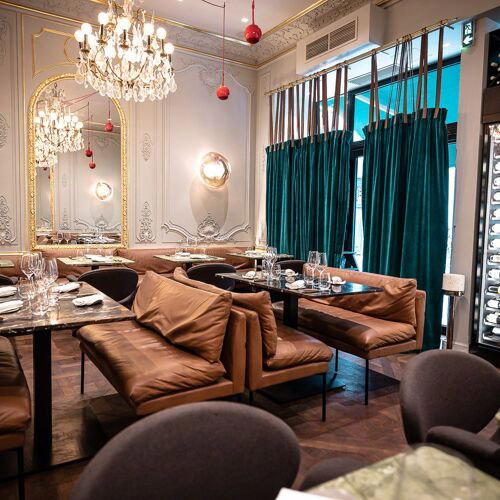
Hotels in Grimstad
Browse all →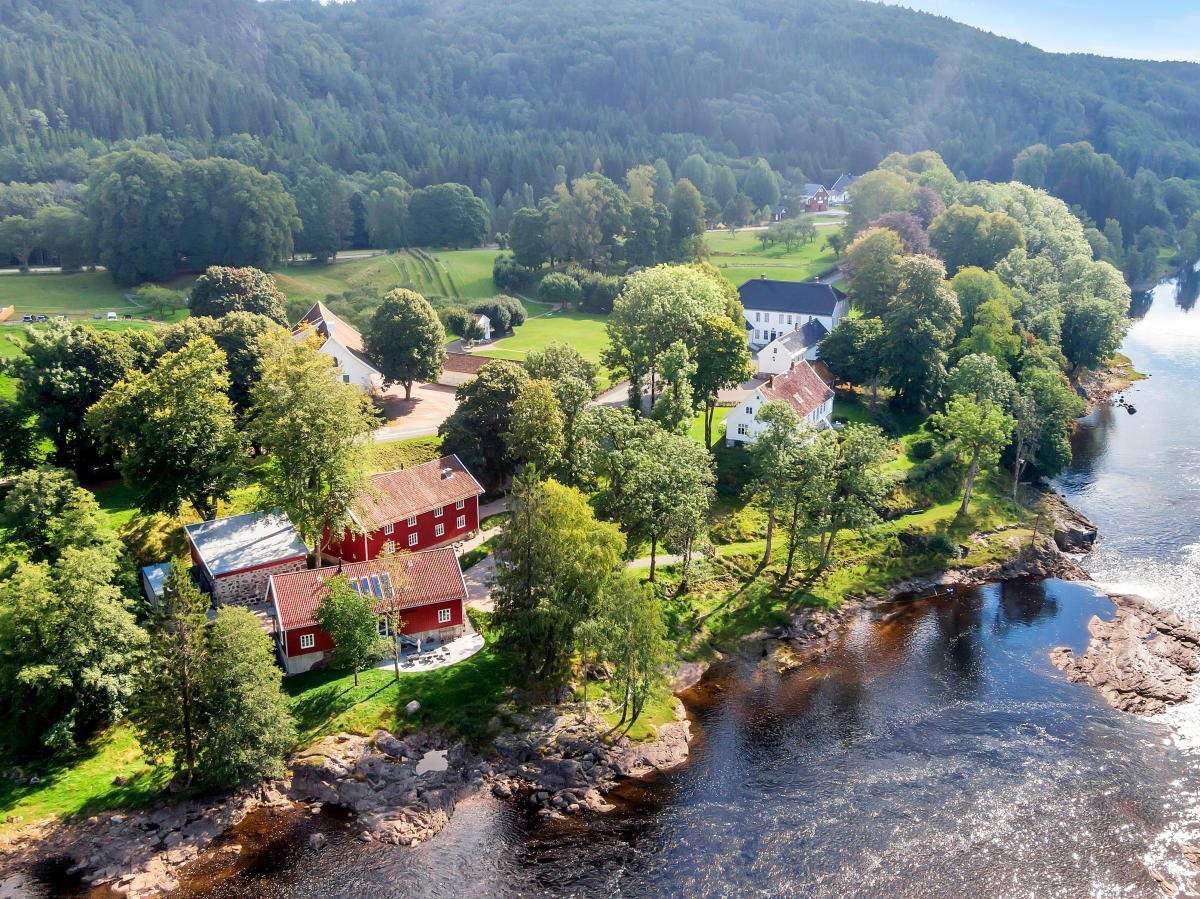
Smag & Behag Grimstad
The wine
- Wine program
- Deep wine list
- Extensive wine list
Details
- Cozy
- Elegant
- Intimate
- Date Night
- Special Occasion
- Historic Building
- Extensive Wine List
- Local Sourcing
- Small Plates
- Vegetarian Friendly
- Vegan Options
- Gluten Free Options
Current opening hours
- Monday
- Closed
- Tuesday
- 5–10 PM
- Wednesday
- 5–10 PM
- Thursday
- 5–10 PM
- Friday
- 12–4:45 PM, 5–10 PM
- Saturday
- 12–4:45 PM, 5–10 PM
- Sunday
- Closed
Hours can change for holidays and private events. Hours as of .
Warm, welcoming atmosphere in beautifully restored historic building with elegant decor and cozy hygge vibe.