Krčma Letná occupies a spot in Kosice's Letná district that aligns with the city's broader tradition of neighbourhood taverns rooted in regional Slovak cooking. The address on Letná 1 places it at the edge of the Sever quarter, where dining tends toward the local and unpretentious rather than the internationally oriented. For visitors looking beyond the Old Town circuit, it represents the kind of address regulars return to rather than tourists stumble upon.
Pearl is the En Primeur Club membership app — saves, bookings, and concierge access live there. Same editors, same standards.
- Address
- Letná 1, 040 01 Sever, Slovakia
- Phone
- +421902322858
- Website
- krcmaletna.sk
- Directions
- Get directions
 Saves & bookings on Pearl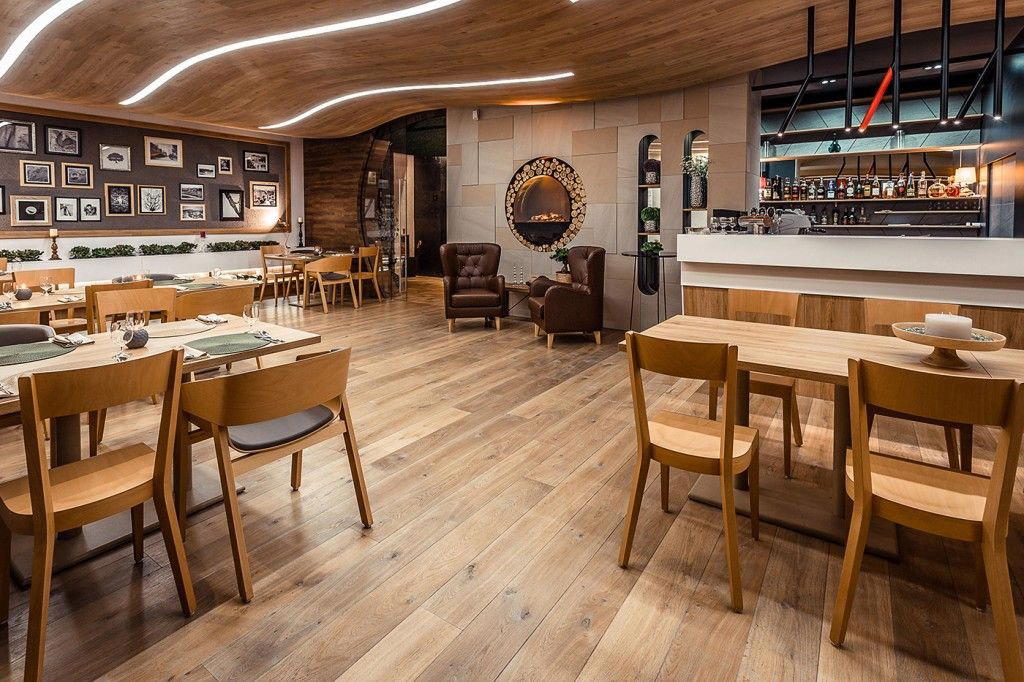
Where Kosice Eats Without an Audience
There is a category of dining room that every Central European city produces and that every serious food city needs: the neighbourhood krčma. The word itself resists direct translation. It sits somewhere between tavern, inn, and local canteen, shaped by centuries of Slovak and broader Carpathian hospitality culture in which the function of a shared table was never primarily about spectacle. Krčma Letná is a restaurant serving Traditional Slovak Cuisine at Letná 1 in Kosice's Sever district. The district sits beyond the polished pedestrian core that draws most visitors to Slovakia's second city, which means the room exists on terms set by its regulars rather than by passing trade.
Approaching from the centre, the shift in atmosphere is perceptible before you arrive. Sever is a residential neighbourhood, the kind where ground-floor businesses serve the people who live above them. The exterior of an address like this one carries none of the signage energy aimed at the uncertain tourist. You are either going there deliberately or you are not going at all. That self-selection filters the room in ways that matter: the pace is different, the noise register is different, and the expectation placed on the food is different. Locals do not return out of loyalty alone. They return because the value proposition holds.
The Slovak Tavern Tradition and What It Demands
The krčma format in eastern Slovakia has always been closer to the Austrian Gasthaus or the Hungarian vendéglő than to the western European bistro. The emphasis falls on ingredient-driven simplicity: cuts of meat that benefit from slow preparation, soups built on long-cooked stock, dishes that reflect what the region produces rather than what a global supply chain can deliver overnight. In the Košice region specifically, that means proximity to the agricultural hinterland of eastern Slovakia and to the culinary crosscurrents that arrive from the Hungarian border to the south and the Carpathian highlands to the north and east.
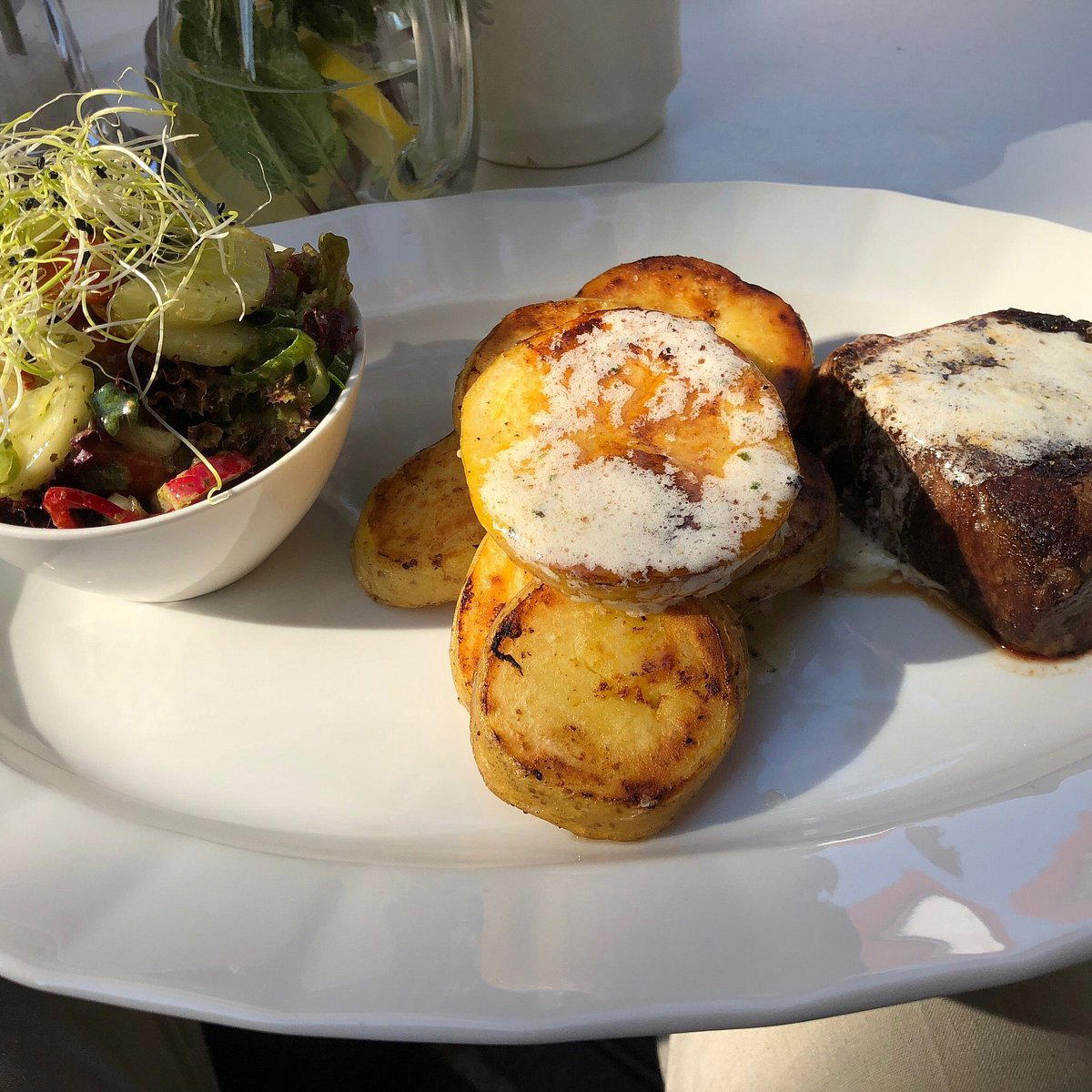
This geography matters for understanding what a venue like Krčma Letná is likely to offer, even where specific menu data is absent. Regional Slovak tavern cooking in this corridor tends toward pork-forward preparations, game from the forested highlands, freshwater fish from the Hornád and its tributaries, and dairy products from smaller producers operating in the Tatras foothills. The cooking is not conceptual. It is the product of what is available, what is affordable, and what the people eating it grew up recognising. For context on how Slovak regional kitchens of this type position themselves against more internationally oriented restaurants in the same city, the contrast with venues like Bistro BLANC or the contemporary output at FREYM is instructive. Those addresses aim at a different register entirely.
Ingredient Sourcing as the Organising Principle
The broader shift in Central European dining over the past decade has moved in two directions simultaneously. One direction leads toward international technique, imported references, and a self-conscious modernity. The other leads back toward terroir in a genuinely Slovak sense: the village smokehouse, the autumn slaughter traditions, the wild herb foraging that still shapes home cooking in the eastern regions. Particularly credible neighbourhood taverns in Kosice and similar Slovak cities tend to draw from the second current, not as a marketing posture but as a practical reality of cooking for a local clientele that can taste the difference between stock made from local bones and a preparation assembled from commercial base.
This sourcing logic is why the krčma format survives the pressure that has eliminated equivalent venues in more tourist-saturated cities. When the kitchen is tied to local supply, it is also tied to local quality cycles: the spring lamb, the autumn game, the early winter preserves. The menu changes not by design intervention but by what the season makes possible. Visitors accustomed to the year-round consistency of larger restaurant operations sometimes find this disorienting; regulars find it reliable in the deeper sense of knowing that what arrives on the plate reflects the actual moment rather than a frozen template.
For comparison within the broader Slovak dining scene, this sourcing approach connects Krčma Letná to a wider regional category that includes venues like Koliba Patria in Strbske Pleso and KOLIBA na Vršku in Bytca, which operate on similar principles of regional Slovak produce within a traditional hospitality format. The eastern Slovak variant adds the Hungarian culinary influence that shapes much of the Košice region's food culture, particularly in its use of paprika, its approach to stewed preparations, and its comfort with richer, more unctuous textures than the cooler mountain kitchens of the north and west.
Kosice's Neighbourhood Dining Circuit
Kosice has enough dining diversity now to sustain several distinct circuits. The Old Town draws addresses oriented toward international visitors and a younger local demographic seeking contemporary formats. The neighbourhood circuit, by contrast, serves a different purpose in the city's food ecology. Venues in residential quarters like Sever operate as the daily infrastructure of a city's culinary life, and they tend to be the addresses that survive economic cycles because they are woven into the routine of the people around them.
The city's other neighbourhood-oriented options each occupy a slightly different position in that ecosystem. Bakoš Bistro leans toward a more contemporary bistro format. Bulli Kebab serves the quick-service end of the spectrum. Camelot operates with a different thematic register altogether. Krčma Letná's position is especially traditional among the, which in the current moment is not a liability. Across Central Europe, the appetite for venues that feel genuinely rooted rather than stylistically assembled has strengthened rather than weakened.
For reference on how Slovak regional cooking compares to more internationally positioned Slovak venues, Don Saro Cucina Siciliana in Bratislava represents the opposite pole: an imported culinary identity operating in a Slovak context. The krčma is the inverse proposition: a Slovak culinary identity operating without concession to import.
Planning Your Visit
The restaurant sits at Letná 1 in Kosice's Sever district, reachable from the city centre in under fifteen minutes on foot or a short tram ride north. Reservations are recommended, and the regular hours run Monday to Saturday from 11:30 AM to 10 PM and Sunday from 11:30 AM to 9 PM. Visitors who approach it as a neighbourhood address will find the experience proportionate to that expectation. Dress is casual. The room is for eating, and that is the point.
Side-by-Side Snapshot
Comparable venues nearby, for context on price, style, and recognition.
| Venue | Cuisine | Price | Notes |
|---|---|---|---|
| Krčma LetnáThis venue — the venue you are viewing | Traditional Slovak Cuisine | $$ | Not listed |
| FREYM | Modern Slovak Bistro | $$ | Staré Mesto |
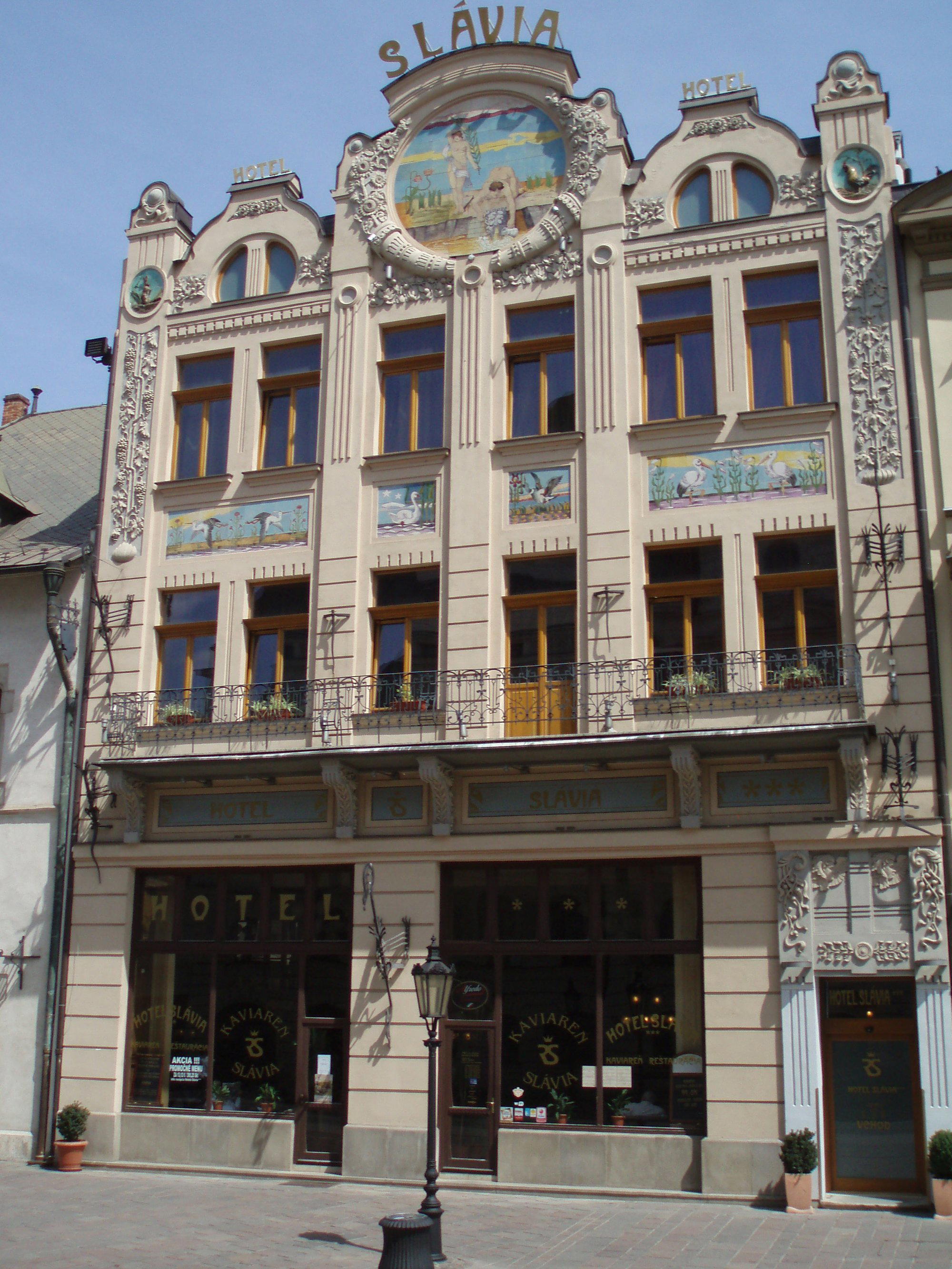
| Slávia | Traditional Slovak with Modern Interpretation | $$ | city center |
| Seven Restaurant Café by Villa Sandy, City Park Resort | New Cuisine of Slovakia | $$$ | Staré Mesto |
| Camelot | Central European Medieval Gastropub | $$ | Old Town |
| La Hacienda | Authentic Mexican | $$ | Old Town |
Continue exploring
More in Kosice
Restaurants in Kosice
Browse all →

At a Glance
- Cozy
- Classic
- Rustic
- Date Night
- Casual Hangout
- Historic Building
- Local Sourcing
- Garden
Current opening hours
- Monday
- 11:30 AM–10 PM
- Tuesday
- 11:30 AM–10 PM
- Wednesday
- 11:30 AM–10 PM
- Thursday
- 11:30 AM–10 PM
- Friday
- 11:30 AM–10 PM
- Saturday
- 11:30 AM–10 PM
- Sunday
- 11:30 AM–9 PM
Hours can change for holidays and private events. Last verified .
Cozy yet elegant atmosphere enhanced by its park location, offering a quiet and intimate dining experience.