West Division and the Architecture of a Chicago Neighborhood Room
Silli Kori is a modern Thai fusion restaurant at 2053 W Division St in Chicago, with. While Alinea, Smyth, and Oriole anchor the upper tier of progressive American cooking in the city, a different kind of restaurant has always filled the blocks between the refined train stops, places whose identity comes from the physical room and the neighborhood they inhabit rather than from the weight of accumulated awards. Silli Kori, at 2053 W Division St in Chicago's Wicker Park corridor, belongs to that second tradition.
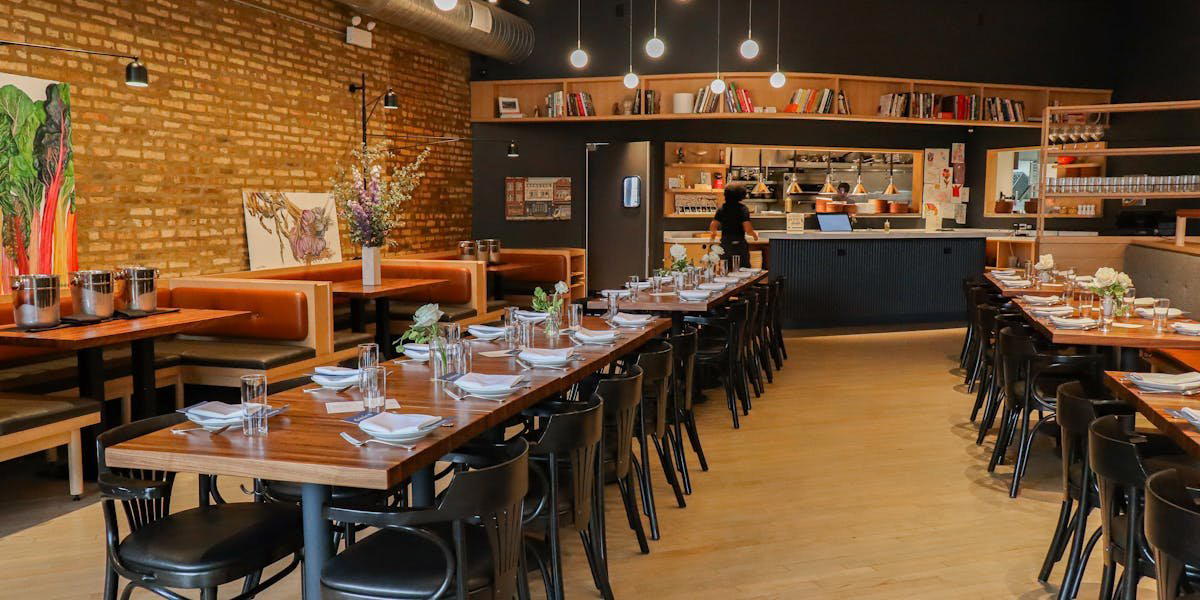
Division Street in this stretch, roughly between Damen and Western, has been a proving ground for independent operators since the neighborhood's demographic shift in the 1990s. The block-level character here is defined by narrower storefronts, higher ceilings from early twentieth-century commercial construction, and a pedestrian scale that shapes how a dining room reads from the street. These are not purpose-built dining spaces; they are adapted ones, and the adaptation is often what gives them their spatial personality. The physical container of a room on this stretch tends to dictate the feel of a meal before a single plate arrives.
What the Space Communicates
In cities like Chicago, where the tasting-menu format has bifurcated sharply between the $300-plus counter experience and the more casual prix-fixe, rooms like those found along West Division occupy a different register entirely. They are not performing intimacy through scarcity of seats, the way Kasama does with its daytime counter and evening omakase. They are instead expressing a particular kind of neighborhood confidence, the sense that the room itself is the argument, that arriving is enough of an act of intent to establish the terms of the evening.
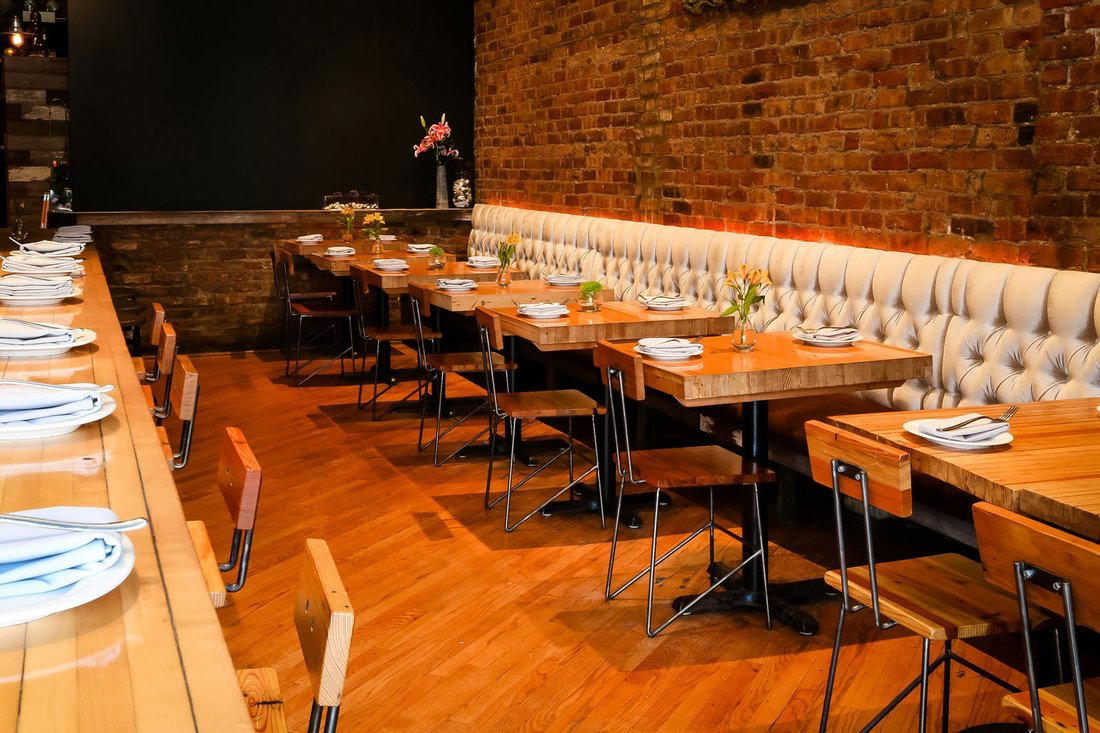
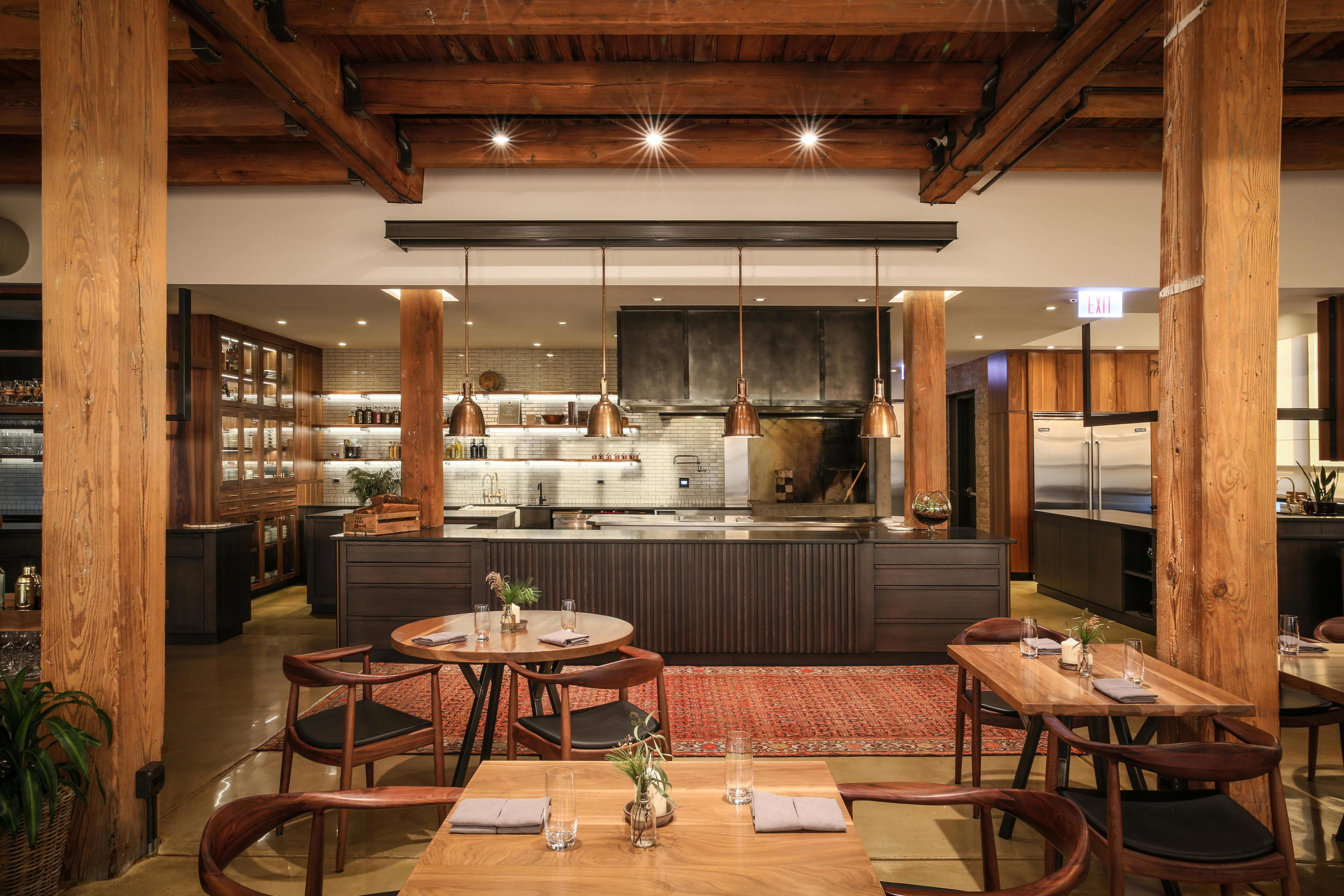
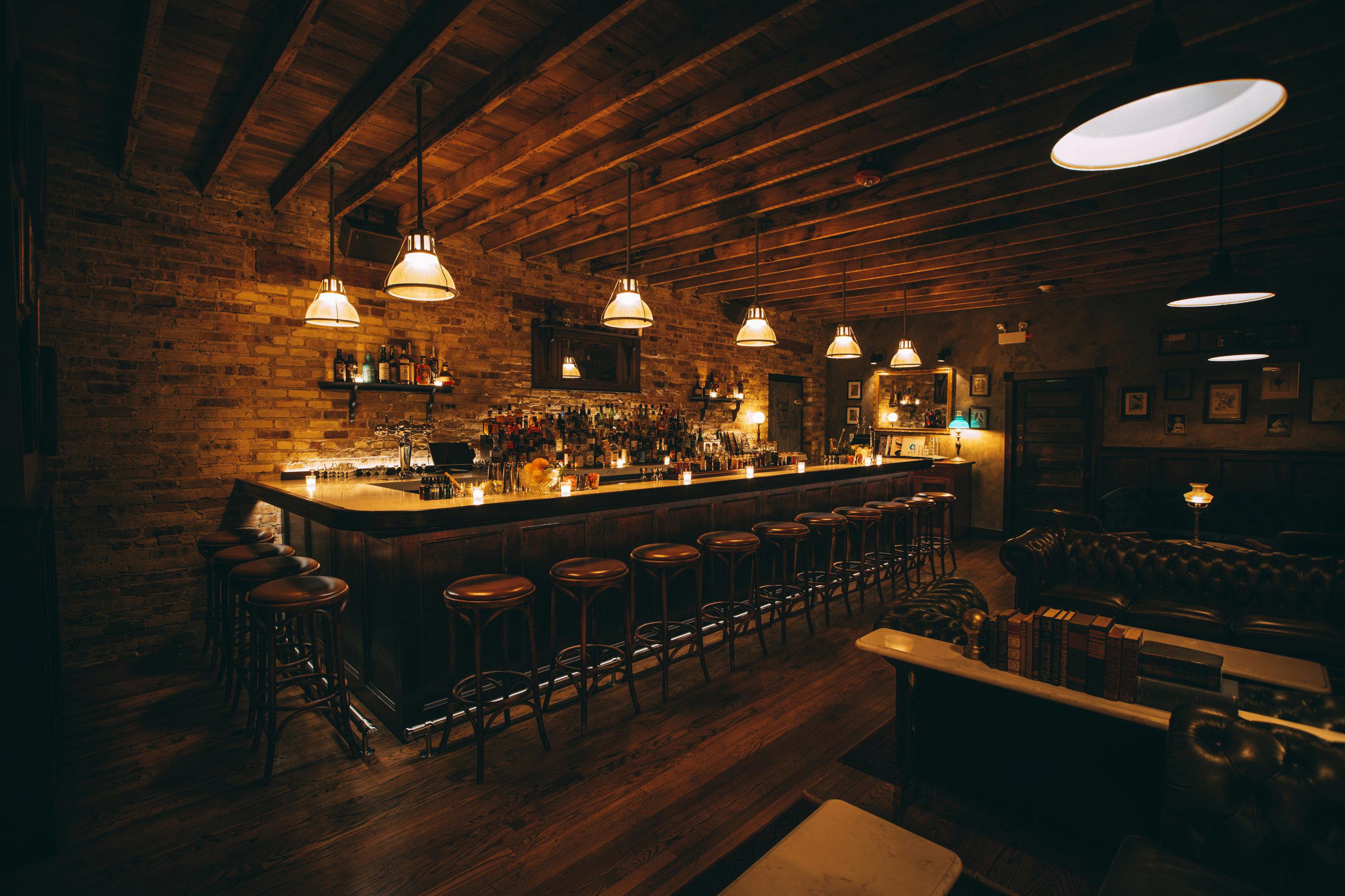
Interior architecture on this stretch typically works with exposed brick, original wood floors, and the kind of street-level window light that makes early dinner service feel different from late-night seating. The acoustic character of these rooms, generally livelier than the padded quiet of higher-end tasting rooms, signals something about the intended social dynamic: conversation is the point, not contemplative silence between courses. That distinction matters when assessing where a place sits relative to the broader Chicago dining map. This is not the dining culture of Next Restaurant's theatrical format changes; it is something more grounded in daily neighborhood rhythm.
Chicago's Independent Middle and Where Silli Kori Sits
The city's dining culture has always had a strong independent middle tier, restaurants that are not chasing Michelin recognition but are not casual either. That tier has faced real pressure from rising rents along gentrified corridors, but Wicker Park has retained more of its neighborhood-restaurant texture than comparable areas in other major American cities. For comparison, the equivalent stretch in San Francisco's Mission or New York's Lower East Side has been more thoroughly displaced. Chicago's version of this corridor remains a workable environment for the independent operator.
What can be said is that an address at 2053 W Division places a restaurant in direct conversation with a specific set of neighborhood expectations: a mixed evening crowd, proximity to both the Blue Line's Damen stop and the denser residential blocks to the north, and the kind of foot traffic that rewards visibility from the street as much as destination dining intent.
Across the American restaurant scene more broadly, the spaces that tend to succeed in this geographic and competitive position are those with a clearly legible identity from the exterior, a dining room that reads as inhabited and specific rather than generic. The equivalent dynamic appears at a different scale and price point at places like Lazy Bear in San Francisco or Blue Hill at Stone Barns in Tarrytown, where the physical environment is a core part of the proposition. At the neighborhood scale, the logic is the same even if the execution and price tier differ.
Planning a Visit
The restaurant is recommended for reservations, and it runs daily service from 11 AM to 10 PM Monday through Friday, with Saturday and Sunday service from 4 PM to 10 PM. The dress code is casual. The address at 2053 W Division St is in a well-served part of Wicker Park with reasonable transit access via the Blue Line and street parking available on surrounding blocks depending on time of day.
Comparable independent rooms in other American cities that share the neighborhood-dining ethos include Bacchanalia in Atlanta and Emeril's in New Orleans, both spaces where the physical identity of the room has carried as much weight as the menu in establishing long-term local relevance. At the upper end of the American fine-dining spectrum, The French Laundry in Napa, Providence in Los Angeles, and Addison in San Diego represent what the category looks like when awards and physical setting align at scale. Atomix in New York City and Le Bernardin show how room design and service register can reinforce each other at the summit of the market. The Inn at Little Washington and Single Thread Farm in Healdsburg extend that logic to the overnight-destination format. 8 1/2 Otto e Mezzo Bombana in Hong Kong provides a useful international reference point for how a dining room's physical ambition can define its market position across different cultural contexts.