Located on Ostwall 199 in central Krefeld, Sigon occupies a stretch of the city where independent dining has quietly diversified over the past decade. Details on cuisine, format, and chef remain sparse in public records, which itself signals something about how the venue operates within a city that rarely courts national food media attention. Krefeld's dining scene rewards patience and local knowledge over headline-chasing.
Pearl is the En Primeur Club membership app — saves, bookings, and concierge access live there. Same editors, same standards.
- Address
- Ostwall 199, 47799 Krefeld, Germany
- Phone
- +4917681219675
- Website
- sigon199.de
- Directions
- Get directions
 Saves & bookings on Pearl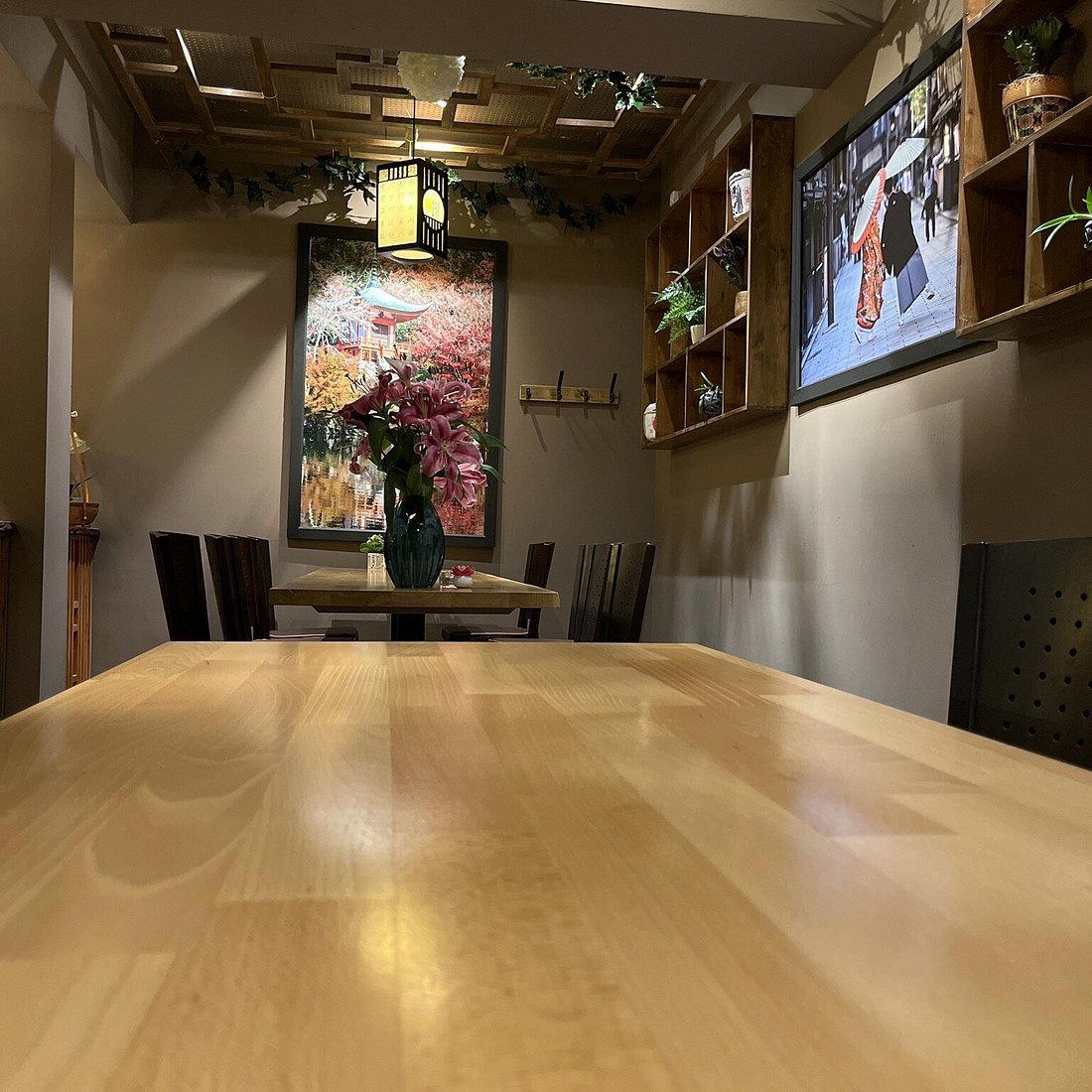
Krefeld's Ostwall and the Quiet Work of Independent Dining
The Ostwall is not a street that appears on Germany's fine dining circuit maps. It runs through a part of Krefeld that functions on local commerce rather than visitor traffic, which means the restaurants along it tend to answer to regulars rather than algorithm-chasing tourists. Sigon is an Asian Fusion with Sushi and Vietnamese restaurant at Ostwall 199 in Krefeld, Germany, with. It sits inside that logic. The address alone tells you something about the venue's relationship to its neighbourhood: this is not a space performing for an external audience.
Krefeld as a dining city occupies an unusual position in the North Rhine-Westphalia region. It is close enough to Düsseldorf's restaurant density to feel the gravitational pull of that market, yet distinct enough to sustain its own independent operators. The city's dining range now spans Vietnamese street food references at places like Banh Mi Bay Krefeld, Adriatic cooking at Dubrovnik Restaurant, and contemporary formats at FAVŌ. Within that spread, venues like Sigon occupy the harder-to-categorise middle ground, where format and cuisine type are less important than the consistency of what arrives on the table.
In Germany's restaurant culture, that combination of factors can mean different things. It can mean a venue that opened recently and hasn't yet accumulated a public profile. It can mean an operator deliberately indifferent to the recognition economy. It can also mean a neighbourhood restaurant that has found its audience without needing external validation.
What it does not mean, in a city like Krefeld, is obscurity in any damaging sense. The restaurants that last on streets like Ostwall tend to do so because local diners return, not because critics arrive. That dynamic produces a different kind of institutional stability than award recognition provides. Germany's Michelin-starred tier, represented elsewhere in the country by venues such as Aqua in Wolfsburg, Schwarzwaldstube in Baiersbronn, and JAN in Munich, operates on the logic of national and international visibility. Sigon, if the available record is any indication, operates on different terms entirely.
The Atmosphere an Ostwall Address Implies
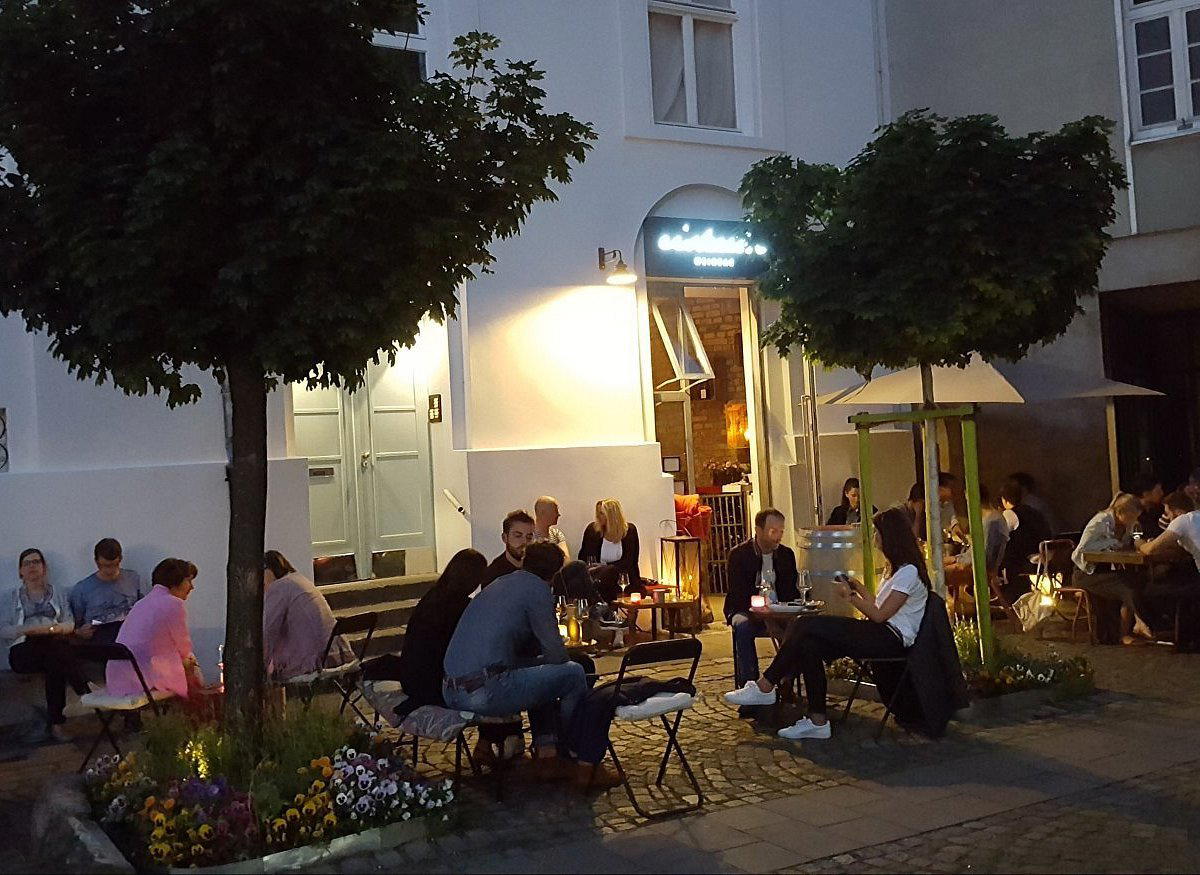
Approaching a venue on a street like Ostwall in the early evening, what you tend to encounter first is the shift in acoustics from the main road. The pedestrian rhythms here are local: people carrying shopping, dog walkers, occasional groups moving between neighbourhood cafes. A restaurant fitting this environment doesn't need a dramatic entrance or theatrical lighting visible from the pavement. The sensory register is lower, more domestic, and more honest about what it is.
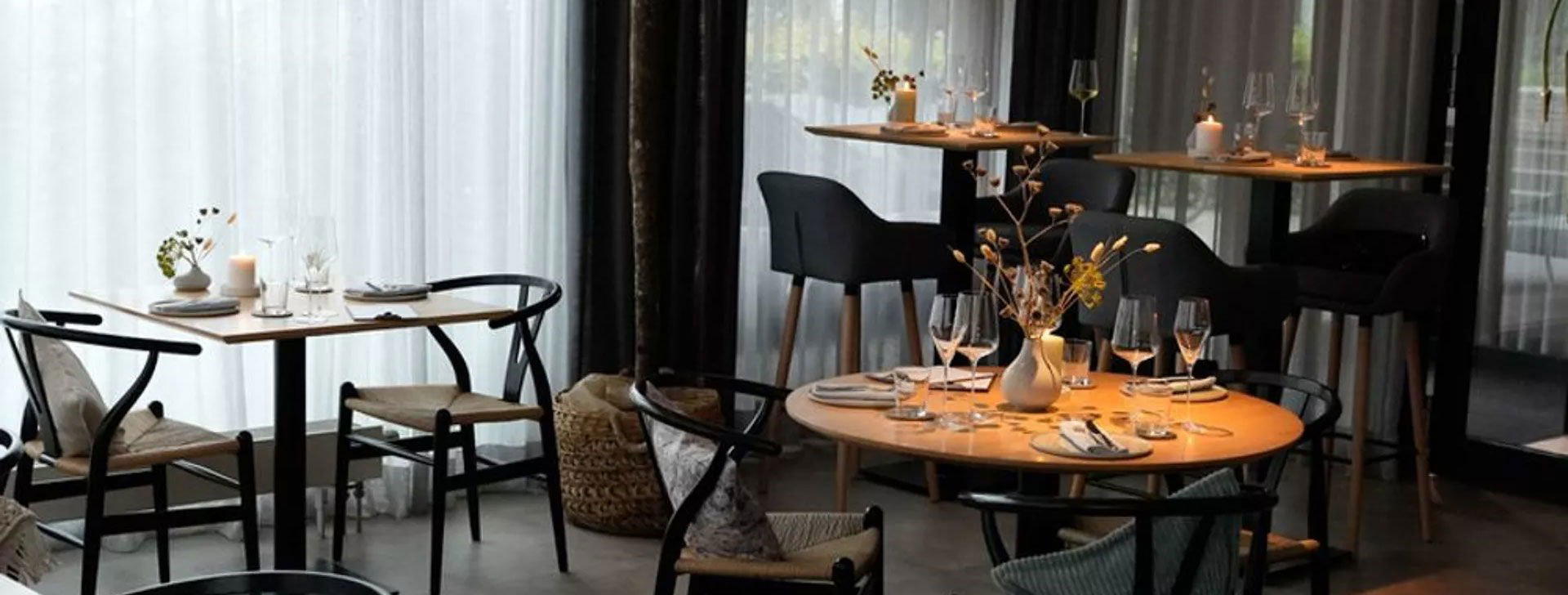
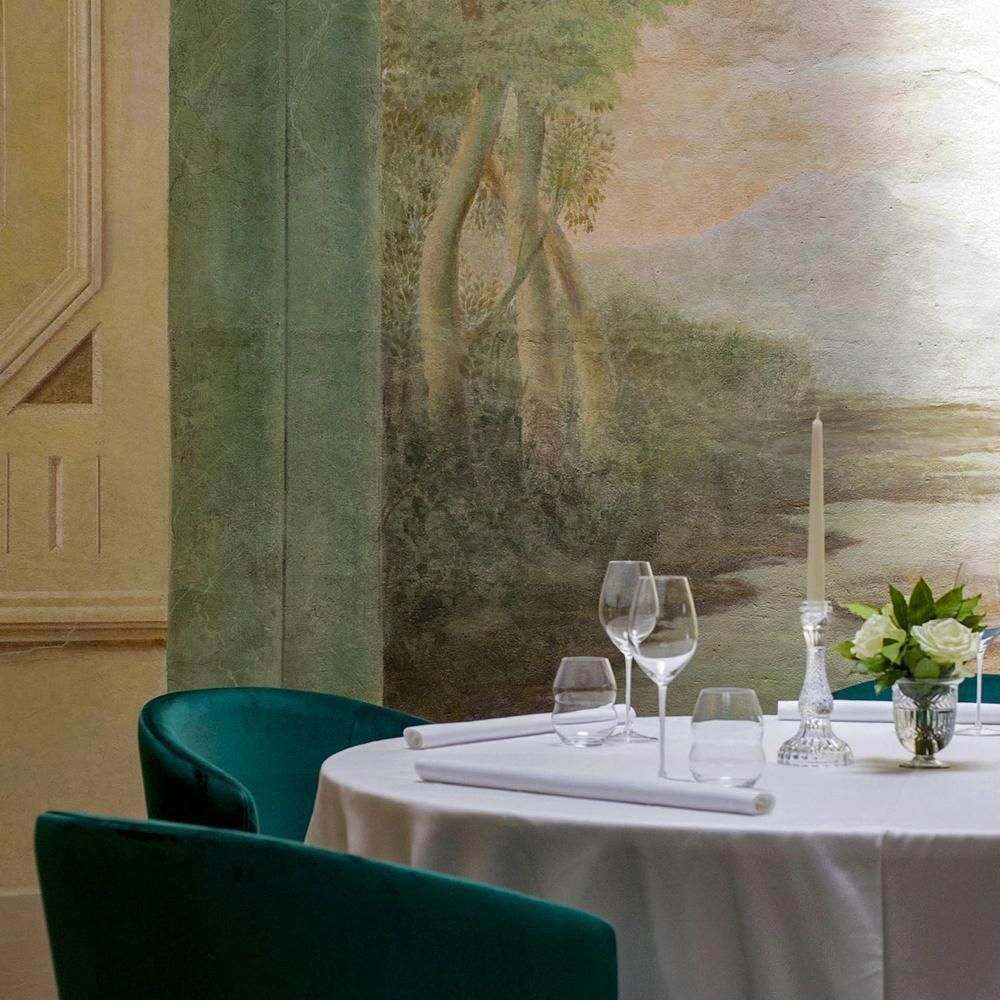
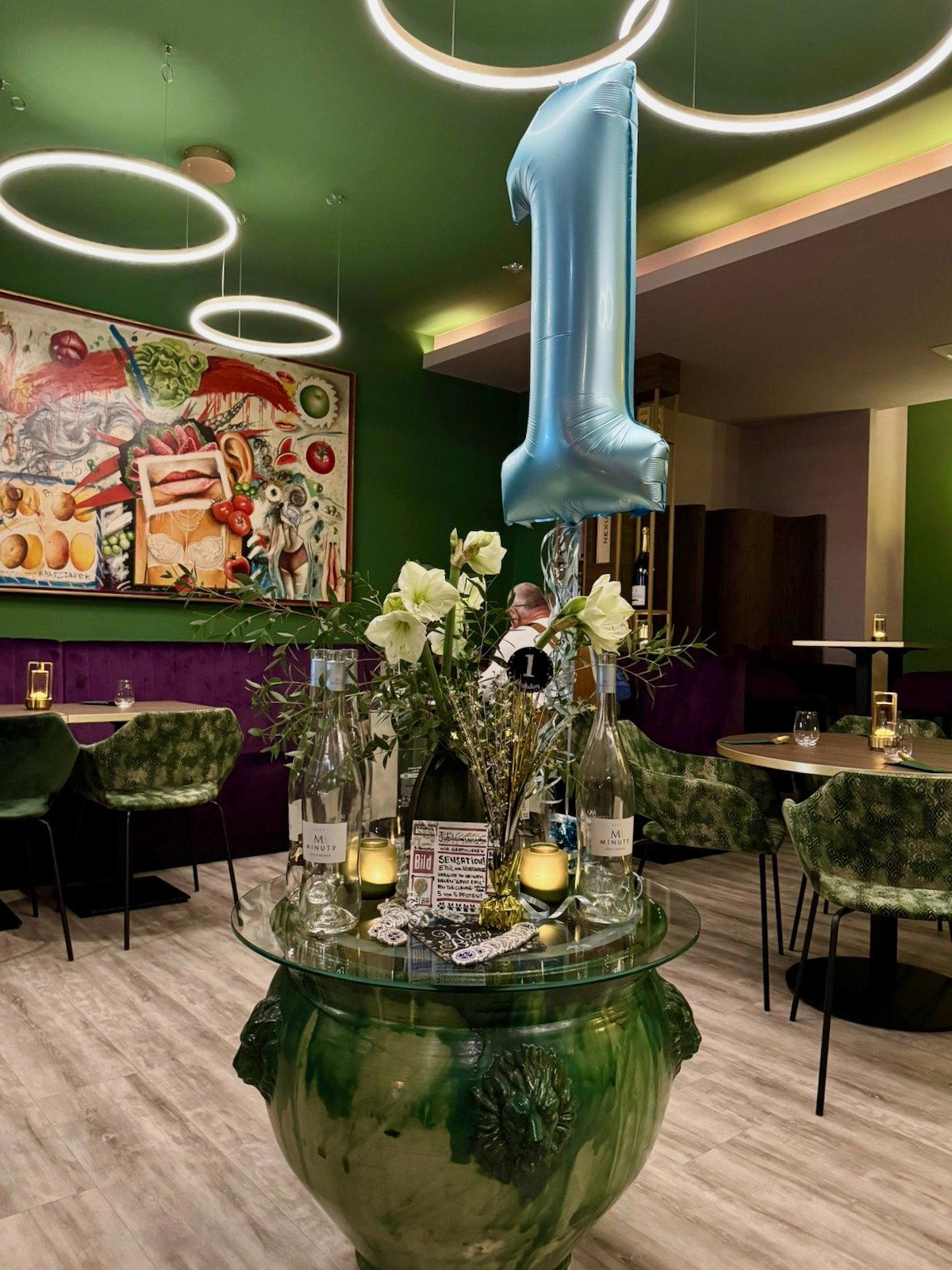
This matters because it sets the correct expectations for what dining in these spaces actually involves. The atmosphere in independently operated neighbourhood restaurants along German city-centre streets typically comes from the room's own logic: the density of tables, the quality of ambient sound management, the way light behaves in the space at different hours. These are harder qualities to describe than a tasting menu's architecture, but they determine whether a meal feels worth returning to far more reliably than any single dish.
For context on what the broader German restaurant scene is doing in format terms, the contrast is instructive. CODA Dessert Dining in Berlin has built an entire identity around inverting the conventional meal structure. Vendôme in Bergisch Gladbach operates within the classical fine dining register. ES:SENZ in Grassau represents the Alpine-contemporary strand. These are all legible formats with documented identities. What Sigon represents at this stage of its public record is something less resolved in category terms, which is not a weakness so much as a different relationship to how dining identity gets constructed.
Krefeld's Dining Context
The city's restaurant operators who have accumulated some external visibility include Kiriko, which occupies a distinct position in the local dining mix, and BurgerHof Krefeld, which addresses a different part of the market entirely. The range suggests a city where dining niches are filling in gradually rather than following any single developmental logic. That is the context in which Sigon operates: a Krefeld eating scene that is more varied than its national profile suggests, and increasingly confident in operators who work outside the recognisable fine dining framework.
Germany's highest-recognition tier involves venues like Victor's Fine Dining by Christian Bau in Perl, Waldhotel Sonnora in Dreis, and Restaurant Haerlin in Hamburg. These define one end of the country's dining spectrum. At the other end, and often more representative of how most Germans actually eat well, are the neighbourhood operators: consistent, local, and indifferent to the machinery of culinary recognition. Sigon's address on Ostwall positions it much closer to that second category, whatever its format turns out to be in practice.
For comparison within Germany's more document-rich restaurant tier, Schanz in Piesport demonstrates how a regional operator can build national recognition over time through sustained quality rather than metropolitan proximity. The trajectory from local to recognised is not quick, and it requires a level of public engagement that not every operator pursues. Globally, venues like Le Bernardin in New York City and Atomix in New York City represent what the fully documented, heavily credentialled end of the restaurant world looks like. Sigon is operating at a different scale and with different ambitions, at least for now.
Planning a Visit
Sigon is located at Ostwall 199, 47799 Krefeld. Sigon is recommended for reservations and is open Mon: 11:30 AM to 10 PM; Tue: 11:30 AM to 10 PM; Wed: 11:30 AM to 10 PM; Thu: 11:30 AM to 10 PM; Fri: 11:30 AM to 10:30 PM; Sat: 12 PM to 10:30 PM; Sun: 12 PM to 10:30 PM. The Ostwall is accessible from central Krefeld on foot or by tram. Given the absence of booking infrastructure in the public record, walk-in timing matters: early evening visits on weekdays tend to offer more flexibility at neighbourhood operators of this type than weekend prime hours.
Comparable Options
Comparable venues nearby, for context on price, style, and recognition.
| Venue | Cuisine | Price | Notes |
|---|---|---|---|
| SigonThis venue — the venue you are viewing | Asian Fusion with Sushi and Vietnamese | $$ | Not listed |
| Rosmarin | Mediterranean | $$ | Traar |
| FAVŌ | Asian Fusion with Japanese and Vietnamese Influences | $$ | Krefeld City |
| Restaurant Casa Pepe | Spanish Tapas | $$ | Krefeld |
| Soban Restaurant | Korean | $$ | Krefeld |
| KRasserie im verve⁵ | Modern Brasserie with Regional and International Influences | $$$ | Zur Feuerwache |

At a Glance
- Cozy
- Modern
- Casual Hangout
Current opening hours
- Monday
- 11:30 AM–10 PM
- Tuesday
- 11:30 AM–10 PM
- Wednesday
- 11:30 AM–10 PM
- Thursday
- 11:30 AM–10 PM
- Friday
- 11:30 AM–10:30 PM
- Saturday
- 12–10:30 PM
- Sunday
- 12–10:30 PM
Hours can change for holidays and private events. Last verified .
Welcoming atmosphere with attentive service and a casual dining vibe.