Banh Mi Bay on Krefeld's Marktstraße represents the Vietnamese sandwich tradition as it has spread through German mid-sized cities: affordable, fast, and anchored in a bread-and-filling format that travels well across cultures. The address places it at the commercial heart of Krefeld's pedestrian centre, making it a practical stop for anyone moving through the city's main retail corridor.
Pearl is the En Primeur Club membership app — saves, bookings, and concierge access live there. Same editors, same standards.
- Address
- Marktstraße 49-51, 47798 Krefeld, Germany
- Phone
- +4921516006500
- Website
- banhmibay.de
- Directions
- Get directions
 Saves & bookings on Pearl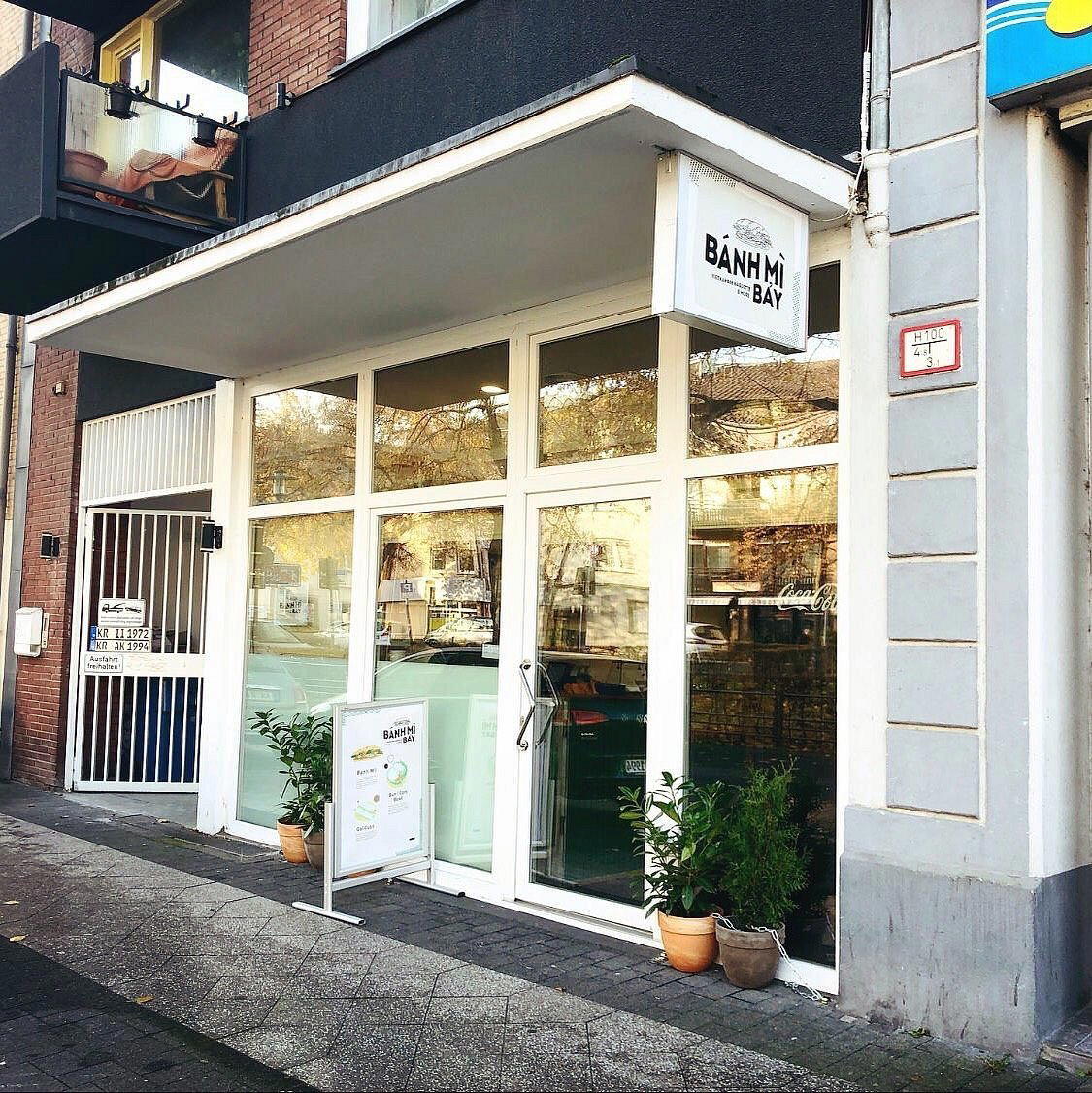
Vietnamese Street Food in a German Mid-Sized City
Banh mi has one of the more interesting trajectories in global street food. Born from the French colonial presence in Vietnam, the sandwich format absorbed a baguette-style loaf into a Vietnamese flavour logic, producing a hybrid that proved remarkably portable. By the time it reached Europe's diaspora communities in the late twentieth century, it carried enough structural flexibility to adapt to local ingredient availability while retaining a recognisable identity. In German cities with Vietnamese communities, that identity has held up. Krefeld sits within the broader Rhine-Ruhr corridor, a region with enough population density to support specialist food formats that might not survive in smaller markets, and Banh Mi Bay at Marktstraße 49-51 is one product of that demographic context.
The Vietnamese sandwich category in Germany sits in a distinct tier: high turnover, low price point, and dependent on the quality of its bread and the balance of its fillings rather than on kitchen theatrics. Compared to the tasting-menu formats at venues like Schwarzwaldstube in Baiersbronn or Aqua in Wolfsburg, this is a different register entirely. That is not a criticism. The banh mi format asks to be judged on its own terms: bread texture, filling ratio, the interplay of pickled vegetables against protein, and the heat level of any condiment applied. Those parameters are what determine whether a banh mi counter is worth returning to.
Marktstraße and What It Tells You About the Setting
Marktstraße is the spine of Krefeld's pedestrian shopping district. Approaching from the broader city centre, the street runs through a mix of chain retail, independent food outlets, and the kind of commercial density that marks a functioning mid-sized German city centre. A banh mi counter in this location is not a neighbourhood secret; it is operating in high-footfall territory, which shapes everything from its service pace to the composition of its customer base. The format suits the location. Banh mi is built for fast transactions, and a counter on a busy pedestrian street can serve the lunch rush without the friction of table service or reservations.
Krefeld's dining scene, covered in depth in our full Krefeld restaurants guide, spans from European mid-market options like Dubrovnik Restaurant and BurgerHof Krefeld to more ambitious international formats such as KRasserie im verve⁵, which operates at the €€€ tier. Banh Mi Bay occupies the opposite end of that spectrum, where accessibility and speed are the primary value proposition. It is part of a broader pattern across German mid-sized cities: as Asian food cultures have moved from specialist community shops into general commercial streets, the formats that survived are those that could operate efficiently at scale. Banh mi, with its portable format and flexible filling options, is well-suited to that transition.
The Ingredient Logic Behind the Format
The editorial angle that matters most for a banh mi counter is sourcing, because the sandwich depends on the quality of a small number of components. The bread is the first variable. Authentic banh mi uses a baguette with a thin, shatteringly crisp crust and a light, airy crumb produced partly through a combination of wheat and rice flour. In Vietnam, this distinction is immediate and tactile. In European markets, sourcing that specific texture requires either a supplier who understands the format or an in-house baking operation. The second variable is the pickled daikon and carrot, which provide the acidic contrast that makes the sandwich structurally coherent rather than merely filling. The third is the protein layer, whether pate, chả lụa (Vietnamese pork sausage), grilled meats, or tofu, which sets the flavour register for the whole sandwich.
What the ingredient logic of banh mi does tell you, as a general principle, is that the gap between a banh mi that works and one that does not is narrower than it appears. The format is simple enough that every element is exposed. This is a useful frame for any visitor: the quality signals are legible quickly, on the first bite, in a way that is not always true of more complex formats.
For readers interested in how sourcing decisions at higher price points shape a dining experience, the contrast with venues like JAN in Munich, Vendôme in Bergisch Gladbach, or CODA Dessert Dining in Berlin is instructive. At those tiers, sourcing is documented, narrated, and priced into the experience. At the banh mi counter level, sourcing is equally consequential but largely invisible to the diner, communicated only through the result on the plate rather than through a menu story.
Where Banh Mi Bay Sits in Krefeld's Eating Options
Krefeld's food scene skews toward European formats, with Vietnamese and other Asian options representing a smaller segment of the available choices. Venues like Kiriko and FAVŌ suggest that the city can support more varied formats than a first glance at the high street might imply. In that context, a Vietnamese sandwich counter on the main pedestrian street is a marker of how far Asian food cultures have normalised in German urban eating, even outside the major metropolitan centres. The trajectory from community-facing specialty shop to mainstream high street presence is visible in Krefeld's Marktstraße in the same way it is in comparable streets across Dortmund, Duisburg, and Düsseldorf.
For visitors to Krefeld who have time for only one meal at a more considered price point, the comparison set extends beyond the city. Germany's Michelin-recognised restaurants, from Victor's Fine Dining by Christian Bau in Perl to ES:SENZ in Grassau, Schanz in Piesport, Waldhotel Sonnora in Dreis, and Restaurant Haerlin in Hamburg, define the formal dining ceiling. Banh Mi Bay is not operating in that register, and there is no usefulness in applying those standards to it. Internationally, the contrast with venues like Le Bernardin in New York City or Lazy Bear in San Francisco is simply a matter of category, not a hierarchy of value within the same category.
Planning Your Visit
Banh Mi Bay is located at Marktstraße 49-51, 47798 Krefeld, placing it in the pedestrian core of the city centre. As with most high-turnover street food counters, the practical advice is to visit outside the midday peak if you want a less pressured experience; lunch hours on a busy pedestrian street tend to compress service and shorten any opportunity to assess the counter's operation at its own pace. No reservation is required for this format. Current hours are Mon: Closed; Tue: 11:30 AM-7:30 PM; Wed: 11:30 AM-7:30 PM; Thu: 11:30 AM-7:30 PM; Fri: 11:30 AM-7:30 PM; Sat: 11:30 AM-6 PM; Sun: Closed. Price is about $10 per person.
A Quick Peer Check
Comparable venues nearby, for context on price, style, and recognition.
| Venue | Cuisine | Price | Notes |
|---|---|---|---|
| Banh Mi Bay KrefeldThis venue — the venue you are viewing | Authentic Vietnamese Banh Mi | $ | Not listed |
| Soban Restaurant | Korean | $$ | Krefeld |
| Rosmarin | Mediterranean | $$ | Traar |
| Dubrovnik Restaurant | Croatian Grill & Mediterranean | $$ | Friedrichsplatz |
| Restaurant Casa Pepe | Spanish Tapas | $$ | Krefeld |
| FAVŌ | Asian Fusion with Japanese and Vietnamese Influences | $$ | Krefeld City |
Continue exploring
More in Krefeld
Restaurants in Krefeld
Browse all →
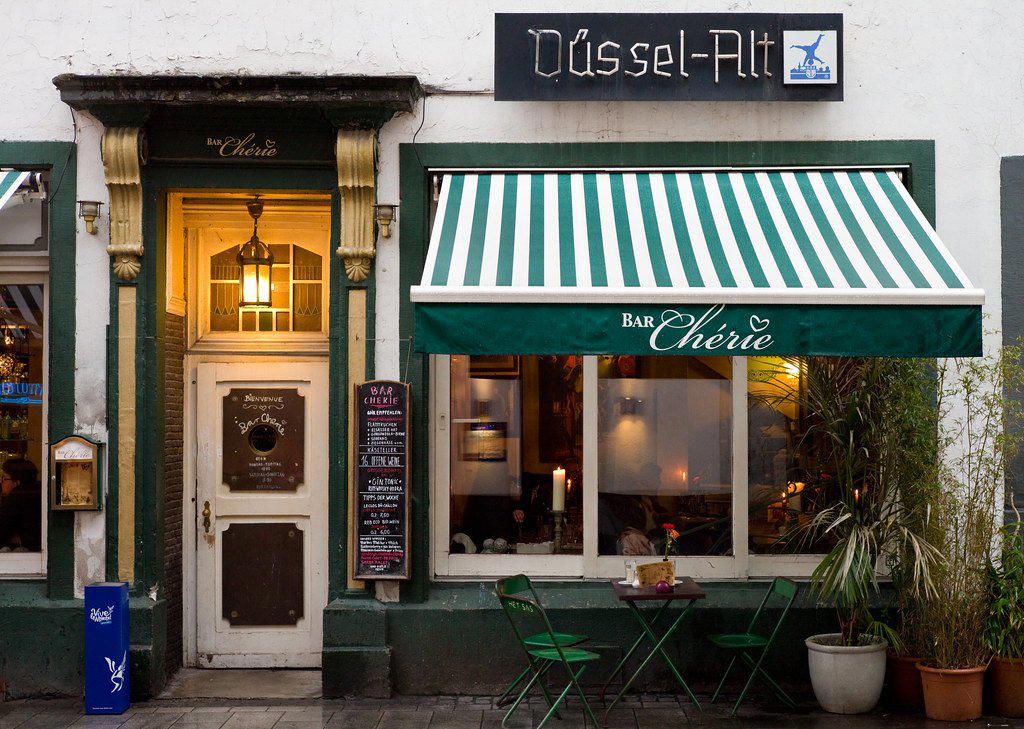
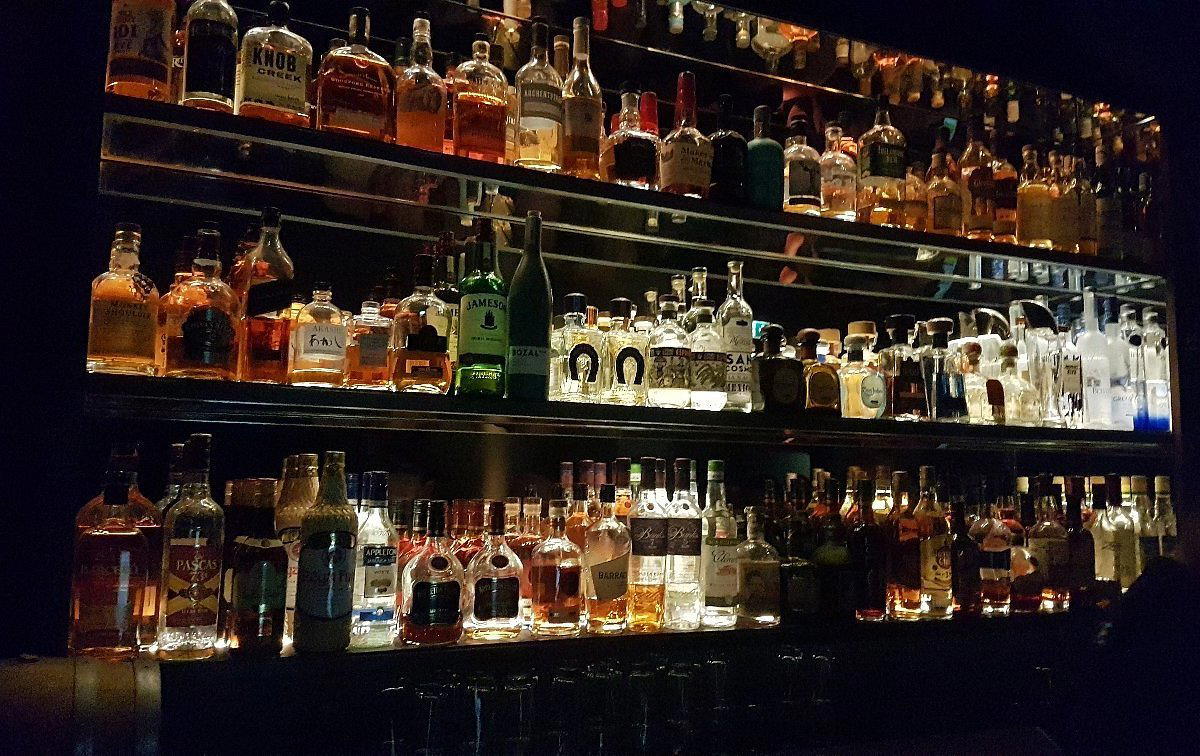
Bars in Krefeld
Browse all →
Hotels in Krefeld
Browse all →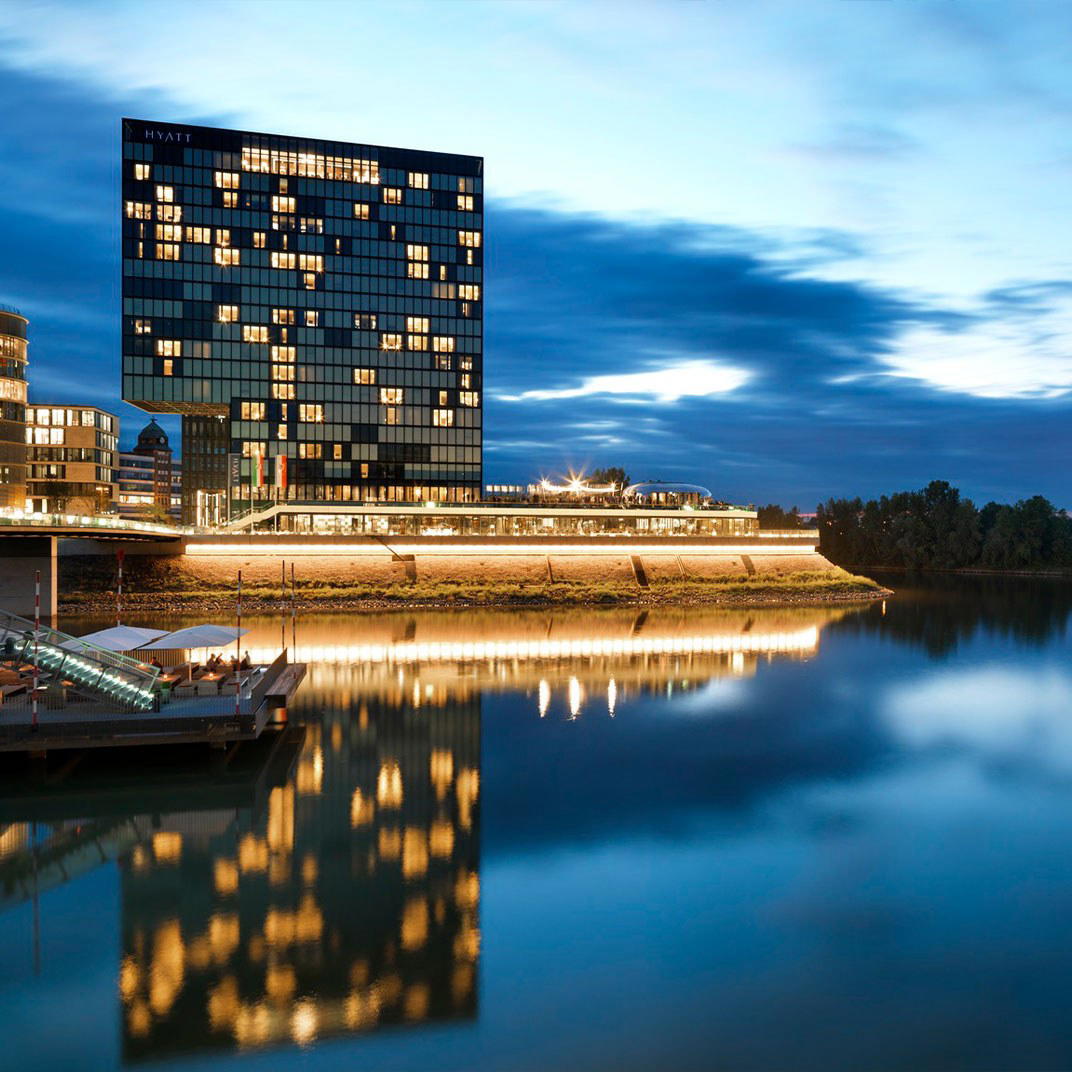
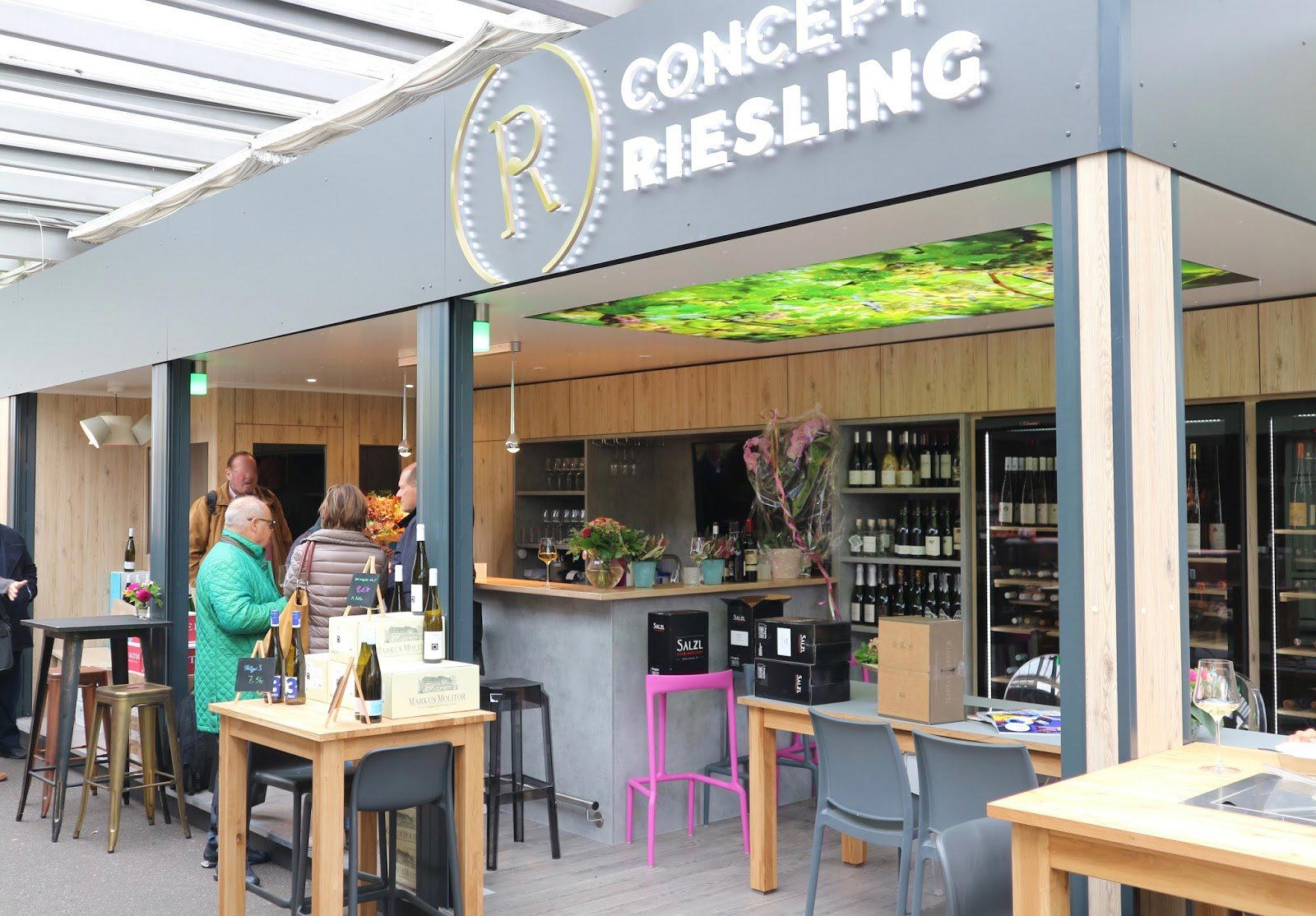
Wineries in Krefeld
Browse all →
At a Glance
- Cozy
- Casual Hangout
- Open Kitchen
Current opening hours
- Monday
- Closed
- Tuesday
- 11:30 AM–7:30 PM
- Wednesday
- 11:30 AM–7:30 PM
- Thursday
- 11:30 AM–7:30 PM
- Friday
- 11:30 AM–7:30 PM
- Saturday
- 11:30 AM–6 PM
- Sunday
- Closed
Hours can change for holidays and private events. Last verified .
Inviting casual atmosphere with friendly service, suitable for indoor or outdoor seating.