BurgerHof Krefeld serves American Burgers at Hafelsstraße 251, with a beer program and a quick-bite format that fits lunch or dinner in a casual, conversational setting.
Pearl is the En Primeur Club membership app — saves, bookings, and concierge access live there. Same editors, same standards.
- Address
- Hafelsstraße 251, 47809 Krefeld, Germany
- Phone
- +4921517848200
- Website
- burgerhof-krefeld.de
- Directions
- Get directions
 Saves & bookings on Pearl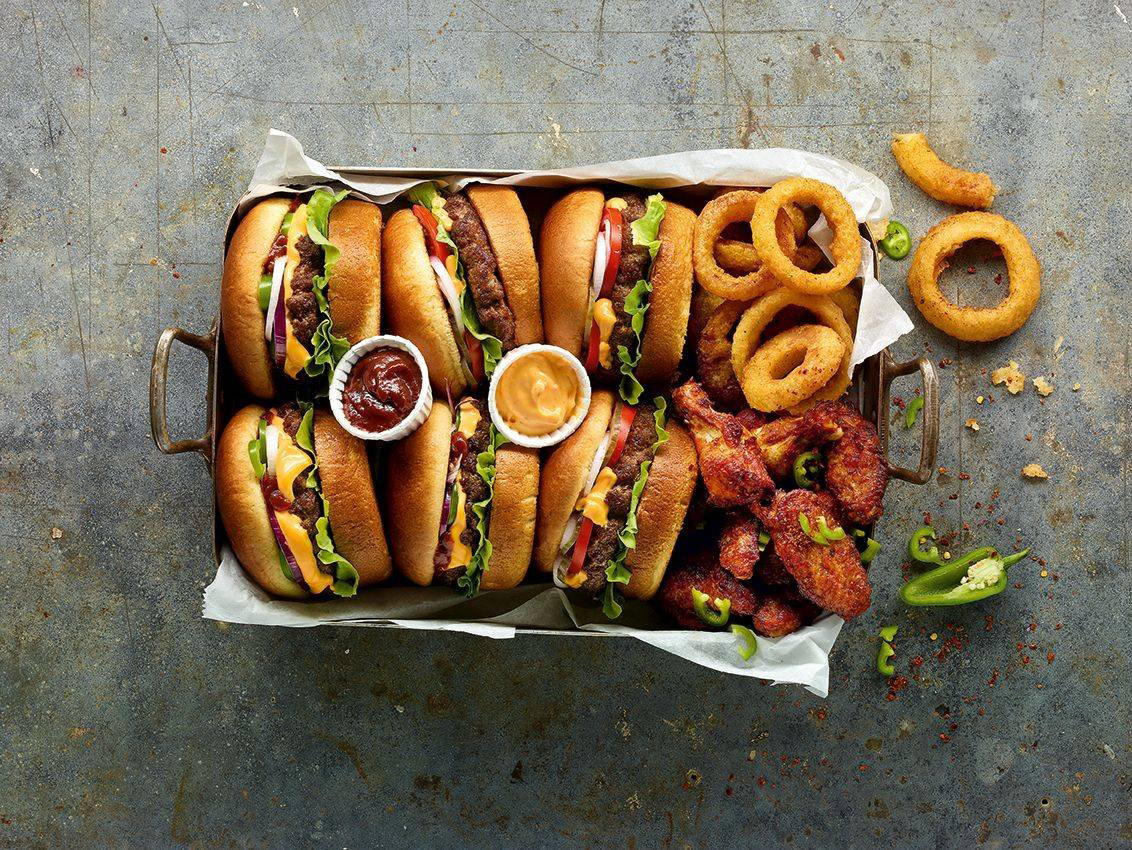
Burgers in the Industrial Heartland: What Krefeld's Appetite Reveals
Hafelsstraße sits in a part of Krefeld that does not announce itself, no medieval market square, no Rhine promenade. This is the city's working fabric: low-rise industrial units, wide roads built for delivery vehicles, and the kind of neighbourhood where a burger operation can keep its head down and focus on output rather than theatre. In German cities of this scale, that context matters. The burger category here is not the exported American spectacle it once was; it has settled into something more local, more pragmatic, and in the better cases, more confident about what it actually is.
BurgerHof Krefeld is a casual American Burgers restaurant at Hafelsstraße 251, 47809 Krefeld, Germany. The name itself is plain-spoken in the German tradition, a compound that translates loosely as burger yard or burger farm, invoking something direct and grounded rather than branded or aspirational. That naming choice is consistent with how the burger format has evolved in mid-sized German cities: away from the American-franchise model and toward something rooted in local eating habits and simpler hospitality.
The Burger Format in Germany: A Wider Shift
To understand where a place like BurgerHof Krefeld sits, it helps to understand what has happened to the burger category across Germany over the past fifteen years. The format arrived in force via American chains, then was rapidly absorbed and reinterpreted by independent operators who saw in the burger a vehicle for local sourcing, regional meat traditions, and the kind of unpretentious everyday eating that German food culture has always valued alongside its fine-dining achievements.
Cities like Düsseldorf and Cologne, both within commuting distance of Krefeld, now have dense independent burger markets where quality-driven operators compete not on novelty but on ingredient sourcing, bun-to-patty ratio, and the consistency of execution across a busy service. Krefeld, smaller and less trafficked by food media, has developed its own version of that market at a quieter register. The operators here are not building profiles; they are building regulars. That dynamic produces a different kind of venue from the attention-seeking city-centre burger bar, and BurgerHof reads as a product of exactly that local logic.
Cultural Roots of the Burger in a German Context
The hamburger's etymological connection to Germany is documented history, not marketing. The Hamburg steak that emigrated with nineteenth-century German immigrants to the United States and returned in processed form a century later has now completed a further loop: German operators are reclaiming the format and, in the better cases, applying the same attention to meat quality and preparation that defines German butchery tradition.
That tradition is not incidental. German beef culture, centred on breeds suited to the country's pasture conditions, and on a butchery approach that values the whole animal, provides a logical foundation for a serious burger operation. The Niederrhein region, which includes Krefeld, has its own agricultural character: a flat, river-influenced landscape with cattle farming that has supplied regional kitchens for generations. A burger operation in this geography has access to supply chains that a city-centre venue chasing trend-driven sourcing narratives might not think to engage.
It is to say that the conditions for a quality-driven burger operation in this location are structurally present, and that the format's cultural logic in Germany gives independent operators here a more coherent identity than the category sometimes manages in markets where it arrived purely as import.
Krefeld in the German Fine-Dining Map
Visitors making the effort to reach the region can extend their trip to consider Schwarzwaldstube in Baiersbronn, Aqua in Wolfsburg, or JAN in Munich. Further reference points in the upper tier of German dining include Vendôme in Bergisch Gladbach, Victor's Fine Dining by christian bau in Perl, ES:SENZ in Grassau, Schanz in Piesport, Waldhotel Sonnora in Dreis, and Restaurant Haerlin in Hamburg.
BurgerHof operates in a different register from all of these, and that is precisely the point. The mid-range independent burger format serves a function in a city's eating life that no amount of fine dining can replace: it is the category that covers a weekday lunch, a post-work meal, or the kind of casual gathering that does not require booking three months ahead.
Planning a Visit
BurgerHof Krefeld is located at Hafelsstraße 251, 47809 Krefeld. The address is in a non-central district of Krefeld, making it more practical to reach by car than on foot from the city centre.
Price and Positioning
Comparable venues nearby, for context on price, style, and recognition.
| Venue | Cuisine | Price | Notes |
|---|---|---|---|
| BurgerHof KrefeldThis venue — the venue you are viewing | near FitX, American Burgers | $ | Not listed |
| Banh Mi Bay Krefeld | Not listed | $ | :null, Authentic Vietnamese Banh Mi |
| Kiriko | Königstraße, Authentic Japanese Ramen | $$ | Not listed |
| FAVŌ | Not listed | $$ | Krefeld City, Asian Fusion with Japanese and Vietnamese Influences |
| Dubrovnik Restaurant | Not listed | $$ | Friedrichsplatz, Croatian Grill & Mediterranean |
| Rosmarin | Traar, Mediterranean | $$ | Not listed |
Continue exploring
More in Krefeld
Restaurants in Krefeld
Browse all →
Bars in Krefeld
Browse all →
Hotels in Krefeld
Browse all →
Wineries in Krefeld
Browse all →
At a Glance
- Cozy
- Trendy
- Casual Hangout
- Beer Program
Current opening hours
- Monday
- Closed
- Tuesday
- 11 AM–9 PM
- Wednesday
- 11 AM–9 PM
- Thursday
- 11 AM–9 PM
- Friday
- 11:30 AM–10 PM
- Saturday
- 11:30 AM–10 PM
- Sunday
- 12–9:30 PM
Hours can change for holidays and private events. Last verified .
Warm and inviting with a family feel, though sometimes chilly due to drafts.