FAVŌ sits on Breite Strasse in central Krefeld, positioning itself within a city that punches quietly above its dining weight relative to its size and regional profile. With sparse public data and no listed awards, it operates in the part of the Krefeld scene where word-of-mouth and local repeat custom matter more than algorithm-driven visibility. Worth investigating before the city's growing restaurant conversation catches up with it.
Pearl is the En Primeur Club membership app — saves, bookings, and concierge access live there. Same editors, same standards.
- Address
- Breite Str. 48, 47798 Krefeld, Germany
- Phone
- +4921519188180
- Website
- favo.eatbu.com
- Directions
- Get directions
 Saves & bookings on Pearl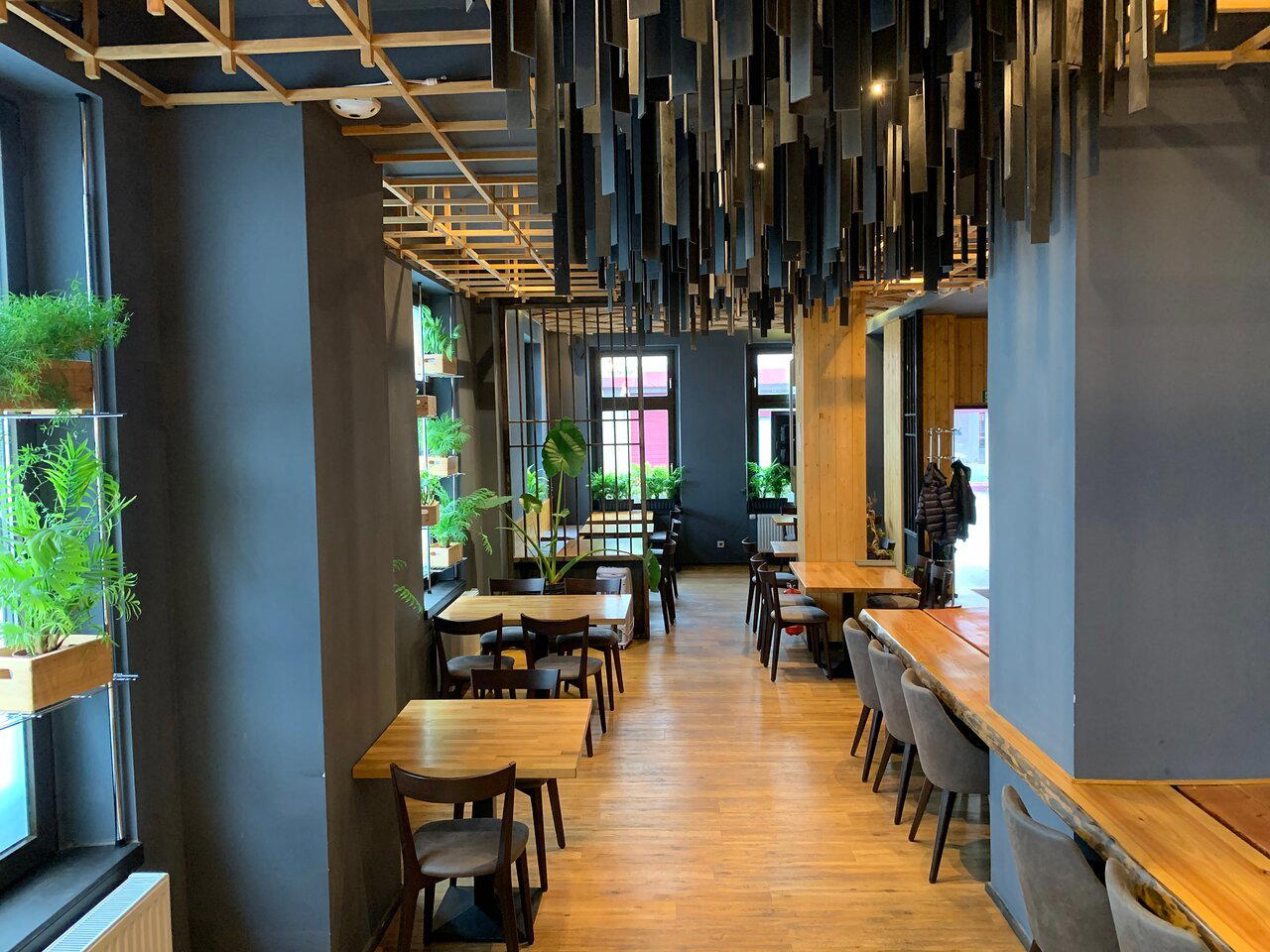
Breite Strasse and the Quiet Case for Krefeld Dining
Krefeld does not announce itself. Krefeld sits between Düsseldorf and the Dutch border in the lower Rhine region. For restaurants on Breite Strasse, the city's commercial and pedestrian spine, it means operating in a market where local loyalty counts more than influencer traffic, and where a dining room earns its regulars the slow way.
FAVŌ is a restaurant serving Asian Fusion with Japanese and Vietnamese Influences at Breite Str. 48 in Krefeld, Germany. The street runs through the commercial heart of Krefeld's city centre, giving the venue a position that is neither destination-remote nor tourist-saturated. It is the kind of address that rewards residents more than visitors, and that tends to self-select for guests who already know what they want rather than first-timers working from a city guide.
Krefeld in the German Dining Conversation
Germany's serious dining scene has historically concentrated in a handful of cities and, more strikingly, in rural locations with the space and clientele to sustain ambitious tasting menus. Places like Schwarzwaldstube in Baiersbronn, Aqua in Wolfsburg, or Waldhotel Sonnora in Dreis built reputations from geography that forced a certain kind of intentionality from guests. Urban venues in second-tier cities operate differently: they cannot rely on a destination draw, so they build on neighbourhood density and the rhythm of a local dining week.
Krefeld's restaurant mix reflects that. KRasserie im verve⁵ represents the international, mid-to-upper price bracket in the city. Alongside it, the city's dining map includes more casual formats: Banh Mi Bay Krefeld for Vietnamese-inflected sandwiches, BurgerHof Krefeld for direct burger formats, Dubrovnik Restaurant for Balkan cooking, and Kiriko in the Japanese space. FAVŌ enters this mix at an address that suggests active participation in the city's commercial dining corridor, rather than a retreat to a quieter residential quarter.
What the Address Tells You Before You Arrive
In European mid-size cities, a high-street address like Breite Strasse carries specific implications. Foot traffic is higher, rents tend to follow, and the surrounding competition is more visible. A restaurant that survives on a commercial pedestrian street does so because its offer is clear enough to hold repeat custom against the constant presence of alternatives. The location is not a neighbourhood-restaurant address in the quieter sense: it requires a proposition that works across lunch and dinner cycles, and across a week that includes both office workers and weekend tables.
That physical context shapes the likely atmosphere before any menu decision is made. Commercial-centre dining rooms in German cities of Krefeld's scale tend toward a certain pragmatism in their design: visible, accessible, and operating with an awareness that not every guest arrived with a reservation made days in advance. Whether FAVŌ leans into that accessibility or works against it with a more deliberately intimate format is one of the more interesting questions the address raises without yet answering.
Thinking About Germany's Broader Fine Dining Map
For guests planning a wider German trip, it helps to understand where Krefeld fits in the national dining hierarchy. Germany's Michelin-starred tier is more geographically distributed than many visitors expect: three-star operations appear in places as varied as Perl, Piesport, and Grassau. Victor's Fine Dining by Christian Bau in Perl, Schanz in Piesport, and ES:SENZ in Grassau are part of that distributed map. Urban venues in the North Rhine-Westphalia region, including those in Krefeld's orbit, compete differently, often on accessibility, value relative to comparable ambition in larger cities, and the kind of consistency that builds a local following over years rather than press cycles.
Krefeld's proximity to Düsseldorf means it is never entirely isolated from that city's more developed food scene. But proximity also creates a dynamic where Krefeld venues need a reason to exist independently of the larger neighbour, and that reason is almost always either price positioning, neighbourhood belonging, or a format that the larger city does not serve as well. JAN in Munich and Restaurant Haerlin in Hamburg occupy stronger examples from their respective city tiers; Krefeld's dining positions itself in a different register entirely, which is not a criticism so much as a description of scale and market logic.
For international context, the contrast with something like Le Bernardin in New York City or Lazy Bear in San Francisco, both operating inside deeply competitive metropolitan dining markets, underlines how different the conditions are for a restaurant in a lower-Rhine city of under 250,000 people. Different conditions require different reading frameworks. Krefeld venues should be assessed on the terms their market makes possible, not against benchmarks built for global dining capitals.
Formats that have gained traction in German urban dining over the past decade, including dessert-focused tasting menus of the kind CODA Dessert Dining in Berlin represents or the Vendôme-level investment in classical French technique at Vendôme in Bergisch Gladbach, reflect the range of what German diners now expect from serious restaurants. Where FAVŌ positions itself within that range is a question its current public profile does not fully resolve.
Planning a Visit
FAVŌ is located at Breite Str. 48, 47798 Krefeld, in the city's central commercial district, accessible from the main pedestrian zone and Krefeld's central transport connections. The restaurant is recommended for reservations and is priced at about $25 per person. Walk-ins may be possible during quieter service periods, but reserving is recommended.
At a Glance
Comparable venues nearby, for context on price, style, and recognition.
| Venue | Cuisine | Price | Notes |
|---|---|---|---|
| FAVŌThis venue — the venue you are viewing | Not listed | $$ | Not listed |
| BurgerHof Krefeld | near FitX, American Burgers | $ | Not listed |
| Sigon | Not listed | $$ | Ostwall, Asian Fusion with Sushi and Vietnamese |
| Rosmarin | Traar, Mediterranean | $$ | Not listed |
| Restaurant Küferei | Traditional German | $$ | Not listed |
| Dubrovnik Restaurant | Not listed | $$ | Friedrichsplatz, Croatian Grill & Mediterranean |
Continue exploring
More in Krefeld
Restaurants in Krefeld
Browse all →
Bars in Krefeld
Browse all →
Hotels in Krefeld
Browse all →
Wineries in Krefeld
Browse all →
At a Glance
- Modern
- Trendy
- Date Night
- Casual Hangout
Current opening hours
- Monday
- Closed
- Tuesday
- 11:30 AM–3 PM, 5–10 PM
- Wednesday
- 11:30 AM–3 PM, 5–10 PM
- Thursday
- 11:30 AM–3 PM, 5–10 PM
- Friday
- 11:30 AM–3 PM, 5–10 PM
- Saturday
- 12–10 PM
- Sunday
- 12–10 PM
Hours can change for holidays and private events. Last verified .