
Michelin Plate
Our verdict
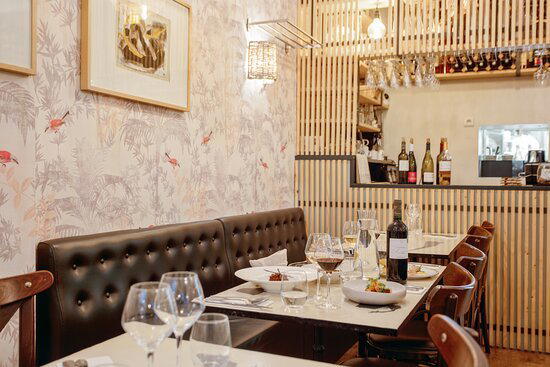
A Michelin Plate-recognised Franco-Korean restaurant in the 18th arrondissement, Signature Montmartre operates at the compact, personal end of Paris fusion dining. The kitchen draws on Korean technique and French classical training to produce a menu of subtle, aromatic combinations, bonito tataki, watercress crepe, vitello tonnato with mint, backed by.

Pearl is the En Primeur Club membership app, where members save venues, book tables and use the concierge.
The menu
What to order
- Beef tartare
- Sea bass
- Quail with foie gras
Where Montmartre's Tourist Density Meets a Genuinely Personal Kitchen
Small restaurants with serious ambitions are nothing new in the 18th arrondissement, but the ratio of genuine cooking to tourist-facing mediocrity has long been weighted against the former. Montmartre draws visitors in enormous numbers, and the streets around Sacré-Cœur have historically rewarded operators willing to coast on location rather than kitchen discipline. Signature Montmartre, on Rue des Trois Frères, sits in a different register. The Michelin Plate it holds since 2025 places it in the category of restaurants that inspectors consider worth the reader's attention, a recognition that does not carry a star but does signal culinary consistency above the neighbourhood median.
The Franco-Korean Fusion Frame in Paris
Paris has developed a credible Franco-Asian fusion category over the past decade, shaped partly by the influence of Kei Kobayashi's celebrated Franco-Japanese work at Kei (€€€€) and by a broader generational openness to technique-led cross-cultural cooking. Signature Montmartre operates well below that price tier, at €€, but draws on a comparable logic: Korean training applied to French structural cooking, producing something that reads as French in form and Korean in instinct. Dishes like a tataki of bonito with cucumber pickles, a watercress crepe, and a vitello tonnato adjusted with mint demonstrate the approach, classical European formats rearranged around fermentation-adjacent freshness and aromatic subtlety. The vitello tonnato with mint in particular illustrates how small interventions shift established preparations rather than replacing them. For comparable fusion ambition at different price points across Europe, Ajonegro in Logroño and Arkestra in Istanbul operate in related cross-cultural territory.
A Format Built Around Intimacy
The restaurant is small, described in Michelin documentation as Lilliputian, which in Paris restaurant terms typically means fewer than thirty covers, possibly considerably fewer. That scale governs everything: the way bookings function, the pace of service, and the degree to which a single kitchen personality defines the experience on any given evening. The format is run by a Franco-Korean couple, with front-of-house led by the host, who manages wine guidance alongside service, and the kitchen directed by the pastry-trained chef. Pastry training in the kitchen lead is worth noting because it generally produces a different relationship to texture and precision than savoury-chef backgrounds, flavour combinations that foreground balance and restraint over intensity. The menu at Signature Montmartre reflects that: described in available documentation as intelligent recipes scattered in subtle aromas, which places it firmly in the quieter register of French fusion rather than the bolder, fermentation-forward direction some of its peers have taken.
Bookings are strongly recommended. At this size, walk-ins carry real risk of finding the room full, particularly on weekends when tourist foot traffic on Rue des Trois Frères peaks. The address is inside the dense pedestrian zone south of the Butte, walkable from Abbesses Métro (line 12), which places it roughly equidistant from the Sacré-Cœur crowds above and the more locally inhabited lower 18th below. The surrounding streets have a concentration of neighbourhood restaurants that skew casual, which makes a Michelin-recognised kitchen at this price point a relatively scarce find in this precise pocket of the arrondissement.
Evolution in a Neighbourhood That Resists It
Montmartre's restaurant identity has changed slowly. The dominant pattern remains high-turnover brasseries and crêperies serving the post-Sacré-Cœur visitor flow, with a thinner layer of genuine neighbourhood cooking underneath. What has shifted in the last five to eight years is the emergence of small operator-run kitchens at mid-price points, not trying to compete with the grand cuisine institutions of central Paris, but also not conceding to tourist-volume logic. Signature Montmartre belongs to that emerging stratum. Its Michelin Plate recognition in 2025 is a data point about trajectory as much as current standing: inspectors tend to track upward momentum, and a Plate in a neighbourhood not historically associated with serious cooking suggests the kitchen has been consistent enough to register on that circuit. The Franco-Korean combination is also a contemporary signal. Ten years ago, the Franco-Asian fusion restaurants commanding the most attention in Paris were predominantly Franco-Japanese, Akabeko and La Table de Maïna both represent corners of the city's continued interest in cross-cultural French cooking. Korean influence, with its emphasis on fermentation, pickled acidity, and contrast of temperature and texture, represents a later wave, and one that pairs productively with French classical technique in ways the kitchen at Signature Montmartre appears to have developed deliberately rather than incidentally.
Where It Sits Against the Paris Fusion Field
The distance between Signature Montmartre and the upper tier of Paris creative cooking is significant in price and scale. Restaurants like Alléno Paris au Pavillon Ledoyen and Arpège operate at €€€€, with decades of institutional weight behind them. Flocons de Sel in Megève, Mirazur in Menton, Troisgros in Ouches, Paul Bocuse in Collonges-au-Mont-d'Or, Bras in Laguiole, and Auberge de l'Ill in Illhaeusern each represent France's broader tradition of regional fine dining at the upper end of the field. Signature Montmartre is making a different argument: that a small, precise, owner-operated kitchen in a mid-price tier, working a specific cultural intersection, can hold critical recognition without the infrastructure of those institutions. That argument is increasingly common in Paris's more interesting mid-range restaurants. Also worth noting in the broader Paris fusion context is Le Mezquité, which approaches cross-cultural cooking from a different regional angle and operates in a comparable accessible tier.
Planning a Visit
Signature Montmartre is at 12 Rue des Trois Frères, 75018 Paris. The €€ price bracket puts it within reach for a mid-week dinner without the planning overhead of a tasting-menu institution, but the small room means availability narrows quickly. Booking ahead is advisable, the venue's documentation specifically flags this, which at this size is less a formality than a practical requirement. The host's wine guidance is an active part of the experience rather than a passive list service, which suits visitors willing to let the room lead rather than arrive with a fixed order in mind. For a broader view of where this restaurant sits within Paris's dining options, see our full Paris restaurants guide, and for planning the wider trip, our Paris hotels guide, bars guide, wineries guide, and experiences guide cover the full picture.
Frequently asked questions
What should I budget for a meal at Signature Montmartre?
Pricing at Signature Montmartre is listed as €€.
Side-by-Side Snapshot
A quick peer reference to anchor this venue in its category.
| Venue | Cuisine | Price | Awards | Notes |
|---|---|---|---|---|
| Signature MontmartreThis venue (the venue you are viewing) | Franco-Asian Fusion | $50–100 | Michelin Plate | Not listed |
| Alléno Paris au Pavillon Ledoyen | Modern French Fine Dining | $150–200 | 3 Michelin Stars · World's 50 Best #79 | Creative |
| Kei | Modern French with Japanese Influences | $300–500 | 3 Michelin Stars · World's 50 Best #93 | Contemporary French, Modern Cuisine |
| L'Ambroisie | Classic French Haute Cuisine | $300–500 | 2 Michelin Stars · World's 50 Best #23 | French, Classic Cuisine |
| Le Cinq - Four Seasons Hôtel George V | Modern French Fine Dining | $300–500 | 3 Michelin Stars · World's 50 Best #24 | French, Modern Cuisine |
| Plénitude | Modern French Sauce-Led Fine Dining | $300–500 | 3 Michelin Stars · World's 50 Best #14 | Contemporary French |
Recognition history
Dated appearances from independent guides and award organizations, with the underlying list record or original source where available.
Michelin Plate
Michelin
Full recognition history (3 entries)
Michelin Plate
Michelin
Michelin Plate
Michelin
Continue exploring
More in Paris
Restaurants in Paris
All restaurants in Paris →
Bars in Paris
All bars in Paris →
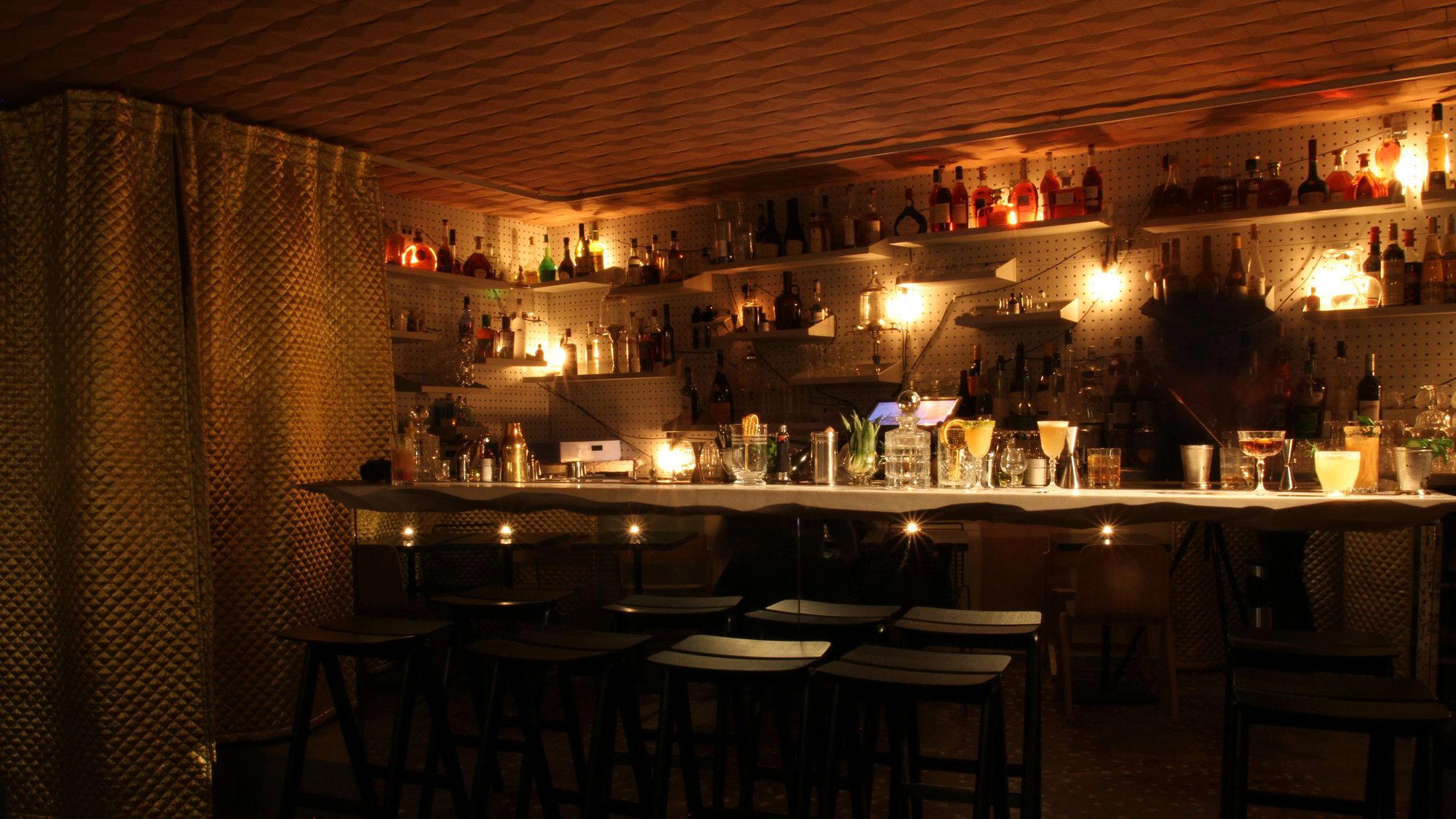
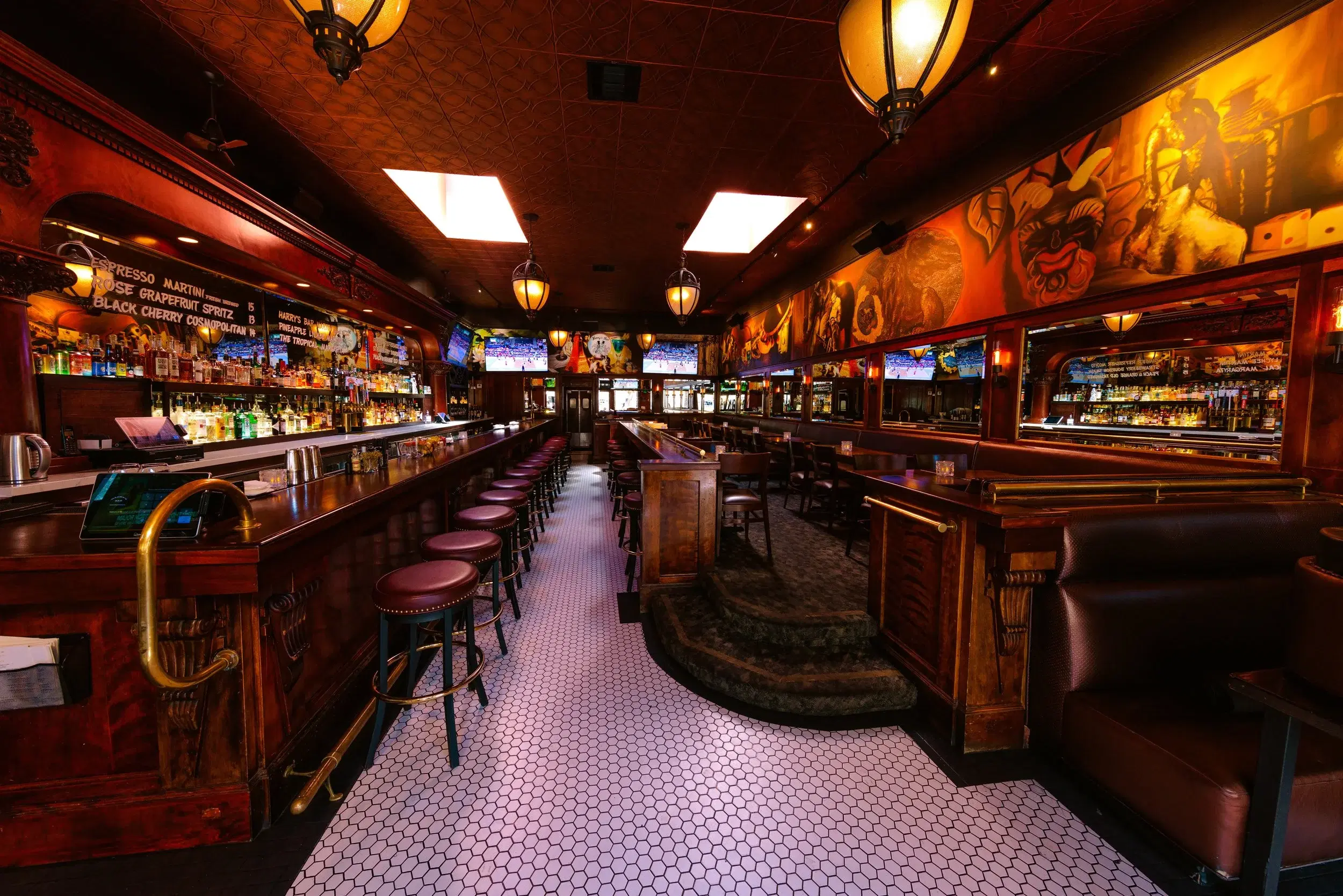
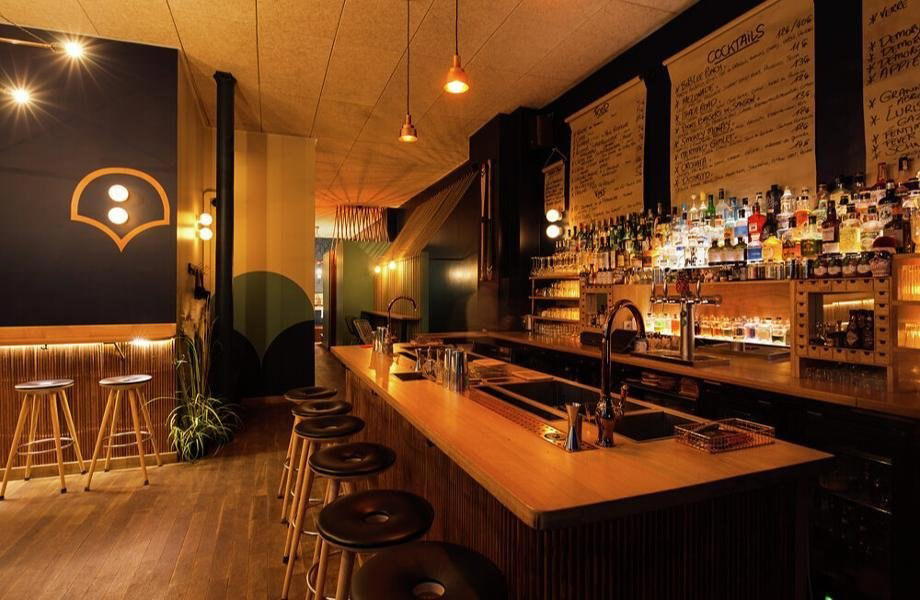
Hotels in Paris
All hotels in Paris →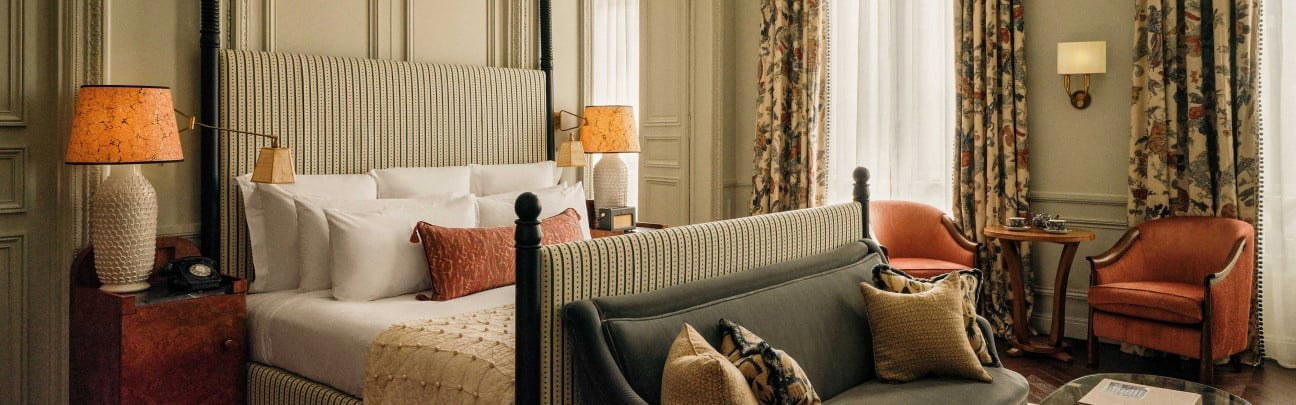


Details
- Cozy
- Intimate
- Elegant
- Date Night
- Special Occasion
- Open Kitchen
- Extensive Wine List
- Street Scene
- Tasting Menu
- A La Carte
Current opening hours
- Monday
- Closed
- Tuesday
- Closed
- Wednesday
- Closed
- Thursday
- 7–11 PM
- Friday
- 7–11 PM
- Saturday
- 7–11 PM
- Sunday
- 7–11 PM
Hours can change for holidays and private events. Hours as of .
Cozy and welcoming with a neighborhood feel, minimalist interior, warm lighting, and buzzy yet relaxed atmosphere like dining at a friend's home.