Siena
Siena sits along Putnam Pike in Smithfield, Rhode Island, placing it within the broader arc of Italian-inflected dining that has shaped New England's suburban restaurant culture. The kitchen draws from a tradition that prizes sourced ingredients and regional specificity over generic Italian-American convention. For Smithfield, it occupies a distinct position in a dining scene that rewards knowing where to look.
Pearl is the En Primeur Club membership app — saves, bookings, and concierge access live there. Same editors, same standards.
- Address
- 400 Putnam Pike, Smithfield, RI 02917
- Phone
- +14013494111
- Website
- sienari.com
- Directions
- Get directions
 Saves & bookings on Pearl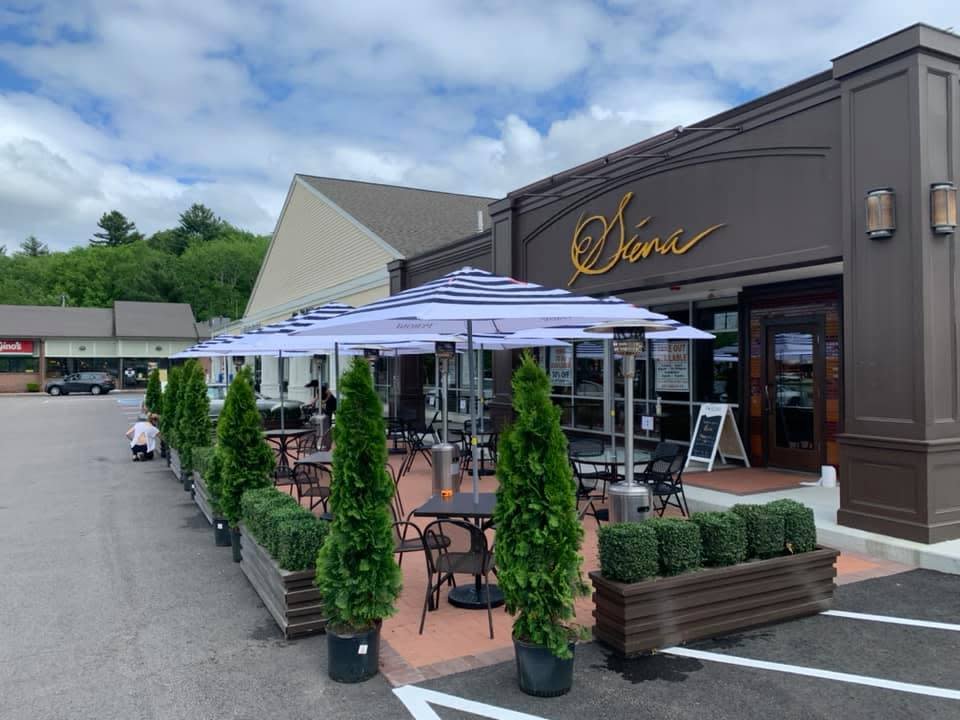
Putnam Pike and the Suburban Italian Question
Rhode Island's relationship with Italian-American cooking is older and more layered than most of New England. The state's dense Italian immigrant communities, concentrated across Providence and its surrounding towns, created a culinary infrastructure that persists in ways that are easy to underestimate. Smithfield sits northwest of Providence, and the dining along Putnam Pike reflects that inheritance: kitchens here have long operated in the shadow of Federal Hill, Providence's well-documented Italian dining corridor, while quietly developing their own character. Siena, at 400 Putnam Pike, positions itself within this tradition rather than against it.
The name itself signals intent. Siena, the Tuscan hill city, carries specific culinary associations: wild boar, hand-rolled pici, Chianina beef, the earthy weight of central Italian cooking rather than the tomato-forward register of southern Italian-American cuisine.
Where the Ingredients Come From, and Why That Framing Matters
Across American restaurants that invoke Italian regional identity, the sourcing question divides the credible from the performative. The difference between a kitchen that imports DOP-certified San Marzano tomatoes, ages its own guanciale, and sources domestic heritage pork with traceable provenance, and one that uses generic commodity product under an Italian name, is substantial. It shows up in texture, salt levels, and the way fat behaves on the plate.
New England gives any kitchen with sourcing ambitions a structural advantage in certain categories. The region's dairy tradition is serious: farmstead cheesemakers in Vermont and Rhode Island produce ricotta, pecorino-style aged cheeses, and fresh mozzarella that can compete credibly with imported alternatives for fresh applications. Local farms across the Ocean State and neighboring Massachusetts supply seasonal produce that aligns well with the Italian culinary calendar, particularly in the spring-to-fall window when the gap between imported and domestic closes considerably. A Tuscan-inflected kitchen on Putnam Pike has access to materials that, sourced deliberately, support the regional claim.
This is the lens through which kitchens in Siena's position are most fairly evaluated: not whether they can replicate what a Florentine trattoria does, but whether the sourcing decisions reflect genuine engagement with Italian culinary logic rather than surface-level branding. Italian cooking at its most disciplined is ingredient-forward by design, structured around the assumption that quality sourcing reduces the need for technique complexity. Kitchens that apply that principle rigorously in a New England context tend to produce food that reads as honest rather than derivative.
Across the country, the restaurants that have made this argument most convincingly tend to operate with tight menus and strong supplier relationships. Single Thread Farm in Healdsburg is one model: a kitchen with direct farm ownership as the sourcing foundation. Blue Hill at Stone Barns in Tarrytown is another, where the sourcing is the explicit editorial position of the entire restaurant. Most kitchens operate somewhere between those poles and the commodity baseline, and the interesting question for any specific restaurant is where on that range they have actually landed.
Siena in Context: The Smithfield Dining Scene
Smithfield is not a dining destination in the way that Providence's Federal Hill is, nor does it position itself as one. The suburban character of the Putnam Pike corridor means that restaurants here serve a local population rather than drawing destination traffic, which has its own implications for how kitchens operate. Regulars matter more than one-time visitors; consistency is prized over spectacle; the room tends to be quieter and more settled than urban equivalents at comparable price points.
Peer venues in Smithfield include Fresco Smithfield and Terrazza, both of which occupy the Italian-influenced segment of the local market. Across that competitive set, differentiation typically comes from either ingredient sourcing, format specificity, or the degree to which the kitchen commits to a defined regional identity rather than a broad pan-Italian menu. For a fuller picture of where Siena sits relative to Smithfield's dining options, our full Smithfield restaurants guide maps the category more completely.
For readers calibrating expectations against national benchmarks: the tier of Italian-inflected fine dining that draws frequent comparisons includes kitchens like Le Bernardin in New York City at the technique-focused end, and Bacchanalia in Atlanta as a model of sourcing-driven American fine dining that applies similar logic to a regional cuisine frame. The French Laundry in Napa, Alinea in Chicago, and Lazy Bear in San Francisco represent the further reaches of the American fine dining conversation, where tasting menu format and sourcing transparency are tightly linked editorial positions. Siena operates at a different scale and with a different mandate, but the questions those kitchens have shaped about ingredient provenance and regional specificity are relevant framing for any serious Italian-inflected kitchen.
Other useful reference points for how American restaurants handle regional cuisine identity with sourcing discipline include Providence in Los Angeles, Emeril's in New Orleans, Addison in San Diego, The Inn at Little Washington, Atomix in New York City, Causa in Washington, D.C., Brutø in Denver, and 8 1/2 Otto e Mezzo Bombana in Hong Kong, each of which has developed a distinct position on that question within their own city contexts.
Planning a Visit
Siena is located at 400 Putnam Pike in Smithfield, Rhode Island 02917. Given the suburban setting, arriving by car is the practical default for most visitors, with parking standard for the area. Smithfield's dining scene is not the kind of market where same-day walk-ins carry high risk, but the sensible approach in any suburban restaurant of this type is a reservation made a few days in advance, especially on weekends when local regulars fill the room.
Continue exploring
More in Smithfield
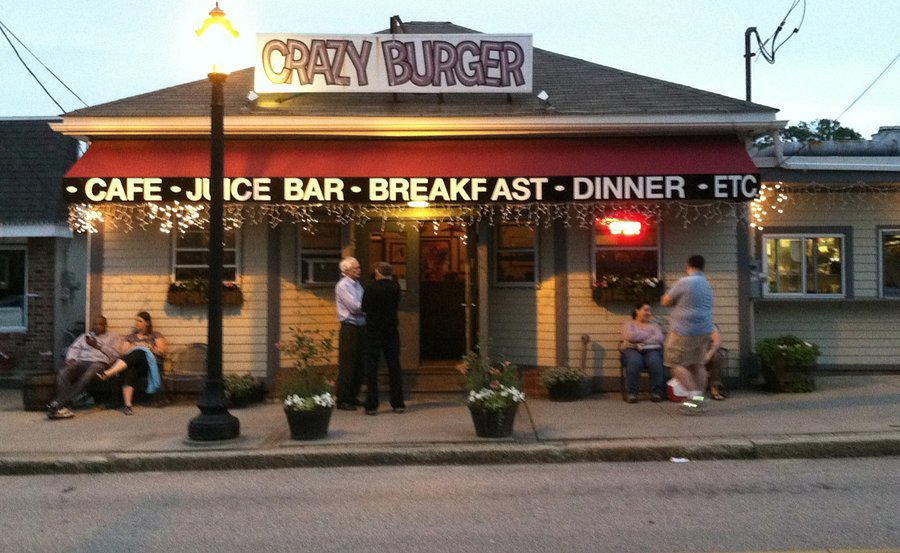
Restaurants in Smithfield
Browse all →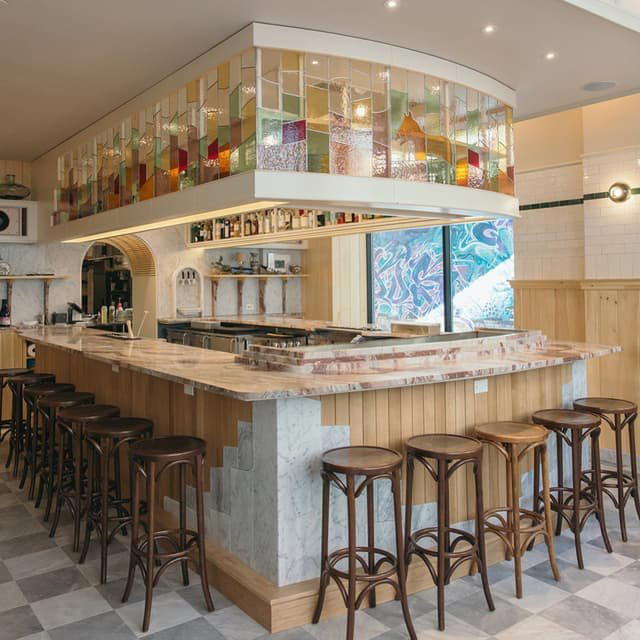
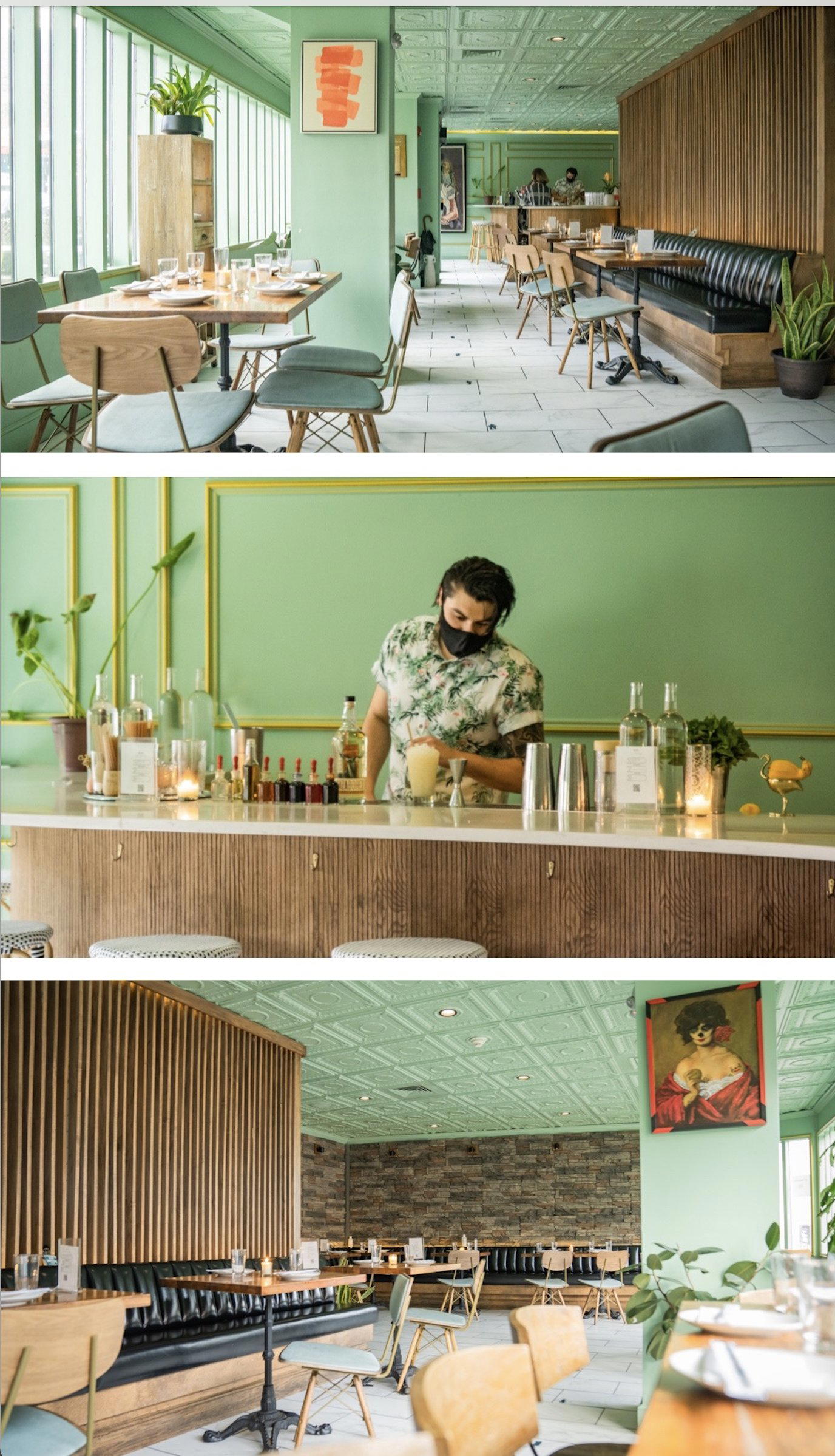
Bars in Smithfield
Browse all →
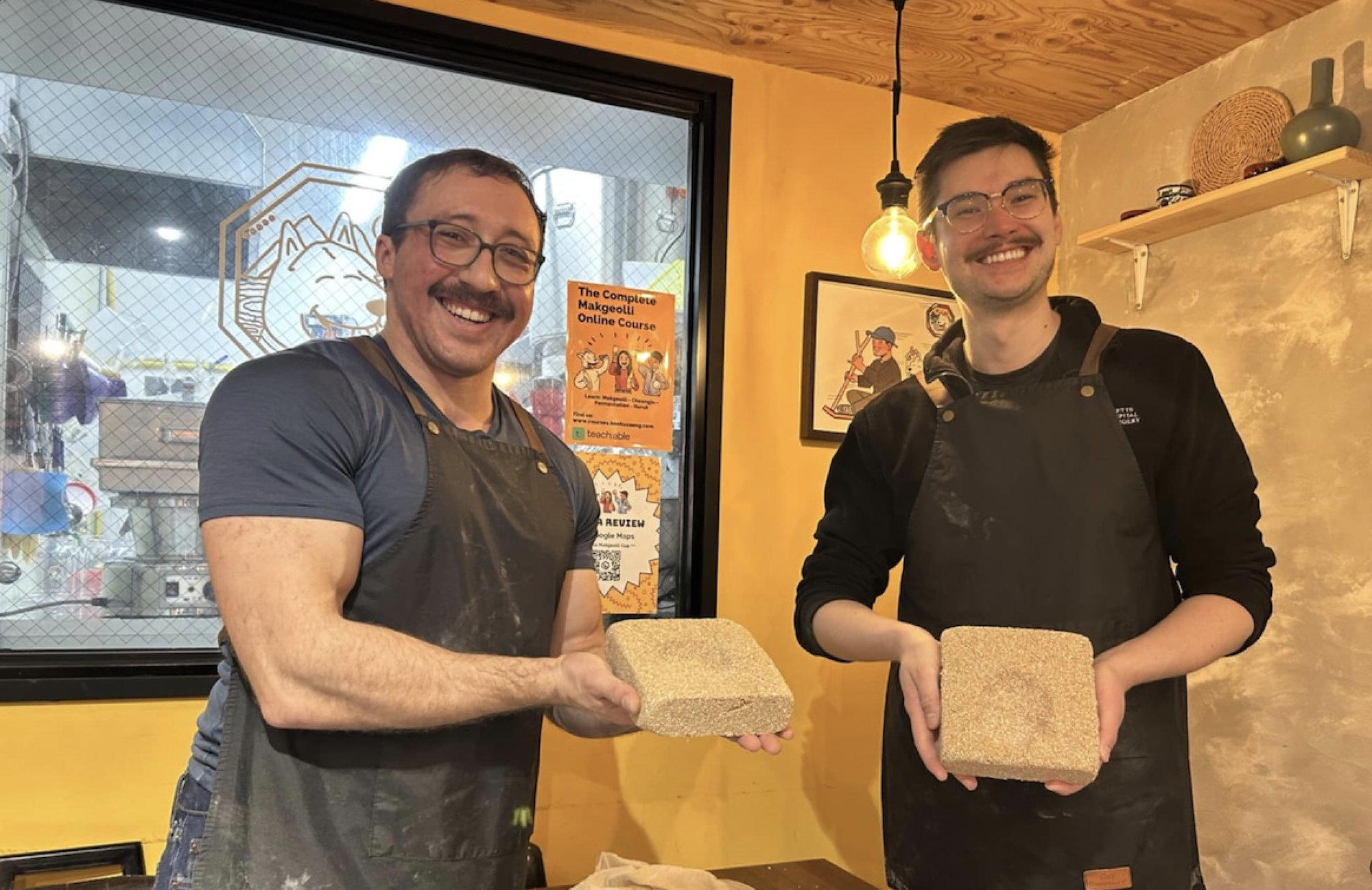
Hotels in Smithfield
Browse all →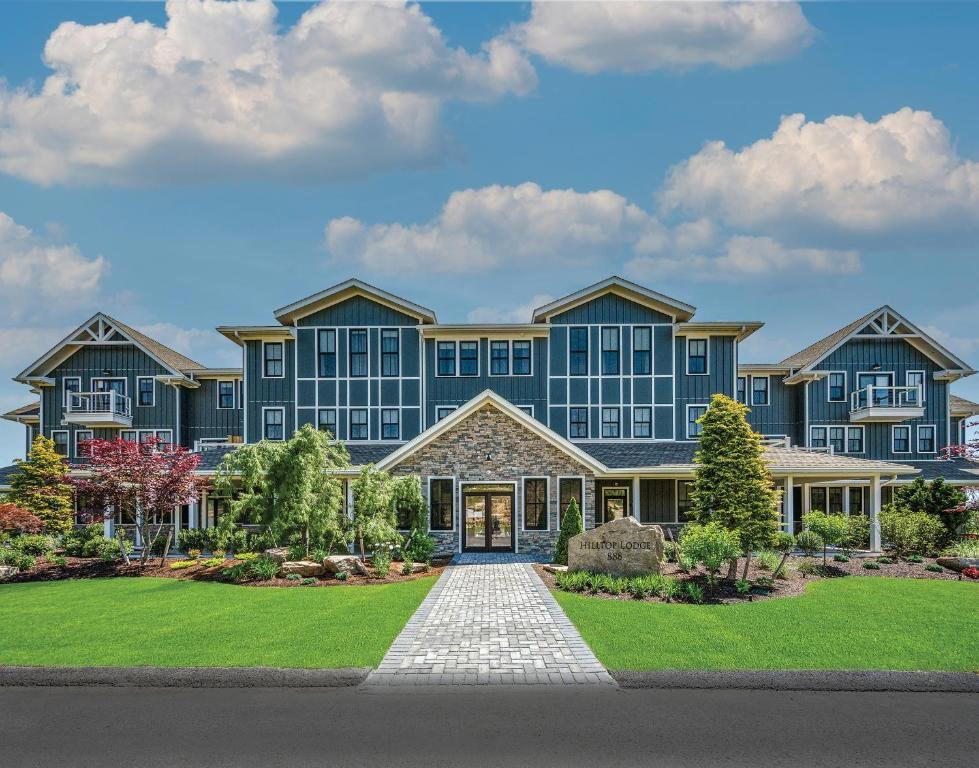
Wineries in Smithfield
Browse all →
At a Glance
- Elegant
- Rustic
- Lively
- Warm
- Date Night
- Business Dinner
- Group Dining
- Special Occasion
- Open Kitchen
- Standalone
- Extensive Wine List
- Craft Cocktails
- Local Sourcing
Current opening hours
- Monday
- Closed
- Tuesday
- 4:30–9:30 PM
- Wednesday
- 4:30–9:30 PM
- Thursday
- 4:30–9:30 PM
- Friday
- 4:30–10:30 PM
- Saturday
- 4–10:30 PM
- Sunday
- 3–9 PM
Hours can change for holidays and private events. Last verified .
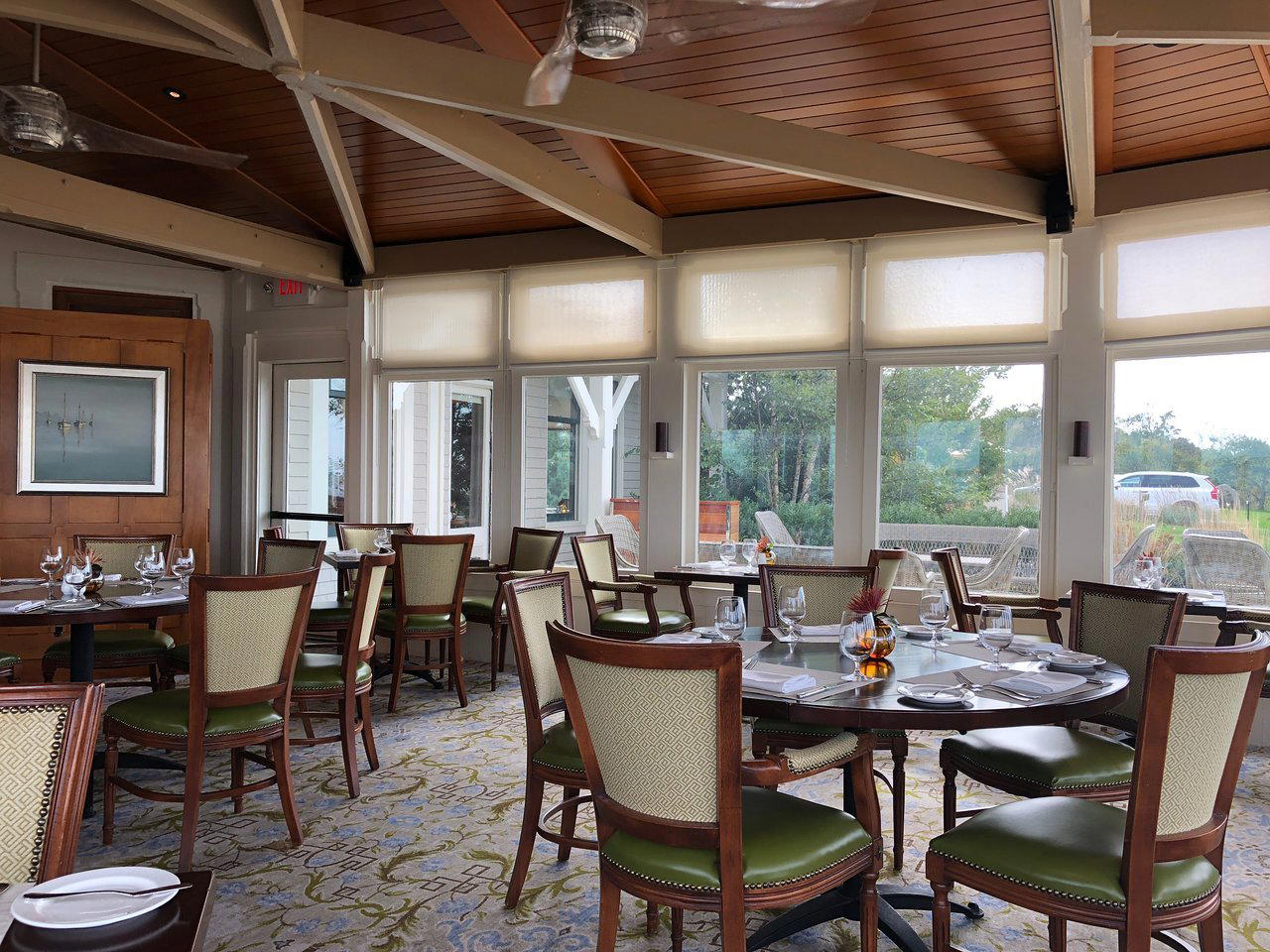
Warm, inviting, and lively with casually elegant décor that evokes an upscale Tuscan farmhouse.
Know Before You Go
- Getting there
- 400 Putnam Pike, Smithfield, RI 02917