Fresco Smithfield
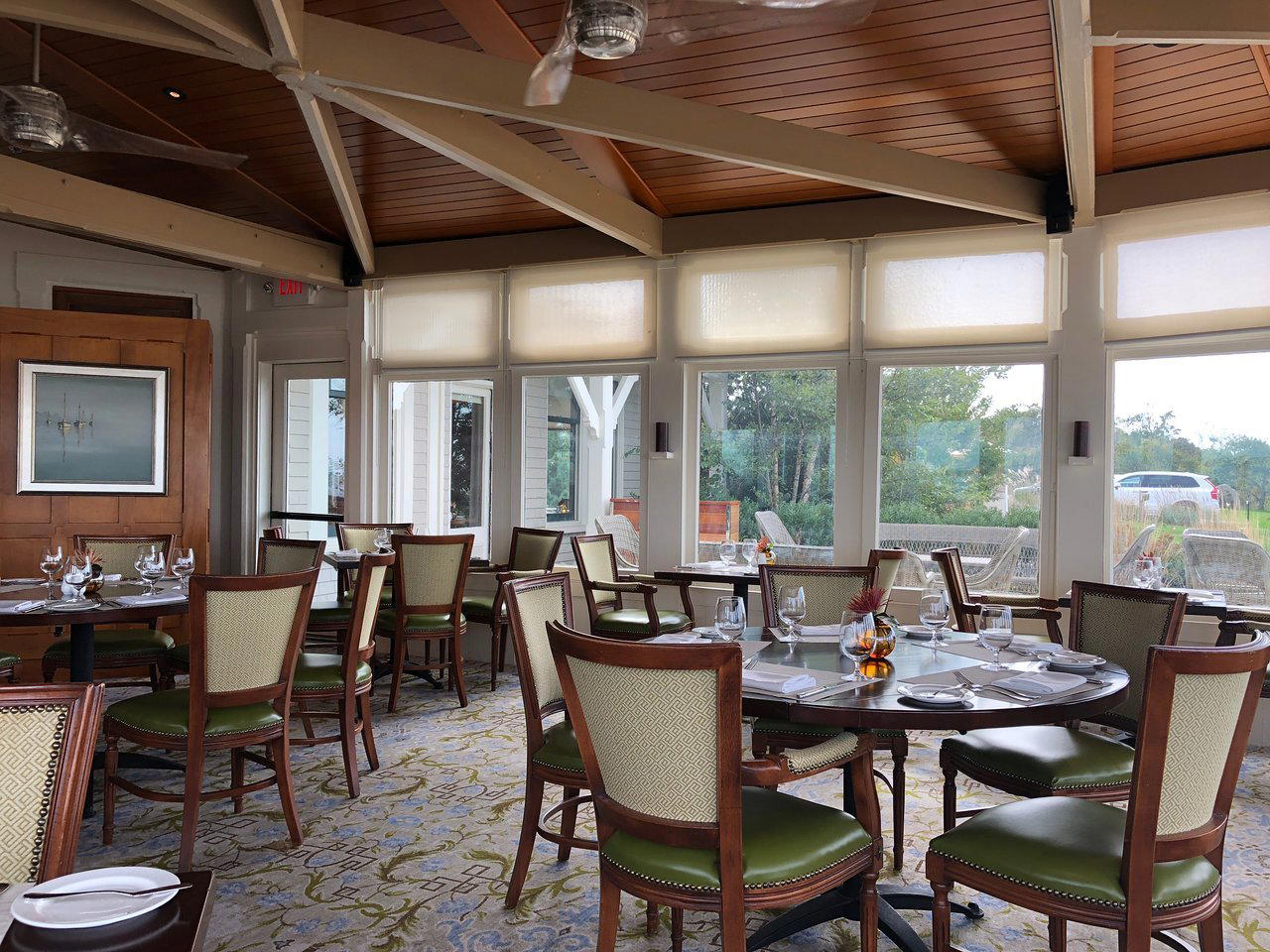
Fresco Smithfield sits on George Washington Highway in Smithfield, Rhode Island, drawing from a region where farm-to-table sourcing is a practical reality rather than a marketing phrase. The restaurant occupies a mid-tier dining niche in a town that rewards neighborhood loyalty, positioning itself against the broader Rhode Island dining scene where local ingredient access shapes menus in ways that larger metro kitchens rarely match.
Pearl is the En Primeur Club membership app — saves, bookings, and concierge access live there. Same editors, same standards.
- Address
- 181 George Washington Hwy, Smithfield, RI 02917
- Phone
- +14013556700
- Website
- frescori.com
- Directions
- Get directions
 Saves & bookings on Pearl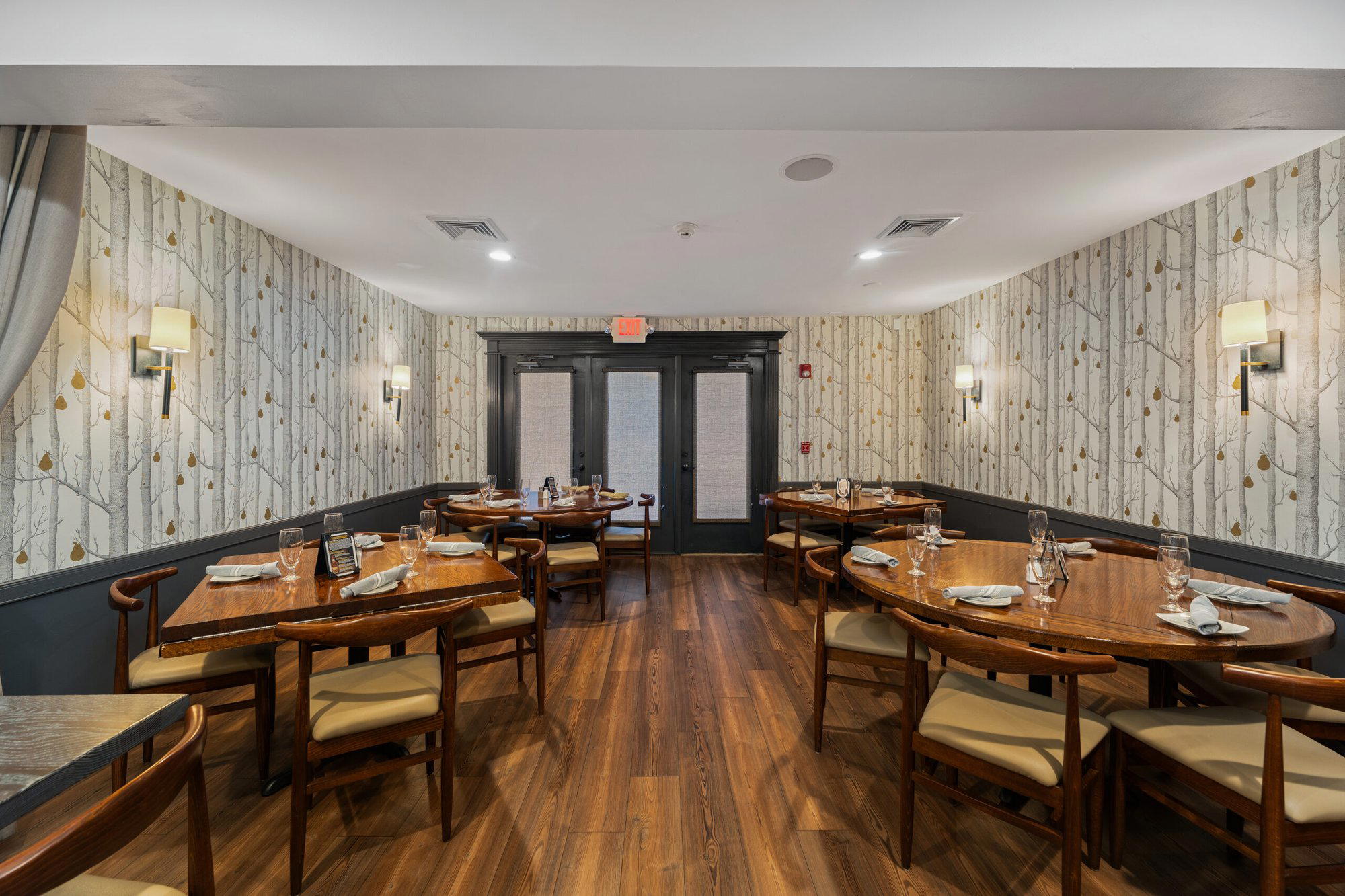
Where Rhode Island's Ingredient Culture Shows Up on the Plate
Rhode Island occupies an unusual position in the American ingredient conversation. The state is small enough that farm-to-kitchen distances are genuinely short, and the region's agricultural and coastal supply chains have been feeding serious kitchens long before sourcing became a dining-room talking point. Smithfield, set inland from the Narragansett Bay coastline but within easy reach of the state's working farms and produce networks, sits in a part of Rhode Island where the food supply is local not by aspiration but by proximity. Restaurants here can draw on that geography in ways that urban kitchens operating inside dense distribution systems simply cannot replicate as efficiently.
Fresco Smithfield, at 181 George Washington Highway, operates inside this context. The address places it in a suburban corridor of northern Rhode Island, a dining environment that rewards consistency and neighborhood trust over spectacle. This is not the kind of market where theatrical tasting menus or destination-dining formats dominate. The restaurants that hold long-term relevance here are those that connect credibly to what the region produces and deliver it without the overhead structures that inflate price floors in gateway cities.
The Ingredient Argument in a State Built for It
Rhode Island's food geography gives any kitchen working honestly with it a structural advantage. The state's farms supply greens, root vegetables, and heritage proteins across seasons that differ meaningfully from one another. The coast, accessible from Smithfield in under an hour, feeds a shellfish and finfish supply that outpaces what most inland American cities can reliably access at comparable quality thresholds. For a restaurant in Smithfield, this means the sourcing case is easier to make and harder to fake. Local suppliers are close enough that a kitchen either uses them or doesn't, and diners with any familiarity with the state's food culture can usually tell the difference.
This is the standard against which farm-driven restaurants elsewhere in the country are often measured. At properties like Blue Hill at Stone Barns in Tarrytown or Single Thread Farm in Healdsburg, the sourcing relationship is front and center, formalized into the dining concept itself. In a Smithfield context, that same sourcing logic operates without the apparatus of a destination-dining brand around it. The ingredients are there; the question is what a kitchen does with them day to day.
Smithfield's Place in Rhode Island Dining
Smithfield is not Providence. It doesn't carry the gravitational pull of Federal Hill's Italian-American dining corridor or the concentrated chef energy that has made Providence one of the more underrated mid-size food cities on the East Coast. What Smithfield offers instead is a quieter dining register: neighborhood restaurants with repeat-customer relationships, where the competition for loyalty is sustained over years rather than won through a single media moment.
Within that environment, the Italian-inflected casual-to-mid dining category has historically held strong. Rhode Island's Italian-American community has deep roots across the state, and suburban towns like Smithfield carry that culinary inheritance in their restaurant mix. Fresco's name signals that tradition directly. Locally, it sits in a competitive conversation alongside restaurants like Siena and Terrazza, which occupy the same neighborhood dining tier. For a broader view of what Smithfield's restaurant scene offers across categories, our full Smithfield restaurants guide maps the options with editorial context.
The National Sourcing Conversation and What It Means Here
Ingredient sourcing as a dining value has moved from niche signal to mainstream expectation over the past decade. Kitchens from Smyth in Chicago to Lazy Bear in San Francisco to Providence in Los Angeles have built their identities substantially around where their proteins, produce, and dairy originate. At the multi-star level, operations like The French Laundry in Napa and Addison in San Diego treat sourcing transparency as a baseline of credibility rather than a differentiator. Even in markets where ingredient provenance was never a selling point, restaurants like Emeril's in New Orleans have incorporated Gulf and regional sourcing as a defining element of their identity.
The sourcing conversation in New England has its own distinct character. The regional food culture here leans on specific, named producers in a way that reflects both the agricultural density of the area and a dining public that has grown accustomed to reading sourcing notes on menus. For a suburban Rhode Island restaurant, the opportunity to lean into that is genuine. The supply chain is accessible; the question is one of kitchen discipline and menu construction.
At a different altitude entirely, concepts like Atelier Moessmer Norbert Niederkofler in Brunico have made hyper-regional sourcing the structural logic of the entire dining experience. ITAMAE in Miami has done the same with Peruvian-Japanese sourcing specificity. Atomix in New York City maps Korean ingredient traditions onto a fine-dining format where every component carries a sourcing rationale. These examples sit at a different scale and price point, but they represent where the sourcing argument leads when it is taken seriously all the way through the menu. Frasca Food and Wine in Boulder and The Wolf's Tailor in Denver show how that seriousness can operate in non-coastal markets without losing the neighborhood dining register that keeps restaurants sustainable over time. The Inn at Little Washington in Washington offers perhaps the most instructive parallel for the East Coast context: a non-urban setting where rigorous sourcing has built a durable dining identity across decades. Le Bernardin in New York City demonstrates, at the highest technical level, what happens when sourcing discipline is applied specifically to seafood, a category Rhode Island restaurants have obvious structural access to.
Planning a Visit
Fresco Smithfield is located at 181 George Washington Highway in Smithfield, Rhode Island 02917. The address puts it in a driveable suburban corridor, most accessible by car. Smithfield lacks a dedicated transit connection from Providence, so guests coming from the city should plan for the roughly 20-minute drive north. Phone and online booking details are not currently published through EP Club's database; checking directly with the restaurant for current hours and reservation availability is the practical approach. The suburban format of the surrounding area means parking is generally not a constraint, which removes one of the friction points common to city dining.
Continue exploring
More in Smithfield
Restaurants in Smithfield
Browse all →
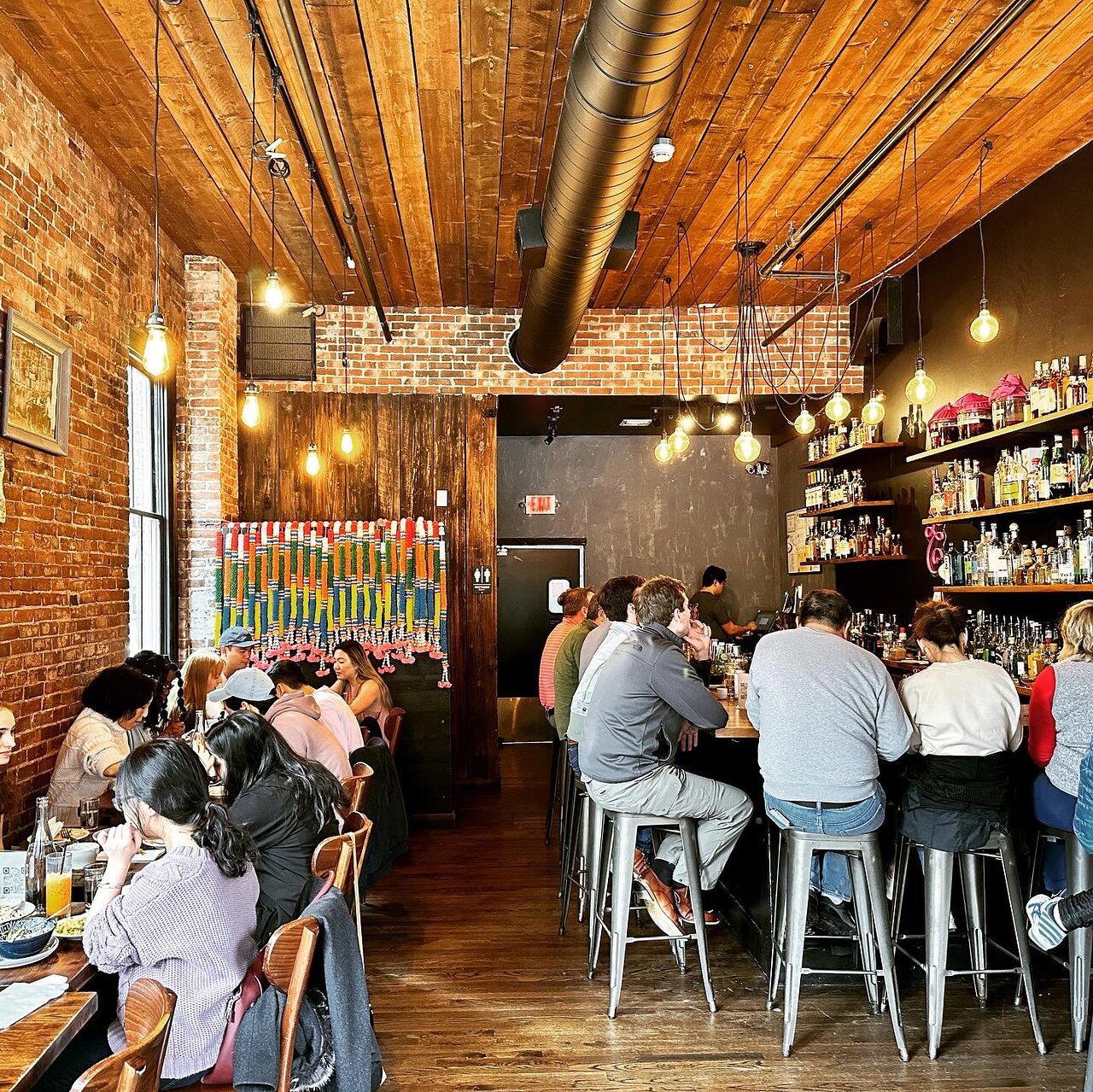
Bars in Smithfield
Browse all →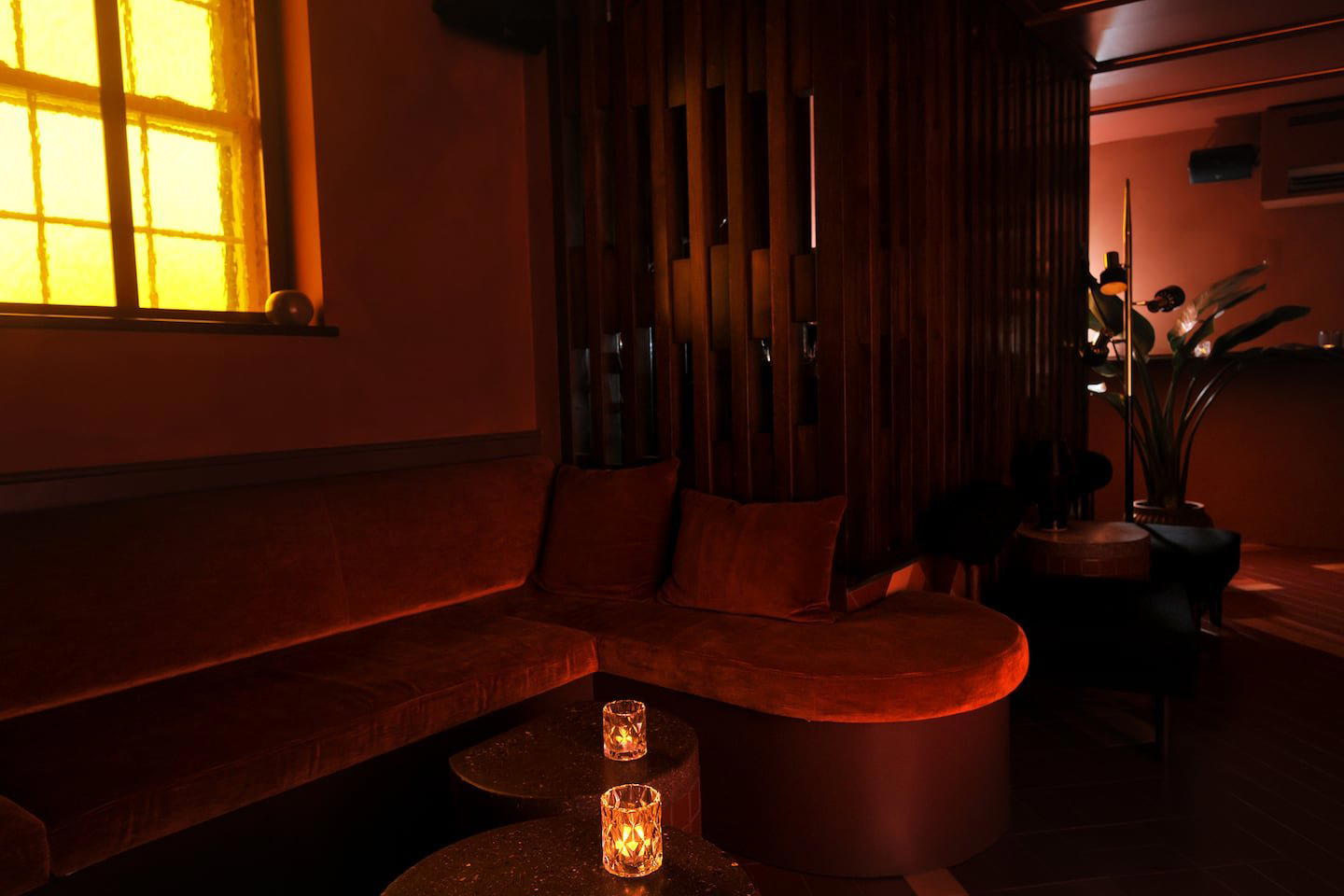
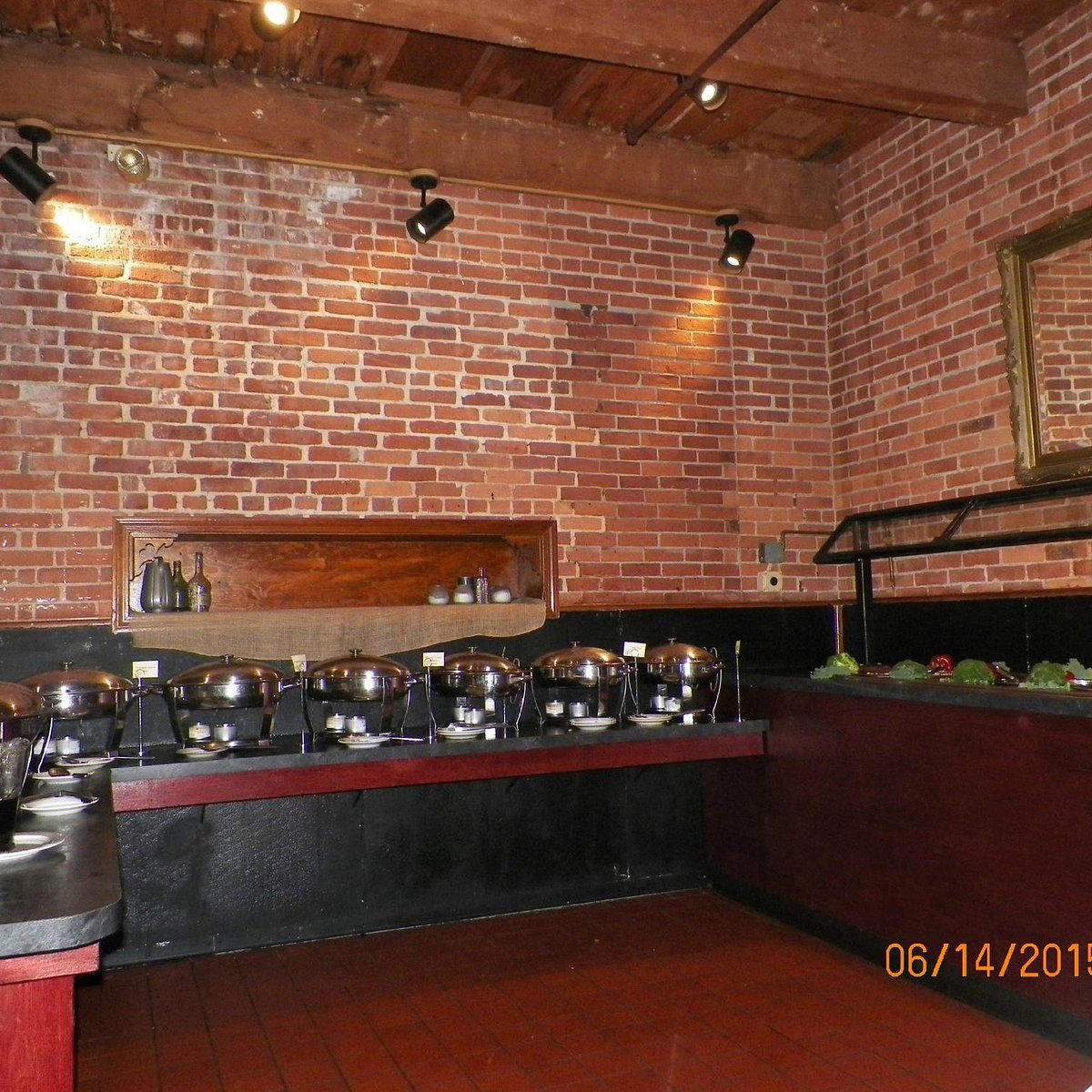
Hotels in Smithfield
Browse all →
Wineries in Smithfield
Browse all →
At a Glance
- Classic
- Cozy
- Elegant
- Family
- Group Dining
- Casual Hangout
- Extensive Wine List
- Local Sourcing
Current opening hours
- Monday
- 4:30–9 PM
- Tuesday
- 4:30–9 PM
- Wednesday
- 4:30–9 PM
- Thursday
- 4:30–9 PM
- Friday
- 4:30–10 PM
- Saturday
- 4:30–10 PM
- Sunday
- 12–8 PM
Hours can change for holidays and private events. Last verified .
Relaxing atmosphere with classy setting, moderate noise, and friendly service ideal for conversing.
Know Before You Go
- Getting there
- 181 George Washington Hwy, Smithfield, RI 02917