Baba Sushi
Baba Sushi on Worcester's Park Avenue sits at the intersection of neighborhood accessibility and Japanese kitchen discipline. The format appeals to diners who want focused sushi execution without the ceremony of a high-end omakase counter. A reliable fixture on a strip that rewards repeat visits over destination pilgrimages.

Pearl is the En Primeur Club membership app — saves, bookings, and concierge access live there. Same editors, same standards.
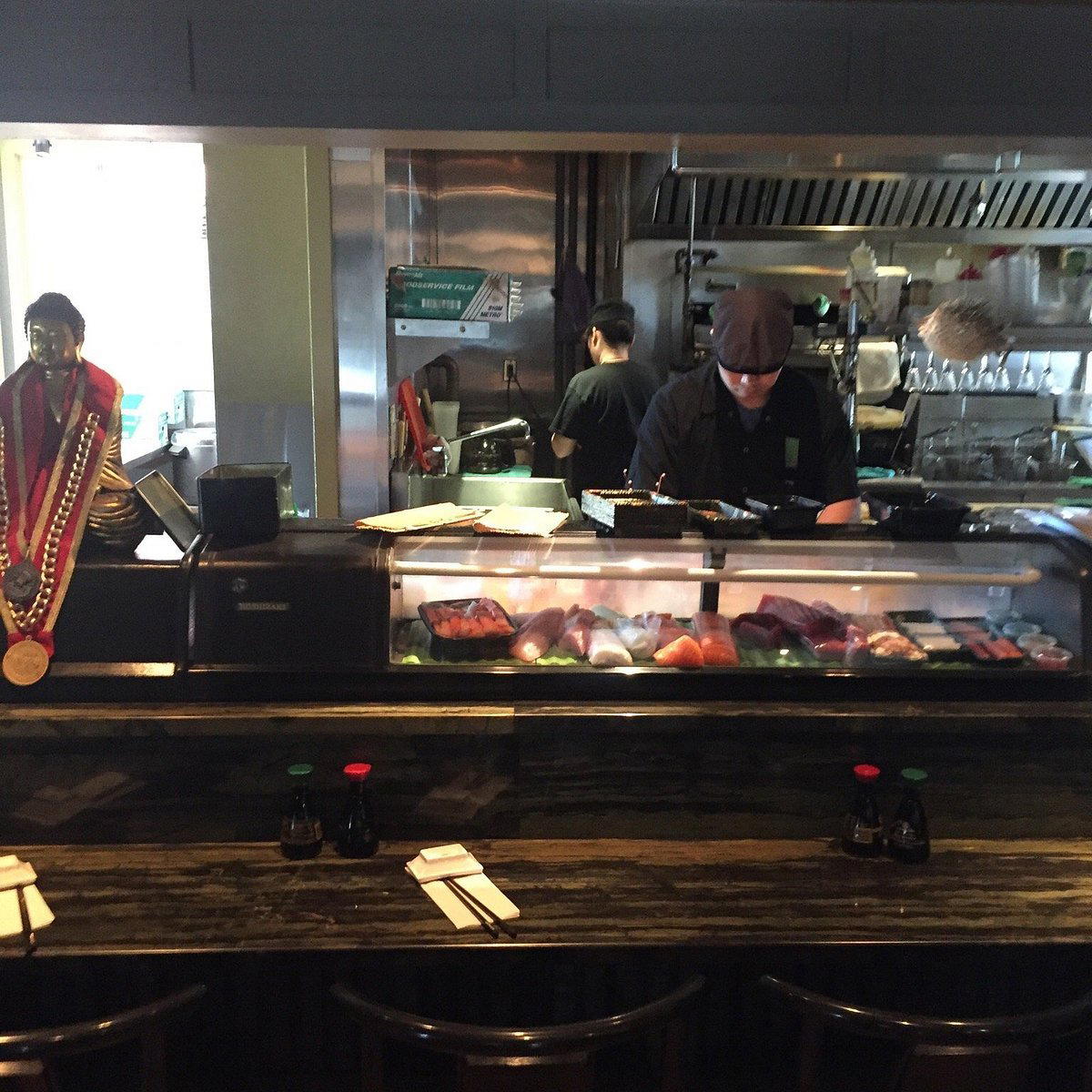
Park Avenue and the Question of Casual Sushi
Worcester's Park Avenue corridor functions as the city's most legible dining strip: a stretch where independent operators outnumber chains and repeat-local traffic sustains restaurants that a tourist map might never find. Baba Sushi, at 309 Park Ave, occupies that register. It is not a destination restaurant in the way that draws diners from Boston or Providence, but that framing misses the point. The more useful category is neighborhood sushi anchor, and in Worcester, those anchors matter more than their modest profiles suggest.
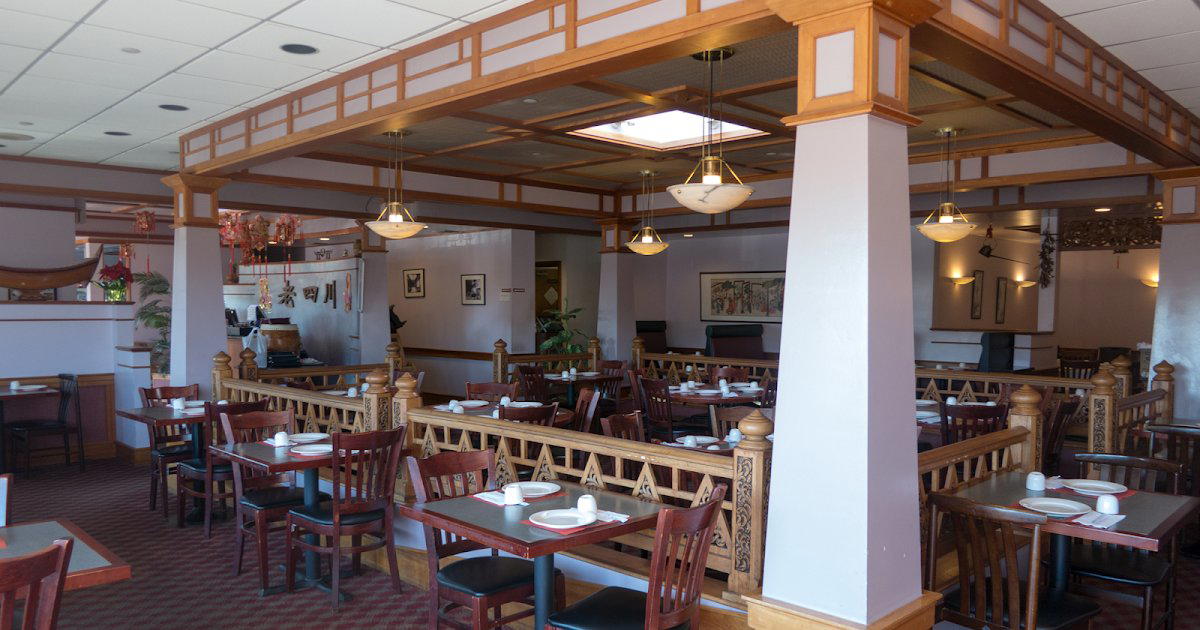
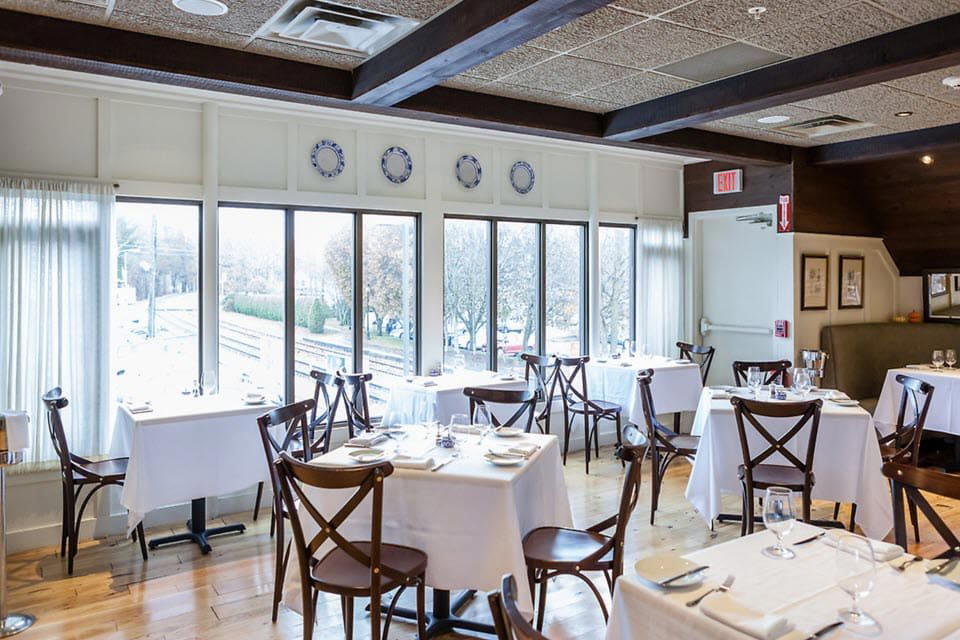
The physical environment here reflects a pattern common to mid-sized American cities that have absorbed Japanese kitchen discipline without the theater of high-end omakase. Lighting is calibrated for a dinner-out mood rather than a tasting-counter experience; the space reads as approachable rather than austere. That distinction shapes the entire evening. Where a city like Chicago hosts Kumiko, with its precision cocktail program and architectural interiors, or New York offers the tight conceptual focus of Superbueno, Worcester's dining vernacular runs closer to a conversation than a performance. Baba Sushi reads within that local register accurately.
The Atmosphere Argument: Why the Room Matters Here
In sushi specifically, the physical space does something unusual: it signals how seriously the kitchen takes the product. Counter seating at a high-end sushi-ya creates a direct line between diner and chef, removing the social buffer of a full dining room. The opposite setup, tables, ambient noise, and a broader menu scope, signals a different contract with the guest. Baba Sushi falls into that second category, which means the experience prioritizes accessibility over ceremony.
That is not a criticism. Worcester lacks the density of Boston's Japanese restaurant market on Newbury Street or in the South End, where multiple tiers of sushi compete from quick-service to omakase. On Park Avenue, the format that works is one that sustains a local clientele through consistent execution rather than seasonal prestige menus. The atmosphere reinforces that contract: this is a room where you can return monthly, not one you visit once for a landmark occasion.
Compare the model to what happens in cities where the bar program anchors a sushi or pan-Asian venue. In Honolulu, Bar Leather Apron built a reputation that draws diners as much for the drinks as the kitchen. In Houston, Julep treats the bar as the editorial center of the entire experience. In Worcester's neighborhood dining tier, the integration of a drinks program with Japanese food tends to be functional rather than conceptual, which shapes the evening's pacing and tone.
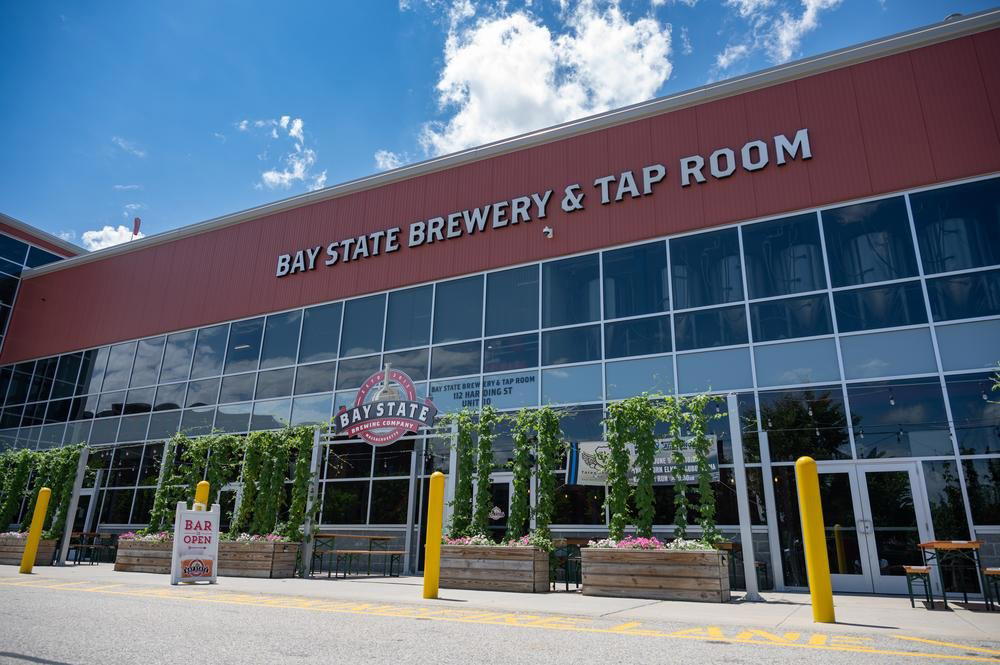
Situating Baba Sushi within the city's broader dining scene is a more useful exercise than treating it in isolation. Worcester has developed a compact but serious independent dining culture. Armsby Abbey set a standard for thoughtful beer programming and farm-to-table sourcing that raised expectations across the city's independent operators. Bay State Brewery & Tap Room anchors a different part of the market, leaning into local craft production. BirchTree Bread Company built a daytime reputation on the kind of sourcing discipline that signals a maturing food city. Even in the Italian segment, 2 Chefs Italian Restaurant & Bar operates as a neighborhood institution with staying power.
Within that context, Baba Sushi represents the Japanese kitchen's place in a city that lacks a dedicated Japanese neighborhood or district. That scarcity gives any well-run sushi operation a wider gravitational pull than it might have in a market with more competition.
For a fuller map of where Baba Sushi sits among Worcester's dining options, our full Worcester restaurants guide covers the city's independent dining scene across categories and price points.
The Wider Sushi Context
American cities outside the leading five markets have developed sushi cultures that often run ten to fifteen years behind the coasts in format evolution. The omakase counter model that now defines prestige dining in New York, Los Angeles, and Chicago has begun appearing in cities like Philadelphia and Nashville, but the mid-tier New England market has moved more slowly. Worcester sits in that secondary tier, where most sushi is still ordered from a printed menu, proteins arrive alongside conventional rolls, and the price point reflects accessibility rather than scarcity.
That is the category in which most American sushi operates, and it serves a real function. The craft-cocktail parallel is instructive: cities like San Francisco, where ABV operates, or Frankfurt, where The Parlour represents European bar seriousness, have bars at multiple tier levels. Similarly, a healthy sushi market needs neighborhood operations alongside prestige counters. In Worcester, Baba Sushi occupies the former role.
The New Orleans bar scene offers another analogy worth noting: Jewel of the South demonstrates how a historically rooted city can sustain serious craft without defaulting to spectacle. Worcester's dining scene operates on a parallel logic, where the most durable operators earn local trust through consistency rather than press cycles.
Planning a Visit
Baba Sushi is located at 309 Park Ave, Worcester, MA 01609, on a stretch accessible by car with street parking typical of the corridor. Park Avenue runs through a residential and commercial zone that draws from multiple Worcester neighborhoods, making it a practical dinner option for a broad cross-section of the city rather than a single demographic pocket.
What It’s Closest To
Comparable venues nearby, for context on price, style, and recognition.
| Venue | Cuisine | Price | Notes |
|---|---|---|---|
| Baba SushiThis venue — the venue you are viewing | lounge | $30–50 | Not listed |
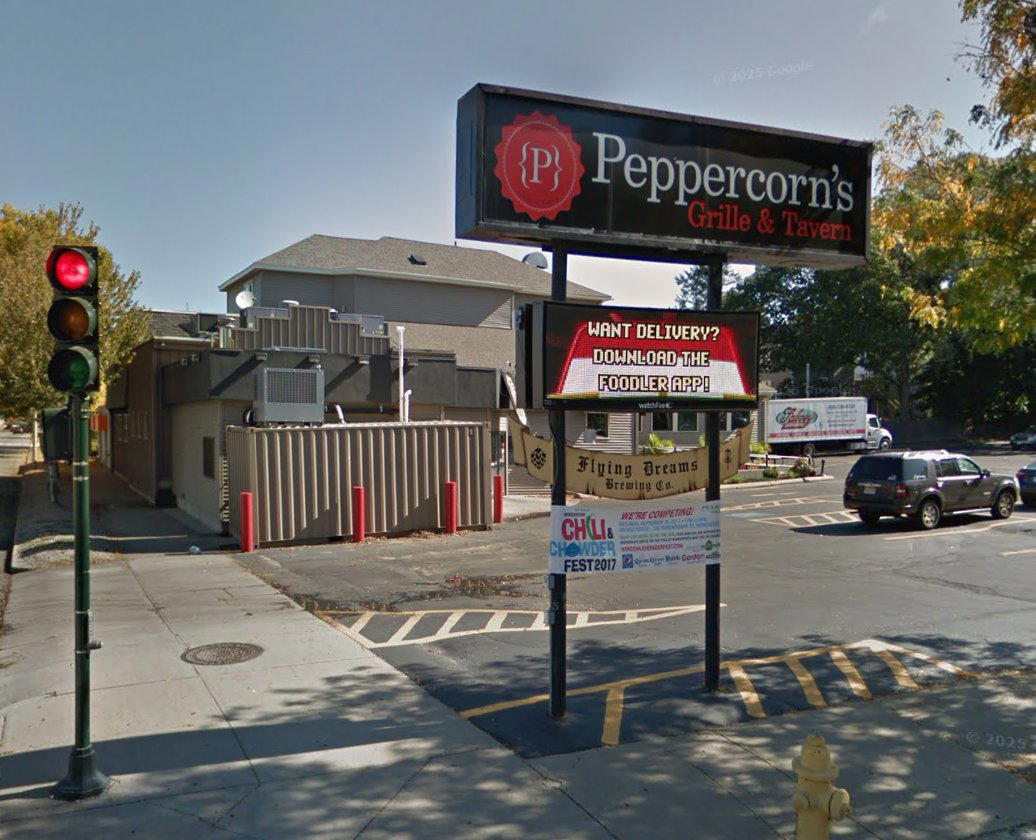
| Peppercorn's Grille & Tavern | pub | $20–30 | Park Avenue near Clark University and Downtown Worcester |
| Via Italian Table | lounge | $30–50 | Shrewsbury Street |
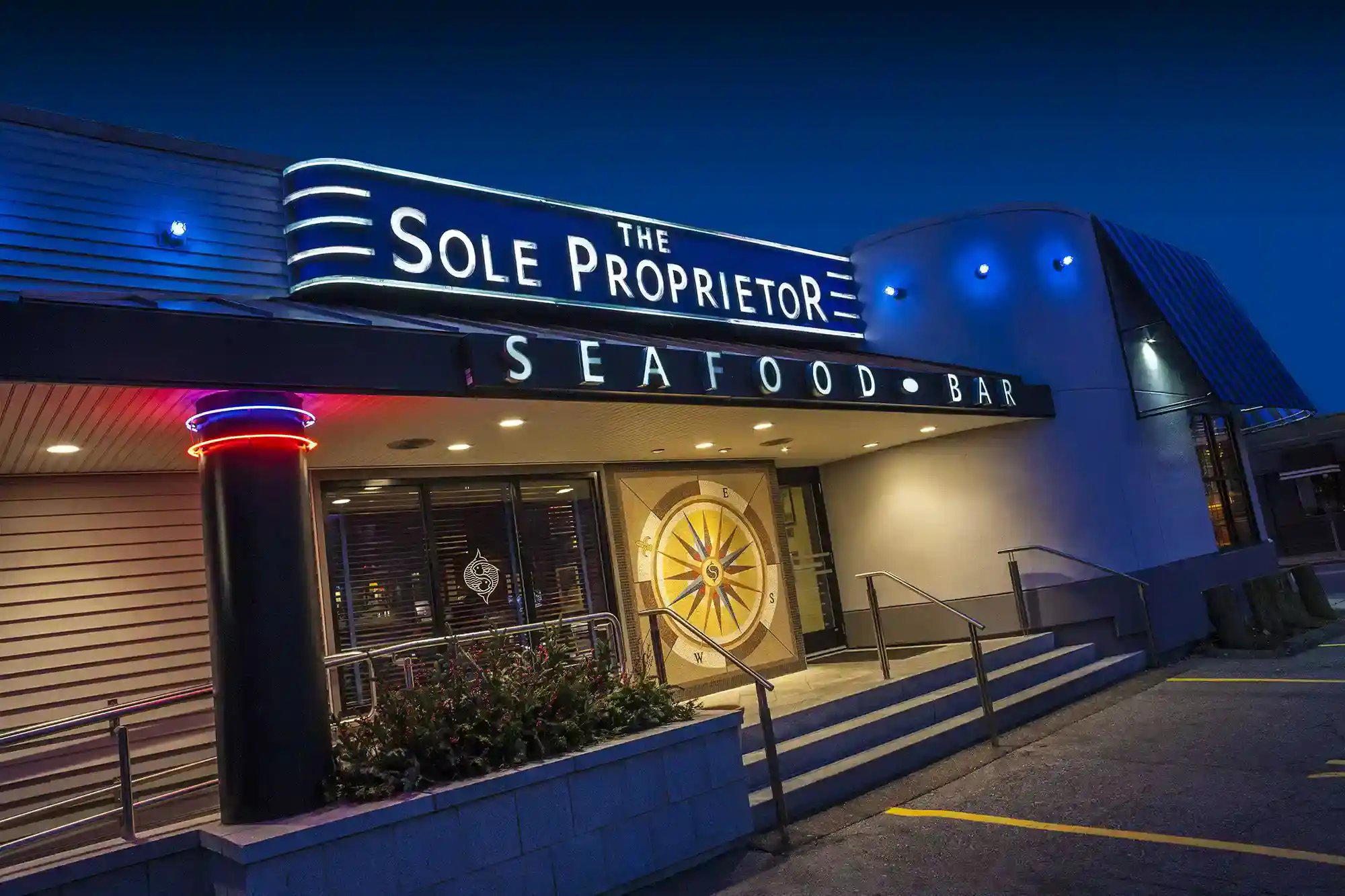
| The Sole Proprietor | lounge | $30–50 | Highland Street |
| Volturno Pizza Napoletana | cocktail_bar | $30–50 | Shrewsbury Street |
| Chashu Ramen + Izakaya | sake_bar | $20–30 | Grid District |
Continue exploring
More in Worcester
Bars in Worcester
All bars in Worcester →
Baba Sushi
The drinks
- Craft cocktails
Signature drinks: Luna Rosa, Key Lime Martini, Flame Kissed Quartet, Sakura Wave Roll.
Details
- Trendy
- Sophisticated
- Modern
- Group Outing
- Celebration
- Special Occasion
- Casual Hangout
- Live Music
- Design Destination
- Standalone
- Seated Bar
- Lounge Seating
- Private Rooms
- Craft Cocktails
- Conventional Wine
Current opening hours
- Monday
- 4–10 PM
- Tuesday
- 4–10 PM
- Wednesday
- 4–10 PM
- Thursday
- 4–10 PM
- Friday
- 12–10 PM
- Saturday
- 12–10 PM
- Sunday
- 12–9 PM
Hours can change for holidays and private events. Last verified .
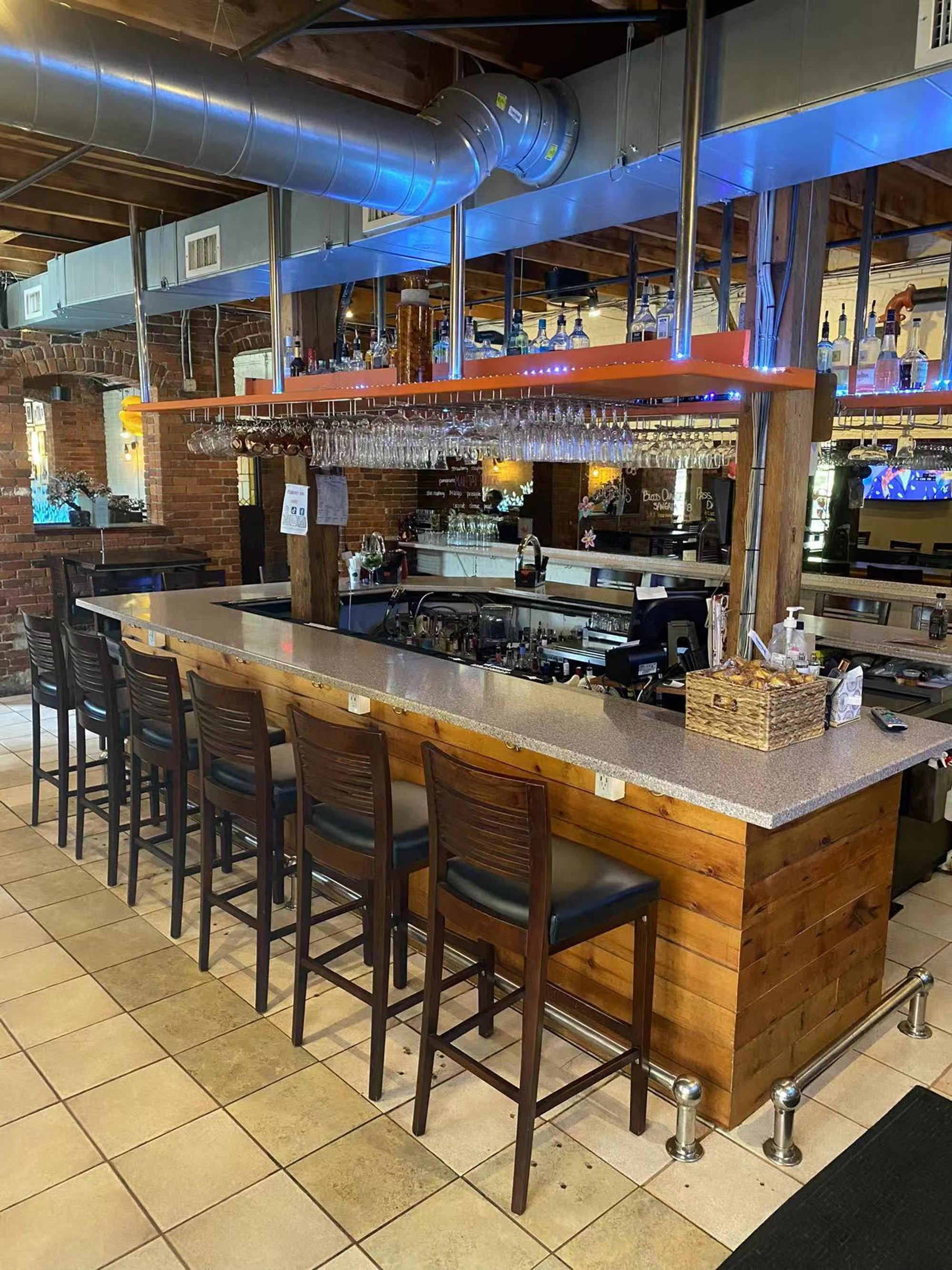
Modern, trendy setting with sophisticated decor and a lively atmosphere featuring good music and fast service.