The Vanderbilt, Auberge Resorts Collection



1 Michelin Key · Mr & Mrs Smith Seal of Approval · Virtuoso Luxury Hotel Partner
A 33-room Auberge Resorts property occupying a 1909 Vanderbilt mansion in downtown Newport, earning a Michelin Key in 2024. Rooms run large by historic-hotel standards, some spanning two floors, with rates from $889. The Dining Room under one of New England's most decorated chefs anchors a property that functions as Newport's most talked-about address for coastal food and social programming.

Pearl is the En Primeur Club membership app — saves, bookings, and concierge access live there. Same editors, same standards.
- Address
- 41 Mary St, Newport, RI 02840
- Phone
- (833) 242-8850
- Website
- auberge.com
- Directions
- Get directions
- Booking
- Book on the hotel's website
A Gilded Address, Recalibrated for the Present
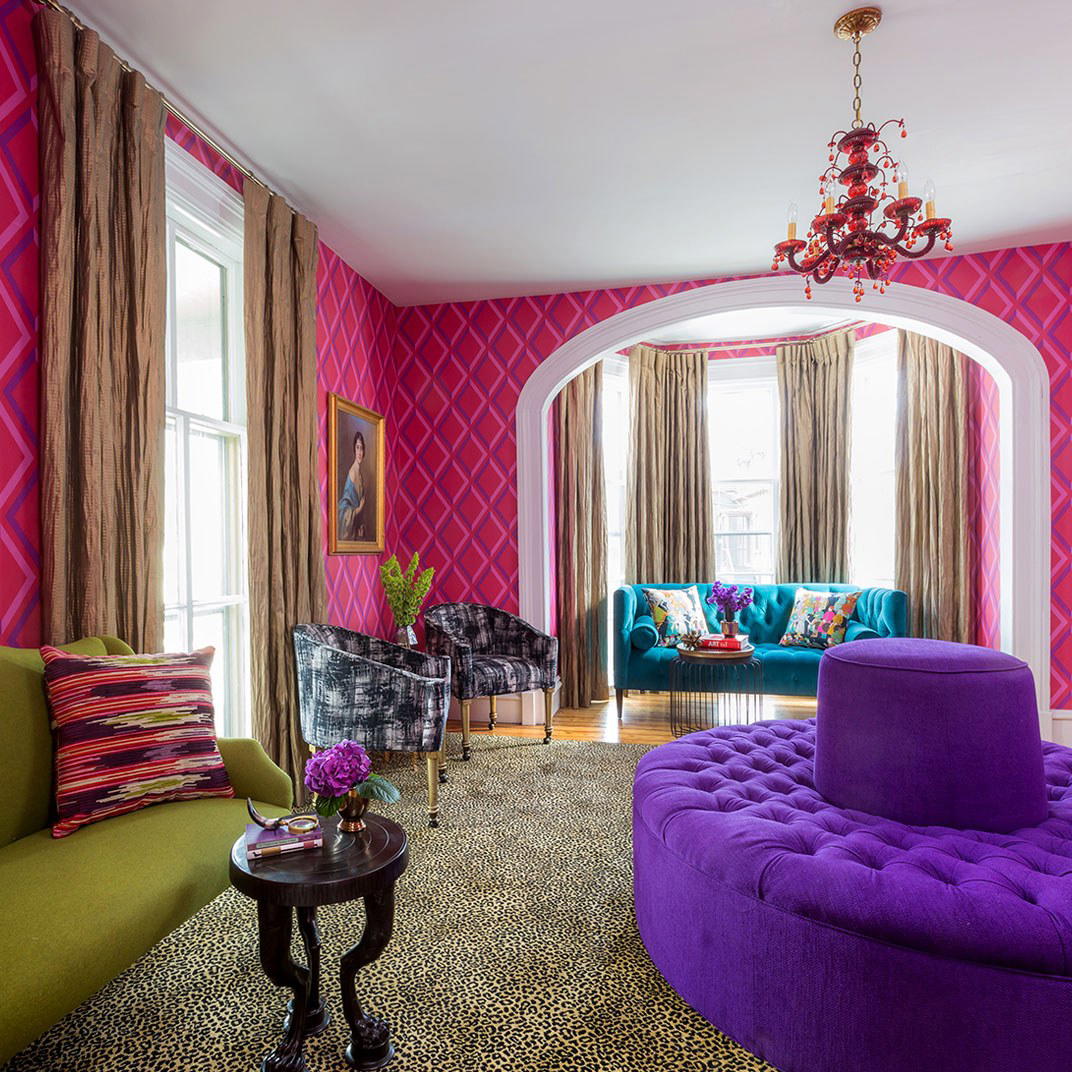
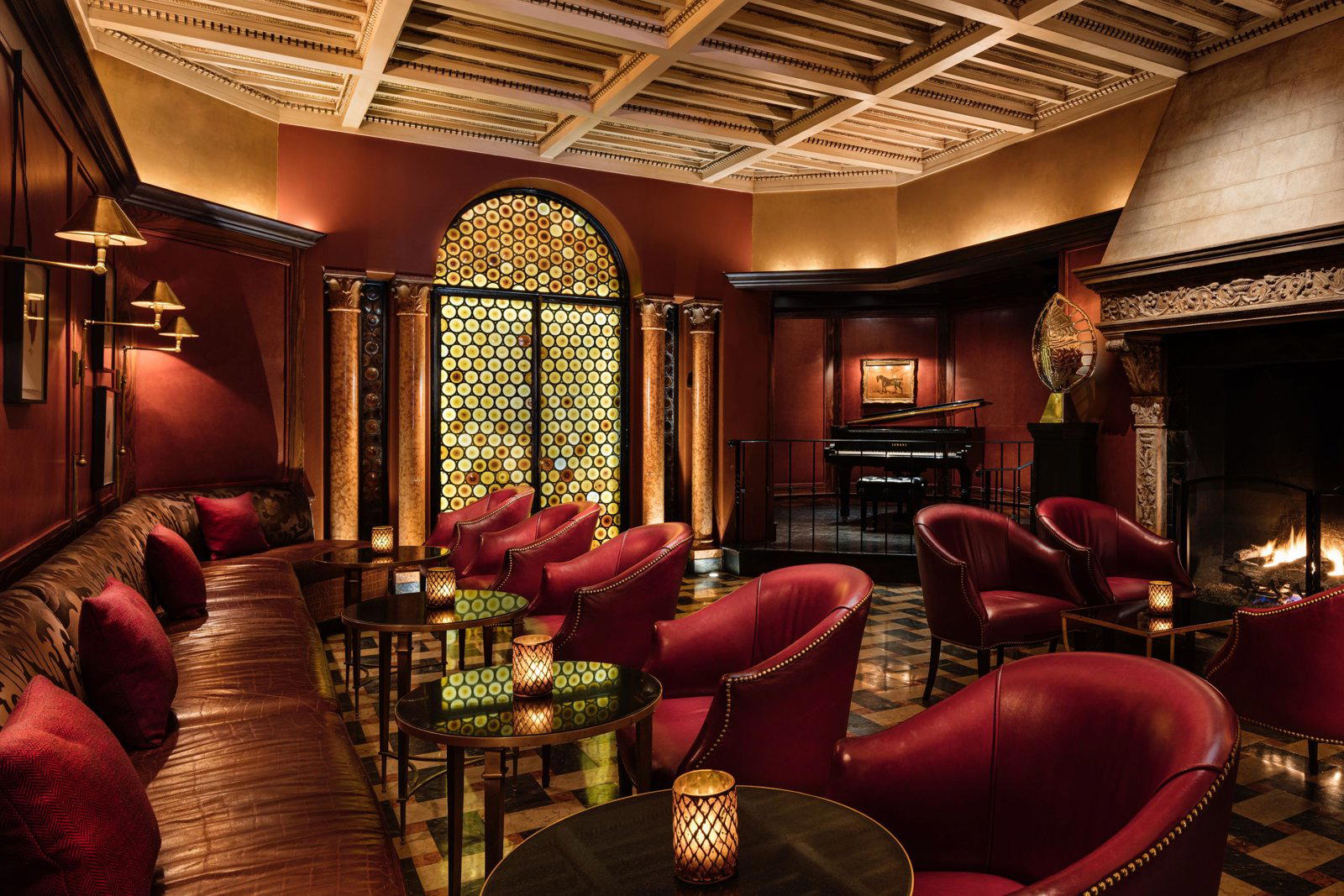
Walking up Mary Street toward the Vanderbilt, the building's Edwardian restraint reads almost incongruously against Newport's more theatrical Bellevue Avenue mansions. That quietness is the point. Where the Gilded Age trophy estates announce themselves from a mile out, this 1909 construction by Alfred Gwynne Vanderbilt sits on a downtown block, contained and confident. Auberge Resorts, which added the property to its portfolio, has treated that original character as a fixed coordinate rather than a design problem to solve. Fireplaces anchor the lobby. Museum-quality artwork moves through the public rooms. The mezzanine and parlor retain period proportion. None of it reads as pastiche because the bones were never compromised.
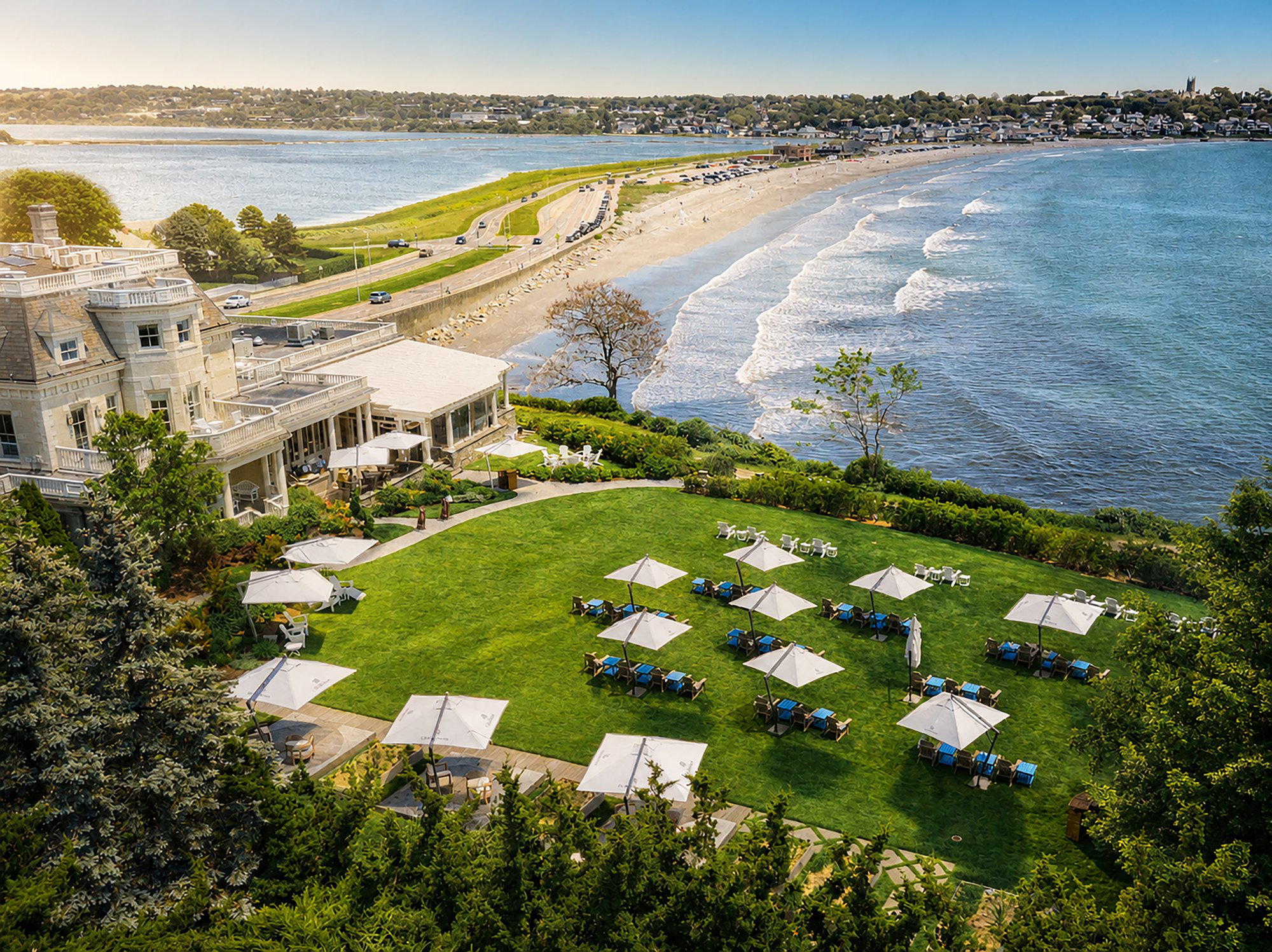
Among Newport's luxury options, the Vanderbilt occupies a distinct tier. The Chanler at Cliff Walk delivers oceanfront drama and Victorian scale. Castle Hill Inn leans into its headland position and lawn-party atmosphere. The Vanderbilt's proposition is different: a downtown address with walkable access to the city's restaurant and arts infrastructure, historic interiors that have been brought forward without being sanitized, and a social program that makes the property feel less like a hotel and more like a club. The Michelin Key awarded in 2024 validated what the local market had already concluded — this is the city's most coherent luxury offering in its category.
Rooms That Don't Apologize for Their Size
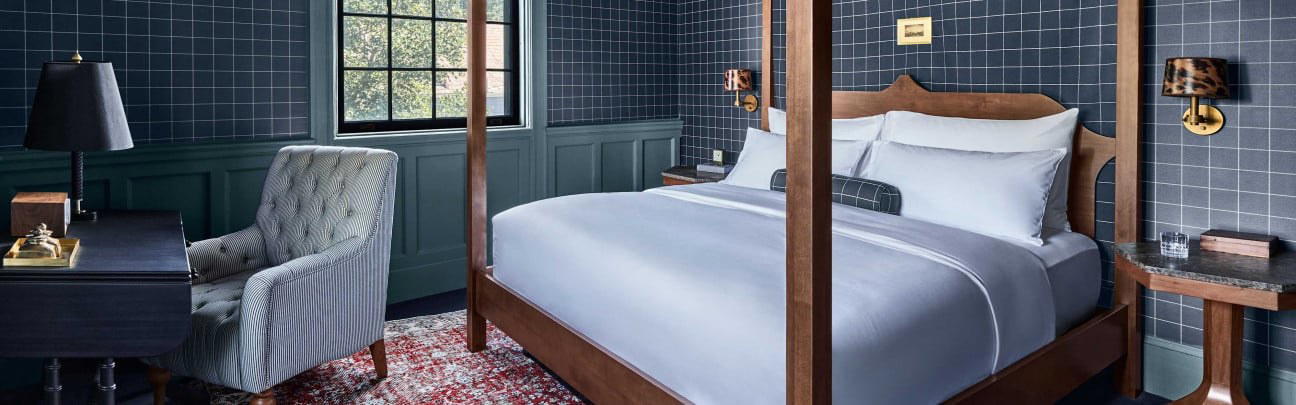
Historic hotel rooms are often a negotiation. Ceilings are high, plasterwork is lovely, and then the wardrobe barely opens. The Vanderbilt avoids that compromise across its 33 rooms. Units start large and scale up considerably. Several suites extend across two floors; others include full kitchens. The modernization has been applied where it counts: technology, plumbing, climate control, and bed quality have all been brought to current luxury-boutique expectations without stripping the rooms of their architectural identity.
For comparison, Troutbeck in Amenia operates a similar model: historic house, manageable key count, rooms that run larger than the category average, food and beverage at the center of the guest experience. Within Newport itself, The Cliffside Inn and The Attwater operate in adjacent segments but with smaller room inventories and different positioning on the formality spectrum.
The Food Program: Coastal Cooking With Range
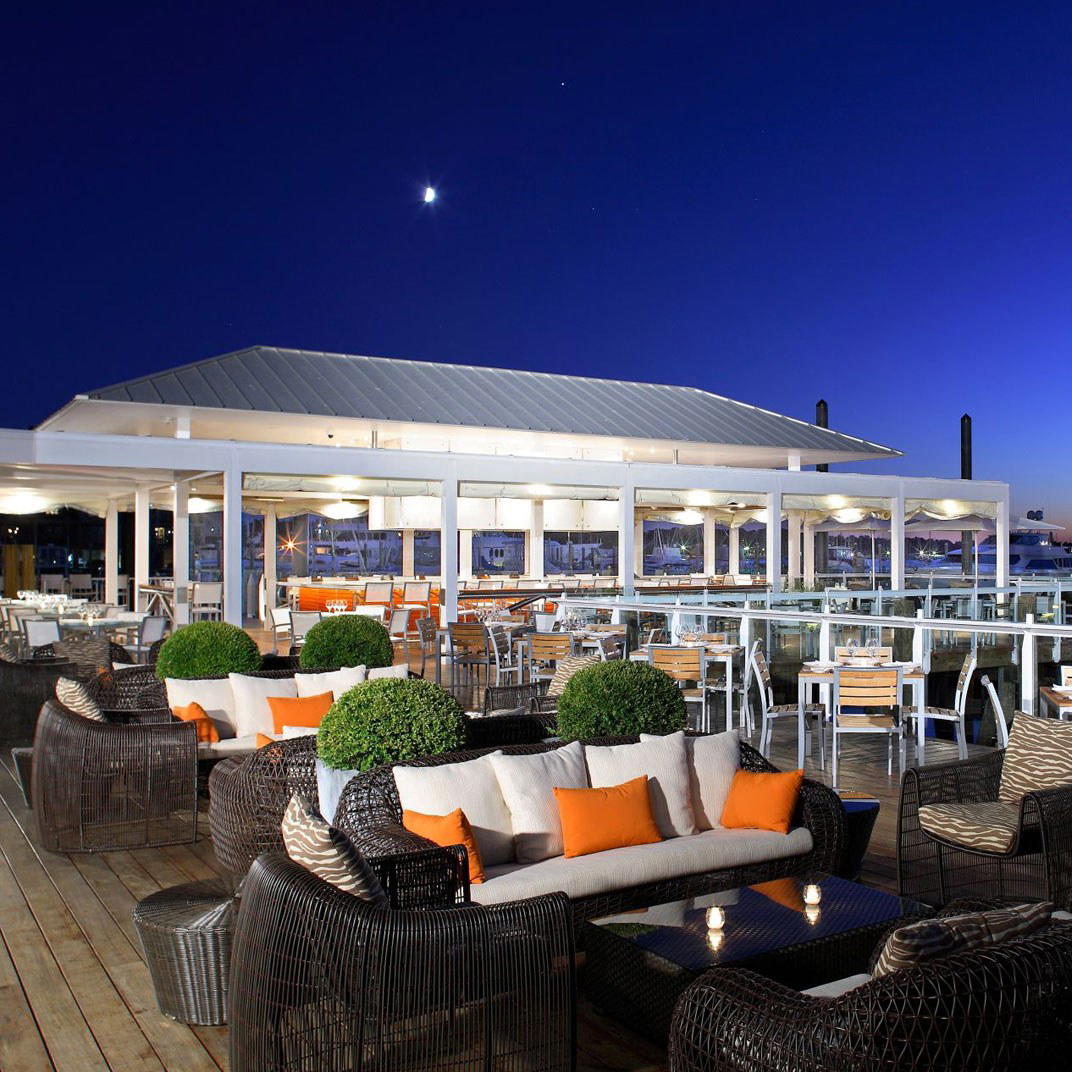
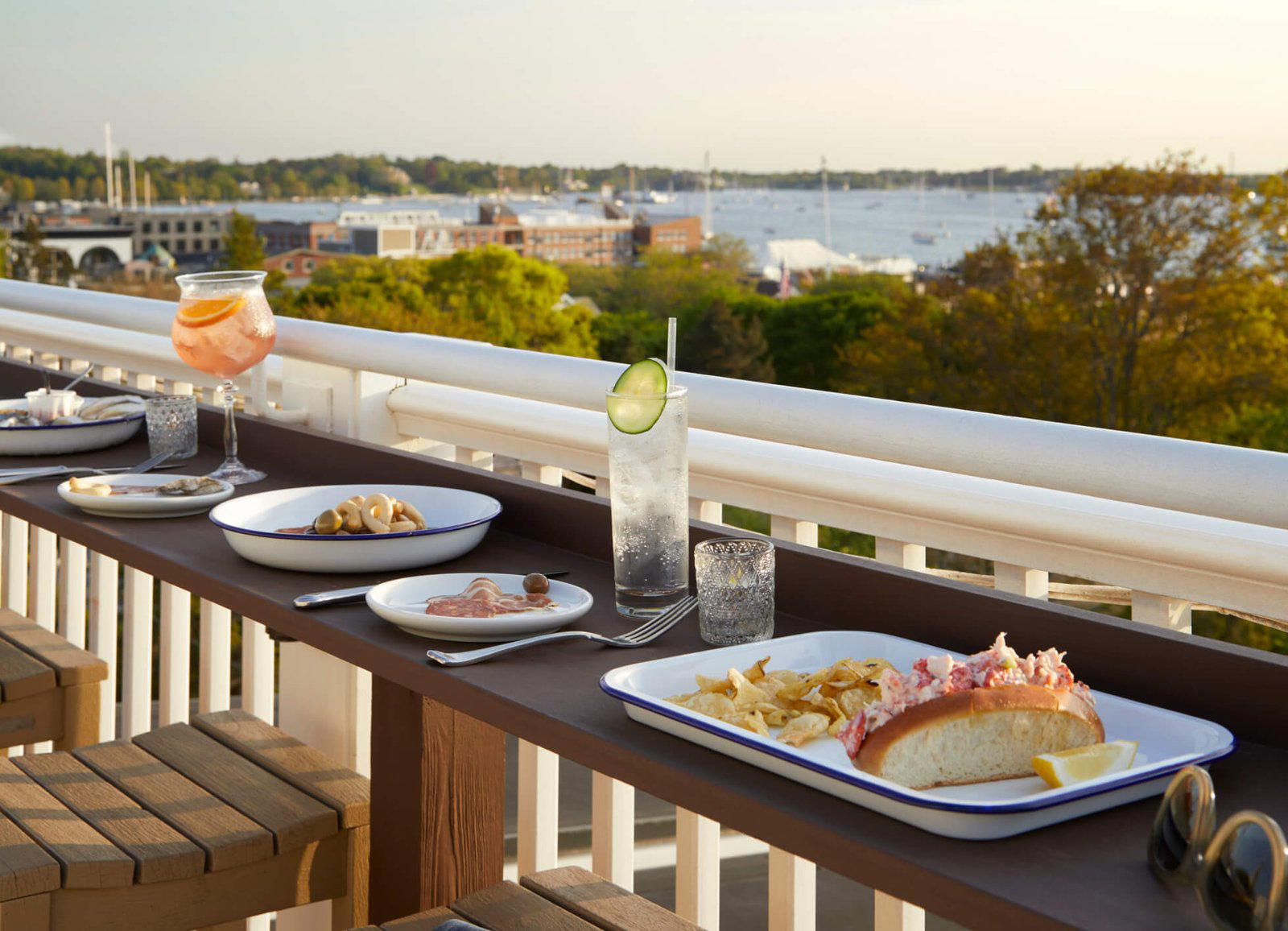
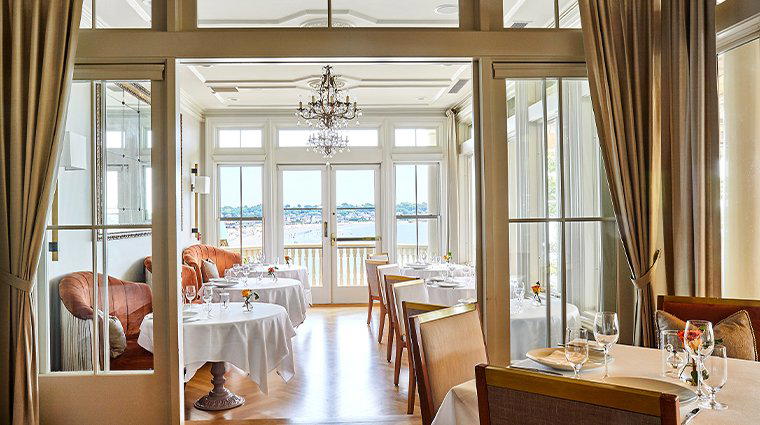
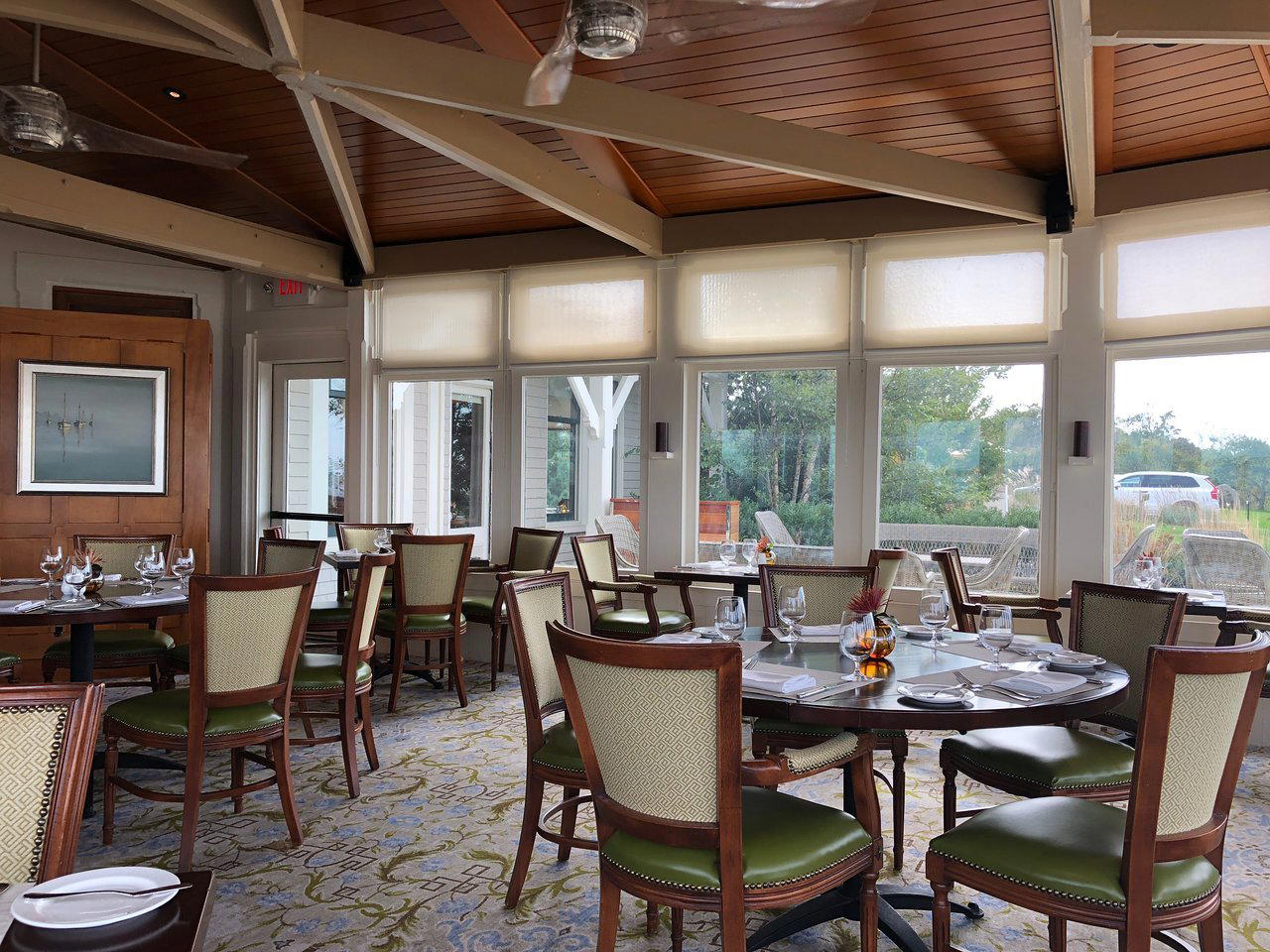
New England's coastal dining tradition runs from raw bar simplicity to technically ambitious tasting formats, and the Vanderbilt's food and beverage program covers that range across multiple venues. The Dining Room, helmed by Jonathan Cartwright, one of the region's most credentialed chefs, anchors the property with a forward-thinking menu built around coastal New England ingredients. The Living Room offers lighter bar-focused formats for guests who want something less structured. The Conservatory allows for indoor or outdoor service on the Garden Terrace. The Roof Deck, with its harbor views, operates as the property's most social space and one of Newport's better positions for an evening drink.
This multi-venue structure is common among full-service boutique hotels but harder to execute well at 33 keys than it appears. The risk is that secondary spaces feel like afterthoughts. Here, each venue has a clearly defined register: the Dining Room handles occasion dining, the Living Room handles relaxed sociability, the Conservatory transitions between moods depending on light and season, and the Roof Deck does one thing and does it cleanly. The food program earns the Michelin Key designation not through a single standout format but through the coherence of the whole.
For context on how the Auberge group approaches food across properties, Auberge du Soleil in Napa has long anchored its identity in restaurant credentials. The Vanderbilt follows that pattern in a very different culinary geography, building around the New England coast's seasonal rhythms rather than wine-country produce cycles. See our full Newport restaurants guide for how the broader dining scene maps against the property's own program.
Responsible Luxury in a Historic Building
Historic preservation at this level carries an implicit sustainability argument: the most responsible construction decision is often the one you don't make. Adapting an existing structure of 1909 vintage, rather than building new, reduces the embedded carbon cost that a comparable ground-up project would carry. That logic applies across the sector. Properties like 1 Hotel San Francisco in San Francisco make environmental commitment explicit through operational metrics. The Vanderbilt's version is quieter, rooted in the decision to restore rather than replace.
Auberge as a group has moved toward localized sourcing and community-embedded programming at several properties. The Vanderbilt's guest experience offerings — private cocktail classes, private sailing journeys, connect guests to Newport's maritime and social traditions rather than staging generic luxury activities. Sailing in Newport is not a hotel amenity invented to justify a room rate; it is how this city has organized itself for over a century. Framing access to that tradition as part of the stay is a different kind of community embedding than resort programming typically achieves. Comparable approaches appear at Post Ranch Inn in Big Sur, where the programming reflects the land directly rather than importing a generic luxury template.
Properties occupying historic buildings also carry a responsibility to the broader neighborhood fabric. Downtown Newport's walkable grid means the Vanderbilt guests circulate through the city rather than remaining sealed inside a resort perimeter. That's a small but real distinction from waterfront resort formats like Gurney's Newport Resort and Marina or headland properties like Castle Hill Inn, whose positions are magnificent but self-contained.
How the Vanderbilt Sits in the Broader Auberge Portfolio
Within the Auberge Resorts Collection, the Vanderbilt belongs to the urban-adjacent, design-led cohort rather than the remote-nature tier occupied by properties like Amangiri in Canyon Point or Sage Lodge in Pray. Its closest conceptual peers within Auberge are properties where a historic structure provides the identity and a food-and-beverage program provides the social core. SingleThread Farm Inn in Healdsburg operates a similar dual mandate, with the inn and restaurant functioning as co-dependent elements of a single proposition, though at a more ambitious culinary register.
Nationally, the tier of Michelin Key-recognized boutique hotels has expanded as Michelin has extended its hotel guide coverage. The Vanderbilt joins a cohort that includes properties where architecture, food, and programming work in concert rather than where room hardware alone carries the rating. Raffles Boston occupies a similar intersection of historic prestige and current hospitality standards at a different price point and city scale. The Fifth Avenue Hotel in New York City represents the urban grand-hotel end of that spectrum.
Planning Your Stay
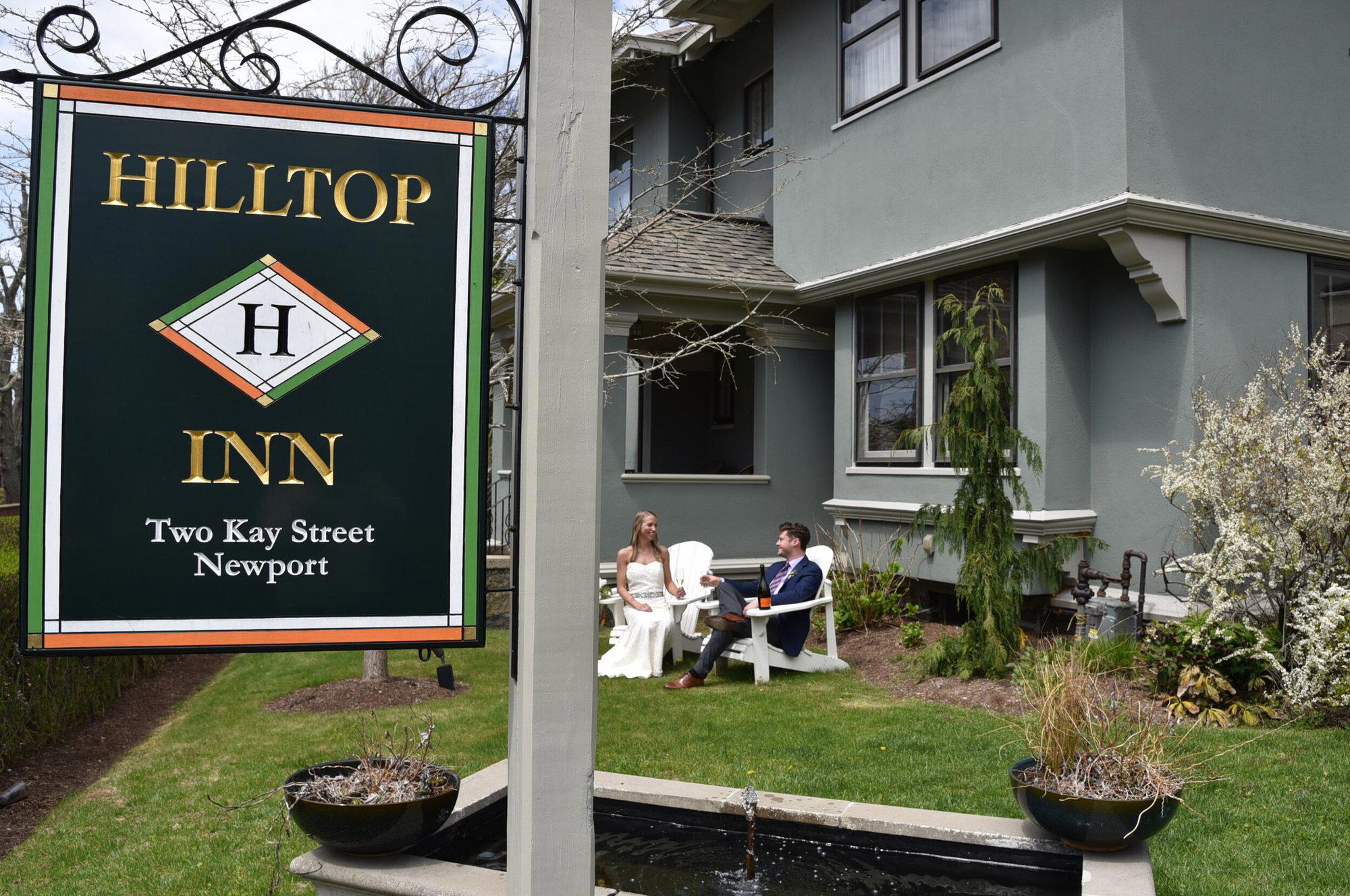
The Vanderbilt operates a minimum-stay policy that reflects Newport's seasonal demand patterns: four nights over weekends from July through October, and three nights over weekends from November through June. Rates start at $889. Those minimums are worth knowing before building an itinerary, particularly during the summer season when Newport's events calendar compresses demand. Guests seeking shorter weekend stays in Newport should also consider Brenton Hotel or Hilltop Inn as alternatives without the same minimum requirements.
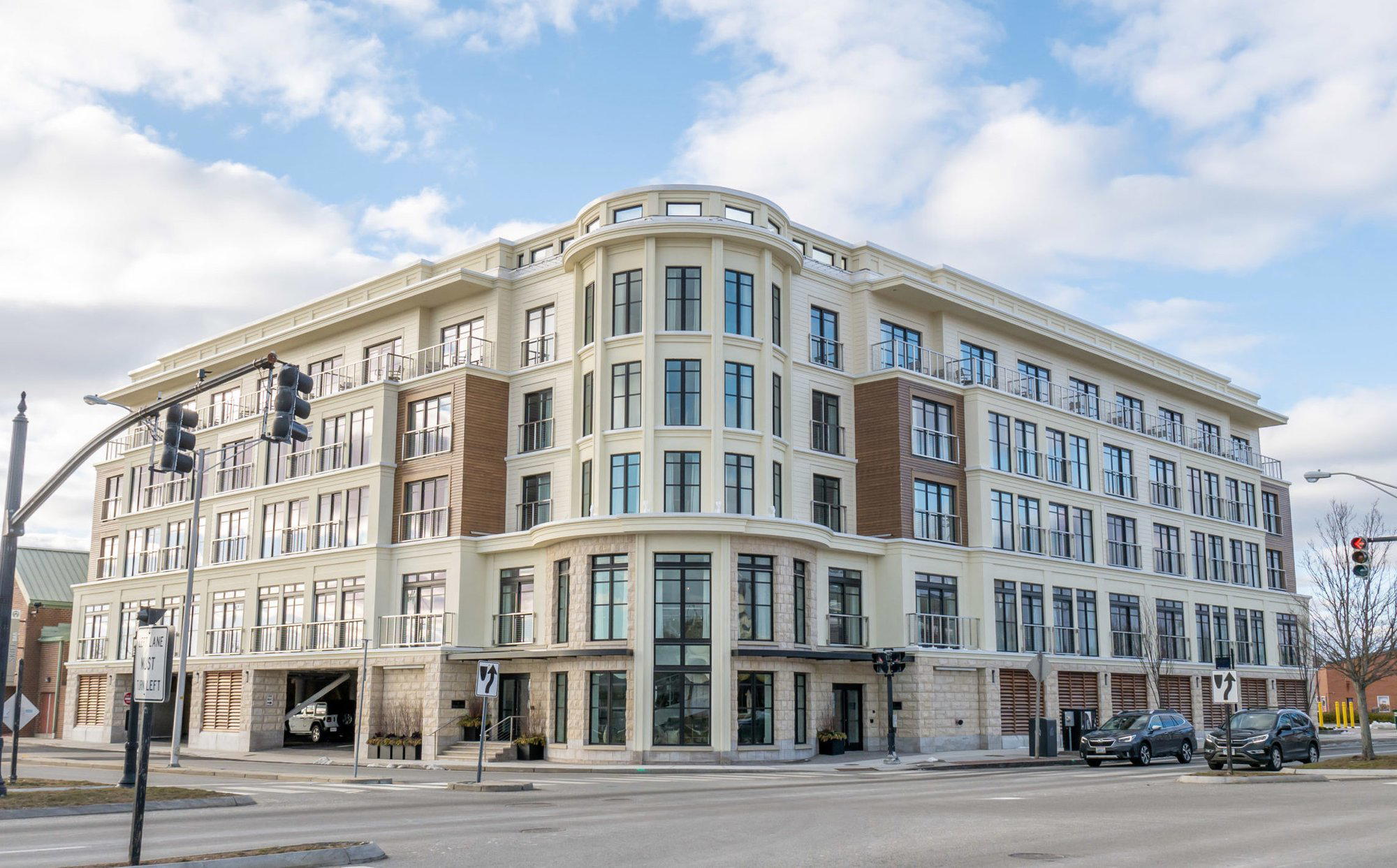
The property's downtown position at 41 Mary Street means Bellevue Avenue's mansion district is walkable, as are Thames Street's waterfront restaurants and the main ferry terminals. Guests arriving from Boston (roughly 90 minutes by road) or New York (three-and-a-half to four hours) will find the central location more practical than outlying resort addresses, particularly for short stays structured around the city rather than the property itself.
For those comparing across the Auberge portfolio before committing, Little Palm Island Resort and Spa in Little Torch Key and Kona Village, A Rosewood Resort in Kailua Kona offer the group's more remote island format. The Vanderbilt is the opposite of that proposition: a city-embedded, socially active property where the hotel functions as a base for Newport engagement rather than a destination in isolation.
A Pricing-First Comparison
Comparable venues nearby, for context on price, style, and recognition.
| Venue | Price | Awards | Notes |
|---|---|---|---|
| The Vanderbilt, Auberge Resorts CollectionThis venue — the venue you are viewing | Not listed | 1 Michelin Key · Mr & Mrs Smith Seal of Approval | Not listed |
| The Cliffside Inn | $300–500 | 1 Michelin Key · Mr & Mrs Smith Seal of Approval | Historic Hill, Historic Victorian manor house with contemporary luxury updates, positioned as a romantic boutique bed and breakfast. |
| Castle Hill Inn | Not listed | 2 Michelin Keys · La Liste Top Hotels | Ocean Drive, Historic waterfront estate turned luxury inn |
| Forty 1 North | $500–750 | Michelin Selected | downtown, Modern eco-luxury waterfront boutique |
| Gurney's Newport Resort & Marina | Not listed | Michelin Selected | Goat Island, Waterfront resort with maritime aesthetic and New England coastal charm. |
| The Chanler at Cliff Walk | $750–1,000 | 2 Michelin Keys · La Liste Top Hotels | Bellevue Avenue Historic District, Gilded Age mansion restored as luxury boutique hotel |
Recognition history
Dated appearances from independent guides and award organizations, with the underlying list record or original source where available.
Michelin 1 Key
Michelin
Mr & Mrs Smith Seal of Approval
Mr & Mrs Smith
Virtuoso Luxury Hotel Partner
Virtuoso
Full recognition history (4 entries)
Michelin 1 Key
Michelin
Details
- Elegant
- Sophisticated
- Classic
- Romantic
- Scenic
- Romantic Getaway
- Honeymoon
- Anniversary
- Weekend Escape
- Historic Building
- Waterfront
- Pool
- Spa
- Fitness Center
- Room Service
- Concierge
- Valet Parking
- EV Charging
- Waterfront
- Wheelchair Accessible
- Step Free Entrance
- Accessible Parking
- Elevator
Inviting historic charm blended with sophisticated luxury, featuring a cozy lobby fireplace, elegant parlor spaces, and serene spa atmosphere praised for comfort and attentiveness.