sichuan garden
Sichuan Garden at 2347 NW Military Hwy brings the fire-forward cooking tradition of China's Sichuan province to San Antonio's northwest corridor. Where most Texas Chinese restaurants default to Cantonese-American comfort, this address holds to the numbing heat of doubanjiang and the aromatic intensity of dried chilies, techniques rooted in a regional cuisine that has reshaped how American diners understand spice.
Pearl is the En Primeur Club membership app — saves, bookings, and concierge access live there. Same editors, same standards.
- Address
- 2347 NW Military Hwy, San Antonio, TX 78231
- Phone
- +12102655750
- Website
- eatsichuan.net
- Directions
- Get directions
 Saves & bookings on Pearl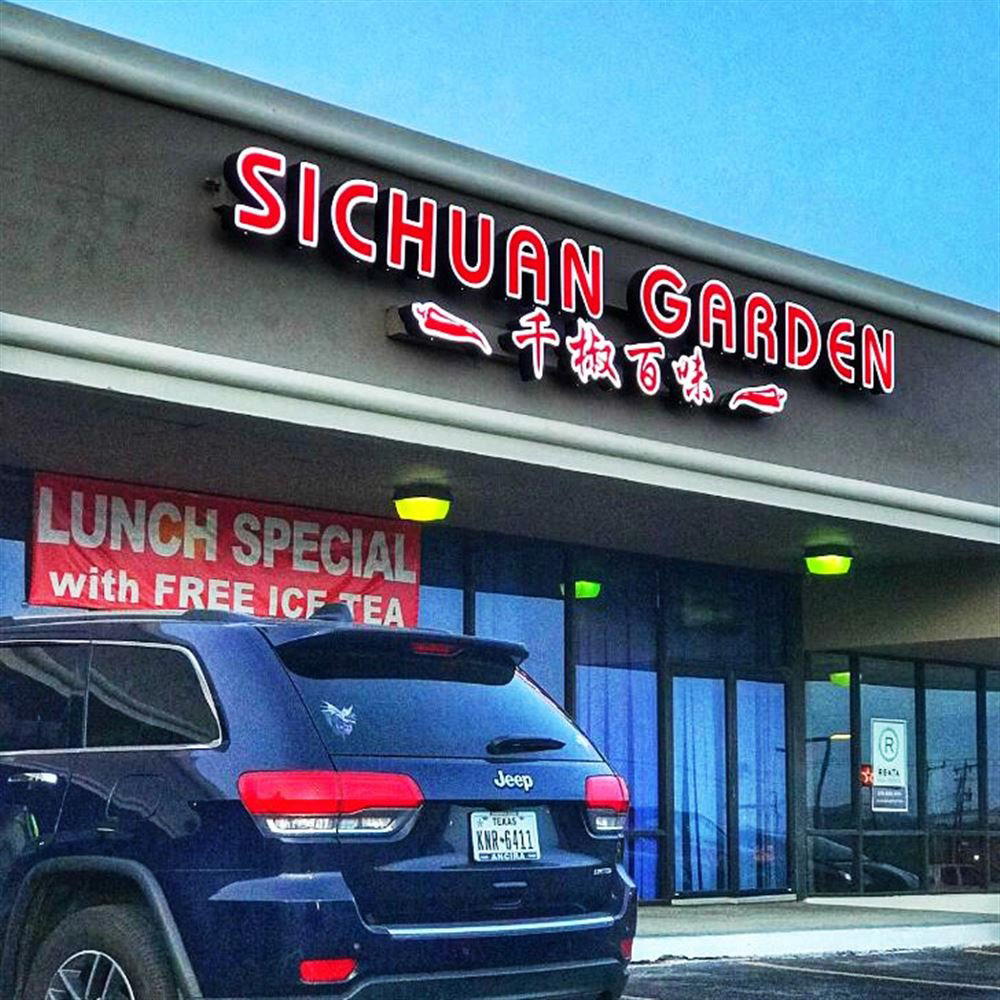
Where the Chili Belt Meets the Texas Table
San Antonio's dining identity is defined, above almost anything else, by the layered heat of its Mexican and Tex-Mex traditions, dried anchos, fresh serranos, the slow burn of chile de árbol. That context matters when you walk into Sichuan Garden on NW Military Highway in San Antonio, because the register of heat is entirely different. Sichuan cooking does not build slowly toward the back of the throat. It arrives at the front of the mouth with the numbing, citrus-edged sensation of Sichuan peppercorns (hua jiao), and it stays, coating the tongue in a way that Tex-Mex spice does not. For a city with sophisticated spice literacy, that contrast sharpens the experience rather than alienating it.
Sichuan Garden is at 2347 NW Military Hwy in San Antonio, in a practical dining corridor where consistent, specific cooking tends to survive longer than concept-driven openings. That geography matters. Sichuan restaurants in American cities that sustain themselves in commercial corridors rather than downtown showpiece locations often do so on repeat local custom, which tends to self-correct quality more reliably than tourist traffic.
The Technique Behind the Heat
Sichuan cuisine's global resurgence over the past two decades is one of the more significant developments in how Chinese cooking has been received outside China. Where earlier waves of American Chinese restaurants filtered regional cooking through Cantonese templates, lighter sauces, less spice, adaptations toward perceived Western preference, the current generation of Sichuan-focused kitchens has pressed toward authenticity in its use of doubanjiang (fermented broad bean and chili paste), dried chilies from Sichuan province, and the specific floral-numbing quality of Sichuan peppercorns. The technical vocabulary of this cuisine is precise: the mala (numbing-spicy) balance is not a rough approximation but a calibrated ratio that shifts dish to dish, and the wok technique required to achieve it depends on extremely high flame and practiced timing.
That same framework, imported method applied to local context, has been the engine behind particularly discussed restaurants in the United States right now. Kitchens like Atomix in New York City have built their reputations on Korean technique refined through fine-dining infrastructure. Blue Hill at Stone Barns in Tarrytown built its name on European fine-dining rigor applied entirely to North American agricultural products. The editorial point is not that Sichuan Garden operates in those leagues, the contexts differ entirely, but that the underlying tension between inherited technique and local ingredient sourcing is a productive one across price points and formats.
In San Antonio specifically, that intersection takes on particular texture. South Texas produces chilies, beef, and pork at scale. A Sichuan kitchen drawing on local supply has access to product that, handled with the intensity the cuisine demands, can produce something distinct from a Sichuan kitchen in Chicago or New York working with equivalent imports.
Sichuan in the Context of San Antonio's Chinese Dining
San Antonio's Chinese restaurant scene is smaller and less differentiated by region than cities with larger Chinese-American populations, Houston, Los Angeles, or the San Gabriel Valley, where restaurant clusters have sorted themselves by province and even by county of origin within provinces. That makes a specifically Sichuan-focused kitchen in San Antonio a relatively uncommon address. The city's dining conversation, tracked by outlets covering the broader Texas food scene, tends to center on Tex-Mex, barbecue (the city has credible contenders in that genre, including 2M Smokehouse), and the fine-dining tier represented by places like Mixtli and Isidore. Chinese cooking, and Sichuan cooking in particular, sits outside those dominant narratives, which means it receives less critical attention than its presence in the city warrants.
For comparison, the range of technique and ambition across San Antonio's dining scene is substantial. 1Watson represents one end of the contemporary spectrum; 410 Diner anchors the everyday end. The restaurant fits into neither category cleanly, which is the point: it represents a specific regional cuisine practiced with a degree of fidelity that most casual diners in San Antonio don't encounter regularly. The broader guide to the city's restaurants, available in our full San Antonio restaurants guide, maps that range in more detail.
Nationally, the venues that have done most to raise the standard for how non-European cuisines are taken seriously in American dining include institutions like Le Bernardin in New York City, which redefined what French seafood technique could mean in an American context, and Providence in Los Angeles, which has applied classical rigor to Pacific seafood traditions. The pattern is consistent: precision technique, regional ingredient logic, and editorial commitment from critics who take the cuisine on its own terms rather than measuring it against European fine-dining hierarchies. Sichuan cooking deserves the same critical frame, and in San Antonio, that argument is largely still being made.
What to Know Before Visiting
The restaurant holds. Reservations are recommended, and the restaurant is open daily from 11 AM. For reference, the address is 2347 NW Military Hwy, San Antonio, TX 78231. NW Military Highway is accessible by car; street and lot parking are standard for this corridor.
For those building a longer San Antonio itinerary around strong regional cooking, the city also has credible options in Mexican fine dining via Mixtli, updated Texas cuisine at Isidore, and nationally recognized barbecue at 2M Smokehouse. The range also extends to Emeril's in New Orleans, Lazy Bear in San Francisco, Alinea in Chicago, Single Thread Farm in Healdsburg, The French Laundry in Napa, Addison in San Diego, The Inn at Little Washington, and 8 1/2 Otto e Mezzo Bombana in Hong Kong for those whose travel extends beyond Texas.
Know Before You Go
- Address: 2347 NW Military Hwy, San Antonio, TX 78231
- Phone: not confirmed, search current listings before visiting
- Hours: Not confirmed, verify directly before visiting
- Booking: Not confirmed, call ahead or check current third-party reservation platforms
- Price range: not confirmed
- Parking: Standard commercial corridor, lot and street parking expected
Cuisine and Awards Snapshot
Comparable venues nearby, for context on price, style, and recognition.
| Venue | Cuisine | Price | Notes |
|---|---|---|---|
| sichuan gardenThis venue — the venue you are viewing | Authentic Sichuan Chinese | $$ | Not listed |
| Curry Boys BBQ | Thai Curry Texas BBQ Fusion | $$ | Tobin Hills |
| Tributary | Southern Texas Cuisine | $$ | Alamo District |
| Kona Grill - North Star | American Grill with Sushi | $$ | Uptown Central |
| The Social at Eilan | Southwest Comfort Food | $$ | La Cantera |
| 1Watson | Modern Southwestern Rooftop | $$ | Houston Street District |
Continue exploring
More in San Antonio
Restaurants in San Antonio
Browse all →
Bars in San Antonio
Browse all →
Hotels in San Antonio
Browse all →

At a Glance
- Cozy
- Family
- Group Dining
- Casual Hangout
- Private Dining
Current opening hours
- Monday
- 11 AM–9:30 PM
- Tuesday
- 11 AM–9:30 PM
- Wednesday
- 11 AM–9:30 PM
- Thursday
- 11 AM–9:30 PM
- Friday
- 11 AM–10 PM
- Saturday
- 11 AM–10 PM
- Sunday
- 11 AM–9:30 PM
Hours can change for holidays and private events. Last verified .
Bright and cheery post-remodeling with minimal decor and efficient service.