
Tabelog 100 #65
Our verdict
A Suita wagashi shop with Tabelog 100 recognition in 2023, Shouchiku Dou Suita yamada honten belongs to Osaka’s quieter sweets culture rather than its restaurant-showpiece circuit. The appeal is narrow and specific: Japanese traditional sweets, especially daifuku, treated as seasonal craft rather than café theatre.

Pearl is the En Primeur Club membership app, where members save venues, book tables and use the concierge.
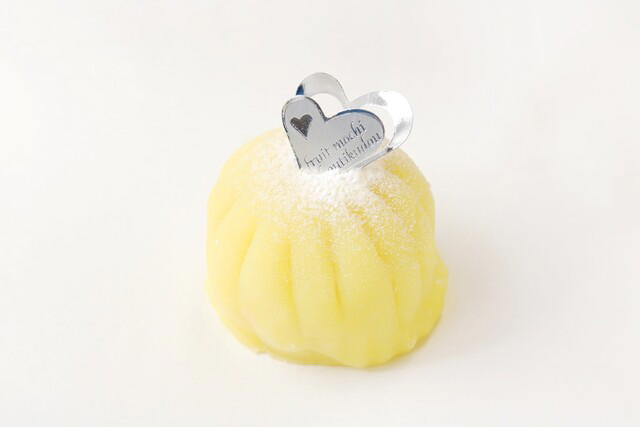
The menu
What to order
- フルーツ餅(Fruit Mochi)
- Daifuku-style Japanese traditional sweets
In Osaka, the rhythm can change from restaurant districts and department-store food halls to everyday errands, local trains, and small specialist shops with reputations built over years rather than campaigns. Wagashi belongs naturally in that setting. It is not a long lunch or a chef’s counter; it is a purchase made with timing, season, and gifting in mind. Shouchiku Dou Suita yamada honten sits in that tradition, with Japanese traditional sweets and daifuku forming the core of its identity.
Osaka’s food reputation is often reduced to hot griddles, queue ramen, and late-night drinking, but the city’s sweets culture runs on a different clock. Kansai wagashi has always had a close relationship with tea, household visits, and seasonal obligation: something brought to a host, sent as thanks, or bought because the moment calls for a careful sweet. That context matters here more than décor or ceremony. This is a sweets specialist, not a restaurant trying to stretch dessert into a tasting format.
Daifuku and the seasonal logic of Kansai wagashi
Daifuku can look simple from the outside: rice cake, filling, a soft exterior that hides most of the craft. The category rewards restraint. Too much sweetness dulls the balance; too much chew turns texture into work; too much decoration misses the point. In Kansai, the appeal often sits in how a shop handles seasonality without turning it into spectacle. The focus here places the shop firmly inside Japan’s calendar-driven confectionery culture.
That rhythm also explains why wagashi shops are difficult to compare with standard cafés. Other Osaka cafés belong to the city’s sit-down map, while everyday bakeries work in a different food economy. Shouchiku Dou Suita yamada honten is closer to the purchase-and-carry tradition: sweets chosen for later, often for sharing, with the product carrying the experience rather than the room. The distinction is useful for travellers who plan Osaka only around meals; some of the city’s more revealing food moments happen between them.
The Tabelog Hyakumeiten recognition for Japanese traditional sweets in 2023 gives the shop a clear external signal within a crowded category. That recognition does not turn wagashi into luxury dining, but it does separate recognised specialists from casual sweet counters. The same public profile lists a score of 3.66 and a price range of JPY 2,000 - JPY 2,999, details that help set expectations without changing the essential character of the shop.
Why Osaka changes the reading of the shop
Location alters expectation. In Osaka, a sweets purchase can become part of a wider day of eating rather than a stand-alone restaurant booking. The decision feels intentional: a move toward a specialist with a specific reason to go. That gives the shop a different kind of usefulness for a traveller: it can sit alongside an Osaka day rather than compete with dinner reservations elsewhere in the city.
Its format also avoids the false grandeur that sometimes attaches to premium sweets coverage. There are no chef biographies to decode and no tasting counter language needed. The public details point instead to Japanese traditional sweets and daifuku, with a lunch budget listed at JPY 2,000 - JPY 2,999. Those are modest facts, but they say a great deal about the category. Wagashi at this level often succeeds by being precise and usable, not theatrical.
Osaka’s broader dining map offers sharper contrasts. Other dining rooms and casual counters show how varied local eating habits can be. Compared with nearby reference points such as Le Sucre Coeur Kishibe, Menya Tsumugu, New Astoria, Kissa Ichi, and Sakura Grill, this shop occupies a more specialised lane: less about a full meal, more about the discipline of a single sweet tradition.
How to place it in an Osaka itinerary
The smart reading is not to treat this as a substitute for lunch or dinner. It works as a targeted sweets stop, particularly for travellers already moving through Osaka with room in the day for a specialist purchase. The listed spend places it above a casual snack counter and below the cost of a formal restaurant meal, which fits the role of a gift box, seasonal purchase, or composed dessert stop rather than an all-afternoon café plan.
For a fuller city view, use this shop as one point in a wider Osaka food map rather than an isolated destination. The main dining guide is Our full Osaka restaurants guide, with parallel city coverage in Our full Osaka hotels guide, Our full Osaka bars guide, Our full Osaka wineries guide, and Our full Osaka experiences guide. Travellers extending the same food-first logic across Japan can also compare regional formats through other dining in Japan more generally. For Japanese food culture abroad, overseas examples show how portable Japanese formats change when they leave Japan.
The verdict is simple: this is a focused wagashi stop for readers who care about Japanese sweets as craft, season, and local habit. Shouchiku Dou Suita yamada honten is not trying to compete with Osaka’s dining rooms. Its relevance comes from a narrower and, in many ways, more Japanese question: what does a city reveal when dessert is treated as timing, place, and occasion?
Frequently asked questions
Is Shouchiku Dou Suita yamada honten a family-friendly restaurant?
It can work well as a family sweets stop in Osaka because the format is centred on Japanese traditional sweets rather than committing to a full sit-down meal.
Is Shouchiku Dou Suita yamada honten formal or casual?
It is casual rather than formal. The focus is Japanese traditional sweets and daifuku, with the price range listed at JPY 2,000 - JPY 2,999.
Is Shouchiku Dou Suita yamada honten expensive?
Pricing at Shouchiku Dou Suita yamada honten is listed as JPY 2,000 - JPY 2,999.
What are Shouchiku Dou Suita yamada honten's hours?
Specific opening hours are not provided here.
Where is Shouchiku Dou Suita yamada honten in Osaka?
Osaka.
What has Shouchiku Dou Suita yamada honten built its reputation on?
Its reputation rests on Japanese traditional sweets, especially daifuku, plus its 2023 recognition from Tabelog Hyakumeiten. The public listing also notes a score of 3.66 and a price range of JPY 2,000 - JPY 2,999.
Cost and Credentials
Comparable venues to anchor price and recognition.
| Venue | Cuisine | Price | Awards | Notes |
|---|---|---|---|---|
| Shouchiku Dou Suita yamada hontenThis venue (the venue you are viewing) | Traditional Japanese Wagashi & Fruit Mochi | $1–10 | Tabelog 100 #65 | Not listed |
| Human beings everybody noodles (人類みな麺類) | Traditional Shoyu Ramen | $1–10 | Tabelog 100 #65 | Nishinakajima, Yodogawa-ku, Traditional Shoyu Ramen |
| Ramen Tetsushi | Ramen shop | $10–20 | Tabelog 100 #38 | Toyonaka, Ramen shop |
| Rekka Honten | Spicy Yamagata-style ramen & tsukemen | $10–20 | Tabelog 100 #100 | Toyonaka / Shonai, Spicy Yamagata-style ramen & tsukemen |
| Udonya Kisuke | Osaka-style udon and tempura | $10–20 | Tabelog 100 #51 | Kita, Osaka-style udon and tempura |
| Ue o Muite | Japanese Udon | $1–10 | Tabelog 100 #64 | Korien, Japanese Udon |
Recognition history
Dated appearances from independent guides and award organizations, with the underlying list record or original source where available.
Tabelog 100 #65 · No. 65
Tabelog · Tabelog 100 - Japanese traditional sweets / Japanese sweets cafe - WEST - 2023
Continue exploring
More in Osaka
Restaurants in Osaka
All restaurants in Osaka →


Bars in Osaka
All bars in Osaka →



Hotels in Osaka
All hotels in Osaka →



Wineries in Osaka
Browse all →
Details
- Classic
- Cozy
- Well Known
- Solo
- Family
- Casual Hangout
- Celebration
- Historic Building
- Standalone
- Local Sourcing
- A La Carte
- Counter Dining
Current opening hours
- Monday
- 10 AM–6 PM
- Tuesday
- 10 AM–6 PM
- Wednesday
- Closed
- Thursday
- 10 AM–6 PM
- Friday
- 10 AM–6 PM
- Saturday
- 10 AM–6 PM
- Sunday
- 10 AM–6 PM
Hours can change for holidays and private events. Last verified .
Traditional Japanese wagashi shop atmosphere with a simple, classic interior focused on a take-out counter and display cases of colorful sweets rather than sit-down dining; calm and understated, emphasizing craftsmanship and seasonality rather than decor.