
Shoku Pan Kobo Rami Fukushima honten belongs to Osaka’s precise, product-led bread culture rather than the café-bakery circuit. The Fukushima shop is a takeaway specialist focused on bread, with Tabelog Bread WEST 100 selections in 2020 and 2022, low pricing under JPY 999, and logistics that suit planned pickup rather than lingering.
Pearl is the En Primeur Club membership app — saves, bookings, and concierge access live there. Same editors, same standards.
- Address
- 1 Chome-5-17 Sagisu, Fukushima Ward, Osaka, 553-0002, Japan
- Phone
- +81 6-6450-1976
- Website
- lamie.jp
 Saves & bookings on Pearl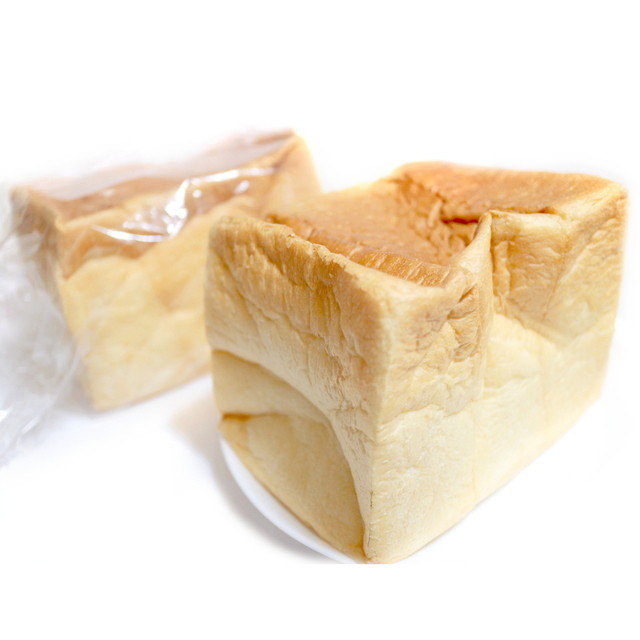
Approaching a Japanese bread shop at midday is unlike entering a restaurant: no table theatre, long menu, or chef’s counter performance. The point is compression: flour, dairy, fermentation, slicing, wrapping, and confidence in a product made to leave. In Osaka’s Fukushima ward, close enough to Umeda for city-centre demand yet defined by small specialists rather than grand rooms, that format matters.
Shoku Pan Kobo Rami Fukushima honten fits that lane. It is not a bakery-café or a pastry case for coffee browsing. The format is takeaway; the category is bread, with Tabelog Bread WEST 100 recognition in 2020 and 2022. In a city of noodles, kushikatsu, curry, counter sushi, and coffee shops, a shop narrowed to bread makes the argument plainly: the product, not the room, carries the reputation.
Osaka's bread culture rewards narrow specialists
Japan’s shokupan culture is often misunderstood by travellers as ordinary sandwich bread. Better to read it as a technical staple judged by crumb structure, dairy balance, sweetness, pull, toast behaviour, and how it holds over a day. Specialist bread shops can sit beside restaurant names in serious local food planning: not pauses between meals, but part of how a city eats at home, in offices, and on trains.
The Fukushima address sharpens this. It is not the department-store basement model, where bread competes with sweets, bento, and gift boxes under fluorescent urgency. Nor is it the broader casual-food bracket of local burger-and-coffee formats such as FLY BOY BURGER & COFFEE, where JPY 1,000 to JPY 1,999 buys a meal setting. Here pricing is under JPY 999, and the experience is a controlled purchase, not a sit-down stop.
Ingredient sourcing is the useful lens. Bread shops at this level live or fail by inputs that cannot hide: flour quality, fat, milk, sugar, salt, and fermentation management. When the public identity is only bread, a long menu cannot distract. Selection for Tabelog Bread WEST 100 signals assessment within a regional bread category, not a general restaurant ranking; for travellers, that matters because Kansai bread culture has its own competitive field, apart from ramen queues or kaiseki reservations.
That precision rewards planning. A loaf is perishable and made in limited daily cycles; arriving late just to “see what is left” offers little benefit. Shoku Pan Kobo Rami Fukushima honten lists reservations, with reception beginning in the morning and advance ordering encouraged where possible. That is production discipline, not luxury scarcity. The narrower the shop, the more timing becomes part of the meal.
Takeaway bread, not café theatre
The shop’s strongest editorial value is its refusal to become a café. Osaka has many places for sitting, pairing, grazing, and extending the afternoon. This one is direct: bread is takeaway, private rooms and private use are irrelevant, and payment is cash-only; credit cards, electronic money, and QR payments are not accepted. Those details place it in an older, small-format Japanese retail rhythm where the transaction is quick and the product travels.
That rhythm suits Fukushima’s dining geography. The ward works as a sequence: bread pickup in the afternoon, drink or dinner later, then a short hop back toward central Osaka. Readers mapping a wider day can use Our full Fukushima restaurants guide for sit-down meals, while Our full Fukushima bars guide helps after dark. For visitors treating the area as more than one stop, Our full Fukushima hotels guide, Our full Fukushima wineries guide, and Our full Fukushima experiences guide give the neighbourhood structure.
Within a restaurant itinerary, treat the bread shop differently from a meal reservation. It is a provisions stop, useful before a train ride, for hotel breakfast, or as a next-day snack. That makes it a counterweight to heavier local meals: shabushabu at Agu Buta Shabushabu Senmon Ten Toriou Bettei, bistro cooking at Bistro Mikasa, or a caffeine-led pause at CAFE BAHNHOF. A narrow bread specialist does not compete with those formats; it fills another slot.
For comparison inside Fukushima, age and Asia Shokudo Chouku show the ward’s range beyond Japanese staples. The lesson is not that every stop must be ambitious. Osaka rewards category clarity. A place can matter because it does one retail task with discipline, just as a soba counter, an udon room such as Oudon Yomogi, or a grill-focused local meal can matter through boundaries.
How to fit it into a serious Osaka food day
The practical move is simple: treat the shop as a daytime purchase with a narrow window, not an all-day fallback. It operates from noon into late afternoon on listed open days and closes on Sundays and public holidays. The nearest station is Shin-Fukushima, with other rail approaches from the surrounding Fukushima and Noda area. There is no parking listed, so rail or walking is cleaner.
Because spend sits under JPY 999, this is one of Osaka’s rare award-recognised stops where the commitment is logistical rather than financial. The Tabelog score of 3.58 and repeated Bread WEST 100 selections are trust signals, but the editorial argument is narrower: this is a shop for understanding how seriously Japan treats everyday bread. Without a dining room, the loaf must justify the detour.
Travellers building a broader Japan food map can place this stop beside other category-specific addresses without forcing false equivalence. Regional specialists such as -Grilled beef Sukiyaki- KAMAKURA TANUKIAN 鎌倉 たぬき庵 in Kamakura, 鮪と炭火焼き うお炭 秋葉原店 in Tokyo.cafe in Osaka.know in Kumamoto, (Shoku) Vietnam in Kawasaki, and [Curry Senmon Ten] Maruyama Kyoju. in Sapporo show how Japanese dining itineraries work when organised by format rather than prestige alone. Even outside Japan, the same logic applies to focused concepts such as Jōdo Saké Bar in Los Angeles and Onigiri Time in Pasadena: a small category can tell a larger story.
Shoku Pan Kobo Rami Fukushima honten is not a substitute for a restaurant meal in Fukushima. It is a precise daytime addition for travellers who notice staples, especially foods locals buy rather than photograph at a table. In Osaka, that distinction is often where the better eating day begins.
At-a-Glance Comparison
Nearby venues at a similar price tier for orientation.
| Venue | Cuisine | Price | Notes |
|---|---|---|---|
| Shoku Pan Kobo Rami Fukushima hontenThis venue — the venue you are viewing | Japanese shokupan bakery | $ | Not listed |
| Ramen Kozou | Rich Tonkotsu Ramen | $ | Fukushima |
| Spice Curry Tairiku | Osaka-style spice curry | $ | Fukushima |
| Rojiura Avant-garde | Standing Oden Izakaya in a Renovated Traditional House | $ | Fukushima |
| Ichijuu | Yakitori & Izakaya | $$ | Fukushima |
| Udon Sanku | Japanese Udon & Tempura | $ | Fukushima |
Recognition history
Dated appearances from independent guides and award organizations, with the underlying list record or original source where available.
Tabelog 100 #57 · No. 57
Tabelog · Tabelog 100 - Bread - WEST - 2022
Continue exploring
More in Fukushima
Restaurants in Fukushima
Browse all →




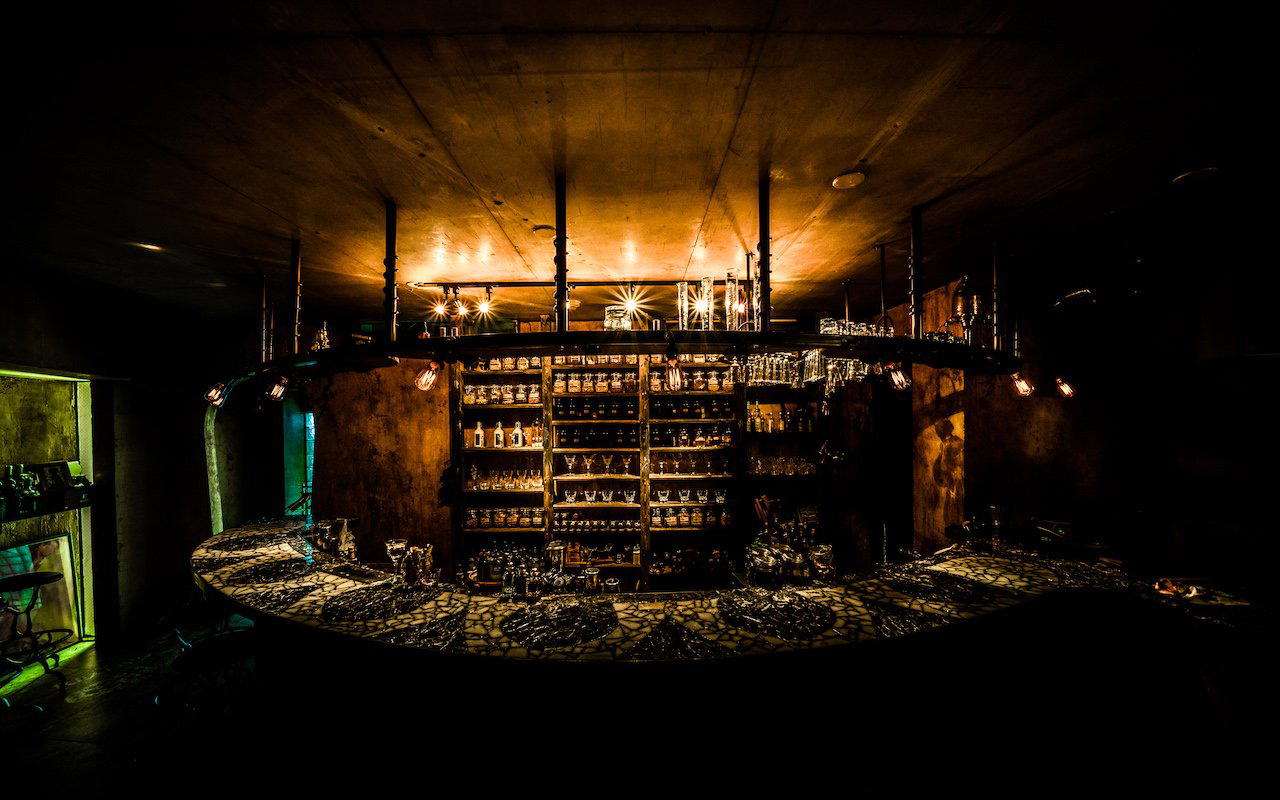
Bars in Fukushima
Browse all →



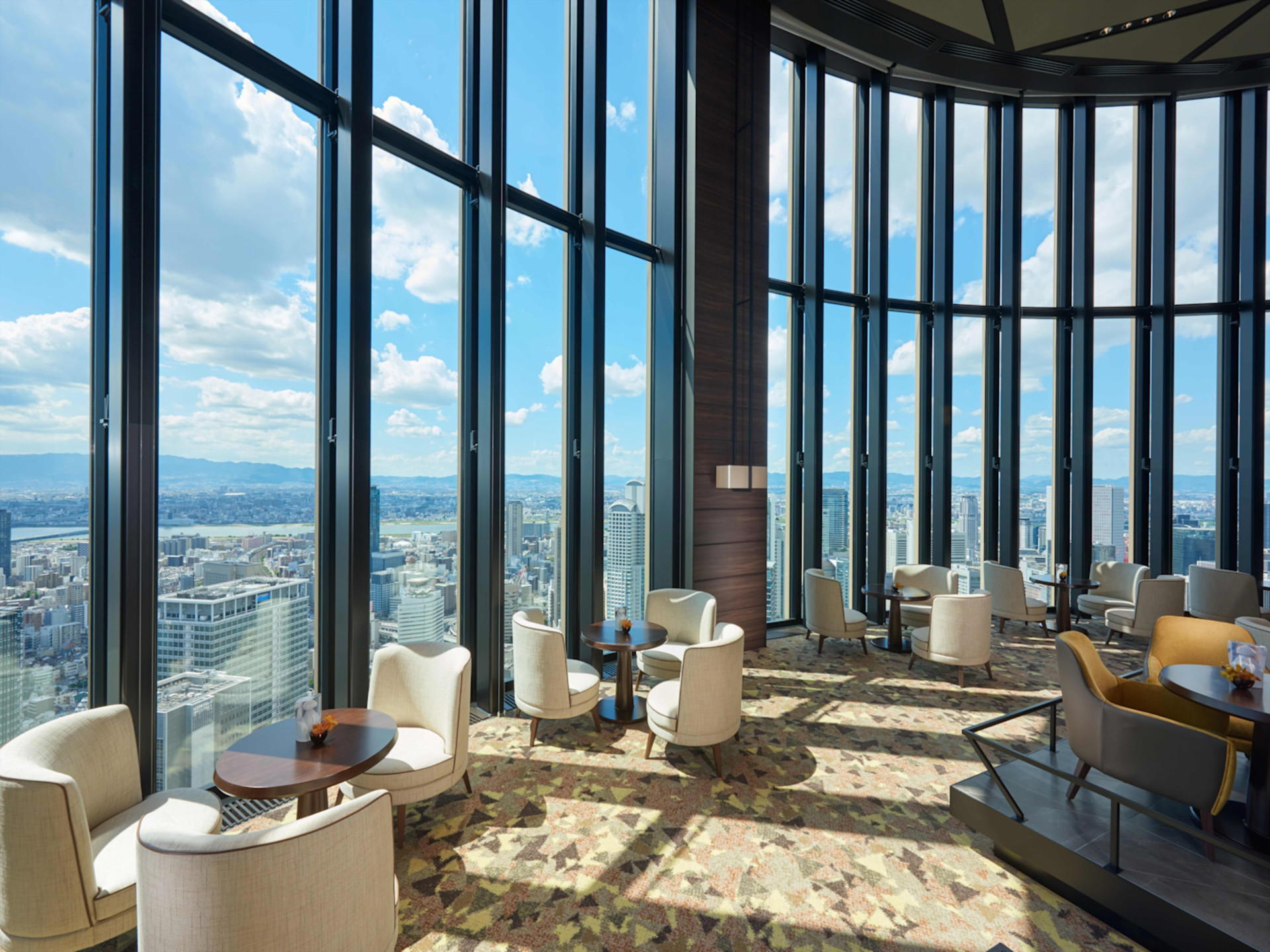
Hotels in Fukushima
Browse all →



Wineries in Fukushima
Browse all →
At a Glance
- Quiet
- Cozy
- Solo
- Casual Hangout
- After Work
- Standalone
Current opening hours
- Monday
- 12–5 PM
- Tuesday
- 12–5 PM
- Wednesday
- 12–5 PM
- Thursday
- 12–5 PM
- Friday
- 12–5 PM
- Saturday
- 12–5 PM
- Sunday
- Closed
Hours can change for holidays and private events. Last verified .
A small, quiet neighborhood shokupan shop with a simple, classic feel, focused on takeaway loaves rather than lingering, giving it a calm, utilitarian bakery atmosphere.