Shoku
Our verdict
Shoku operates from a private location in Los Angeles, positioning itself within the city's tightest tier of intimate, reservation-driven dining. Expect the kind of session where the room itself is part of the argument.

Pearl is the En Primeur Club membership app, where members save venues, book tables and use the concierge.
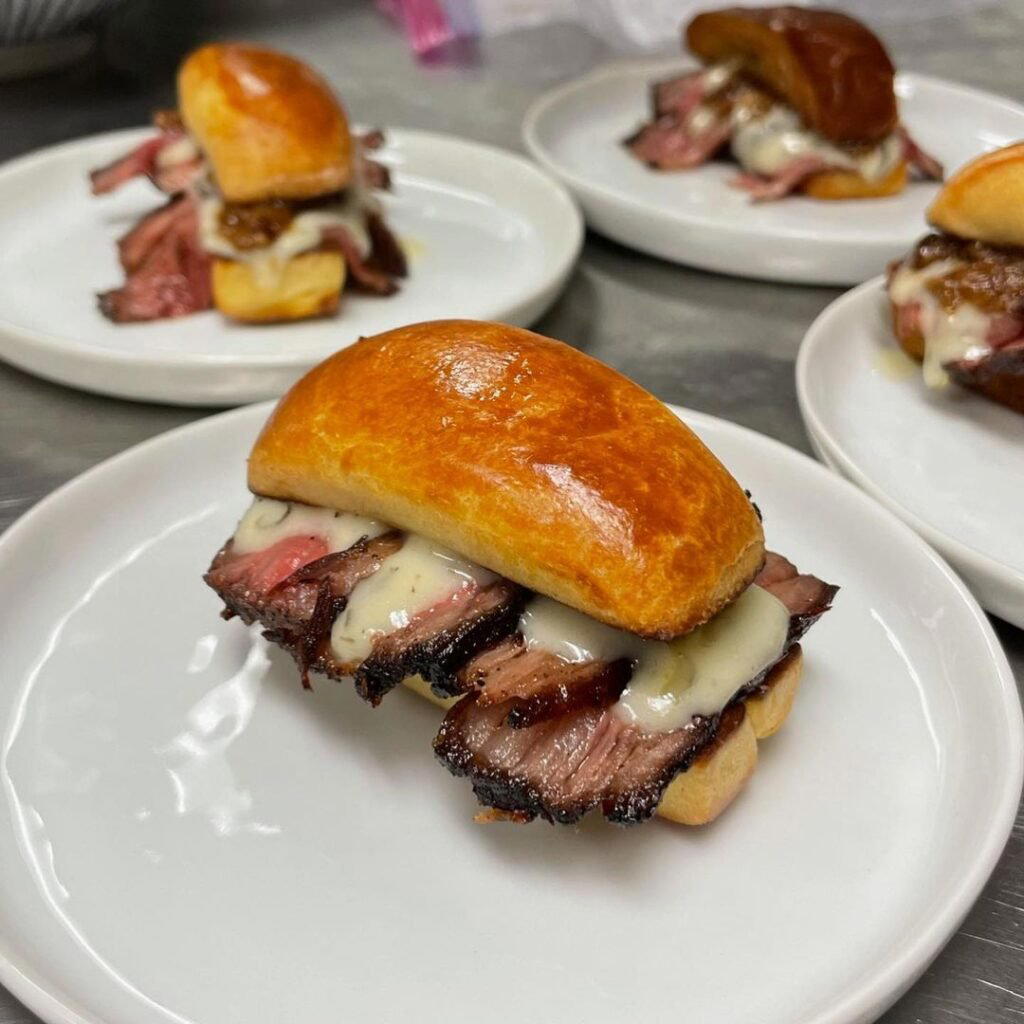
The menu
What to order
- Filet o Fish
- Milk and Cookies
The Private-Address Format and What It Signals
Los Angeles has developed a distinct tier of dining that refuses to operate on standard discovery terms. The physical container is the first editorial statement the kitchen makes before a single plate arrives.
This format has precedents across high-commitment dining globally. Lazy Bear in San Francisco built its reputation on a ticketed, communal format that stripped away conventional restaurant infrastructure. Alinea in Chicago similarly uses prepaid, timed sittings to collapse the boundary between room and experience. In Los Angeles, Shoku occupies analogous territory: the private location is less a logistical quirk and more a structural decision about what kind of attention the guest is expected to bring.
Space as Argument: Design in the Private-Venue Category
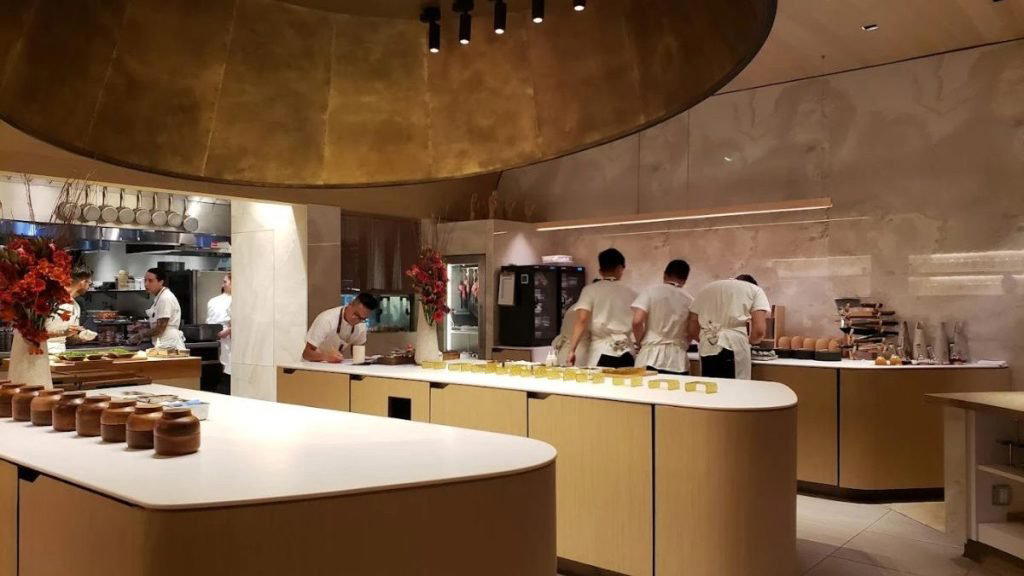
When a venue withholds its address, the room that eventually reveals itself carries disproportionate weight. In the private-location category, interior design is not decoration but premise. The seating arrangement, the material palette, the relationship between kitchen and dining space, these elements communicate what the operator believes dining should feel like at a register that a publicly accessible restaurant cannot replicate.
Compare this with the counter-focused format that has defined the upper tier of Japanese dining in Los Angeles. Hayato, operating out of a small, immaculately controlled space in the Arts District, uses a kaiseki framework where the dining room's restraint mirrors the kitchen's discipline. The room does not compete with the food; it amplifies it. Private-location venues like Shoku work from a similar principle, but the privacy itself adds a layer: the space is experienced without the ambient noise of a public restaurant, which changes how guests read both the room and the meal.
The format also creates a different acoustic and social geometry. Without the through-traffic of a conventional dining room, the bar crowd, the walk-ins waiting at the host stand, the physical space becomes more concentrated. Every material choice, every light source, every seating configuration is read more carefully because there is less distraction competing for attention.
Where Shoku Sits in the Los Angeles Scene
The upper tier of Los Angeles dining has consolidated around a small number of formats: the serious seafood counter (see Providence), the Japanese precision room (Hayato), the molecular and progressive tasting menu (Somni), and the ingredient-driven contemporary table (Kato, with its New Taiwanese architecture).
In a city where Osteria Mozza and Somni anchor opposite ends of the formality range, a privately-located, Pearl-recommended venue sits closer to the high-ceremony end by default.
For a wider survey of where Shoku sits in relation to Los Angeles dining as a whole, the EP Club Los Angeles restaurants guide maps the full range of formats and price tiers across the city.
The Private-Location Format in a National Context
The private-address dining format has evolved differently across American cities. In New York, venues like Atomix operate with confirmed addresses but use a pre-ticketed, limited-seat model that achieves a similar effect: the guest commits before arriving, and the commitment changes how they experience the space. Le Bernardin represents the older, formality-through-design model, where the room's weight is communicated through classical proportion rather than access restriction.
On the West Coast, The French Laundry in Napa and Single Thread Farm in Healdsburg use agricultural setting and spatial remove to similar ends: the act of traveling to the venue is part of the experience's structure. Shoku's private-location model in Los Angeles compresses this logic into an urban context, where the remove is social and informational rather than geographic.
Further afield, 8½ Otto e Mezzo Bombana in Hong Kong demonstrates how spatial authority and deliberate design can establish a dining room as the argument itself, with Italian fine dining operating at a remove from its source culture that only a specific kind of interior conviction can bridge. Emeril's in New Orleans shows the contrasting model: a venue where the public-facing energy of the room is the point, not something to be filtered out.
Planning a Visit
Shoku operates from a private location in Los Angeles, with the address provided upon confirmed reservation. Given the format, early booking is advisable; private-location venues at this tier typically fill sittings weeks in advance. Reservations: Contact required to obtain address and confirm seating, walk-in access is not part of the model. Budget: Pricing details are not publicly listed; expect a tasting-menu or set-format price structure consistent with the Pearl-recommended tier in Los Angeles. Getting there: Address provided post-booking; plan transport accordingly rather than assuming proximity to a specific neighborhood.
For related planning across the city, EP Club maintains guides for Los Angeles hotels, Los Angeles bars, Los Angeles wineries, and Los Angeles experiences.
Frequently asked questions
What do regulars order at Shoku?
Shoku's cuisine type and menu format are not publicly detailed, which is consistent with the private-location dining tier. As with comparable venues, Hayato's kaiseki structure or Kato's set-format tasting menu, the likely model is a chef-driven sequence rather than an à la carte selection, meaning the kitchen determines what regulars eat more than the guest does.
Is Shoku reservation-only?
Given the private-location format, reservation-only access is the operational baseline. In the Los Angeles fine-dining tier, where venues like Somni use prepaid sittings and Providence books weeks ahead, a Pearl-recommended private-address venue almost certainly requires advance booking to receive location details at all. If you are attempting to visit without a reservation, the format makes that structurally unlikely rather than merely discouraged.
What makes Shoku worth seeking out?
Beyond the award, the private-location format itself is the argument: venues that operate this way in Los Angeles are making a claim about attention, control, and spatial experience that most restaurants cannot sustain. In a city with deep competition across Japanese precision dining, progressive tasting menus, and chef-driven formats, a venue that removes itself from standard discovery channels and still earns editorial recognition has cleared a meaningful threshold. The cuisine type is not publicly specified, but the format signals that the kitchen believes the room and the meal are inseparable, which, at this tier, is usually the right bet.
Credentials Lens
| Venue | Cuisine | Price | Awards | Notes |
|---|---|---|---|---|
| ShokuThis venue (the venue you are viewing) | Modern Japanese Comfort Fine Dining | $300–500 | Not listed | Not listed |
| Kato | Modern Taiwanese Fine Dining | $300–500 | 2 Michelin Stars · World's 50 Best #49 | New Taiwanese, Asian |
| Hayato | Traditional Japanese Kaiseki | $300–500 | 2 Michelin Stars · La Liste Top Restaurants | Japanese |
| Vespertine | Avant-Garde Tasting Menu | $200–300 | 2 Michelin Stars · La Liste Top Restaurants | Progressive, Contemporary |
| Camphor | Modern French with Southeast Asian influences | $150–200 | Michelin Plate · World Best Burgers World's 101 Best Burgers #15 | French-Asian, French |
| Gwen | Contemporary American Steakhouse | $50–100 | Michelin Plate · Wine Spectator Best of Award of Excellence | New American, Steakhouse |
Continue exploring
More in Los Angeles
Restaurants in Los Angeles
All restaurants in Los Angeles →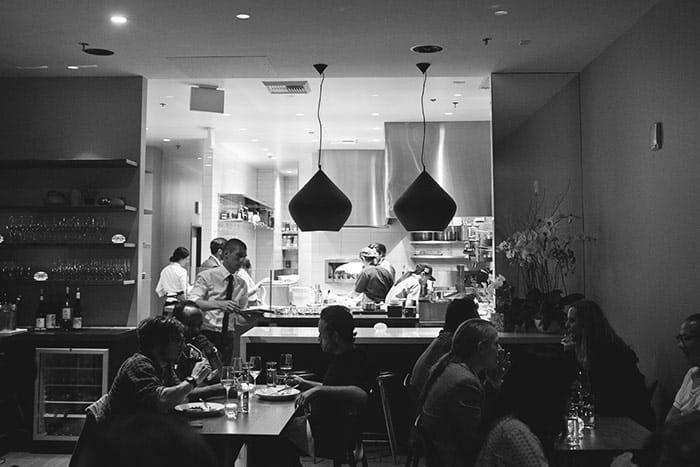
Bars in Los Angeles
All bars in Los Angeles →

Hotels in Los Angeles
All hotels in Los Angeles →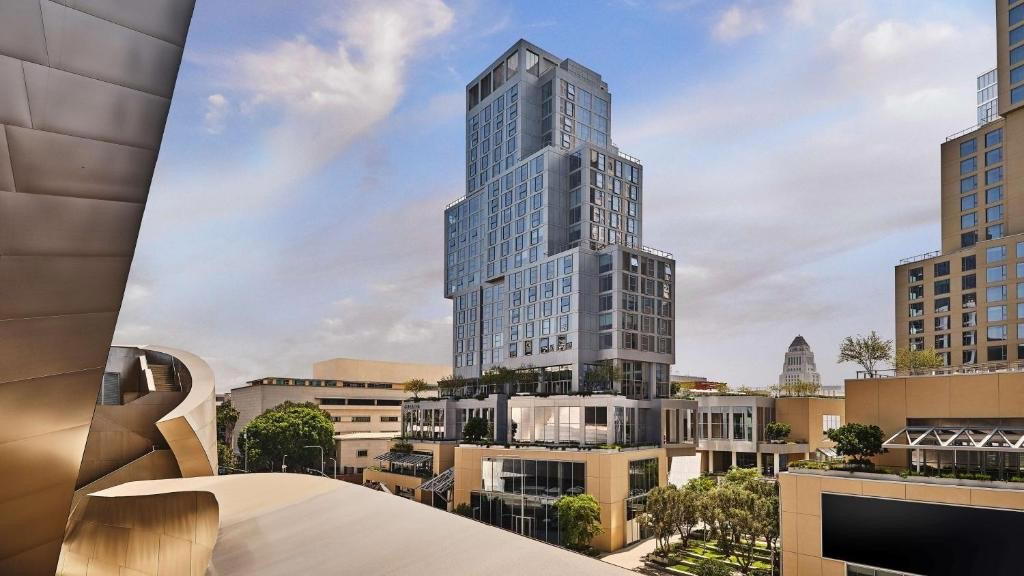
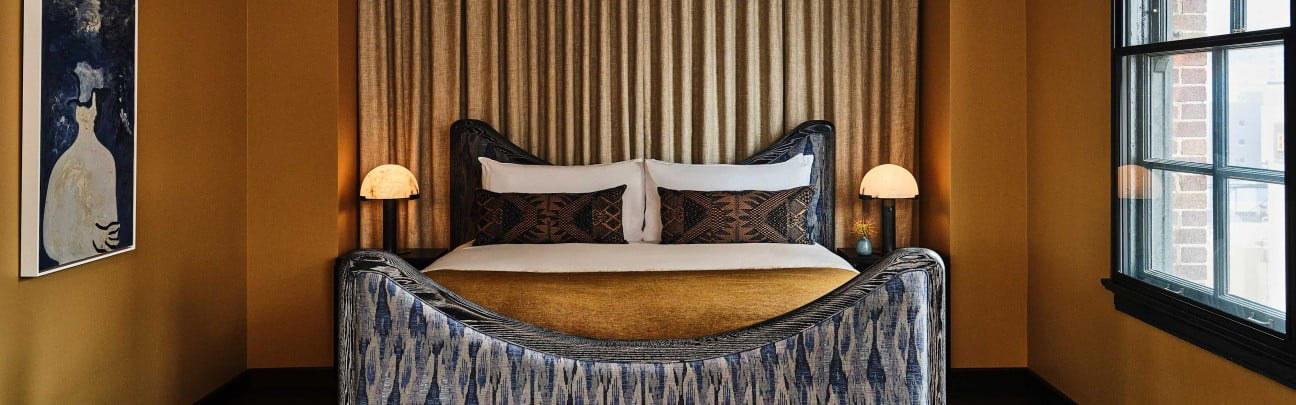
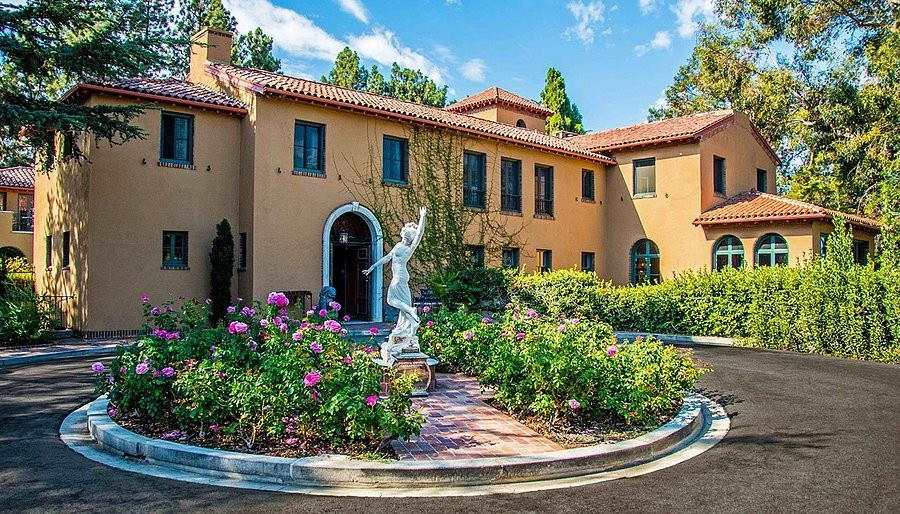
Wineries in Los Angeles
All wineries in Los Angeles →
Details
- Whimsical
- Elegant
- Intimate
- Sophisticated
- Special Occasion
- Celebration
- Private Event
- Private Dining
- Sake Program
- Local Sourcing
- Tasting Menu
- Vegetarian Friendly
Intimate and theatrical private dining in client's home with a brigade of chefs creating a magical, high-end atmosphere.