Shibui
.png)
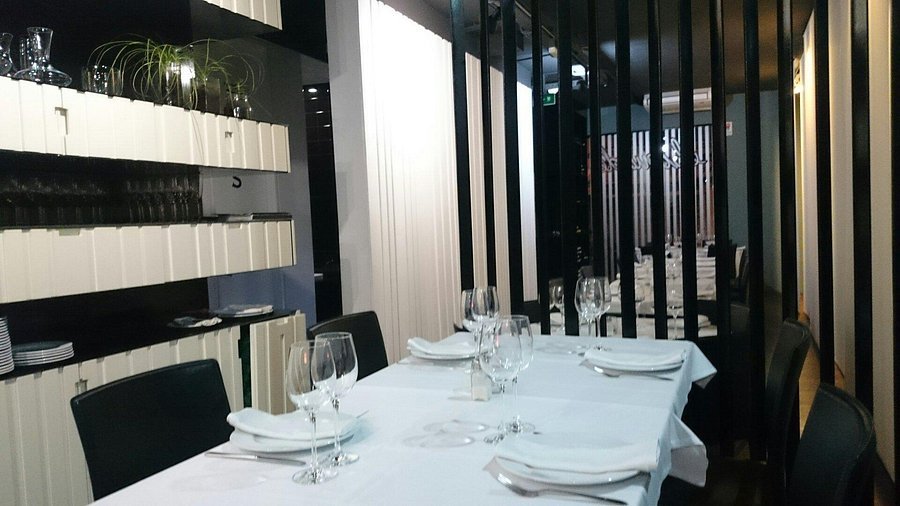
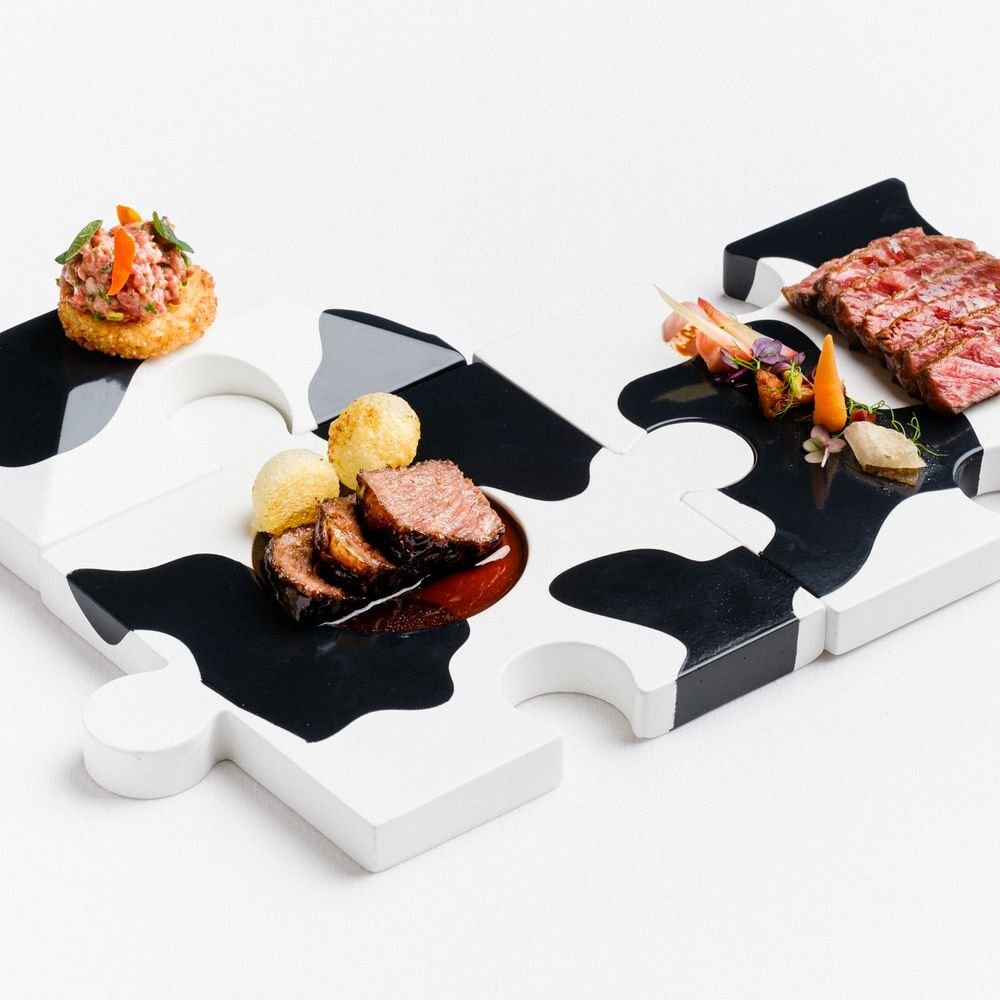
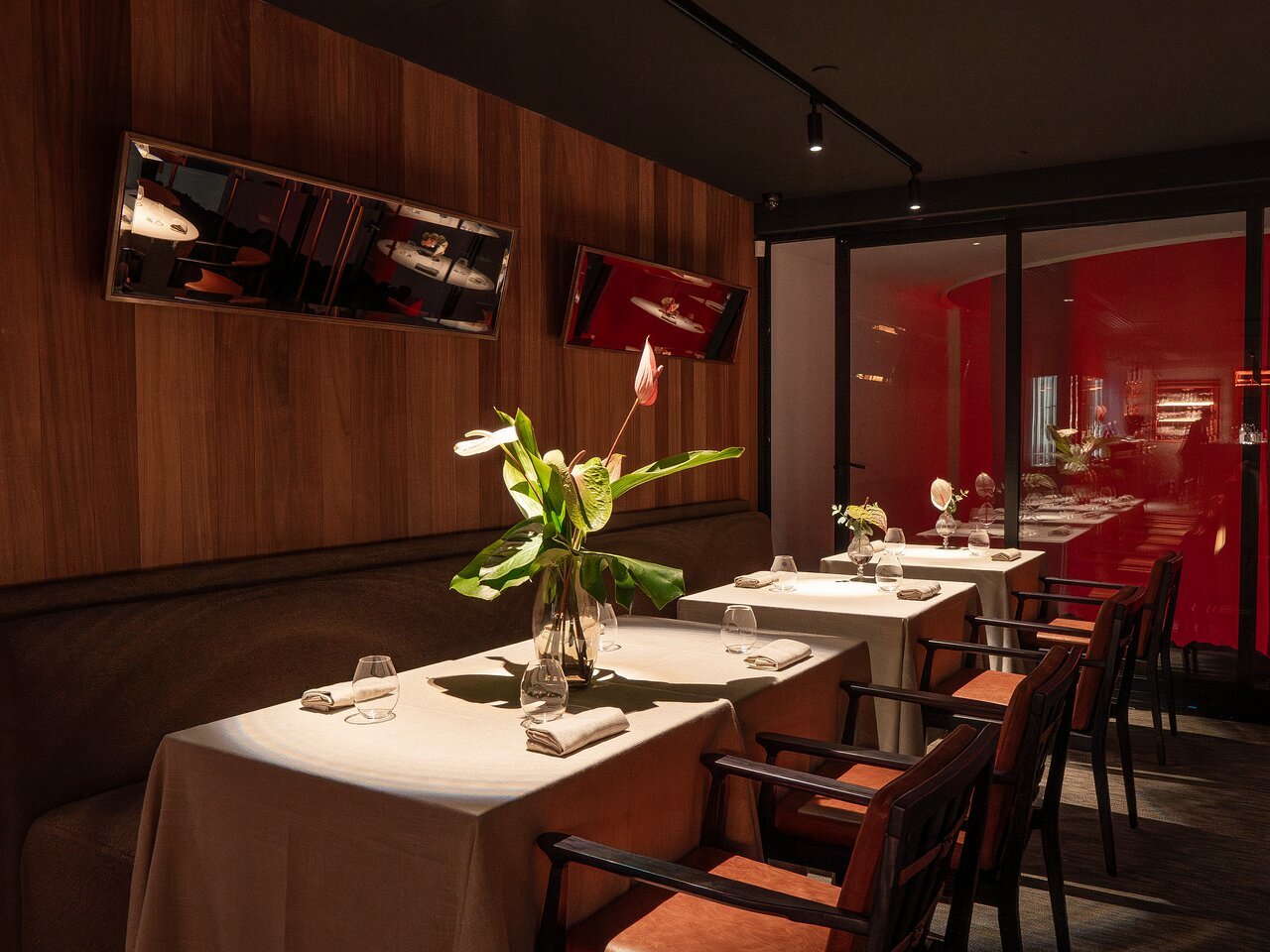
Shibui occupies a premium position in Santa Cruz de Tenerife's compact Japanese dining scene, holding a Michelin Plate in both 2024 and 2025. The menu moves between à la carte, a dedicated Shibui tasting format, and an omakase option, with the kitchen drawing on daily catches from Tenerife's coastline. The bar counter is the place to sit, and the hand-pressed nigiri are the dishes to order.
 Discover on Pearl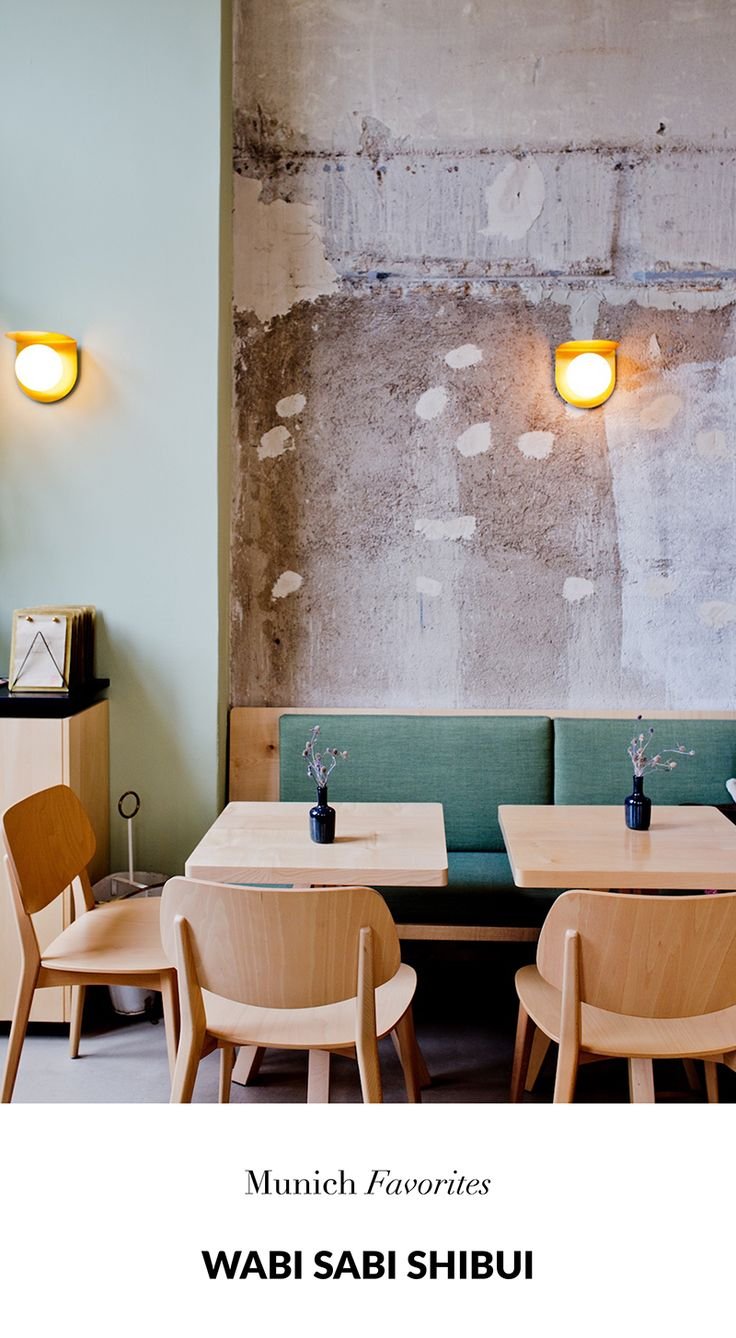
Japanese Precision on the Atlantic Edge
The Canary Islands have long occupied an ambiguous position in Spain's fine dining geography. Geographically closer to Morocco than Madrid, and with a food culture shaped by Atlantic fishing traditions and Latin American immigration waves, Tenerife's capital is not where most food travellers expect to find a restaurant making a credible case for Japanese counter dining. Yet the convergence is less unlikely than it appears. Santa Cruz's deep fishing heritage, with daily landings of species that travel little distance to the kitchen, maps onto the same sourcing logic that defines serious Japanese cuisine anywhere. The freshness premise is genuine here, not transplanted.
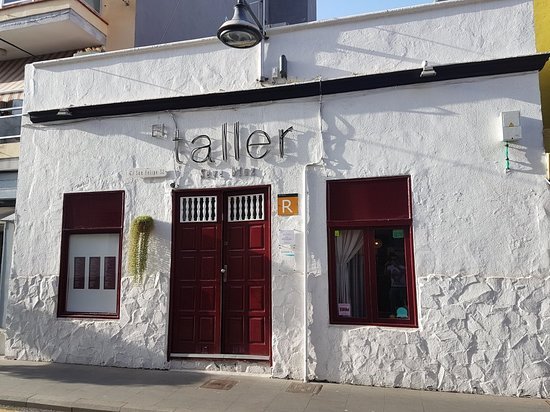
Shibui sits within this context as the successor to Kazan, the Japanese restaurant that previously occupied the same address on Paseo Milicias de Garachico. That lineage matters: the kitchen was not built from scratch but reconceived, with oversight retained by David Arauz, who earned recognition at Zuara Sushi in Madrid before becoming the guiding culinary force behind Shibui's menu. The transition from Kazan to Shibui is less a replacement than a recalibration, one that tilts the philosophy toward the Japanese aesthetic concept from which the restaurant takes its name: an appreciation of beauty in restraint, texture, and even imperfection. That framing shapes the room, the plating language, and the way courses are paced.
The Bar Counter as the Operative Format
Counter dining has become the lingua franca of serious Japanese restaurants globally, from the omakase rooms of Tokyo's Myojaku to the kaiseki-adjacent counters at Azabu Kadowaki. Shibui follows that format, and the bar seats are where the meal takes on a different quality. Watching nigiri formed by hand, one piece at a time, gives each course a procedural transparency that table dining removes. The kitchen's proximity to the guest is part of the proposition, not incidental to it.
Three menu paths are available: an à la carte option for guests who want to compose their own meal, the dedicated Shibui menu which acts as the house sequence, and an omakase format that puts course selection entirely in the kitchen's hands. Among Japanese restaurants operating at the €€€ tier in a mid-size Spanish city, offering all three formats is relatively uncommon; most choose one and commit. The range here signals that Shibui is calibrating for different types of Japanese dining literacy, from guests encountering omakase for the first time to those who arrive with specific dish preferences already in mind.
Atlantic Fish, Japanese Technique
The editorial claim most restaurants make about local sourcing often collapses under scrutiny. At Shibui, the geography makes it harder to fake. Tenerife's position in the eastern Atlantic places it within reach of some of the cleanest, least industrially fished waters in the European supply chain. The team works with catches landed daily off the island's coastline, and those fish travel a fraction of the distance that Japanese fish does when it arrives at a Madrid counter. The technical question, then, is not whether the fish is fresh, but whether the preparation framework does it justice. The hand-pressed nigiri are the clearest test of that, and Shibui's version, formed individually by hand, is the preparation the kitchen points to with most confidence.
This sourcing logic positions Shibui differently from its peer in the local Japanese category. Kiki operates at a lower price point (€€ versus Shibui's €€€), and the gap reflects not just menu ambition but a different sourcing commitment. Within the broader Santa Cruz dining field, which includes strong options across categories like Duke, El Aguarde, Etéreo by Pedro Nel, and Moral, Shibui occupies the only slot that frames Atlantic fish through a Japanese lens at this price tier.
Drinks as Structure, Not Afterthought
The editorial angle assigned to this page reflects a real gap in how Japanese restaurants in non-Japanese cities are typically assessed: the beverage programme rarely receives the same scrutiny as the food. In Japan, the integration of sake, shochu, and seasonal beverages with the progression of courses is treated as a structural decision, not a service add-on. At Shibui, the omakase format in particular creates the conditions for that kind of pairing discipline, because the kitchen controls the sequence and can theoretically align drink selection to match each course's weight, temperature, and flavour register.
Spain's sake market has expanded steadily over the past decade, with specialist importers supplying restaurants that take the pairing question seriously. Whether Shibui's sake list has been curated with the same depth applied to the food programme is not confirmed in available data, but the restaurant's price tier and Arauz's Madrid-trained background suggest that beverages are not an afterthought. Guests with a strong interest in sake pairings would do well to engage the team directly on this point, either at booking or on arrival, particularly if taking the omakase route where drinks integration is most relevant.
Michelin Recognition and Competitive Context
Shibui holds a Michelin Plate for both 2024 and 2025, a designation that signals inspector-level attention without carrying star status. Within the broader Spanish fine dining hierarchy, which includes restaurants operating at considerably greater scale and resource, from Aponiente in El Puerto de Santa María to Arzak in San Sebastián, DiverXO in Madrid, El Celler de Can Roca in Girona, Quique Dacosta in Dénia, and Azurmendi in Larrabetzu, Shibui belongs to a different tier. But that comparison is the wrong frame. The relevant peer group is Japanese restaurants in Spain's secondary cities, where the Michelin Plate places Shibui at the upper end of the recognised set. A Google rating of 4.7 across 177 reviews reinforces that the recognition is consistent with guest experience, not a one-off inspector visit.
Planning Your Visit
Shibui is located at Paseo Milicias de Garachico 1, in the centre of Santa Cruz de Tenerife, within walking distance of the city's main hotel corridor and the Parque García Sanabría. The €€€ price positioning means a full omakase or Shibui menu will represent a meaningful spend per head relative to the broader Santa Cruz dining field, where €€ remains the dominant tier. For guests building a longer stay around the city's restaurant scene, the full picture is available through our Santa Cruz de Tenerife restaurants guide, alongside our hotels guide, bars guide, wineries guide, and experiences guide.
Bar counter seats book faster than table seats at this level; if the omakase is your primary reason for the visit, confirming seat availability at the counter rather than a floor table is worth doing at the time of reservation. Hours and online booking are not confirmed in available data, so direct contact with the restaurant is the most reliable approach for planning.
Peer Set Snapshot
A compact peer snapshot based on similar venues we track.
| Venue | Cuisine | Price | Awards | Notes |
|---|---|---|---|---|
| Shibui | Japanese | €€€ | This Japanese restaurant occupies the space that was formerly the Kazan and can… | This venue |
| San Sebastián 57 | Seasonal Cuisine | €€ | Seasonal Cuisine, €€ | |
| El Aguarde | Traditional Cuisine | €€ | Traditional Cuisine, €€ | |
| Etéreo by Pedro Nel | Meats and Grills | €€ | Meats and Grills, €€ | |
| Kiki | Japanese | €€ | Japanese, €€ | |
| Moral | Contemporary | €€ | Contemporary, €€ |
Continue exploring