El Taller Seve Díaz


1 Michelin Star · Guía Repsol 1 Sol
Our verdict
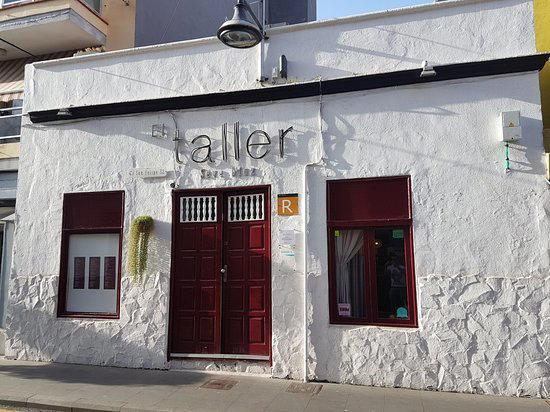
A Michelin Plate-recognised contemporary restaurant on Calle San Felipe, a short walk from Puerto de la Cruz's Plaza del Charco. El Taller Seve Díaz runs two tasting menus built around Canary Islands seasonal produce, some sourced from the restaurant's own farm. Tables book several months in advance, a booking window that reflects both the format and the local demand for ingredient-led cooking at this level.

Pearl is the En Primeur Club membership app — saves, bookings, and concierge access live there. Same editors, same standards.
- Address
- Calle San Felipe, 32, 38400 Puerto de la Cruz, Santa Cruz de Tenerife, Spain
- Phone
- +34 822 25 75 38
- Hours
- Mon ClosedTue–Fri 7–10:30 PMSat 1–2:30 PM, 7–10:30 PMSun Closed
- Website
- eltallersevediaz.com
- Directions
- Get directions
- Booking
- Book on the venue's website
The menu
What to order
- Huevos rotos
- Cochinillo confitado
- Ceviche de langostino
Contemporary Canarian Cooking in Puerto de la Cruz
Puerto de la Cruz has long sat in the shadow of the island's southern resort strip when it comes to international dining attention, yet the north has been quietly building a more serious culinary identity. The town's compact historic centre, anchored by the Plaza del Charco, now holds a handful of kitchens operating at a level that invites comparison with restaurants in Las Palmas and, in a handful of cases, with the broader conversation about contemporary Spanish cooking. El Taller Seve Díaz, on Calle San Felipe a short walk from the plaza, is the address most likely to come up in that conversation. Michelin has awarded it a Plate — a recognition of good cooking rather than a star — in both 2024 and 2025, which positions it clearly within the tier of Spanish restaurants taken seriously by the guide without yet sitting in the star bracket occupied by names like Arzak in San Sebastián or El Celler de Can Roca in Girona.
The Room and the Format
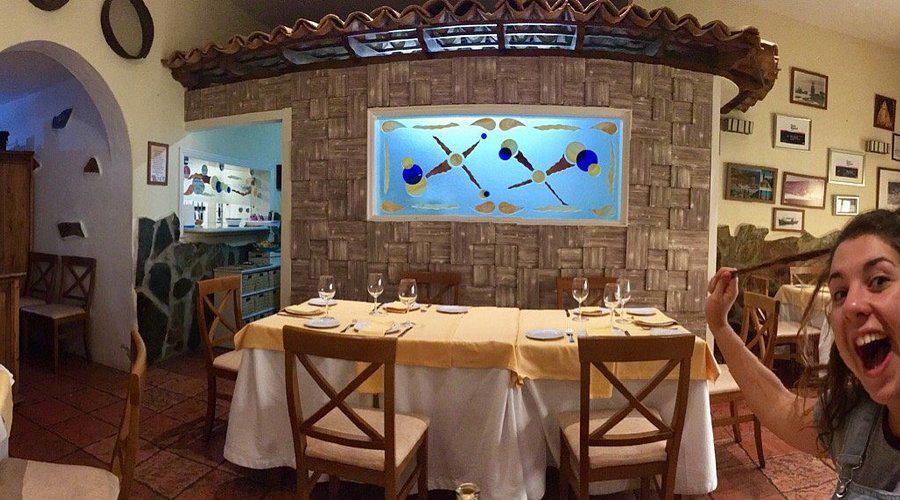
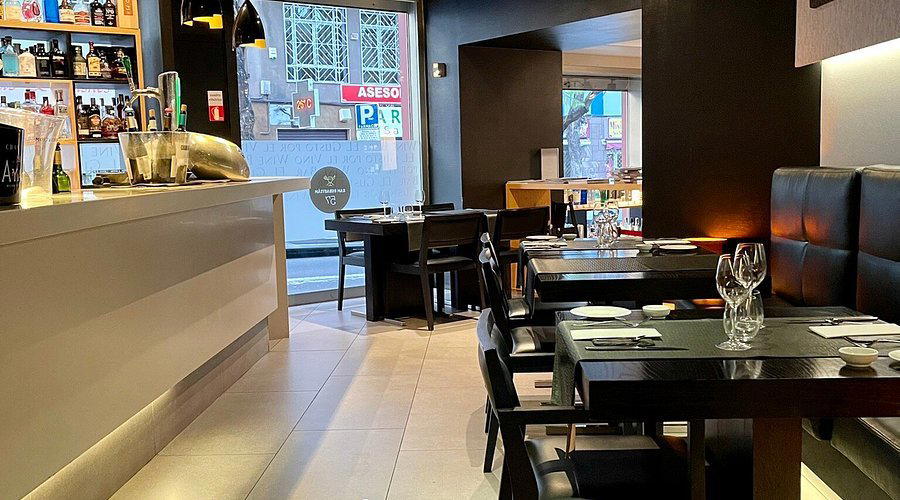
Walking in, the interior registers as a deliberate contrast to the surrounding streetscape. The ground floor of the building has been fitted out with a contemporary design sensibility that reads as considered rather than generic, with a split-level dining room that gives the space a degree of architectural interest without becoming theatrical. This is not the kind of room that announces itself as a backdrop for social media; it is a room built for eating, with enough visual coherence to set the register for what follows. Spain's contemporary fine dining circuit has moved steadily away from the maximalist plating dramatics that defined much of the early 2000s, and the physical space here reflects that same shift toward restraint and focus.
The format is tasting menus only, structured as two options: a shorter menu called "Sorpresa" (Surprise) and a longer one simply called "Largo" (Long). Both sit within the contemporary Spanish tasting menu tradition in which the kitchen sets the terms of the meal rather than the diner, and the progression through courses becomes the primary mode of communication between kitchen and table. This format, now standard across the higher tier of Spanish restaurants from Mugaritz in Errenteria to Quique Dacosta in Dénia, requires a different kind of engagement from the diner than an à la carte menu. It asks for time and trust, and it works well when the ingredient sourcing is strong enough to justify that ask.
Canary Islands Produce as the Culinary Argument
The editorial angle here is less about the kitchen's technique (though the Michelin recognition confirms that holds up) and more about what the Canary Islands as a food region can actually offer. The archipelago's volcanic soils, year-round growing conditions, and access to Atlantic coastal waters produce ingredients that are genuinely distinct from those available on the Spanish mainland. El Taller Seve Díaz makes this the foundation of its menus: seasonal Canarian produce, including items sourced from the restaurant's own farm, forms the ingredient base, while the fresh fish served is caught daily in local coastal waters. This level of supply chain integration is not unusual at the top of the Spanish fine dining market, restaurants like Azurmendi in Larrabetzu and Aponiente in El Puerto de Santa María have made their relationship with local ecology central to their identity, but it is relatively uncommon at this price tier on the island.
Dish most associated with the restaurant is the Huevos de Lucio: free-range eggs with potato foam and sweet potato. The combination draws on recognisably Canarian ingredient references, potato and sweet potato are staples of the island's traditional cooking, and reframes them through a contemporary preparation. The dish has become the restaurant's calling card, and its continued presence on the menu signals a kitchen that understands which creative decisions resonate with guests over time, rather than turning over the repertoire purely for novelty. Among Spain's leading contemporary kitchens, from Cocina Hermanos Torres in Barcelona to Ricard Camarena in València, the ability to maintain signature dishes while continuing to evolve is generally read as a sign of confidence rather than conservatism.
Service and Contact
Service model here is worth noting separately, because it shapes the experience in ways the food alone does not. The team operates with a stated conviction that the guest is the priority, and the chef's direct engagement with diners during service is described as natural and sustained rather than choreographed. In the Spanish fine dining context, this kind of open, conversation-driven service style contrasts with the more formal distance maintained at some higher-tier addresses, and it creates a particular atmosphere in the room: attentive without being stiff, informed without being lecturing.
Planning Your Visit
El Taller Seve Díaz is priced at €€€, placing it in the mid-to-upper tier for the island. Demand consistently outpaces availability, and tables book several months in advance. Anyone planning a trip to Tenerife with this restaurant as a priority should treat the booking as a first step rather than an afterthought. The restaurant is on Calle San Felipe, 32, in Puerto de la Cruz, close to the Plaza del Charco and walkable from most accommodation in the historic centre. For a wider picture of where this restaurant sits within the town's eating and drinking options, see our full Puerto de la Cruz restaurants guide, along with our guides to hotels, bars, wineries, and experiences in Puerto de la Cruz. If you are building a broader Canarian or Spanish restaurant itinerary, Brunelli's represents the meats and grills option in the same town, while the wider Spanish fine dining map extends to addresses including DiverXO in Madrid and Martin Berasategui in Lasarte-Oria. For those curious about how contemporary tasting menu formats translate beyond Spain, César in New York City and Jungsik in Seoul offer useful reference points in their respective cities.
What People Recommend at El Taller Seve Díaz
The dish guests most consistently single out is the Huevos de Lucio: free-range eggs with potato foam and sweet potato. It has become the signature that most clearly articulates the kitchen's approach, Canarian ingredients handled with contemporary technique and enough originality to make a familiar set of flavours feel considered rather than nostalgic. Beyond that specific dish, guests tend to reference the tasting menu format as a whole, noting that the progression across both the shorter "Sorpresa" and longer "Largo" options holds together coherently rather than feeling like a collection of unrelated courses. The chef's direct engagement during service is also frequently mentioned as a defining part of the experience.
Frequently asked questions
Is El Taller Seve Díaz award-winning?
El Taller Seve Díaz has received recognition including: In this restaurant, a visit to which is almost compulsory for food-lovers visiting the island, the team is of the firm belief that the customer is always king. We can definitely confirm this approach given chef Seve Díaz’s constant and very….
What do people recommend at El Taller Seve Díaz?
The Huevos de Lucio is the dish guests single out most consistently: free-range eggs with potato foam and sweet potato. It has become the signature of the house, and demand for tables — already months out — is partly driven by it. Both tasting menus (the shorter 'Sorpresa' and the longer 'Largo') draw on seasonal Canary Islands produce, with fresh fish caught daily from local coastal waters.
Where is El Taller Seve Díaz located?
El Taller Seve Díaz is located at Calle San Felipe, 32, 38400 Puerto de la Cruz, Santa Cruz de Tenerife, Spain, Puerto de la Cruz.
Budget and Context
| Venue | Cuisine | Price | Awards |
|---|---|---|---|
| El Taller Seve DíazThis venue — the venue you are viewing | Modern Canarian Fine Dining | $50–100 | 1 Michelin Star · Guía Repsol 1 Sol |
| Aponiente | Progressive - Seafood, Creative | Not listed | Michelin 3 Star |
| Arzak | Modern Basque, Creative | Not listed | Michelin 3 Star |
| DiverXO | Progressive - Asian, Creative | Not listed | Michelin 3 Star |
| El Celler de Can Roca | Progressive Spanish, Creative | Not listed | Michelin 3 Star |
| Quique Dacosta | Creative | Not listed | Michelin 3 Star |
Recognition history
Dated appearances from independent guides and award organizations, with the underlying list record or original source where available.
Michelin 1 Star
Michelin
Guía Repsol 1 Sol
Guía Repsol
Full recognition history (4 entries)
Michelin Plate
Michelin
Michelin Plate
Michelin
Continue exploring
More in Puerto de la Cruz
Restaurants in Puerto de la Cruz
Browse all →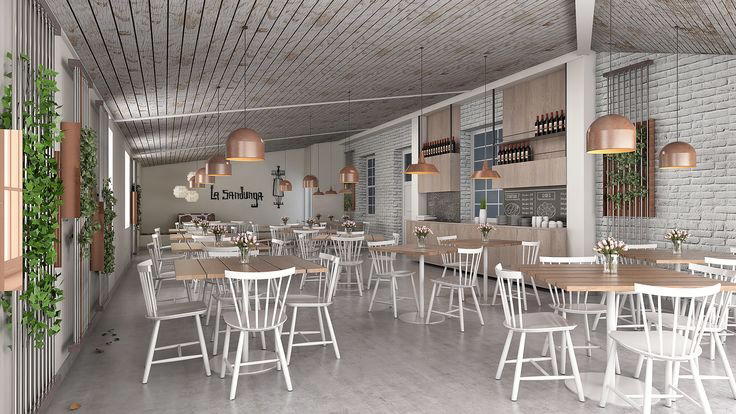
Bars in Puerto de la Cruz
Browse all →
Hotels in Puerto de la Cruz
Browse all →
Wineries in Puerto de la Cruz
Browse all →
Details
- Cozy
- Elegant
- Intimate
- Sophisticated
- Special Occasion
- Date Night
- Open Kitchen
- Extensive Wine List
- Local Sourcing
- Tasting Menu
- Canarian Wines
- Vegetarian Friendly
- Gluten Free Options
- Vegan Options
Current opening hours
- Monday
- Closed
- Tuesday
- 7–10:30 PM
- Wednesday
- 7–10:30 PM
- Thursday
- 7–10:30 PM
- Friday
- 7–10:30 PM
- Saturday
- 1–2:30 PM, 7–10:30 PM
- Sunday
- Closed
Hours can change for holidays and private events. Last verified .
Cozy and calm atmosphere with contemporary interior design, open kitchen, and warm, welcoming service in a split-level dining room.