
Tabelog 100 #84
Our verdict
Osaka’s tachinomi culture is built on short stops, sharp pricing, and regulars who know how to read a counter without ceremony. Shiawase Tachinomi Yume Gorilla sits in that current: a Kitashinchi-area stand-up bar selected for Tabelog 100 Tachinomi 2025, with fish, sake, and shochu as its clearest signals.

Pearl is the En Primeur Club membership app, where members save venues, book tables and use the concierge.
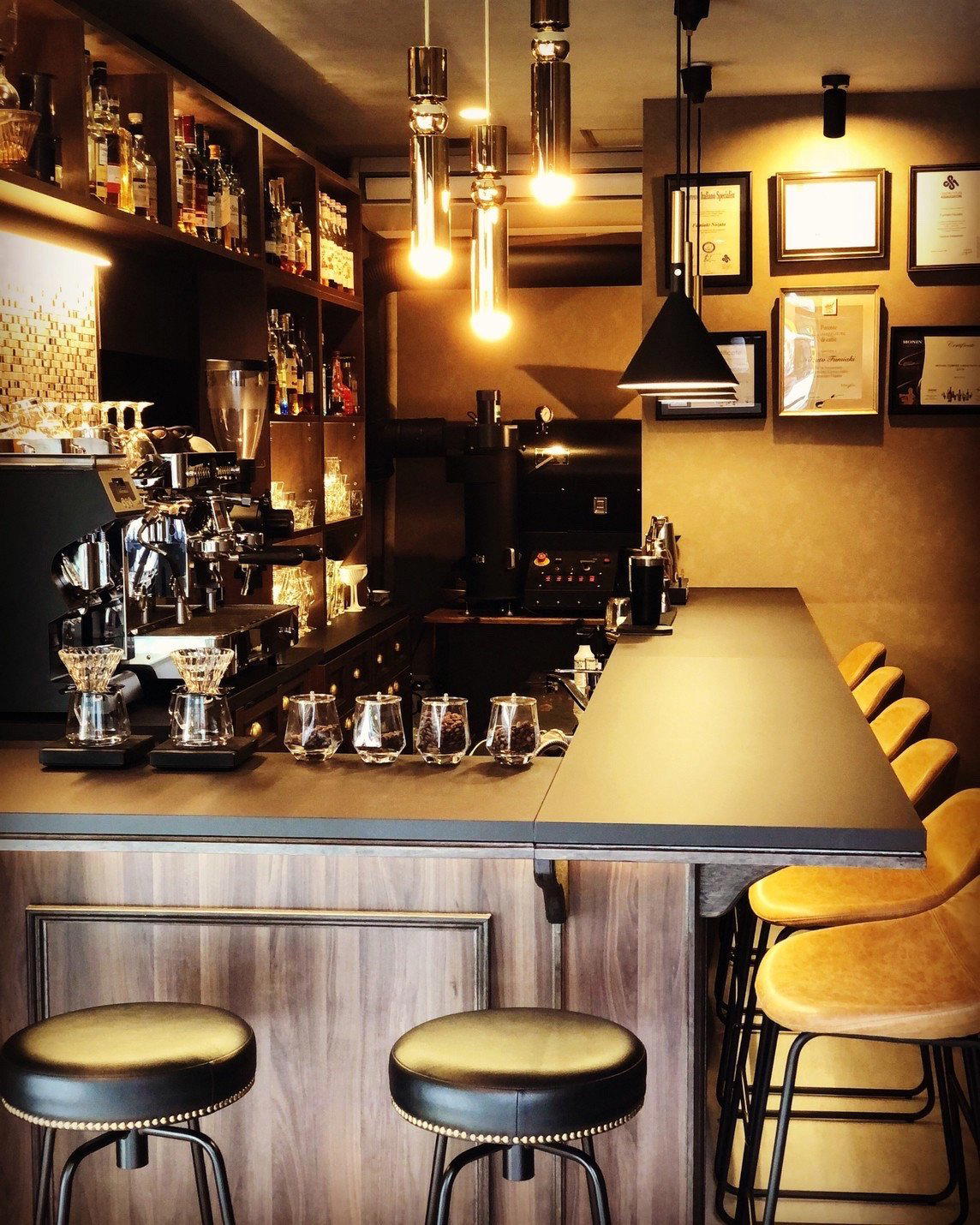
The menu
What to order
- Fresh sashimi
- Meat and tofu dishes
- Red sausages
Osaka has its own grammar for quick drinking meals: compact counters, quick footsteps, office workers changing pace after the day’s calculations begin, and spaces built for people who do not need a chair to make a casual stop feel complete. In that setting, tachinomi is not a novelty format. It is one of Osaka’s cleanest expressions of value, speed, and repeat behavior, where the room rewards regulars who understand timing, portion size, and what to drink with a short meal.
Shiawase Tachinomi Yume Gorilla belongs to that Osaka lineage rather than the city’s destination-dining lane. Its inclusion in Tabelog 100 Tachinomi 2025 places it among Japan’s selected stand-up bar addresses for the year, with a listed Tabelog score of 3.61 and a budget range that keeps the format accessible. The more useful reading is cultural: this is a counter format where recognition follows consistency, not theatrical luxury. The draw is the repeatable rhythm of a compact drinking meal, with little of the ceremony that defines higher-budget dining elsewhere in town.
Why Osaka's stand-up bars reward repeat customers
Tachinomi works because it compresses the meal. The guest arrives, orders with intent, drinks without lingering over ceremony, and leaves before the format turns into a full evening. That economy suits Osaka especially well: the city funnels commuters, office dinners, solo drinkers, and small groups through a dense network of casual eating and drinking rooms. The counter is not a fallback from restaurant dining; it is a separate social contract.
Regulars matter in this category because the format is partly unwritten. A first-time visitor sees the obvious elements: standing space, compact orders, quick drink decisions. A returning customer understands the sequencing. Orders stay focused, drinks anchor the meal, and the bill stays in a range that encourages frequency rather than occasion planning. In Osaka, that distinction is serious. The city’s appetite for casual precision often says more about its food culture than a formal room with a longer menu.
This is also where Shiawase Tachinomi Yume Gorilla separates itself from higher-spend Osaka dining without competing on the same terms. Pluie dete, YUNiCO, and KushinGarando occupy more conventional restaurant expectations, with broader table-service logic and different budget signals. A tachinomi counter plays a different game: fewer comforts, faster decisions, and a sharper test of whether the room can hold attention in a compressed format.
Counter discipline as the working vocabulary
The clearest signal here is the stand-up bar format itself. That matters because the category can drift toward simple convenience, while the better rooms depend on pacing, restraint, and the sense that every order has to justify its place on a short visit. A compact counter asks for discipline: clear handling, quick service, and drink choices that support the room without turning the stop into a long restaurant meal.
There is no need to overstate the format. The attraction is not a chef’s manifesto or a long tasting arc. It is the confidence of a place built for people who already know how a good tachinomi evening should move. That makes the Tabelog 100 Tachinomi 2025 selection a useful trust signal: not a luxury badge, but a category-specific mark in a field where small differences in pacing, drink selection, and counter discipline decide whether customers return.
For travelers building an Osaka food itinerary, this kind of stop belongs between larger commitments. It can sit before a later dinner, after an arrival in the city, or as a compact evening for those who prefer Osaka’s everyday drinking culture to reservation-heavy dining. The Osaka map is broad enough to support both: casual bakeries, local staples, coffee stops, counter formats, and restaurant dining all speak to different versions of the city’s appetite.
How to place it in an Osaka itinerary
The smart way to read this address is as a specialist counter, not a substitute for a long restaurant booking. It suits diners who want Osaka at standing height: direct, social, and unsentimental about comfort. Its Osaka setting also makes it practical for a tightly planned evening, where moving between bars, restaurants, and other casual stops is part of the experience rather than an inconvenience.
Visitors comparing cities should also note how specific the format is. Other Japanese cities have their own standing bars, and overseas Japanese concepts often translate ingredients and service cues without the same everyday urban pressure. For broader planning, use Our full Osaka restaurants guide, Our full Osaka bars guide, Our full Osaka hotels guide, Our full Osaka wineries guide, and Our full Osaka experiences guide to build the rest of the trip around the city rather than a single stop.
For cross-Japan and overseas context, compare how compact formats shift by place: other dining rooms in Japan and abroad can share the surface language of speed, counter service, or casual drinking while producing very different experiences. The lesson is simple: Shiawase Tachinomi Yume Gorilla makes its case through format discipline, regular-customer logic, and Osaka’s talent for turning a short drinking meal into a complete urban ritual.
Frequently asked questions
Where exactly is Shiawase Tachinomi Yume Gorilla?
Osaka.
What does dinner at Shiawase Tachinomi Yume Gorilla typically cost?
Pricing at Shiawase Tachinomi Yume Gorilla is listed as Dinner: JPY 1,000 - JPY 1,999; Lunch: - JPY 999.
Is Shiawase Tachinomi Yume Gorilla reservation-only?
It is listed as a stand-up bar in Osaka.
What is Shiawase Tachinomi Yume Gorilla known for?
It was selected for Tabelog 100 Tachinomi 2025, which is the clearest recognition signal here. The venue is listed as a stand-up bar, with a Tabelog score of 3.61 and a dinner budget of JPY 1,000 - JPY 1,999.
Accolades, Compared
Comparable options at the same price tier.
| Venue | Cuisine | Price | Awards | Notes |
|---|---|---|---|---|
| Shiawase Tachinomi Yume GorillaThis venue (the venue you are viewing) | Japanese standing bar (tachinomi) with fresh seafood and sake | $10–20 | Tabelog 100 #84 | Not listed |
| Hakugin Tei | Japanese Curry | $10–20 | Tabelog 100 #31 | Chūō |
| Men Genso | Ramen & Tsukemen | $10–20 | Tabelog 100 #92 | Kita |
| Spice Curry Te | Japanese Curry | $1–10 | Tabelog 100 #59 | Chūō |
| Men no Youji | Japanese Ramen | $1–10 | Tabelog 100 #95 | Chūō |
| Inui | Traditional Soba (Buckwheat Noodles) | $10–20 | Tabelog 100 #4 | Habikino |
Recognition history
Dated appearances from independent guides and award organizations, with the underlying list record or original source where available.
Tabelog 100 #84 · No. 84
Tabelog · Tabelog 100 - Tachinomi - 2025
Continue exploring
More in Osaka
Restaurants in Osaka
All restaurants in Osaka →
Bars in Osaka
All bars in Osaka →
Hotels in Osaka
All hotels in Osaka →

Wineries in Osaka
Browse all →
Details
- Lively
- Energetic
- Solo
- After Work
- Casual Hangout
- Late Night
- Standalone
- Sake Program
- Local Sourcing
- A La Carte
- Counter Dining
- Small Plates
- Sake
- Shochu
- Beer
- Pescatarian Friendly
Bustling standing-only tachinomi with a casual after-work feel, bright and functional rather than decorative, focused on fast turnover, fresh dishes, and lively conversation in a basement arcade setting.