Dragon Beaux
Our verdict
Dragon Beaux on Geary Boulevard anchors the Richmond District's argument for serious Chinese dining in San Francisco. The restaurant operates in a tier where dim sum craftsmanship and a considered dining room work in concert, drawing a clientele that treats weekend brunch as an occasion rather than a convenience. For anyone mapping the city's Chinese restaurant scene, this address belongs on the itinerary.

Pearl is the En Primeur Club membership app, where members save venues, book tables and use the concierge.

The menu
What to order
- Squid ink xiao long bao
- Scallop shiu mai
- Golden egg yolk lava bao
- Roasted pork belly
The Richmond District and the Architecture of Occasion
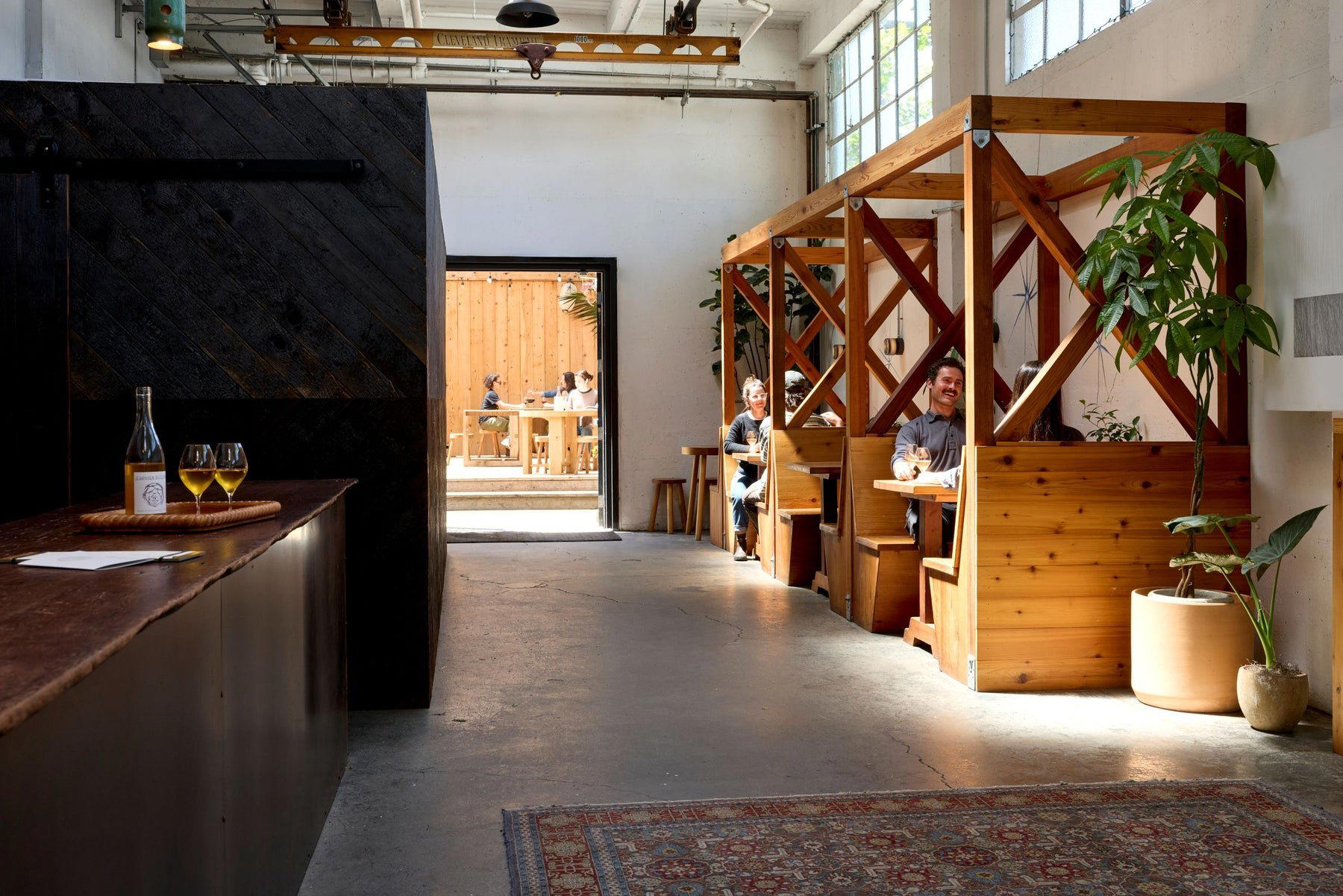
San Francisco's Richmond District has long functioned as the city's quieter counterpoint to the louder claims of downtown dining. Geary Boulevard, in particular, carries a concentration of Chinese restaurants that ranges from casual and utilitarian to genuinely considered, and Dragon Beaux sits at the more deliberate end of that spectrum. The building's interior signals intent before a dish arrives: the dining room is designed at a scale that accommodates large groups without dissolving into noise, with booth configurations and round tables arranged to serve the communal logic of Cantonese dining. The physical container here matters because it shapes the social ritual of the meal, and in the dim sum tradition, space and ceremony are inseparable.
The Richmond's Chinese restaurant culture developed differently from the more tourist-oriented Chinatown downtown. The neighborhood built its reputation on a local residential clientele, which tends to be less forgiving of decline and more reliable as a bellwether of quality. Dragon Beaux entered this environment as a higher-register proposition, aligning itself with the growing national conversation about Chinese cuisine occupying the same premium tier as the fine-dining establishments that dominate lists of San Francisco's most celebrated tables.
Where Dim Sum Meets Fine-Dining Ambition
Across the United States, the gap between how Chinese food is priced and how it is produced has been a persistent structural distortion. In cities like New York and Los Angeles, a handful of operators have begun closing that gap, running kitchens with serious technique and charging accordingly. San Francisco, with its deep Cantonese heritage and large Chinese-American population, was always a plausible site for this shift, and the Richmond District is where it has taken clearest shape.
Dragon Beaux sits inside that shift. The menu operates in the tradition of Hong Kong-style dim sum and Cantonese banquet dining, formats that carry their own internal hierarchy of craft. Har gow pleating, turnip cake texture, the skin-to-filling ratio in a siu mai: these are the details that separate a competent dim sum kitchen from a precise one. The restaurant's positioning in the neighborhood suggests it is competing on those details rather than on price or accessibility alone. In the context of San Francisco's broader fine-dining scene, where Benu has made the French-Chinese intersection a destination unto itself and where Atelier Crenn and Lazy Bear operate at the $$$$ tier of progressive American cooking, Dragon Beaux occupies a distinct lane: Cantonese tradition executed with contemporary ambition, in a neighborhood rather than a downtown address.
The Space as Social Infrastructure
The design logic of a serious dim sum room differs from that of a tasting-menu counter or a cocktail bar. The editorial angle here is architectural and social simultaneously. Round tables with lazy susans, private rooms for celebratory banquets, booth seating for smaller parties: these are not incidental choices but a physical expression of how Cantonese dining culture actually works. The meal is collaborative, the ordering sequential, the table the unit of experience rather than the individual diner.
Dragon Beaux's dining room is built to that model. The scale and layout accommodate family gatherings and business lunches alongside the weekend dim sum crowd, which tends to arrive in waves from mid-morning through early afternoon. That temporal pattern is itself part of the architecture of the experience: the restaurant functions differently at 10am on a Saturday than it does at a weekday dinner, and both modes are baked into how the space is configured. This kind of multi-register flexibility is harder to achieve than it looks, and venues that manage it well tend to hold their neighborhoods' loyalty across a broader range of occasions.
For comparison, restaurants like Quince and Saison operate in dining rooms engineered for a single mode: the tasting menu, the chef's table, the composed progression. Dragon Beaux's spatial grammar is more democratic in its hospitality logic, which is itself a design decision with tradition behind it.
San Francisco's Chinese Dining Context
San Francisco has been making claims about Chinese food quality for longer than almost any American city, but the critical infrastructure around those claims has lagged behind cities like New York. The emergence of Dragon Beaux as a higher-register Chinese dining room in the Richmond is part of a broader pattern visible in other cuisines across the country: Atomix in New York has done similar work for Korean fine dining, while Providence in Los Angeles and Addison in San Diego represent the California tendency to build destination-level restaurants outside the most obvious zip codes.
The Richmond District equivalent of that move is placing a premium Chinese dining room on Geary rather than in Chinatown or downtown, betting that the neighborhood's existing Chinese dining culture provides a more knowledgeable and loyal audience than the tourist-facing alternatives. That bet appears to have held. Restaurants elsewhere in this tier, from Single Thread Farm in Healdsburg to The French Laundry in Napa, draw destination diners willing to travel for quality. Dragon Beaux draws a more local base, which is a different kind of validation. See our full San Francisco restaurants guide for broader context on how the city's dining tiers are currently organized.
Planning Your Visit
Dragon Beaux is located at 5700 Geary Blvd, San Francisco, CA 94121 in the Richmond District. The restaurant is accessible by the 38-Geary Muni bus line, which runs frequently along the corridor. Weekend dim sum sessions are the highest-demand periods, and booking ahead is advisable for groups of four or more. The restaurant's format accommodates both large family-style banquet dining and smaller parties, which affects which tables and formats are available on a given visit.
Frequently asked questions
What should I eat at Dragon Beaux?
Dragon Beaux operates in the Hong Kong-style dim sum and Cantonese banquet tradition, which means the menu's depth is in the steamed and baked dim sum formats alongside larger shared dishes. Within that tradition, the markers of kitchen quality are in the precision items: dumplings, rice noodle rolls, and roasted proteins. Ordering across multiple categories rather than anchoring to one gives the fullest picture of what the kitchen is doing. Weekend brunch service, when dim sum carts or order sheets are the primary format, is the way most diners experience the restaurant at its most characteristic.
How hard is it to get a table at Dragon Beaux?
Demand scales with day and party size. If you are a couple visiting on a weekday, walk-in availability is more likely. Weekend brunch, particularly for groups of six or more, can involve a wait without a reservation, and the Richmond District's Chinese restaurant culture means locals are competing for the same slots as visitors. Booking several days in advance for weekend dim sum is the safer approach, particularly during holidays and Lunar New Year, when Cantonese banquet dining demand across San Francisco spikes across all price tiers, from casual spots to destination rooms.
Is Dragon Beaux suitable for a special-occasion Cantonese banquet dinner?
The restaurant's dining room configuration, with round tables sized for large groups and a layout that accommodates private or semi-private settings, is well-suited to the banquet format that marks significant occasions in Cantonese dining culture. Multi-course banquet dinners for events like birthdays, anniversaries, and holiday family meals are a core part of how this style of restaurant operates in cities with established Chinese-American communities. San Francisco's Richmond District has a long tradition of this format, and Dragon Beaux operates within it at a higher register than most neighborhood alternatives.
Where the Accolades Land
| Venue | Cuisine | Price | Awards | Notes |
|---|---|---|---|---|
| Dragon BeauxThis venue (the venue you are viewing) | Modern Dim Sum & Hot Pot | $30–50 | Not listed | Not listed |
| Lazy Bear | Modern American Tasting Menu | Not listed | 2 Michelin Stars · World's 50 Best #25 | Progressive American, Contemporary |
| Atelier Crenn | Contemporary French Fine Dining | $300–500 | 3 Michelin Stars · World's 50 Best #44 | Modern French, Contemporary |
| Benu | Modern Asian Fusion Fine Dining | $150–200 | 3 Michelin Stars · World's 50 Best #33 | French - Chinese, Asian |
| Quince | Contemporary Californian | $300–500 | 3 Michelin Stars · World's 50 Best #48 | Italian, Contemporary |
| Saison | Modern Fire-Forward Fine Dining | $300–500 | 2 Michelin Stars · World's 50 Best #22 | Progressive American, Californian |
Continue exploring
More in San Francisco
Restaurants in San Francisco
All restaurants in San Francisco →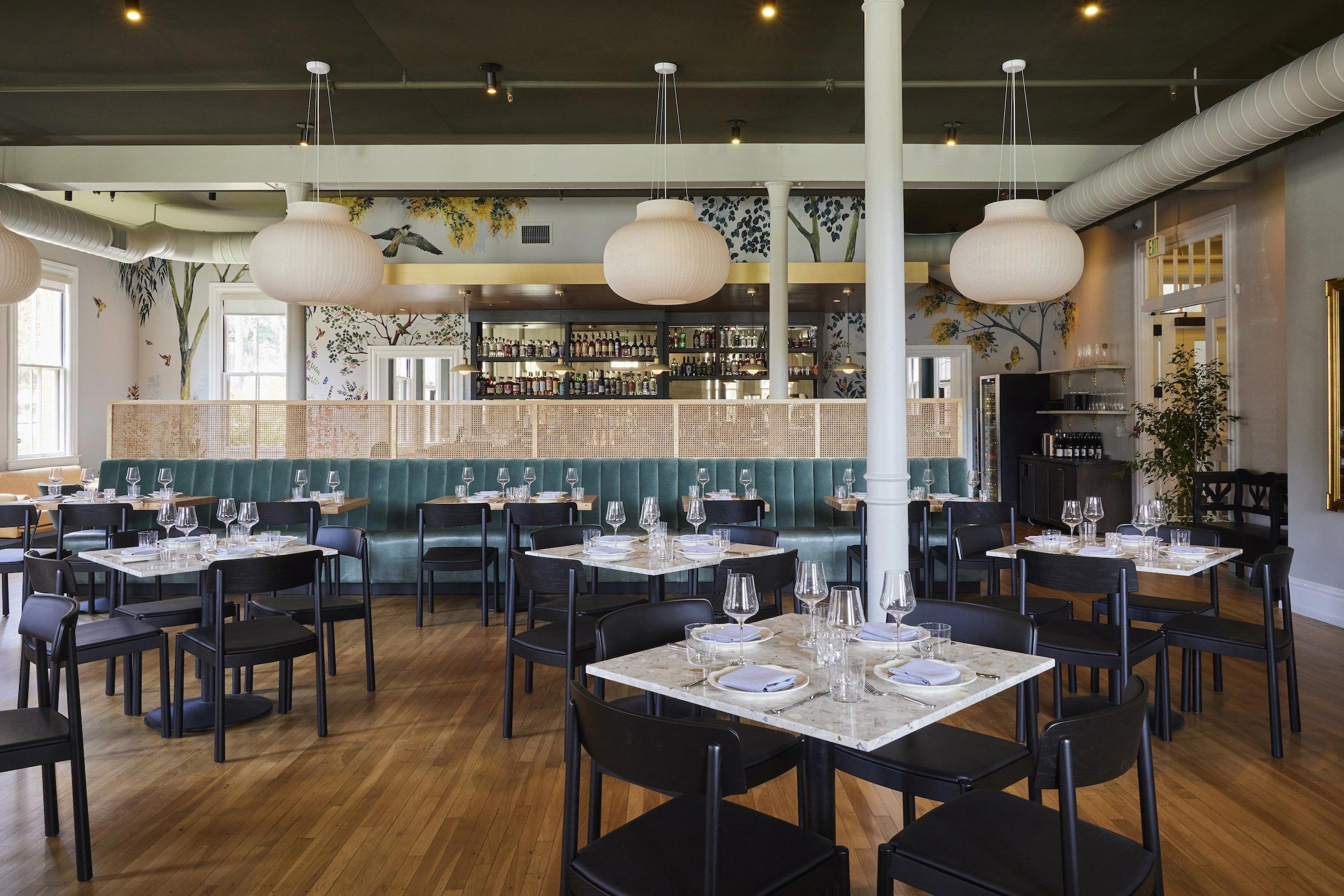
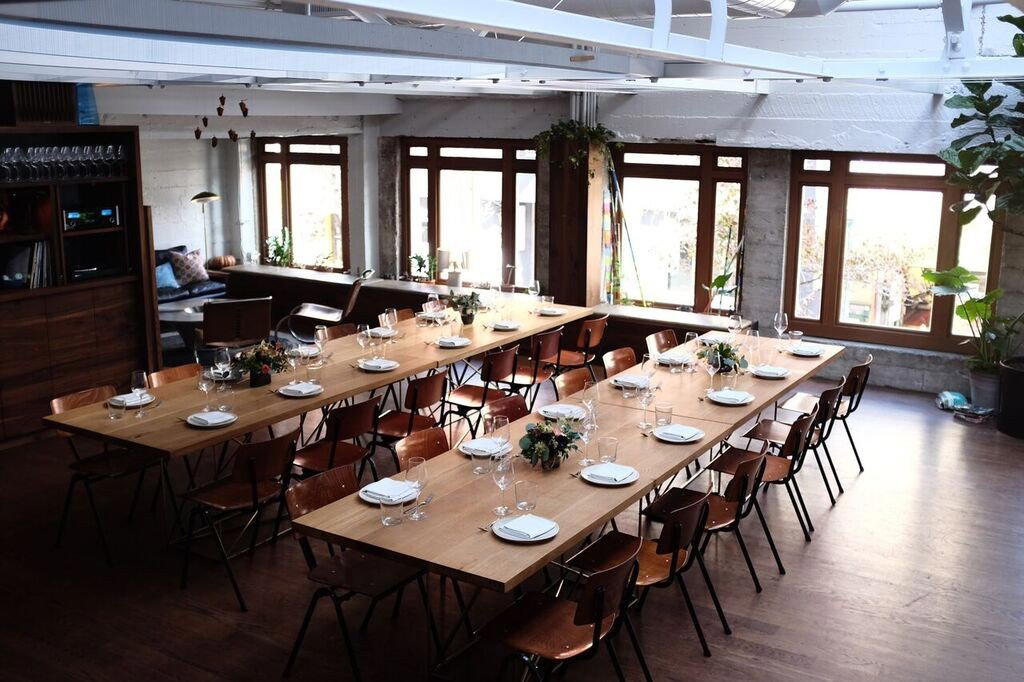
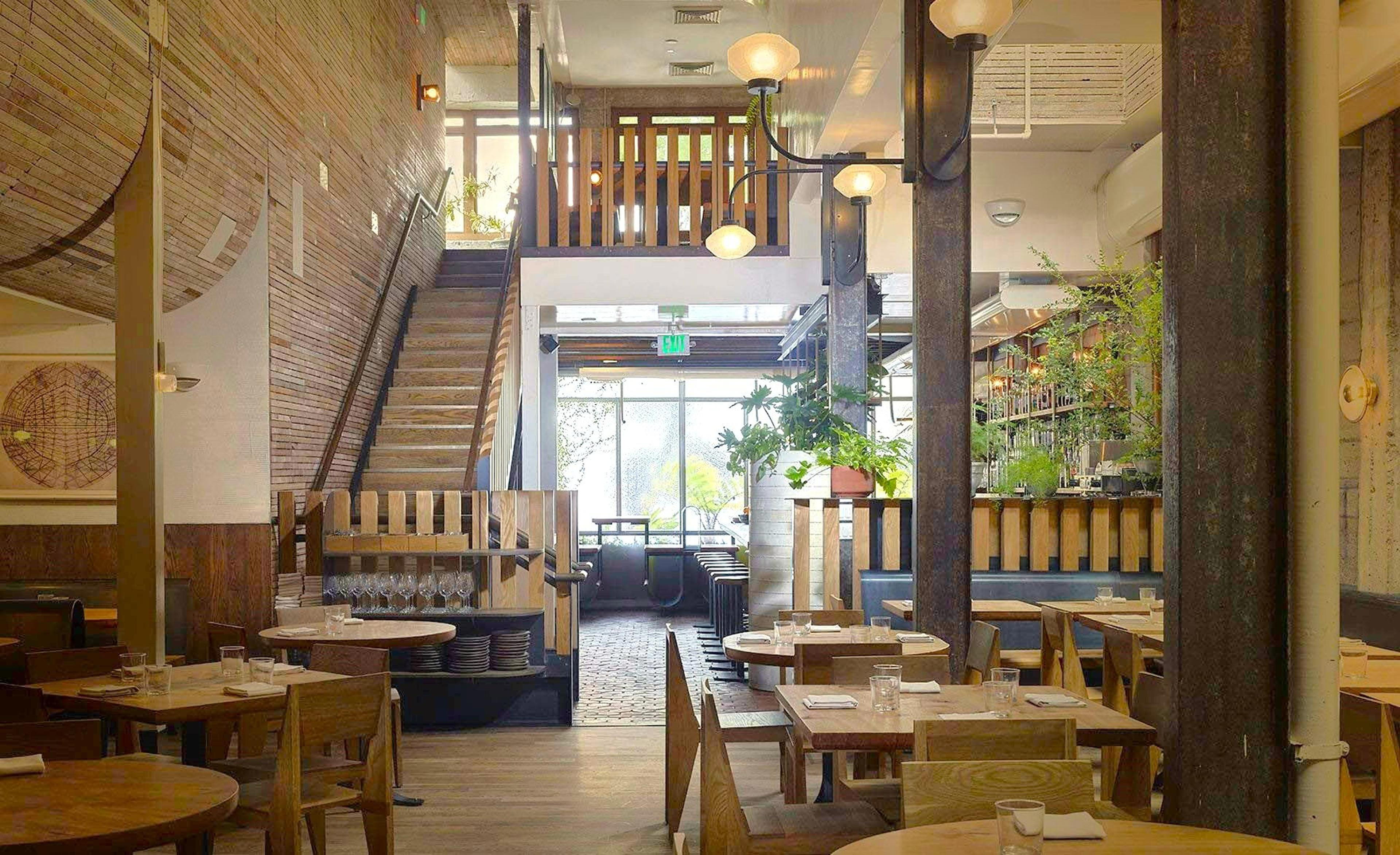
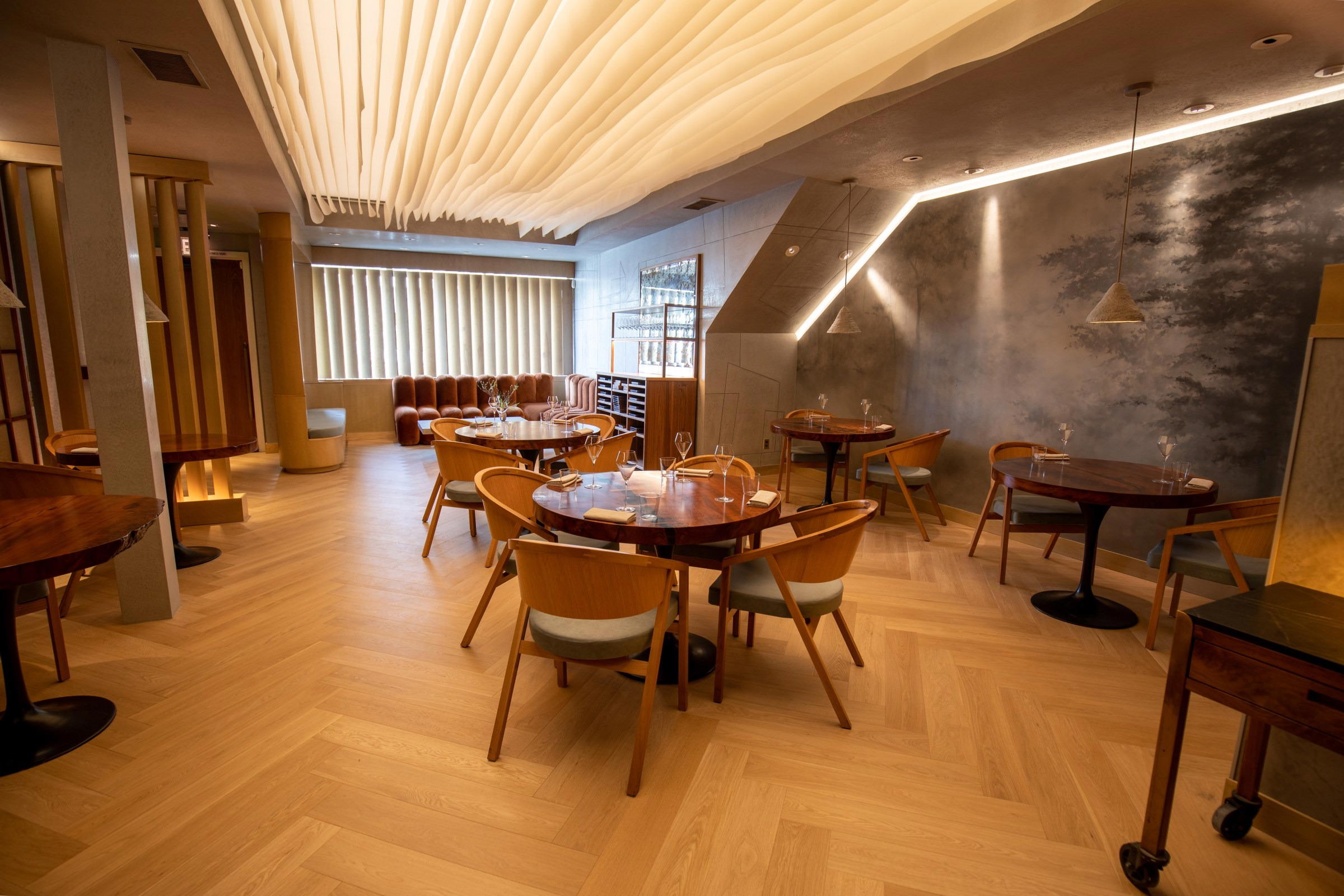
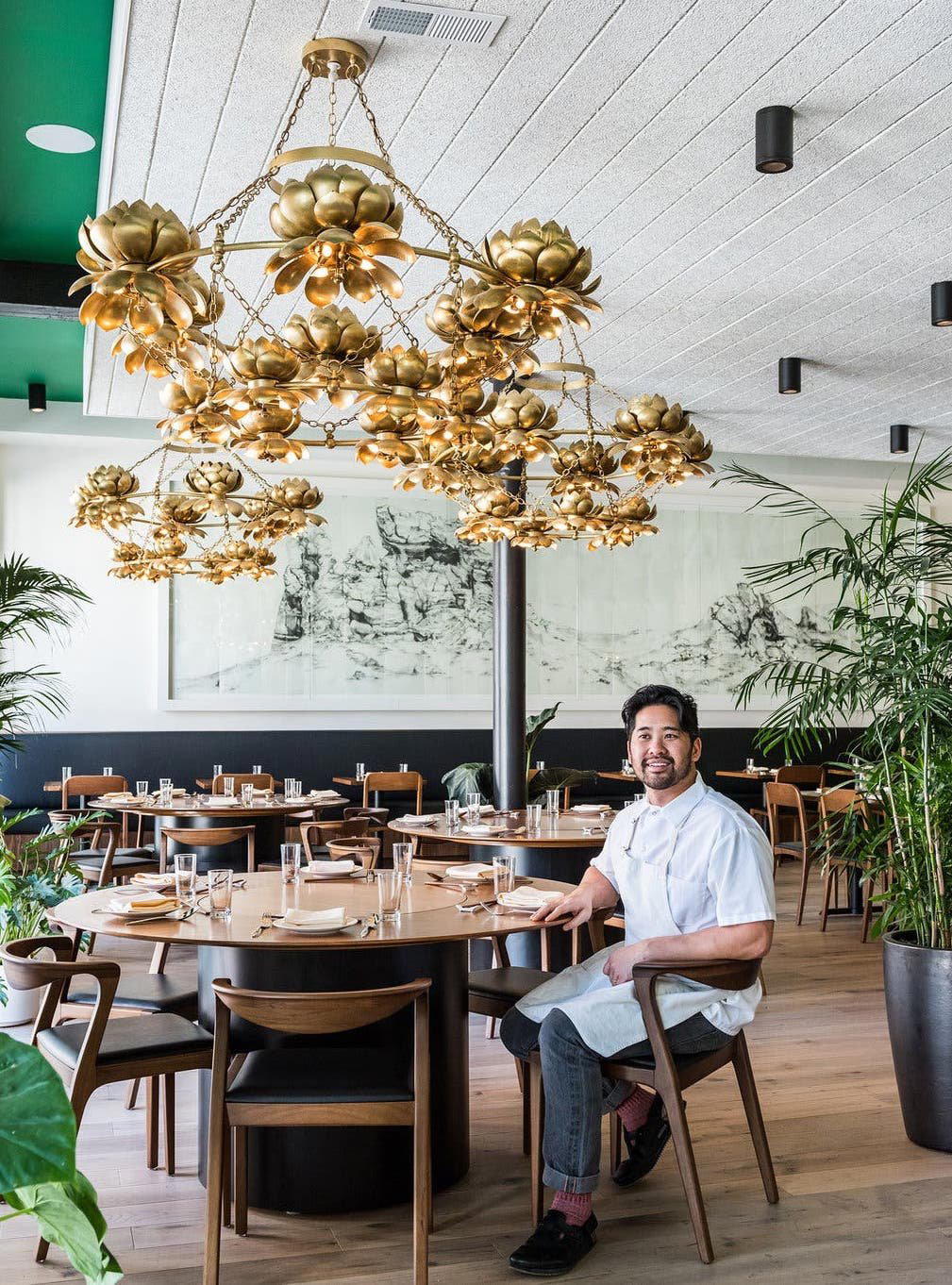
Bars in San Francisco
All bars in San Francisco →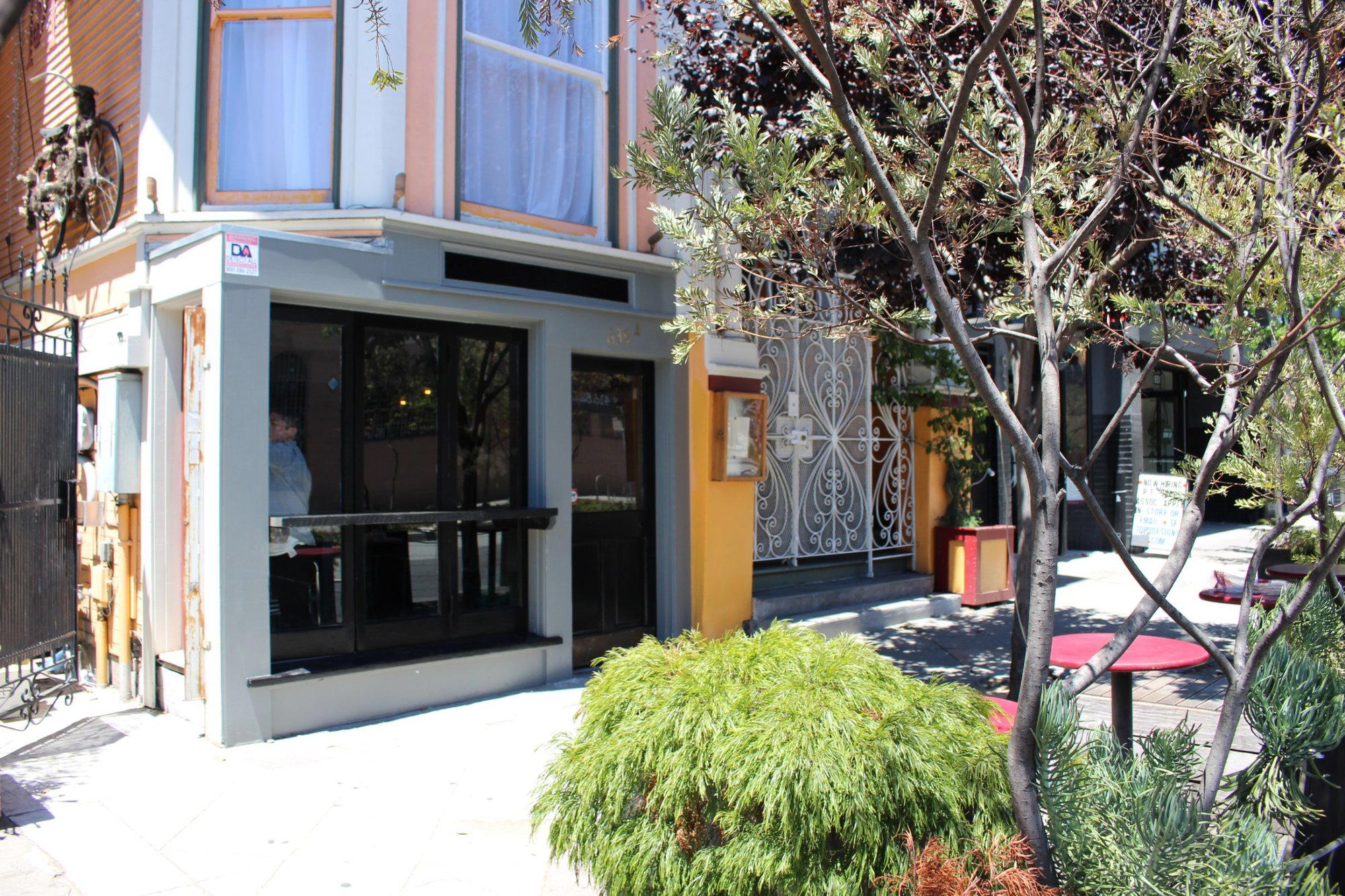
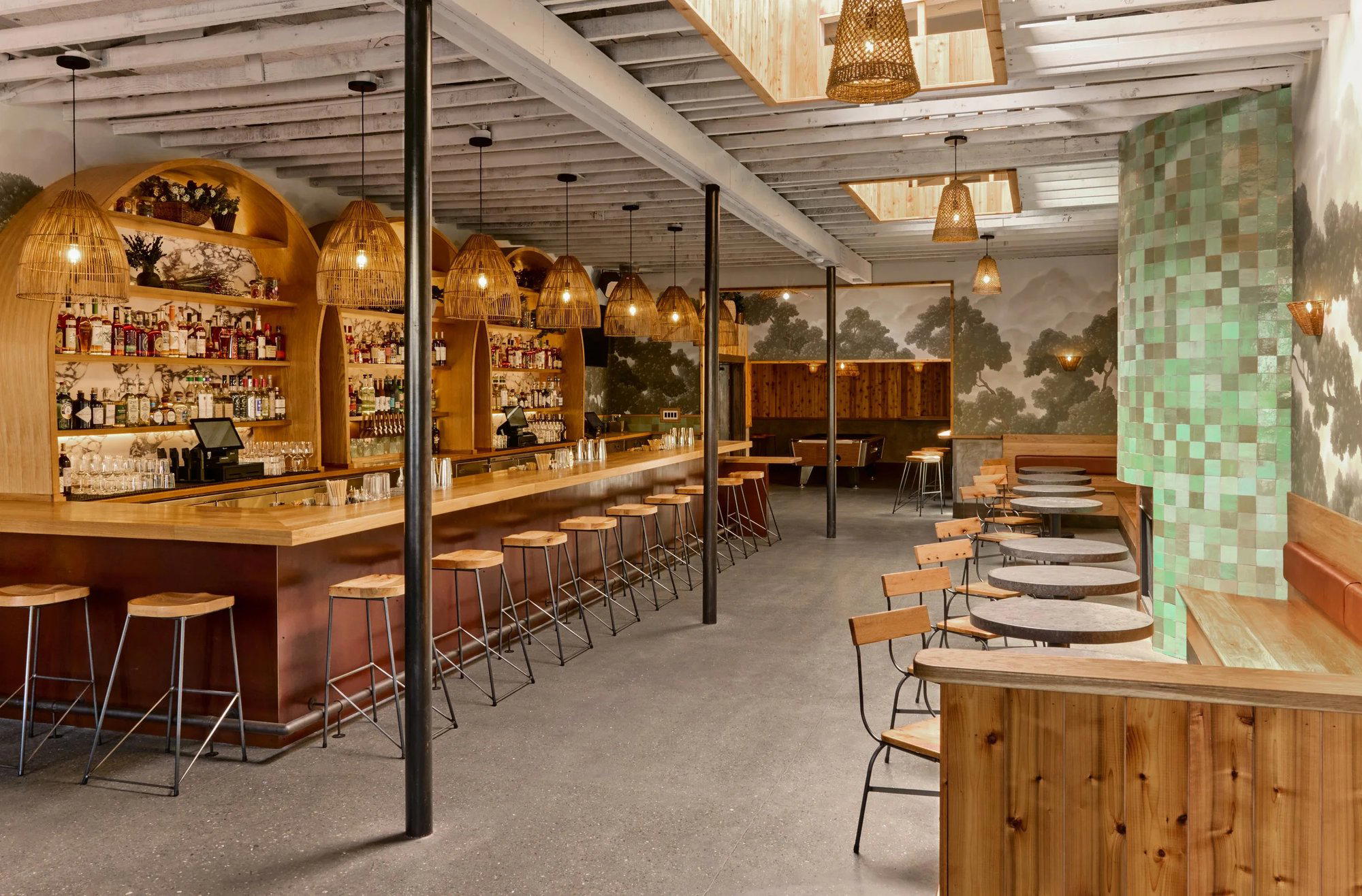
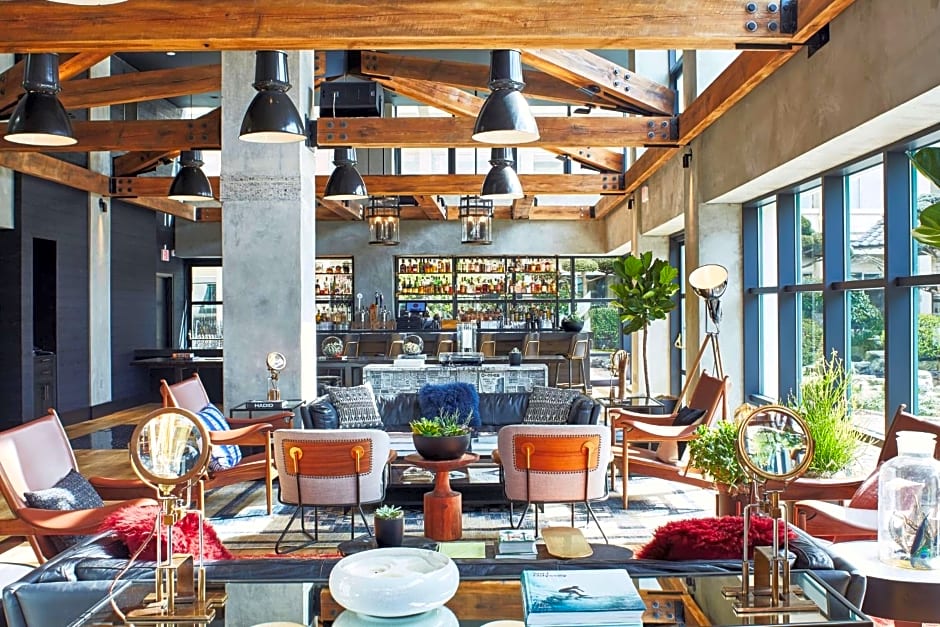

Details
- Trendy
- Modern
- Lively
- Group Dining
- Brunch
- Casual Hangout
- Open Kitchen
- Sake Program
- A La Carte
- Small Plates
- Family Style
Current opening hours
- Monday
- 11 AM–2:45 PM, 5–8:45 PM
- Tuesday
- 11 AM–2:45 PM, 5–8:45 PM
- Wednesday
- 11 AM–2:45 PM, 5–8:45 PM
- Thursday
- 11 AM–2:45 PM, 5–8:45 PM
- Friday
- 11 AM–2:45 PM, 5–8:45 PM
- Saturday
- 10 AM–2:45 PM, 5–8:45 PM
- Sunday
- 10 AM–2:45 PM, 5–8:45 PM
Hours can change for holidays and private events. Hours as of .
Purple booths flanked by glowing gold pillars, cherry blossom wall art, and intricately carved panels create a trendy, Instagrammable atmosphere.