YH Beijing Duck House
YH Beijing Duck House serves Northern Chinese with Peking Duck at 500 Haight St, with local sourcing and an open kitchen that suits lunch or dinner.
Pearl is the En Primeur Club membership app — saves, bookings, and concierge access live there. Same editors, same standards.
- Address
- 500 Haight St, San Francisco, CA 94117
- Phone
- +14153559125
- Website
- yh-beijing.com
- Directions
- Get directions
 Saves & bookings on Pearl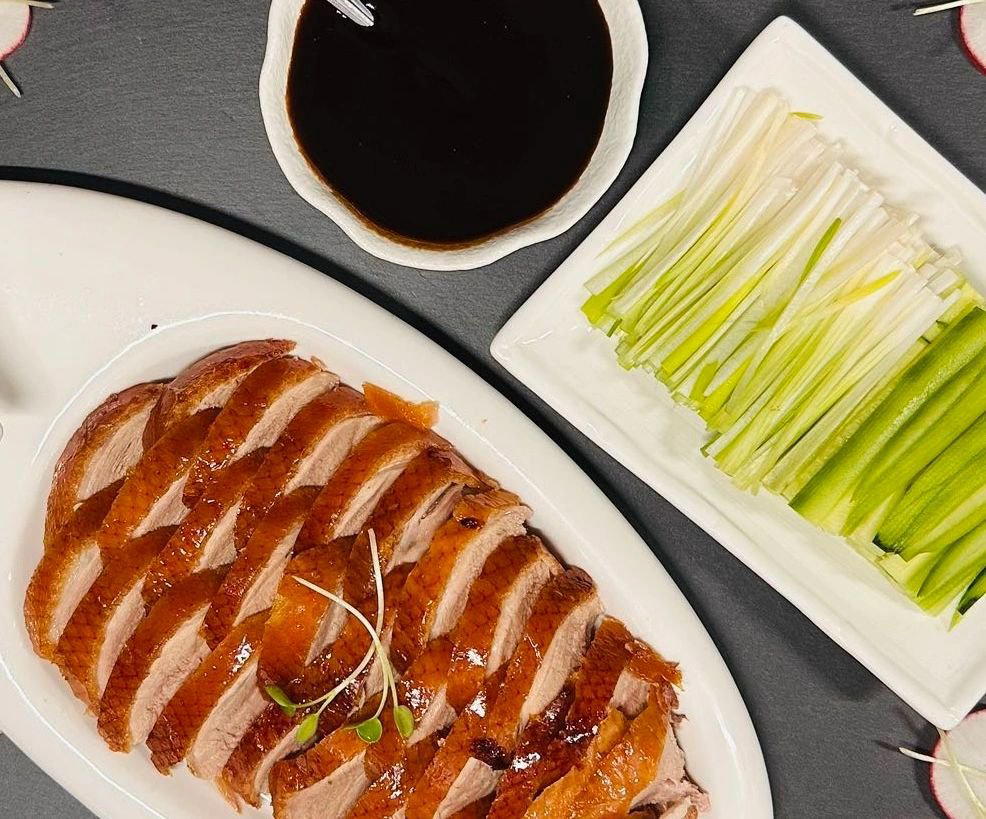
Peking Duck in the Mission District Corridor: Where San Francisco's Chinese-American Dining Has Landed
San Francisco's relationship with Chinese cuisine runs deeper than almost any other American city. The Gold Rush era brought the first wave of Cantonese immigrants, and their culinary descendants now occupy every tier of the dining market, from dim sum parlors in the Richmond to reservation-only tasting menus drawing on classical technique. Within that span, Peking duck has occupied a peculiar middle ground: a dish demanding serious preparation time and specialist equipment, yet rarely given the full-format treatment that comparable Chinese regional dishes receive on the East Coast. YH Beijing Duck House, at 500 Haight Street in the Lower Haight, positions itself inside that gap.
The address places it some distance from the Sunset and Richmond corridors that have historically concentrated the city's Chinese restaurants, which means it draws a neighborhood crowd that skews toward the eclectic dining culture of the Haight rather than an immigrant community base. That positioning shapes both the room's character and the expectations guests bring to the table.
The Architecture of a Peking Duck Meal
Peking duck as a format has a built-in narrative structure that most other dishes lack. The bird arrives in stages, each one extracting a different value from the same animal. The first act is the skin, lacquered and blistered, served with thin wheat pancakes, julienned scallion, cucumber, and fermented sweet bean paste. The ratio of crisp skin to subcutaneous fat determines the quality signal at this stage, and it is the element on which serious practitioners are judged. The second act involves the meat, typically stir-fried with vegetables or incorporated into a second preparation. The third, less commonly observed in American contexts, is a soup made from the carcass, which closes the meal and signals that the kitchen has respected the whole animal.
This progression mirrors the multi-course sequencing logic that San Francisco's higher-end tasting format restaurants have made their calling card. Operations like Lazy Bear, Atelier Crenn, and Benu have trained a generation of local diners to think about meals as arcs rather than individual plates. A properly executed Peking duck service at any serious house follows the same logic, though the tradition predates the contemporary tasting menu by several centuries.
How YH Beijing Duck House Sits in the San Francisco Chinese Dining Picture
San Francisco's Chinese dining scene divides roughly into three tiers. The first is the legacy Cantonese and Hong Kong-style houses concentrated in the Richmond, where roast duck is a daily preparation rather than a centerpiece event. The second is the newer wave of regional Chinese specialists, serving Sichuan, Shanghainese, and Hunan cooking to a dining public that has become considerably more curious about regional differentiation since the mid-2010s. The third tier, where a dedicated Beijing duck house would sit, is considerably smaller: restaurants whose format centers on a single technically demanding preparation that requires advance ordering and a kitchen built around the rotisserie or hung-oven method.
That third category is genuinely sparse in the Bay Area. New York's Flushing and Manhattan Chinatown neighborhoods support several dedicated practitioners, and Atomix and its peer cohort have demonstrated that New York diners will pay a premium for technically demanding Asian formats. San Francisco has historically relied on Cantonese roast houses to approximate the experience, but the preparation method, the flavor profile, and the service ritual differ substantially from true Beijing-style duck.
Comparable technically focused operations elsewhere include Benu, which translates classical Chinese and Korean technique through a contemporary lens, and the precision-driven format of Quince, which has built its reputation on Italian classical structure applied to Northern California ingredients.
What the Lower Haight Address Signals
500 Haight Street sits in a stretch that runs between a neighborhood bar district and the residential streets feeding into Duboce Triangle. It is not a location that carries the culinary weight of Hayes Valley or the Mission, nor the established ethnic dining concentration of the Richmond. A Chinese duck specialist opening in this corridor is making a bet on destination dining rather than foot traffic, and that bet implies a kitchen confident enough in its preparation to pull guests across the city.
That confidence is consistent with how the strongest regional Chinese restaurants in American cities have grown their audiences. The model at operations like Saison and, beyond the Bay Area, at places like The French Laundry in Napa and Single Thread Farm in Healdsburg, is to create enough gravitational pull that the address stops mattering. The question for a relatively young duck house at this address is whether the preparation is distinctive enough to earn that loyalty.
Planning a Visit: What to Know Before You Go
For the latest hours and booking details, check directly with the restaurant. Peking duck in any format requires advance notice: most kitchens ask for the duck to be pre-ordered, sometimes a day ahead, because the drying and roasting process cannot be compressed into a service window. Arriving without a reservation or pre-order at a specialist duck house is a meaningful risk, particularly on weekends.
The Lower Haight is accessible by multiple Muni lines and is within walking distance of the Castro and Duboce Triangle neighborhoods. Street parking on Haight is available but constrained during evening service hours.
Where This Fits in the Broader American Regional Chinese Dining Conversation
American diners have become considerably more attentive to regional Chinese differentiation over the past decade, a shift documented in dining coverage from the coasts inward. The premise that Chinese food means Cantonese takeout has largely dissolved in major metro areas, replaced by a more granular interest in Sichuan peppercorn heat, Shanghainese sweet braising, and, now, Beijing roasting traditions. That shift has been good for specialist operators willing to commit to a single technique or regional identity.
Operations at different price points across the country have demonstrated the appetite. At the premium end, Benu's French-Chinese synthesis holds three Michelin stars and has helped establish that Asian culinary traditions can occupy the upper tier of American fine dining without apology. At the other end of the formality spectrum, regional specialists across Houston, Los Angeles, and the Bay Area have built loyal audiences by committing to a single preparation done seriously.
Whether YH Beijing Duck House lands firmly in San Francisco's dining rotation will depend on the consistency of its duck preparation and the practicalities of securing a reservation before crossing the city. For diners who have experienced strong Beijing duck in New York, Vancouver, or mainland China, the comparison points are set before the first course arrives. That is the competitive reality for any specialist house attempting this format in a city whose Chinese dining base has, until recently, been built around Cantonese rather than northern Chinese traditions.
Comparable Options
Comparable venues nearby, for context on price, style, and recognition.
| Venue | Cuisine | Price | Notes |
|---|---|---|---|
| YH Beijing Duck HouseThis venue — the venue you are viewing | Northern Chinese with Peking Duck | $$ | Not listed |
| Dragon Well | Authentic Chinese | $$ | Marina |
| Young's Cafe | Chinese-American | $$ | Chinatown |
| Taishan Cuisine | Authentic Taishanese Cantonese | $$ | Chinatown |
| New Sun Hong Kong Restaurant | Cantonese Dim Sum | $ | Chinatown |
| Mamahuhu | Modern Chinese-American | $$ | Inner Richmond |
Continue exploring
More in San Francisco
Restaurants in San Francisco
Browse all →
Bars in San Francisco
Browse all →
Hotels in San Francisco
Browse all →
At a Glance
- Lively
- Modern
- Group Dining
- Casual Hangout
- Open Kitchen
- Local Sourcing
Current opening hours
- Monday
- 11:30 AM–2:30 PM, 5–9 PM
- Tuesday
- 11:30 AM–2:30 PM, 5–9 PM
- Wednesday
- 11:30 AM–2:30 PM, 5–9 PM
- Thursday
- 11:30 AM–2:30 PM, 5–9 PM
- Friday
- 11:30 AM–2:30 PM, 5–9:30 PM
- Saturday
- 11:30 AM–3:30 PM, 4:30–9:30 PM
- Sunday
- 11:30 AM–3:30 PM, 4:30–9 PM
Hours can change for holidays and private events. Last verified .
Casual and welcoming atmosphere focused on lively Northern Chinese flavors with fresh, locally sourced ingredients.