Tales by Chapter


Michelin Plate · Conde Nast Hot List Restaurants
Our verdict
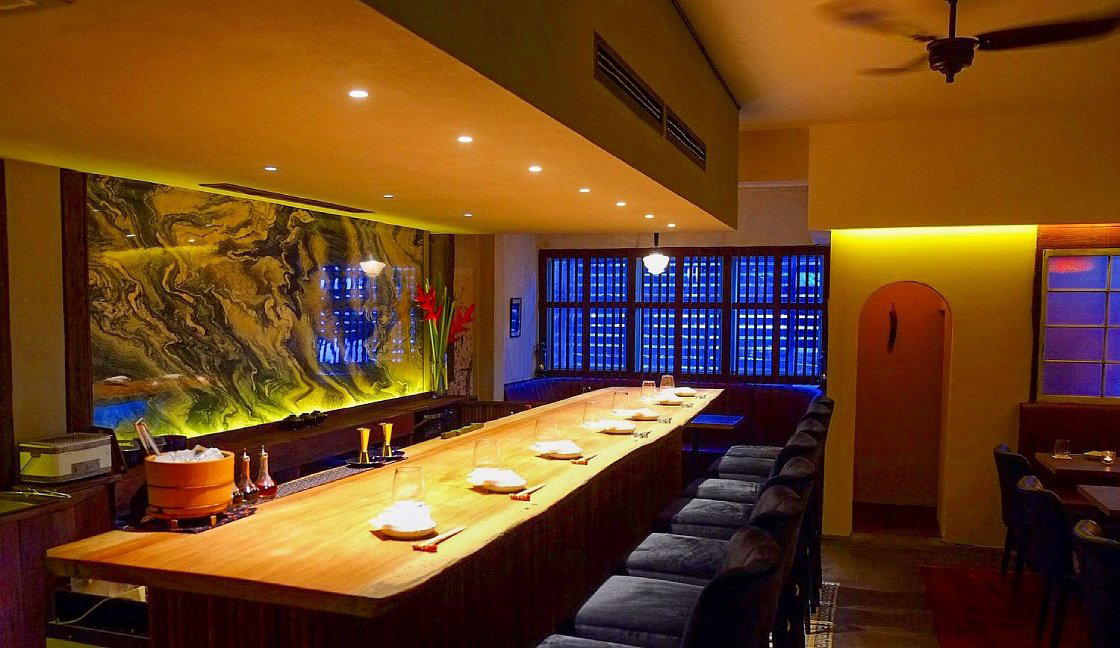
Tales by Chapter gives Ho Chi Minh City’s fine-dining conversation a sharper sustainability brief: plant-based tasting menus, local produce, rooftop herbs and fermentation rather than imported-luxury signalling. Its chef’s-counter view and villa setting place Vietnamese vegetables, offcuts and supply chains at the centre of the experience.

Pearl is the En Primeur Club membership app, where members save venues, book tables and use the concierge.
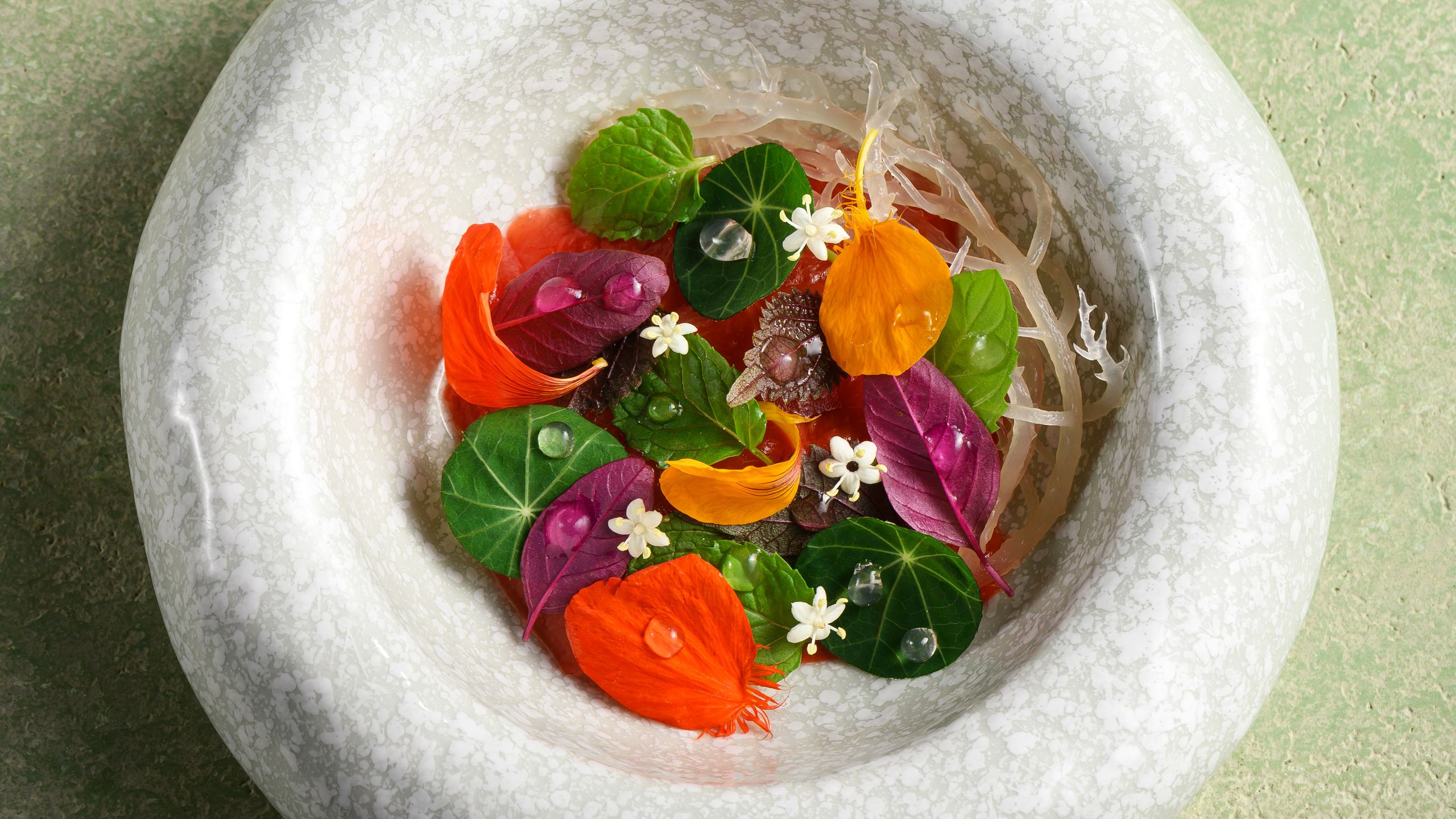
The menu
What to order
- Corn pie tee with soy-corn purée, charred kernels, kimchi and fermented chilli
- Seasonal plant-based tasting menu courses using Da Lat organic produce
The approach begins with a clear editorial premise rather than a high-gloss dining-room cliché. In Ho Chi Minh City, where premium dining can move between formal polish, intimate formats and contemporary local interpretation, Tales by Chapter makes its case as a restaurant with a distinct point of view. The draw is not simply that it belongs on an ambitious itinerary; it is that the meal is framed as part of the city’s changing conversation about what serious dining can be.
That matters in a fast-moving restaurant scene. Ho Chi Minh City has refined dining rooms, contemporary formats, casual specialists and restaurants that interpret the city in very different registers. Tales by Chapter enters that field with a more focused proposition: it is a booking for diners who want a restaurant to feel considered, current and rooted in its city, rather than another interchangeable luxury stop. The specifics are best confirmed directly when booking, but the editorial appeal is the clarity of its intent.
A contemporary point of view becomes the main luxury signal
Premium dining can become a catalogue of familiar prestige markers: formal service, global reference points and polished technique. The stronger counter-movement treats context, restraint and editorial clarity as the story. At Tales by Chapter, the safest way to read the experience is through that lens: not as a checklist of luxury cues, but as a restaurant asking whether a disciplined point of view can carry the meal.
The menu format should be confirmed directly when booking, rather than assumed from trend language or second-hand descriptions. A meal here is best approached as a composed restaurant experience rather than a greatest-hits order, with the kitchen’s choices setting the rhythm. Instead of expecting a broad survey of familiar classics, diners should expect a more authored experience: one that uses Ho Chi Minh City as context while presenting its own language.
Pairings, beverages and pacing should be treated as part of that overall decision rather than an afterthought, while the details are best checked with the restaurant before visiting. In contemporary premium restaurants, the supporting drinks programme often has to follow texture, savoury depth and the shape of the meal rather than simply provide a conventional luxury track. For travellers, that is part of the appeal: the restaurant is not just a place to eat, but a place to see how Ho Chi Minh City’s dining ambitions are being translated into a full evening.
The concept matters more than slogans
Restaurant language often collapses under scrutiny when it relies on décor, trend phrases or imported markers of seriousness. The stronger version requires systems, discipline and consistency. For Tales by Chapter, any broad claim about its approach is most useful when understood as an editorial stance rather than as an unsupported technical label. The important question is not whether the room sounds virtuous, but whether the experience feels coherent from start to finish.
Because no verified chef biography, ownership detail, opening year, price point or seat count is part of the available ground truth here, the restaurant should not be reduced to named personalities, resume claims or operational specifics. The better reading is institutional: Tales by Chapter is presented as a Ho Chi Minh City restaurant with a defined concept and enough recognition to matter on a premium dining map. Its significance lies in how it contributes to the city’s restaurant conversation, not in unsupported details.
Within Ho Chi Minh City’s broader dining culture, that distinction is important. The city is not short on refined dining rooms, casual specialists, sensory-format restaurants such as Noir. Dining in the Dark, and tightly focused local addresses. Thúy 94 Cũ and Bánh Cuốn Tây Hồ 127 belong to another vocabulary of local eating, where repetition, specialization and everyday confidence matter. Hoi An Sense and Fashionista Café occupy other parts of the Vietnamese and contemporary spectrum. Against those comparisons, Tales by Chapter is not competing on nostalgia or abundance alone, but on whether an authored premium meal can feel connected to the city rather than imported wholesale.
Where it fits in a Ho Chi Minh City dining itinerary
The strongest case for Tales by Chapter is for travellers who plan meals around how a city is changing. Ho Chi Minh City still rewards casual, highly focused eating, but its premium dining scene now has enough range that a serious booking needs a point of view. This one is clearest for diners interested in a contemporary restaurant experience, a composed meal and the future-facing side of Ho Chi Minh City dining rather than a broad survey of classics.
For a wider city plan, use it as one focused premium anchor rather than the only meaningful meal. Pair it with other contemporary dining, another polished dining room and one casual specialist to understand the range. EP Club’s city guides can help structure that spread: Our full Ho Chi Minh City restaurants guide maps the restaurant field, while Our full Ho Chi Minh City bars guide, Our full Ho Chi Minh City hotels guide, Our full Ho Chi Minh City wineries guide and Our full Ho Chi Minh City experiences guide cover the rest of the trip architecture.
Vietnam’s dining map is useful beyond the city, but comparisons should stay broad unless the trip is being planned around confirmed venues. Travellers can contrast Ho Chi Minh City with other destinations in Vietnam for regional eating styles, service formats and the balance between casual and premium dining. Internationally, the same logic applies: tightly defined restaurant concepts can travel well when they keep their point of view, but they become generic when they lean only on trend language.
The editorial verdict is direct: this is the Ho Chi Minh City booking for diners who want fine dining to answer a harder question than luxury. Its strongest claim is not any unsupported detail about a dish, chef, price, year or address. It is the attempt to make a contemporary Ho Chi Minh City restaurant feel purposeful, distinctive and relevant within a dining scene that is changing quickly.
Frequently asked questions
Would Tales by Chapter be comfortable with kids?
It reads as more suited to a planned premium meal than to a casual family stop. Travellers with children should confirm the format, timing and suitability directly with the restaurant before booking in Ho Chi Minh City.
Is Tales by Chapter formal or casual?
Tales by Chapter is best approached as a considered premium restaurant in Ho Chi Minh City. The exact service style and dress expectations should be confirmed directly when booking.
What awards or recognition does Tales by Chapter have?
Tales by Chapter is recognized in Condé Nast Traveler’s Hot List 2026, with a source venue page for Ho Chi Minh City and the related Best New Restaurants in the World Hot List 2026 article.
Where is Tales by Chapter located?
Ho Chi Minh City.
How hard is it to get a table at Tales by Chapter?
Planning ahead makes sense for a premium restaurant with a defined point of view. In Ho Chi Minh City, that kind of booking usually rewards confirming availability directly rather than relying on spontaneous walk-ins.
Comparison Snapshot
Comparable venues by cuisine and price in the same metro.
| Venue | Cuisine | Price | Awards | Notes |
|---|---|---|---|---|
| Tales by ChapterThis venue (the venue you are viewing) | Zero‑waste plant-based fine dining | $50–100 | Michelin Plate · Conde Nast Hot List Restaurants | Not listed |
| Thúy 94 Cũ | Vietnamese Crab Seafood | $10–20 | Michelin Plate | Seafood, ₫₫ |
| Bánh Cuốn Tây Hồ 127 | Traditional Vietnamese Bánh Cuốn Specialist | $1–10 | Michelin Bib Gourmand | Not listed |
| Hoi An Sense | Central Vietnamese Fine Dining | $30–50 | Michelin Plate | Vietnamese, ₫₫ |
| Noir. Dining in the Dark | Sensory Dining in the Dark (International Fusion) | $30–50 | Not listed | Not listed |
| Fashionista Café | French-Vietnamese Fusion | $10–20 | Michelin Plate | European Contemporary, ₫₫ |
Recognition history
Dated appearances from independent guides and award organizations, with the underlying list record or original source where available.
Michelin Plate
Michelin
Conde Nast Hot List Restaurants
Conde Nast
Continue exploring
More in Ho Chi Minh City
Restaurants in Ho Chi Minh City
All restaurants in Ho Chi Minh City →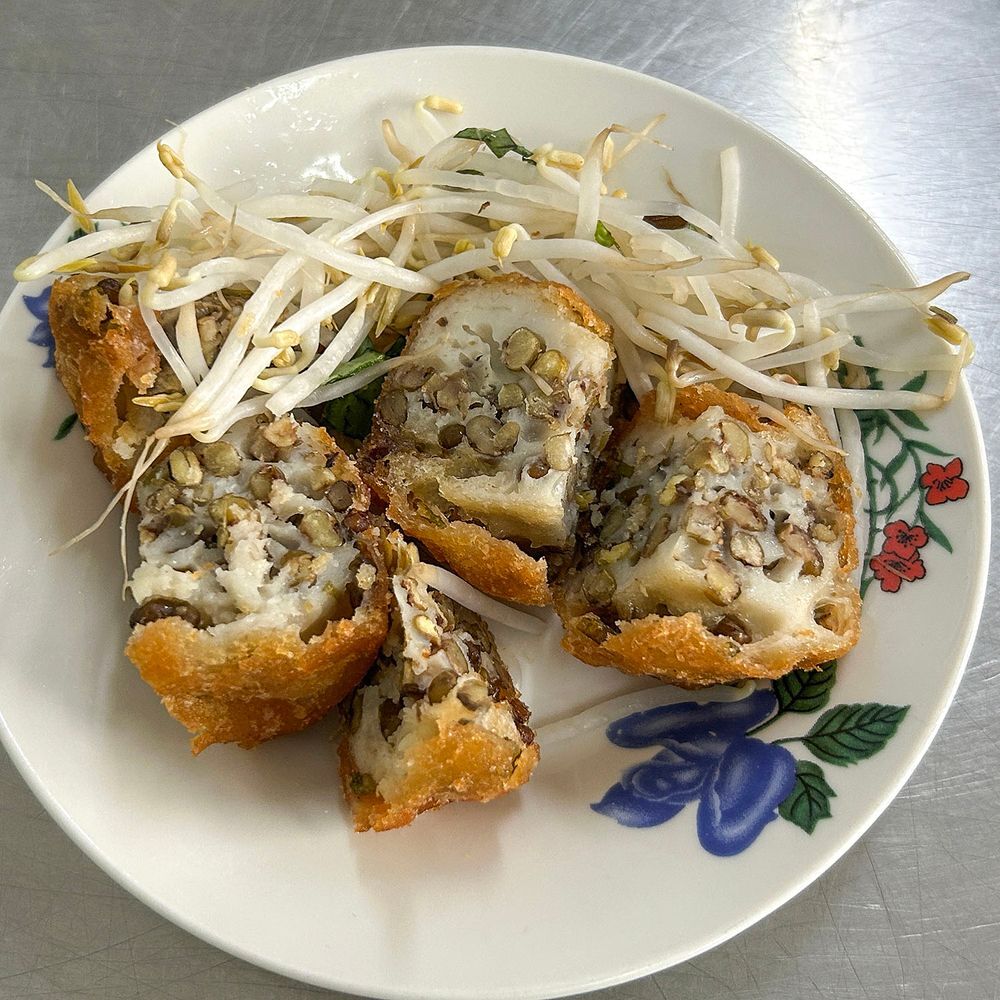
Bars in Ho Chi Minh City
All bars in Ho Chi Minh City →
Tales by Chapter
The wine
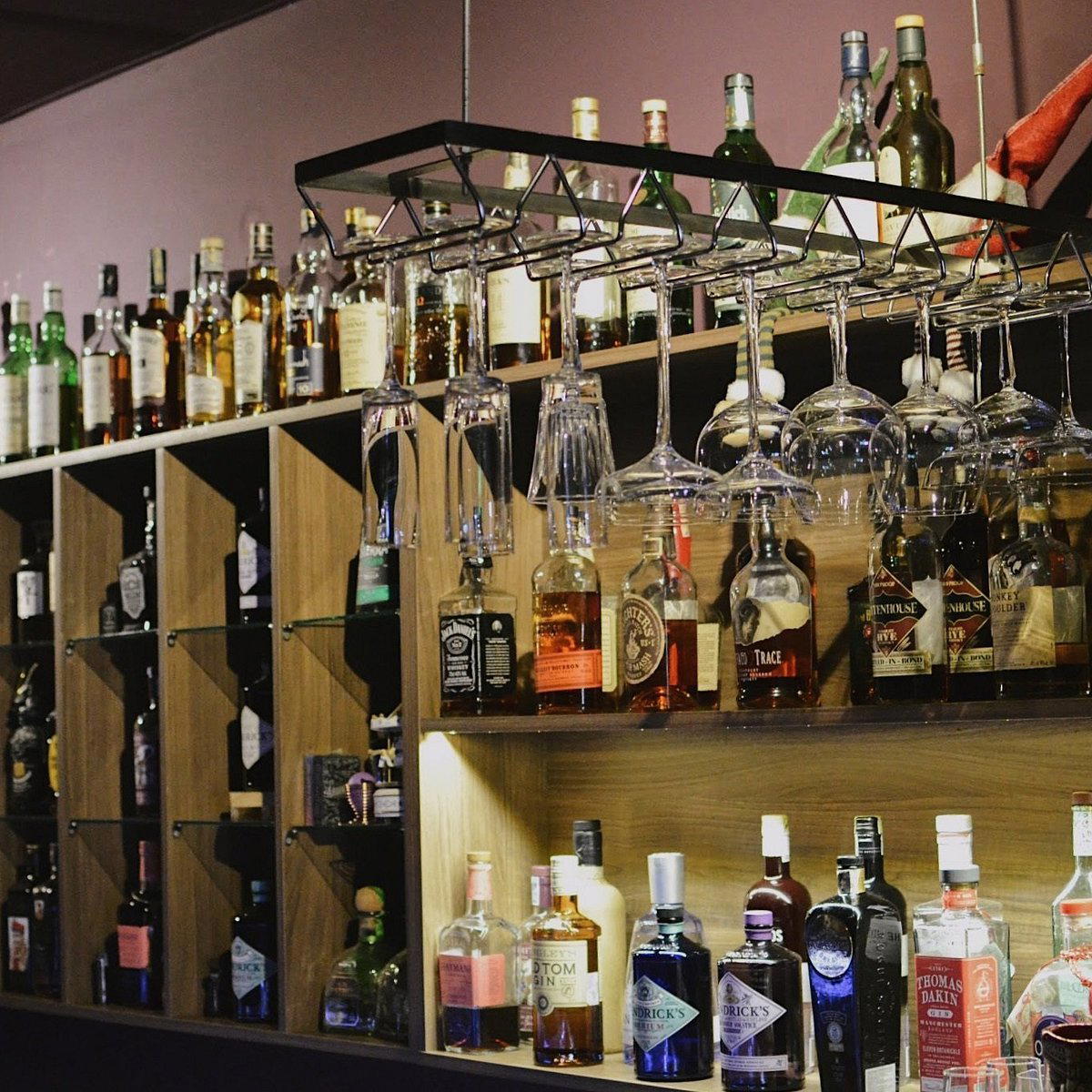
- Sommelier-led
- Natural wine
- Craft cocktails
- Zero-proof drinks
Details
- Elegant
- Modern
- Intimate
- Sophisticated
- Date Night
- Special Occasion
- Business Dinner
- Group Dining
- Celebration
- Chefs Counter
- Standalone
- Design Destination
- Craft Cocktails
- Natural Wine
- Sommelier Led
- Zero Proof
- Farm To Table
- Organic
- Local Sourcing
- Zero Waste
- Tasting Menu
- Wine
- Cocktails
- Non Alcoholic Pairing
- Vegetarian Friendly
- Vegan Options
- Organic Focus
- Allergy Accommodating
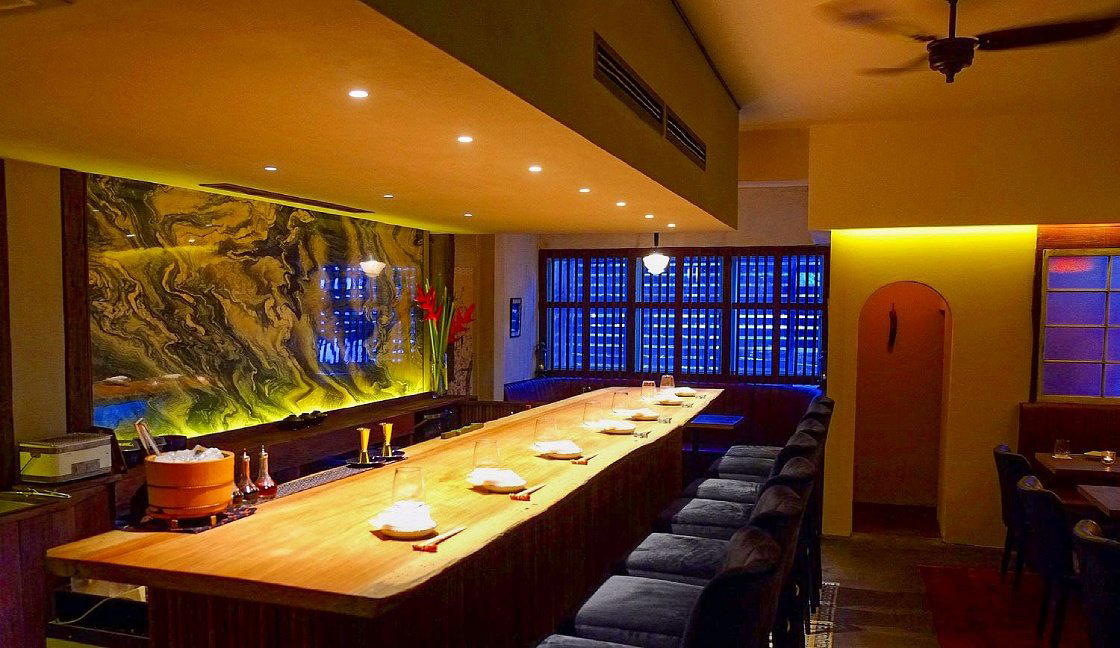
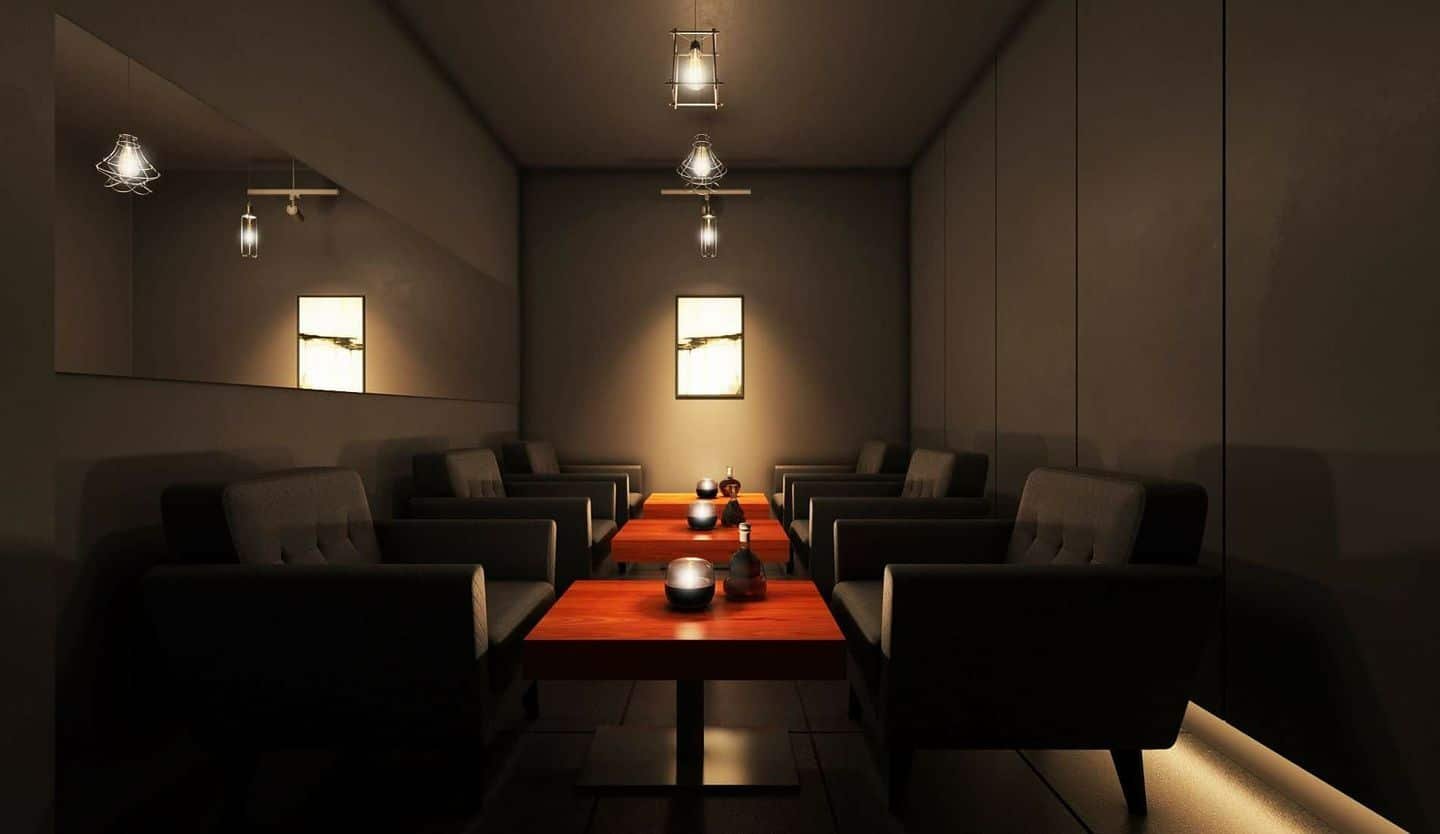
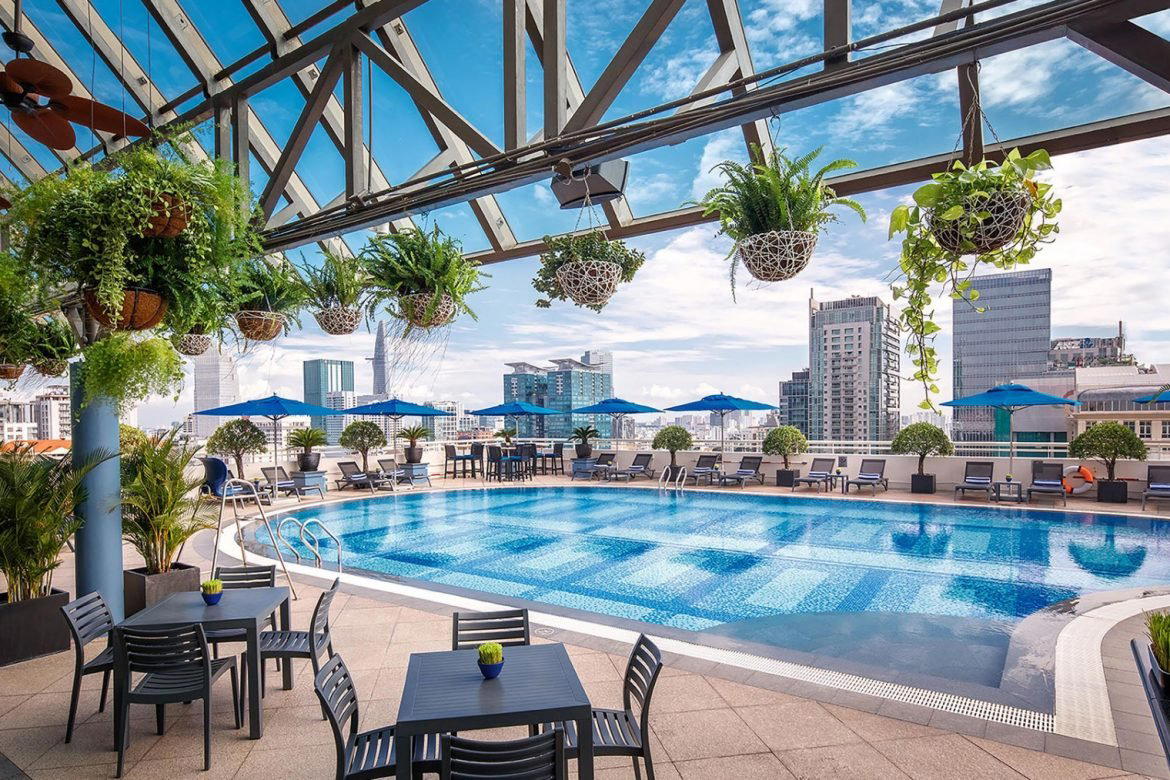
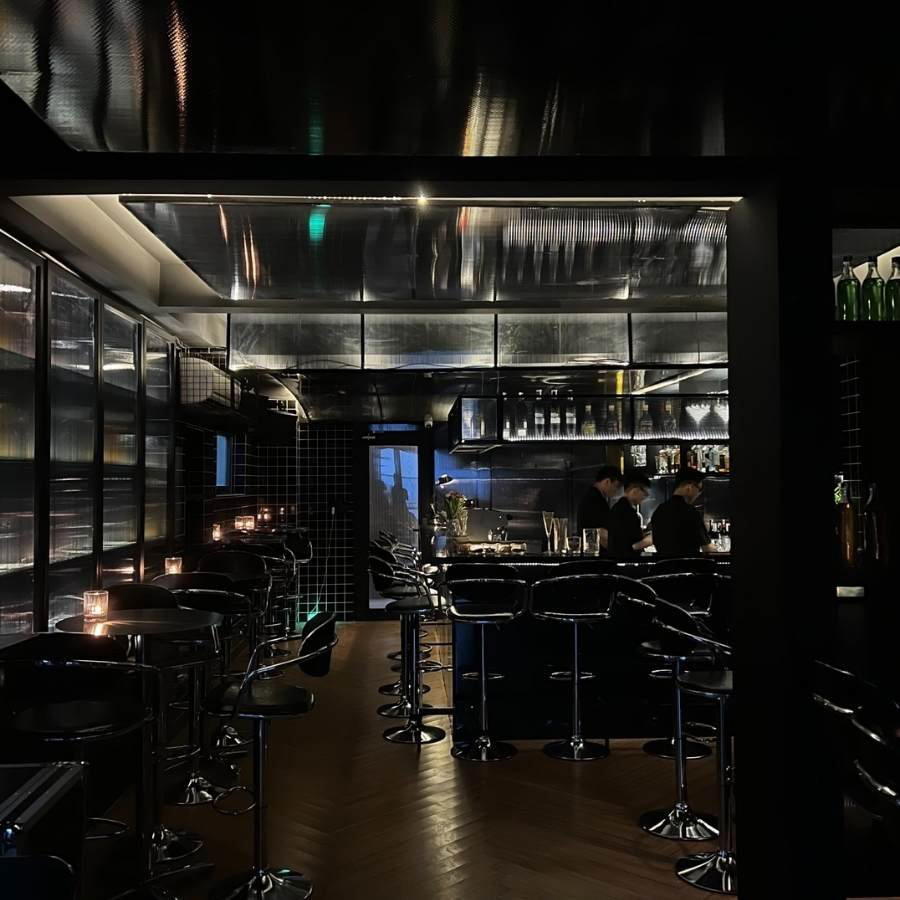
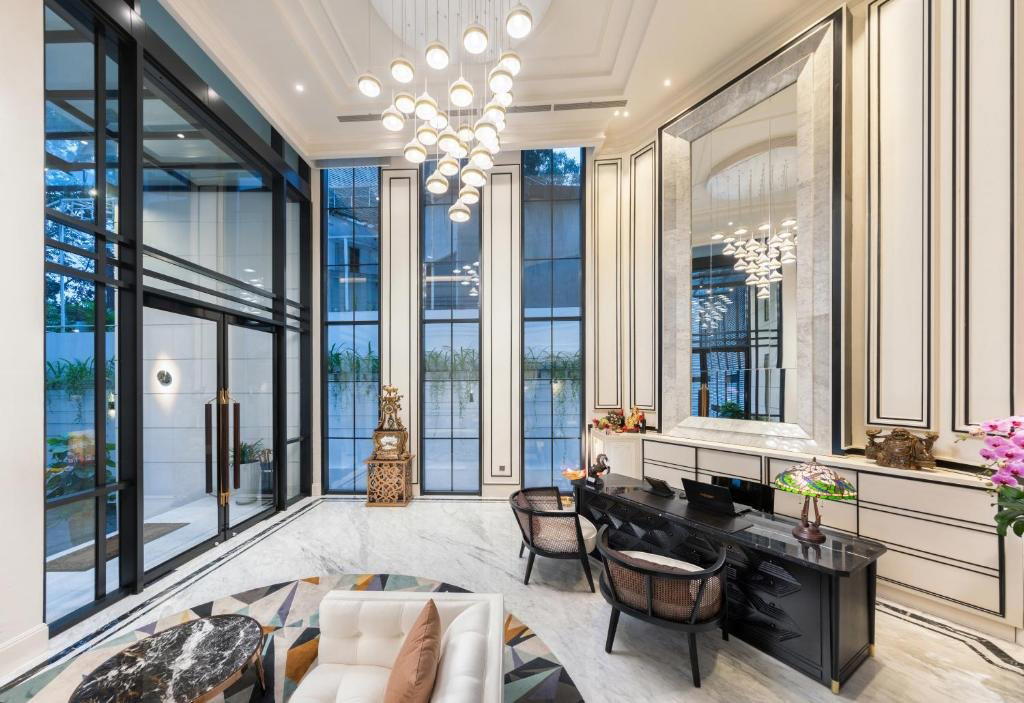
A serene villa-style space on a quiet District 1 street with intimate lighting, minimalist-modern decor and a calm, contemplative feel that foregrounds the chef’s counter and the storytelling of a multi-course plant-based menu.