Where Damascus Eats Like Damascus There is a particular rhythm to eating in the Syrian capital that visitors from outside the Levant rarely anticipate. The meal does not begin with a menu and end with a bill. It begins with the street itself...
Pearl is the En Primeur Club membership app — saves, bookings, and concierge access live there. Same editors, same standards.
- Address
- Damascus, Syria
- Directions
- Get directions
 Saves & bookings on Pearl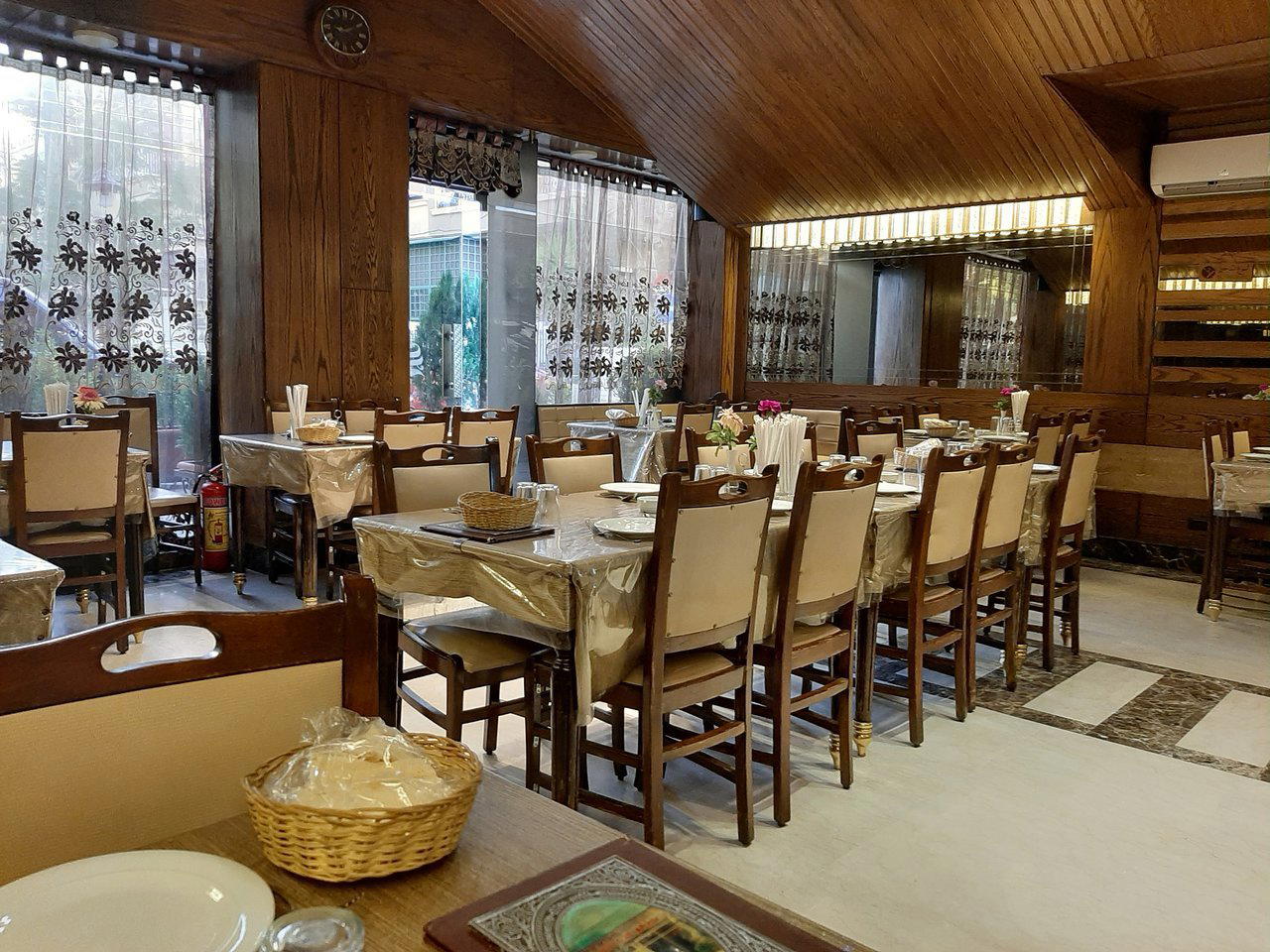
Where Damascus Eats Like Damascus
There is a particular rhythm to eating in the Syrian capital that visitors from outside the Levant rarely anticipate. The meal does not begin with a menu and end with a bill. It begins with the street itself: the smell of charcoal drifting from a grill, the sound of bread being pulled from a clay oven, the unhurried accumulation of small dishes before anything could reasonably be called a main course. Sham Foods sits inside that tradition. In a city where the name Sham is the classical Arabic term for Damascus itself, the choice of that word as a restaurant name is a declaration of intent rather than a piece of branding.
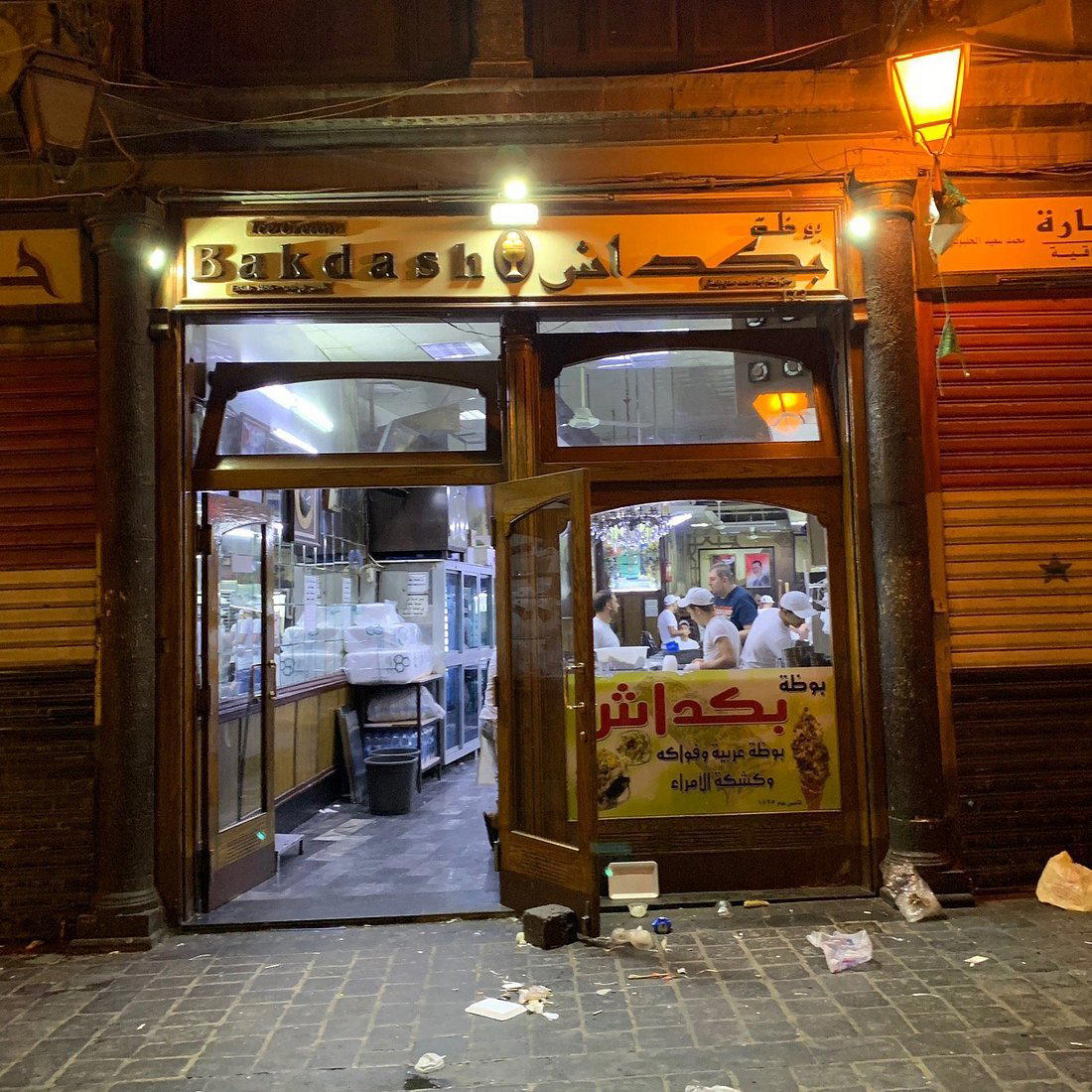
Damascus has one of the oldest continuously inhabited urban food cultures in the world, and its restaurant scene reflects that depth in layers. At one end sit the grand courtyard houses of Al Qaimarryeh and the old city, where places like Naranj Restaurant in Al Qaimarryeh have built their reputations on classical Syrian hospitality inside Ottoman-era architecture. At the other end are the street-level specialists: the shawarma cutters, the falafel fryers, the ice-cream operations that have held the same corner for generations. Bakdash, the old city's most recognized sweet shop, is a useful reference point for how deeply Damascenes trust provenance over novelty. Sham Foods positions itself within this broader ecosystem of place-rooted dining rather than against it.
The Ritual of the Damascene Table
Understanding how a meal unfolds in Damascus helps explain what venues like Sham Foods are actually offering. The structure owes more to centuries of Levantine hospitality custom than to any contemporary dining format. Mezze arrives in waves, with cold dishes preceding warm ones, and the progression is paced by conversation rather than by kitchen timing. Bread is not a side item; it is a utensil. The act of tearing and sharing is as much a part of the meal as any individual dish.
Syrian cuisine in this register draws from a pantry that is both narrow and extraordinarily deep: pomegranate molasses, dried lemon, sumac, seven-spice blends, slow-cooked lamb, freekeh, and the specific smokiness that comes from cooking over wood or charcoal rather than gas. Restaurants that execute this tradition well are not doing anything fashionable. They are doing something technically demanding and culturally specific, which is a different kind of difficulty. For context, the precision required to balance a kibbeh filling or to achieve the right acidity in a fattoush is not unlike the discipline that separates a credentialed kitchen in other culinary traditions from its imitators. At venues like Le Bernardin in New York City or Alinea in Chicago, that discipline is measured by Michelin stars. In Damascus, it is measured by repeat custom across generations.
The pacing at a table like this is not something to resist. Ordering everything at once and expecting simultaneous service misreads the format entirely. The meal is designed to extend, to allow the table to exist as a social space before, during, and after the food. Visitors who approach Syrian restaurant dining with that understanding will have a fundamentally different experience from those who treat it as a transaction.
Syria's Regional Dining Map and Where Damascus Sits
Syrian cuisine is not monolithic. The coastal kitchens of Latakia produce food with a Mediterranean inflection, heavier on fish and olive oil, as readers exploring restaurants in Latakia will find. Aleppo, historically Syria's commercial and gastronomic second city, has its own distinct vocabulary: the famous Aleppo pepper, the specific approach to kebab, the kabab hindi, and the cherry-studded preparations that distinguish Aleppan tables from Damascene ones. Al Zammar House in Aleppo represents that northern tradition. Hama and Homs sit between these poles, with their own local preparations; Kitaz Restaurant in Hama and Julia Palace Restaurant in Homs offer points of comparison for travellers moving through the country.
Damascus, as the capital, absorbs and synthesizes all of these regional currents while maintaining its own identity. The Damascene table tends toward refinement over heat, toward slow cooking over grilling, and toward the hospitality gesture of abundance: more dishes than any single diner could finish, presented not as excess but as welcome. A venue operating under the name Sham is implicitly claiming alignment with this capital-city synthesis rather than with any single regional variant.
The Shawarma Axis
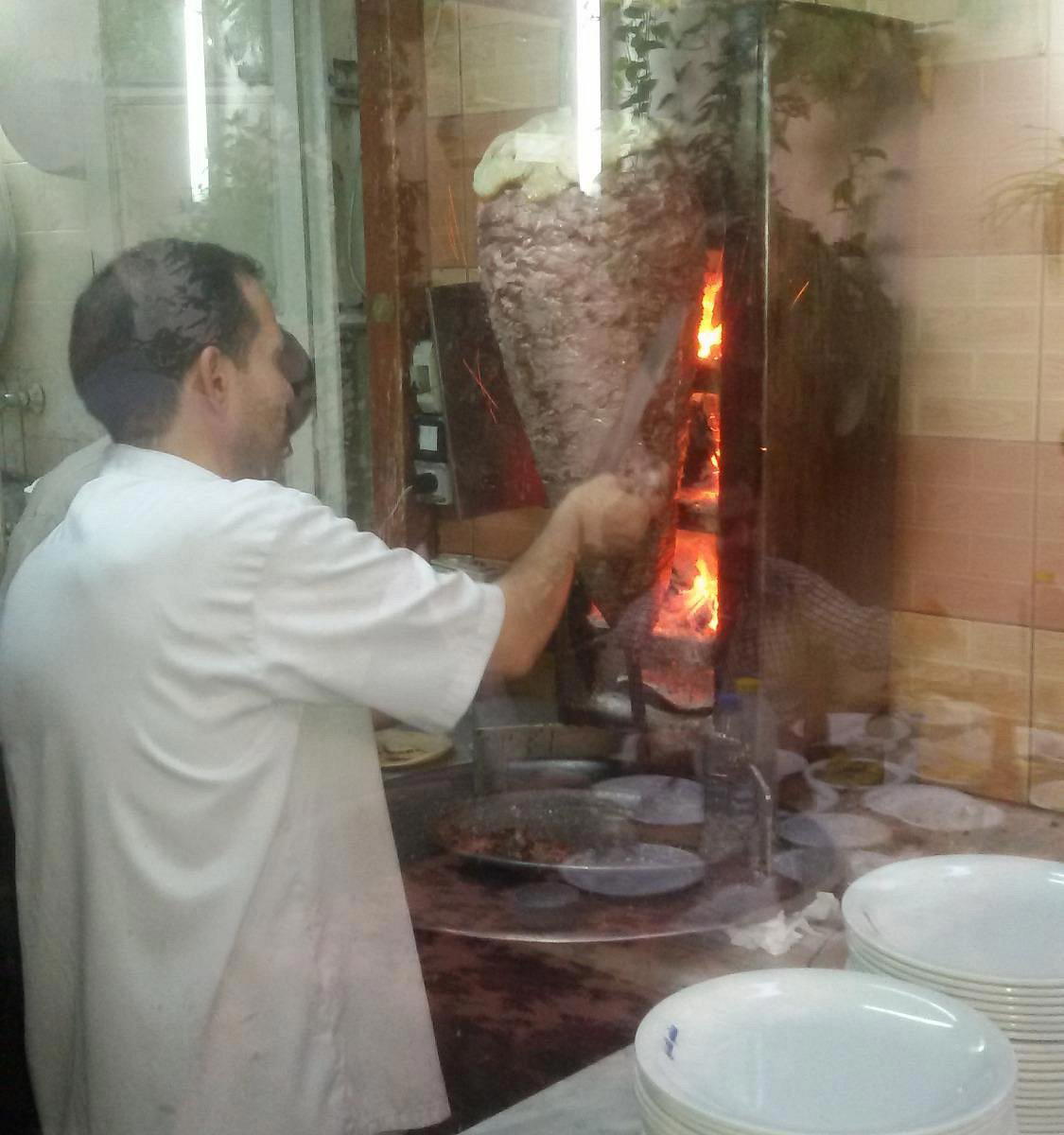
No account of eating in Damascus is complete without addressing shawarma, which functions here less as fast food and more as a daily ritual with strong loyalties attached. Damascenes tend to have specific allegiances to specific cutters, and those allegiances are passed between friends with the seriousness of a wine recommendation. Saddeq Shawerma is one of the names that circulates in that conversation, as does Shawrma Sharif. The point is not which is superior; it is that the category itself is taken seriously enough to generate genuine debate and long-standing loyalty, which is the mark of a city that treats its street food as part of a continuous culinary tradition rather than as a concession to convenience.
For readers building a broader itinerary around serious eating, the full Damascus restaurants guide maps the city's dining character across neighbourhoods and price tiers, from old-city courtyard restaurants to neighbourhood specialists operating with no particular international profile but deep local authority.
Planning a Meal in Damascus
Travel to Syria requires current visa and safety research specific to your nationality and the date of travel; conditions have shifted considerably over recent years and no static guide can substitute for real-time government and specialist travel advice. For those who do make the journey, the practical advice about dining in Damascus is largely about timing and expectation-setting. Lunch runs later than Northern European visitors typically expect, with the main meal often beginning at 2pm or beyond. Dinner can extend well past midnight in the warmer months. The absence of alcohol in many traditional establishments is not an oversight but a feature of the culture, and the range of cold drinks, from tamarind to jallab to fresh-pressed citrus, reflects genuine effort given to that part of the table. Damascus is not a city where the infrastructure of online reservations has fully taken hold, and the walk-in culture remains dominant across much of the mid-market segment.
Cuisine and Recognition
Comparable venues nearby, for context on price, style, and recognition.
| Venue | Cuisine | Price | Notes |
|---|---|---|---|
| Sham FoodsThis venue — the venue you are viewing | Traditional Syrian | $$ | Not listed |
| Saddeq Shawerma | Syrian Shawarma and Kibbeh | $$ | Al Qanawat |
| Bakdash | Traditional Middle Eastern Booza Ice Cream | $$ | Al-Hamidiyah Souq |
| Shawrma Sharif | Syrian Shawarma | $ | Al Midan |
| Julia Palace Restaurant | Middle Eastern | Not listed | شارع الورشة |
| بوز الجدي | Traditional Syrian Levantine | $ | الدرارى |
Continue exploring
More in Damascus
Restaurants in Damascus
Browse all →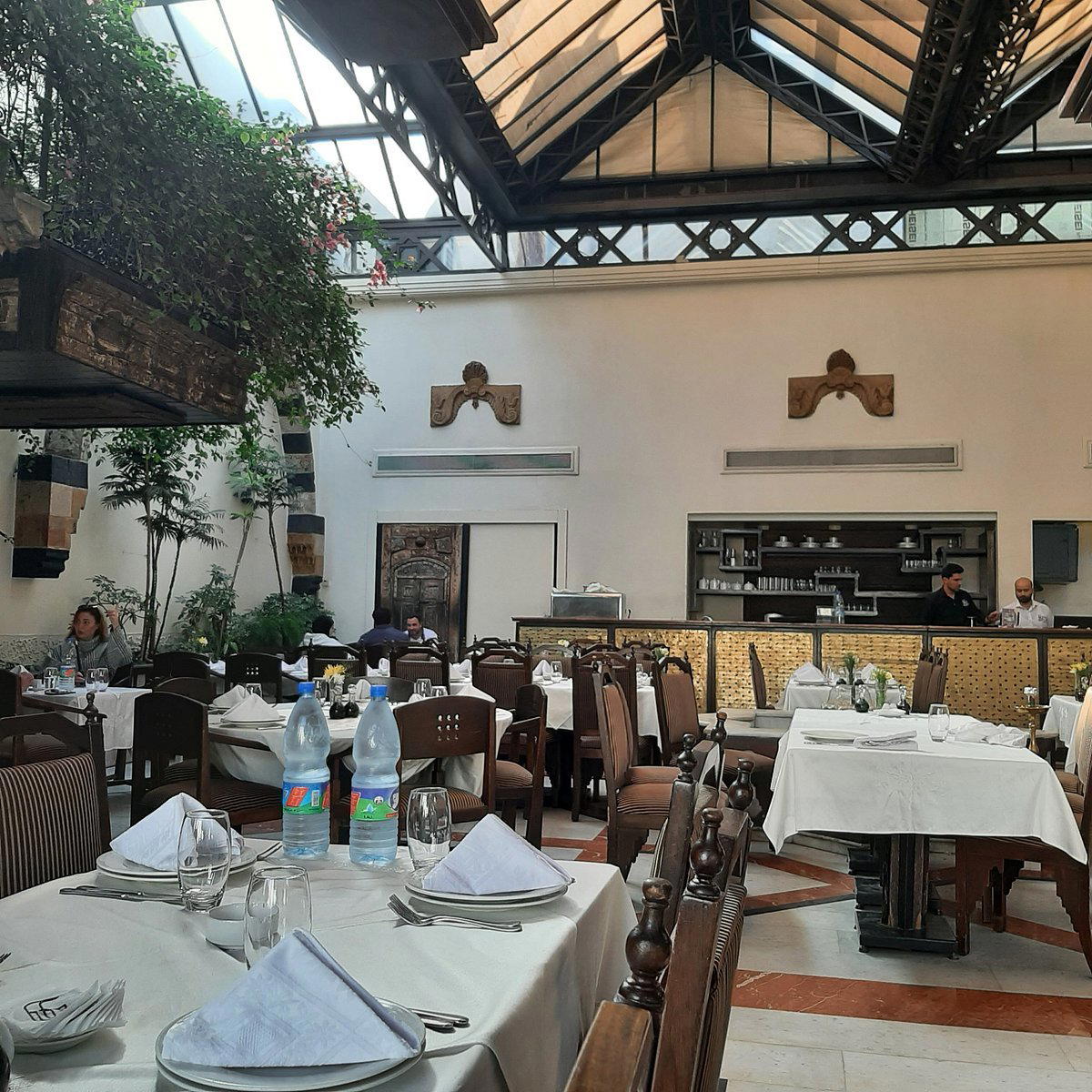
Wineries in Damascus
Browse all →

At a Glance
- Casual Hangout
Casual atmosphere for enjoying Syrian meals.