Our verdict
Saddeq Shawerma is a Damascus institution that places the city's shawarma tradition at the centre of its offer. In a city where the rotating spit has shaped street-food culture for generations, Saddeq represents the neighbourhood standard against which other counters are measured. Practical, direct, and rooted in Syrian culinary habit, it is a reference point for the form.

Pearl is the En Primeur Club membership app — saves, bookings, and concierge access live there. Same editors, same standards.
- Address
- Damascus, Syria
- Directions
- Get directions
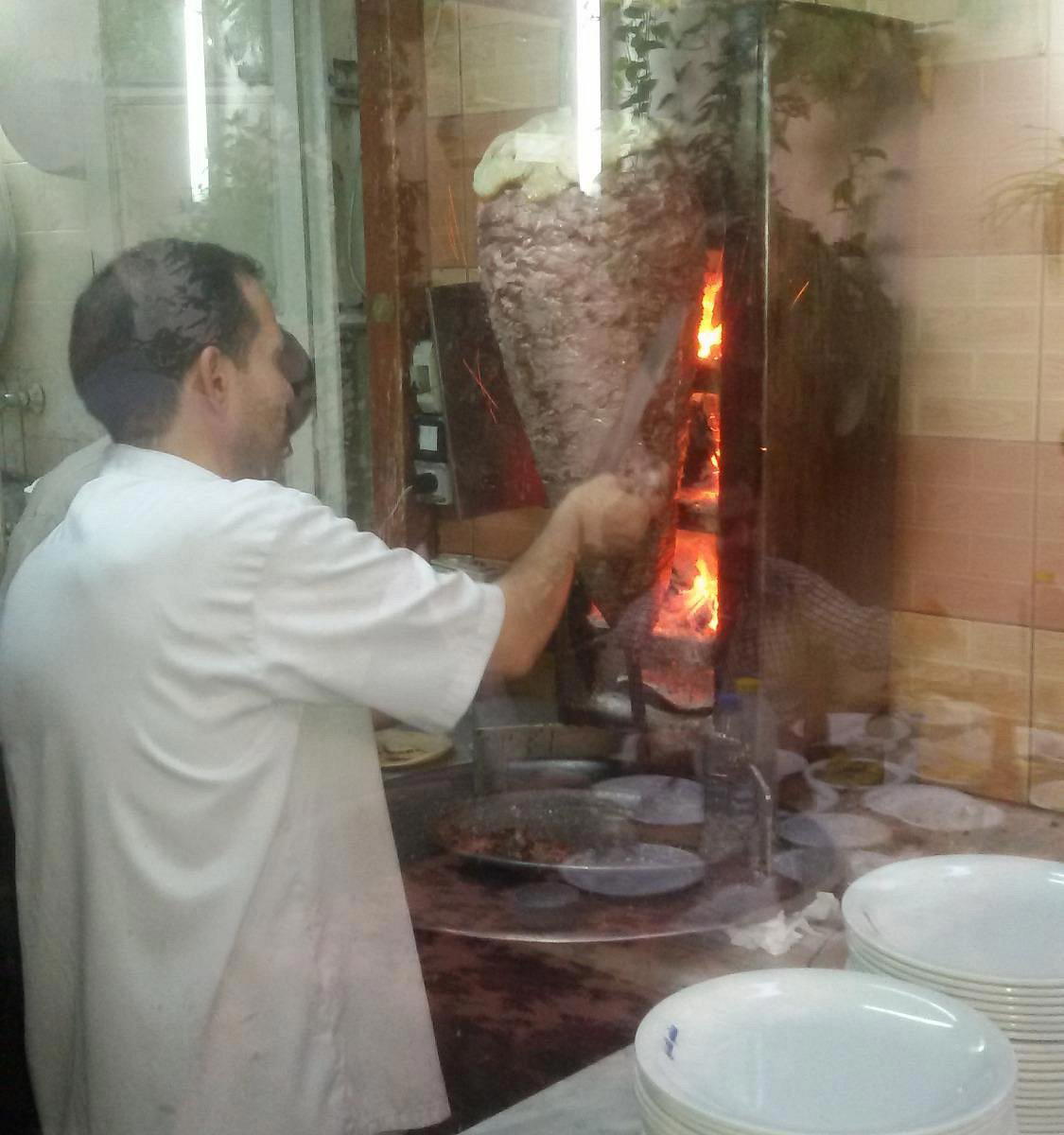
The menu
What to order
- Kibbeh stuffed with Shawerma
- Lamb Shawarma
Damascus and the Shawarma Counter: A Street-Food Tradition With Real Stakes
There is a reason Damascus shawarma does not travel well as a concept. The dish is so embedded in the city's daily rhythm — noon queues, late-night crowds, the specific heat and spice ratios that vary block by block — that any serious account of Syrian food culture has to start at the counter. Shawarma in Damascus is not a fast-food category in the Western sense; it is a precision tradition, where the cut of meat, the ratio of fat to lean on the rotating spit, the bread choice, and the pickled accompaniments are the subject of ongoing neighbourhood debate. Saddeq Shawerma sits within that tradition as a named, discussed point of reference, which in Damascus's street-food register carries genuine weight.
The city's shawarma counters broadly divide into two types: the high-volume roadside operations serving the workday crowd, and the more deliberate neighbourhood spots where returning customers have strong opinions about quality consistency. Saddeq operates in the latter register. The name circulates in Damascus food conversations alongside other counters that have built a local identity, including Shawrma Sharif, which occupies a comparable position in the city's shawarma conversation.
What the Spit Tells You About Syrian Food Culture
To understand why a shawarma counter matters in Damascus, it helps to understand what the dish actually represents in Syrian culinary terms. Shawarma arrived in the Levant through Ottoman-era cooking traditions and settled into Syrian practice as a dish of marinated layered meat, most commonly chicken or lamb, slow-cooked on a vertical rotisserie, then shaved to order. The variables that define quality are numerous: the spice blend (typically including cumin, coriander, turmeric, and allspice in Syrian-style preparations), the bread format (flatbread or pita-adjacent wraps), the garlic sauce or toum ratio, and the pickled vegetables that cut the fat. In Damascus, these variables are taken seriously at the consumer level in a way that the casual visitor might not expect.
That seriousness is what places a counter like Saddeq in a meaningful category. Damascus diners are not simply buying convenience; they are exercising a preference within a well-mapped local tradition. The city's food culture, which also includes the cold dessert institution Bakdash and broader Syrian casual dining represented by venues like Sham Foods, rewards specificity. Shawarma sits at the accessible, democratic end of that spectrum, but the standards applied to it are no less demanding.
The Broader Syrian Dining Context
Damascus's food scene does not exist in isolation from the wider Syrian tradition. Across the country, regional variations in cooking style are significant. In Aleppo, venues like Al Zammar House reflect that city's distinct culinary identity, shaped by its historic position as a trading crossroads and its own spice preferences, particularly the famous Aleppo pepper. In Hama and Homs, restaurants such as Kitaz Restaurant and Julia Palace Restaurant represent those cities' own approaches to Syrian hospitality and cuisine. On the coast, View Restaurants in Latakia signals a different orientation, shaped by the Mediterranean proximity.
Damascus sits at the centre of this regional conversation, and its street-food culture, including the shawarma counter, is where ordinary Damascenes most visibly express their food preferences. The city's more formal dining, represented in the Old City and adjacent neighbourhoods by places like Naranj Restaurant in Al Qaimarryeh, occupies a different register, drawing on the same Syrian culinary tradition but presenting it through a more composed, sit-down format. The shawarma counter is the everyday counterpart to that formal register: faster, cheaper, and in its own way, just as demanding of quality.
Placing Saddeq in the Damascus Shawarma Tier
Among Damascus's shawarma counters, the venues that develop a named reputation do so through consistency rather than novelty. There is no equivalent here of the tasting-menu innovation cycles that define somewhere like Alinea in Chicago or the technical elaboration of a kitchen like Atomix in New York City. The measure of a Damascus shawarma counter is repetition: the same quality at the same price point, day after day, year after year. That is a different kind of discipline, and it is the one by which Saddeq's standing in the city is leading understood.
The counter format itself enforces a particular relationship between the kitchen and the customer. There is minimal mediation: the meat is visible, the preparation is open, and the transaction is quick. This transparency is part of the cultural appeal. In a city with a long tradition of market food, Damascus's historic souks have shaped its relationship with eating on the move, the shawarma counter is a direct descendant of that public, legible food culture.
Planning a Visit
Given the informal and sometimes fluid nature of Damascus's street-food scene, the most reliable approach is to ask locally on arrival or consult current Damascus-based sources. For broader context on where Saddeq fits within the city's food offer, our full Damascus restaurants guide maps the city's dining options across categories and neighbourhoods. Damascus street-food counters of this type typically operate across lunch and into the evening, with peak demand around midday and again in the late afternoon.
Frequently asked questions
How does Saddeq Shawerma compare to other shawarma counters in Damascus?
Damascus has no formal ranking system for shawarma venues, no Michelin category, and no 50 Best equivalent for street counters. In that context, a named counter like Saddeq achieves distinction through word-of-mouth persistence across the city's daily food culture. The comparison set is other long-standing Damascus spit counters rather than formal-dining peers.
What should I eat at Saddeq Shawerma?
Shawarma is the core offering at this Damascus counter, as the name signals. In the Syrian tradition, that means meat carved from a vertical spit, typically served in bread with garlic sauce and pickled vegetables.
Do I need a reservation for Saddeq Shawerma?
Damascus shawarma counters operate as walk-in venues by convention. Reservations are not part of the format here. Queue times at named counters in the city tend to peak at noon and again late evening, which is the pattern across Damascus's street shawarma circuit.
What's the signature at Saddeq Shawerma?
The vertical spit is the defining instrument of Damascus shawarma culture, and a counter that has built a named reputation does so through the consistency of its carve, its garlic preparation, and the bread used to wrap it. EP Club's verified data does not confirm a single signature dish, but the shawarma itself is the reason the venue draws a following.
Can Saddeq Shawerma handle vegetarian requests?
Traditional Damascus shawarma counters are built around meat cookery, and the menu at a spit-focused venue is narrow by design. Visitors with dietary restrictions should confirm options directly before visiting.
Is Saddeq Shawerma worth it?
Among Damascus counters that have developed a named reputation, the standard of comparison is consistency over time rather than novelty or formal accolades. Saddeq carries a recognised name in a city where shawarma is daily currency, which in that context is a credential. EP Club does not hold a confirmed star rating or award record.
What's the best season to visit Saddeq Shawerma?
Damascus operates on a continental climate, with hot dry summers and mild winters. As a street-format counter, Saddeq Shawerma functions year-round rather than seasonally. Spring and autumn bring the most comfortable conditions for standing queues and eating at the street level, which is how shawarma is typically consumed in Damascus.
Price and Positioning
| Venue | Cuisine | Price |
|---|---|---|
| Saddeq ShawermaThis venue — the venue you are viewing | Syrian Shawarma and Kibbeh | $10–20 |
| Naranj Restaurant | Traditional Syrian | Not listed |
Continue exploring
More in Damascus
Restaurants in Damascus
Browse all →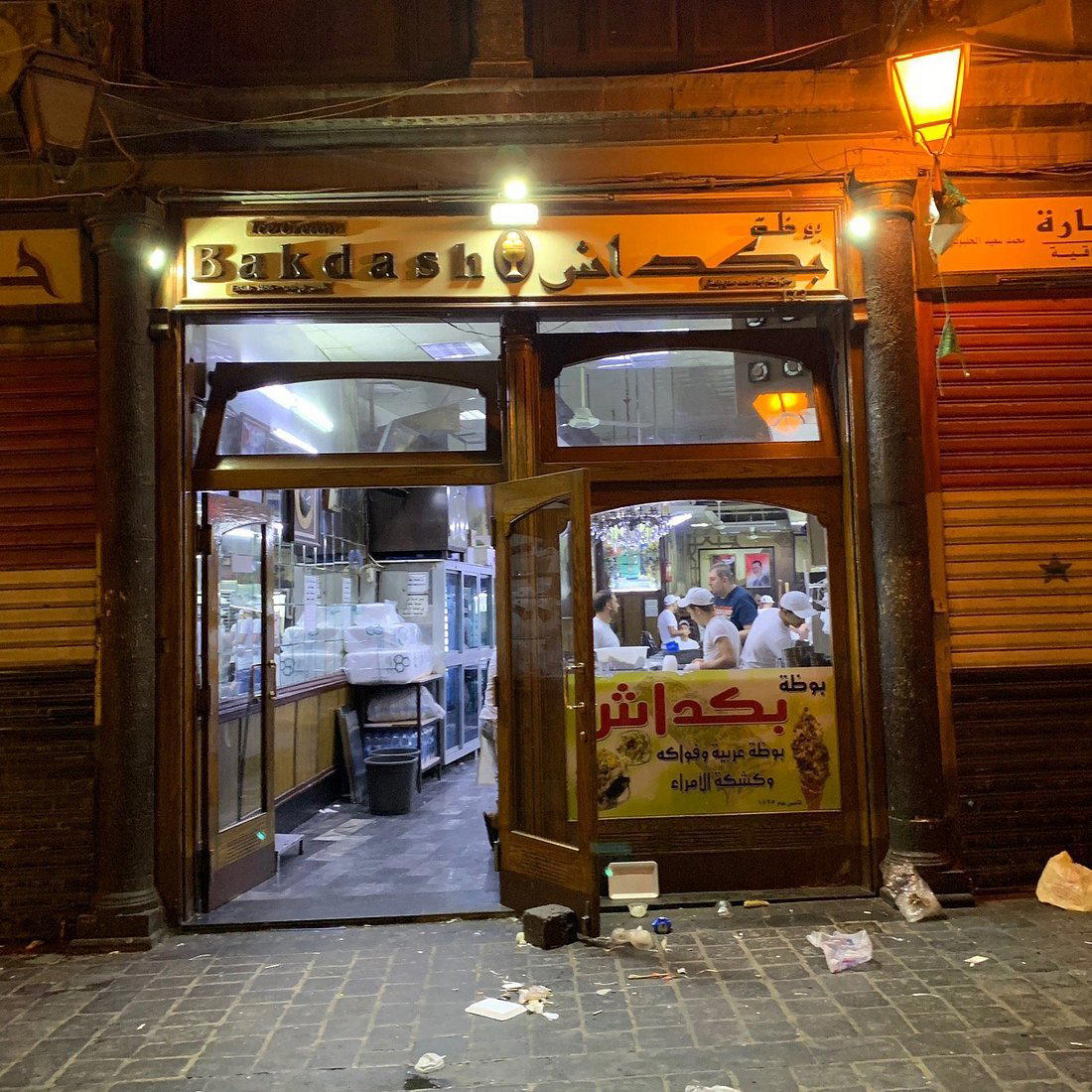

Details
- Classic
- Cozy
- Casual Hangout
- Family
- Historic Building
- A La Carte
- Halal
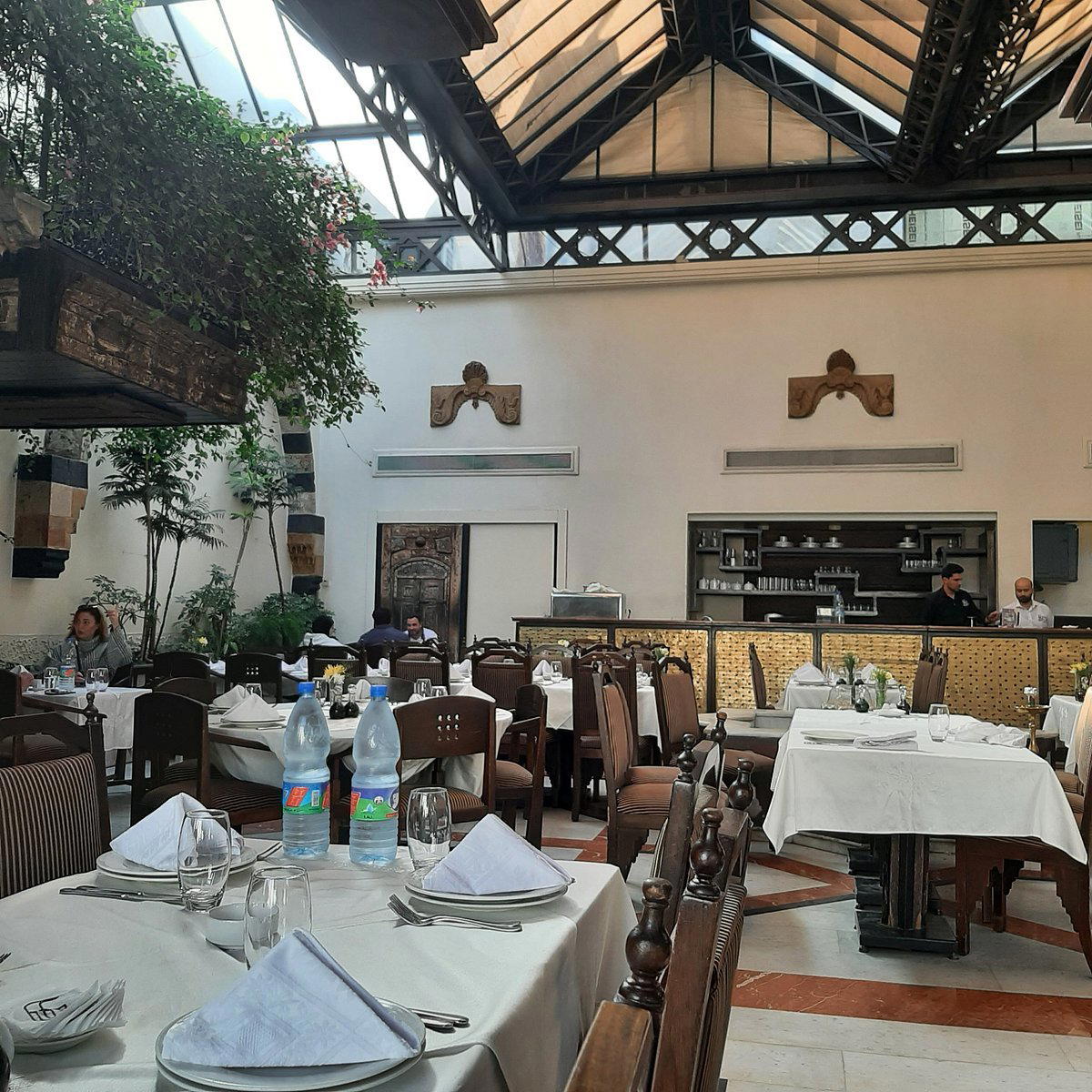
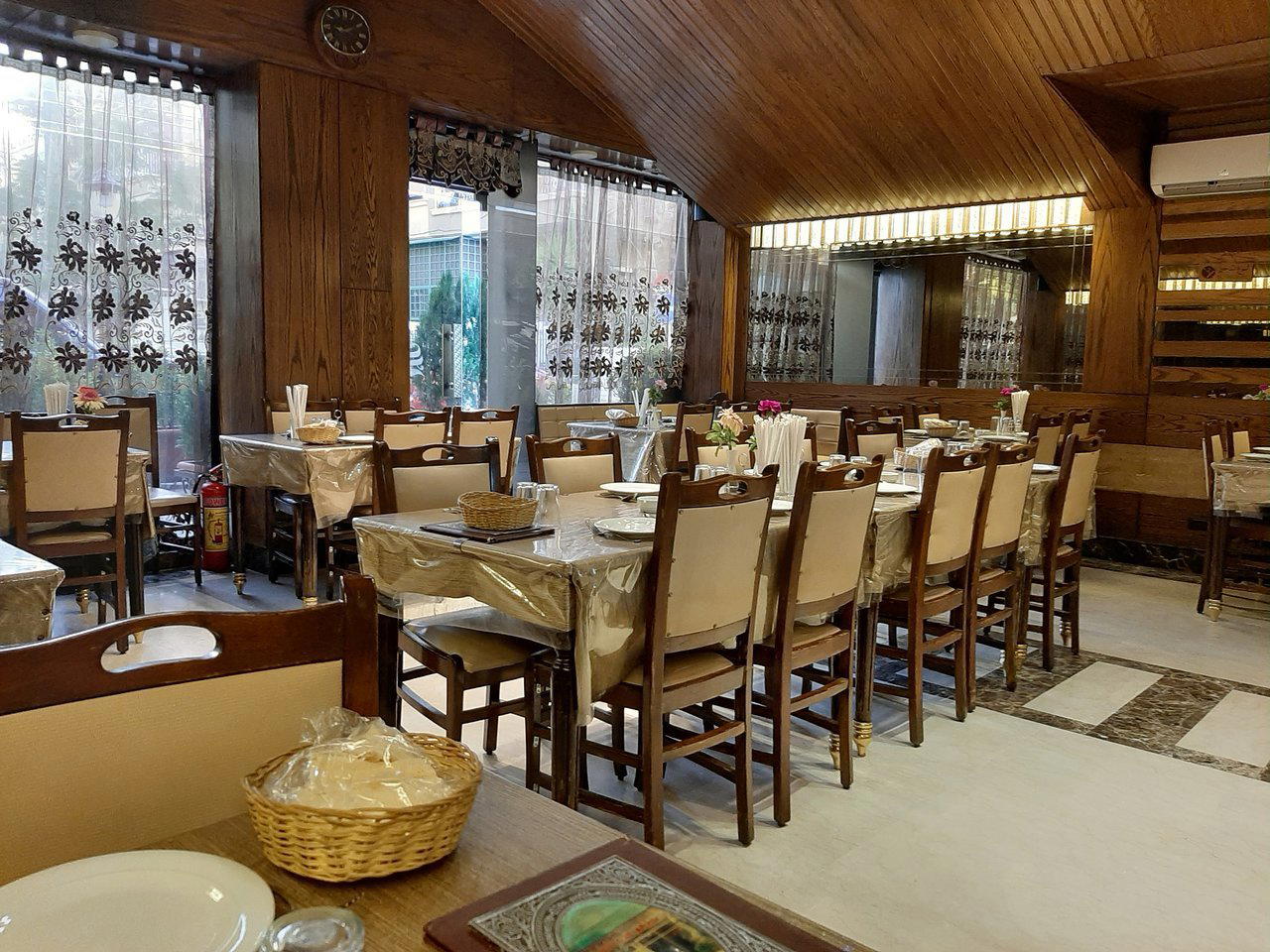
Old eastern atmosphere in a traditional Arabic house with small number of tables.