Shahba Rose Café & Restaurant occupies a prominent address on Schloßplatz in central Chemnitz, placing it within easy reach of the city's main civic spaces. The kitchen draws on Middle Eastern cooking traditions in a city whose dining scene is still finding its international range. For visitors exploring Chemnitz's growing restaurant quarter, Shahba Rose sits as a reference point for the neighbourhood's more diverse offerings.
Pearl is the En Primeur Club membership app — saves, bookings, and concierge access live there. Same editors, same standards.
- Address
- Schloßpl. 13, 09113 Chemnitz, Germany
- Phone
- +491727516878
- Website
- shahba-rose.de
- Directions
- Get directions
 Saves & bookings on Pearl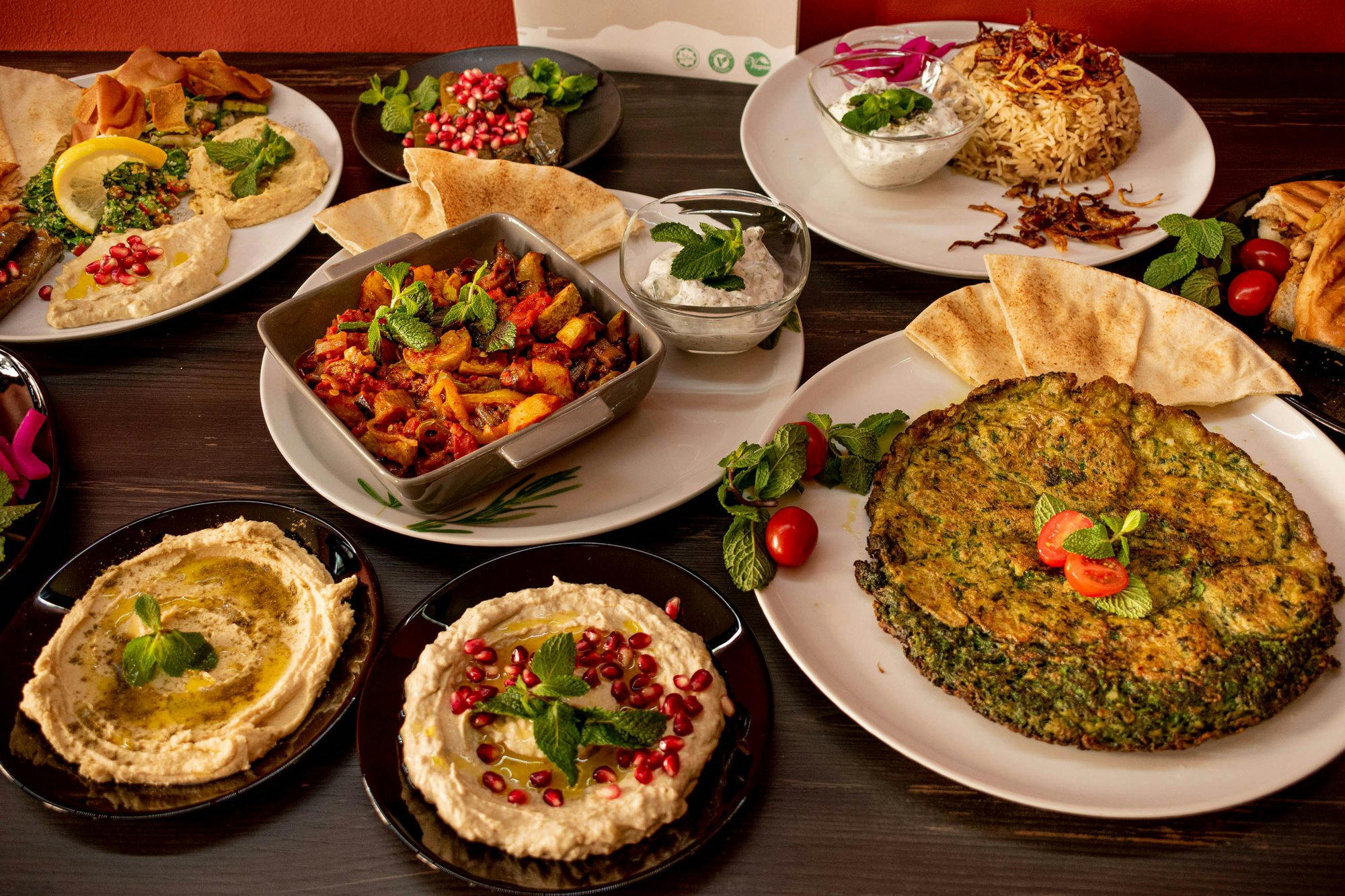
Schloßplatz and the Question of Middle Eastern Dining in Chemnitz
Shahba Rose Café & Restaurant - Chemnitz is an authentic Syrian restaurant at Schloßplatz 13 in Chemnitz. The address at Schloßplatz 13 places Shahba Rose Café & Restaurant in the civic heart of the city, a square anchored by the Old Town Hall and surrounded by the kind of foot traffic that sustains a neighbourhood café as much as a destination restaurant. That dual identity, café by day, restaurant by evening, is common across the Levantine dining tradition, where the boundary between a coffee house and a full-service kitchen has always been permeable.
The Schloßplatz location matters editorially because it tells you something about how Middle Eastern hospitality formats translate into German city centres. In Berlin or Hamburg, a Syrian or Lebanese restaurant would compete inside a dense cluster of regional peers. In Chemnitz, Shahba Rose operates with more breathing room but also more responsibility: it is likely carrying the expectations of a broader slice of the city's population who may have limited reference points for the cuisine beyond what a single address can offer. That is a different kind of pressure from the one faced by comparable venues in Bab Scharqi, another Middle Eastern-influenced address in the city, and it shapes what a kitchen at this address needs to do well.
Where Shahba Rose Sits in Chemnitz's International Dining Range
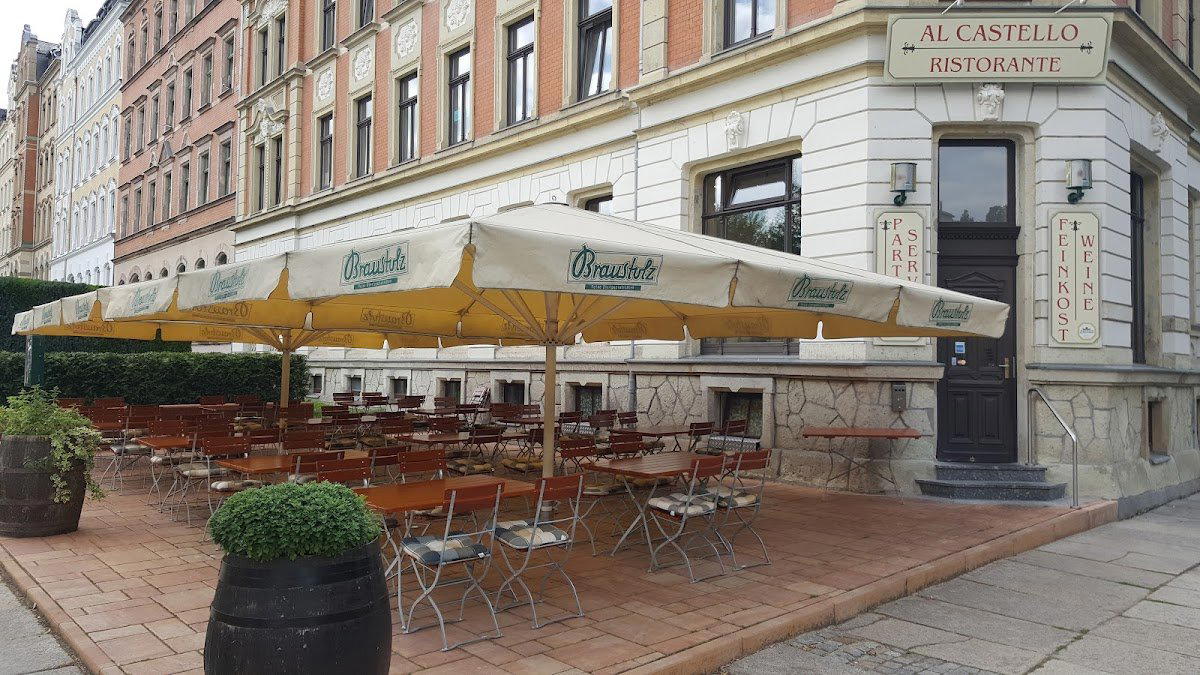
Chemnitz's restaurant scene has been broadening steadily, though it remains thinner on international options than comparably sized German cities. The venues that have established themselves tend to occupy clear positions: Al Castello holds the Italian ground, A&F; Restaurant Ocakbasi covers the Turkish grill register, and alexxanders pitches at the international brasserie format. Against that backdrop, a café-restaurant with a Middle Eastern or Syrian identity occupies a distinct lane. The name Shahba is a historical reference to the ancient Syrian city of Shahba, which signals that the kitchen's framing is cultural as much as commercial, a useful distinction from generic pan-Arabic menus that smooth over regional specificity.
For a sense of what Chemnitz's dining range looks like at a more traditional end of the spectrum, Gaststätte Hilbersdorfer Höhe provides a counterpoint: rooted regional German cooking against which a Middle Eastern address reads as a deliberate alternative. The full picture of how these venues relate to each other is mapped in our full Chemnitz restaurants guide.
The Team Dynamic Behind a Café-Restaurant Format
The café-restaurant hybrid is a format that places particular demands on front-of-house. A table that functions as a coffee stop at noon and a dinner destination by eight requires a team that can shift register without the awkwardness that often afflicts venues trying to serve two audiences. In the Levantine tradition, this is less a design compromise than a cultural inheritance: the ahwa, or coffee house, was always a space where hospitality ran on a long clock, and the transition from small plates and mint tea to a fuller evening spread was managed through pace and attention rather than a change of scenery.
What this means in practice for a venue at Shahba Rose's address is that the front-of-house rhythm needs to carry the editorial weight that a dedicated fine-dining room would distribute across a tasting menu format. In cities like Berlin or Hamburg, where Restaurant Haerlin and CODA Dessert Dining operate with highly choreographed service programs, the contrast with a neighbourhood café-restaurant format is pronounced. At Shahba Rose, the register is closer to the kind of informed hospitality that makes a regular out of a first-time visitor, guidance offered without formality, pacing set by the table rather than the kitchen.
Middle Eastern Cooking in the German Interior
Germany's relationship with Middle Eastern cooking has deepened considerably over the past decade, though most of the culinary development has concentrated in Berlin, Hamburg, and Frankfurt. In cities further from those hubs, the cuisine often arrives in a more accessible, less technically refined form, which is not necessarily a criticism. A café serving well-made flatbreads, braised meats, and properly seasoned mezze to a lunchtime crowd is performing a different but legitimate function from a restaurant chasing critical recognition. The question for any Middle Eastern address in a smaller German city is whether it is anchoring the cuisine's depth or simply its accessibility.
For reference on what the upper end of German restaurant culture looks like more broadly, venues such as Aqua in Wolfsburg, JAN in Munich, Schwarzwaldstube in Baiersbronn, and Vendôme in Bergisch Gladbach define what critical acclaim looks like in this country's dining culture. Shahba Rose operates at a different register entirely, but understanding where the ceiling sits helps calibrate expectations at every tier below it. Similarly, ES:SENZ in Grassau, Victor's Fine Dining by Christian Bau in Perl, Waldhotel Sonnora in Dreis, and Schanz in Piesport represent the kind of destination-driven, award-bearing formats that operate on a different set of criteria from a city-centre café. Internationally, Le Bernardin in New York City and Atomix in New York City illustrate how a tightly defined culinary identity, sustained over time, builds a reputation that crosses borders.
Planning a Visit: What to Know
Shahba Rose Café & Restaurant is located at Schloßplatz 13, 09113 Chemnitz, placing it within walking distance of the city centre's main transport connections and the pedestrian zones around the Old Town Hall. The café-restaurant format suggests that daytime visits are as viable as evening ones, and the Schloßplatz address means the surrounding area offers context before or after a meal.
Booking and Cost Snapshot
Comparable venues nearby, for context on price, style, and recognition.
| Venue | Cuisine | Price | Awards |
|---|---|---|---|
| Shahba Rose Café & Restaurant - ChemnitzThis venue — the venue you are viewing | Schloßchemnitz, Authentic Syrian | $$ | Not listed |
| Maharadscha Palast | Zentrum, Authentic Indian | $$ | Not listed |
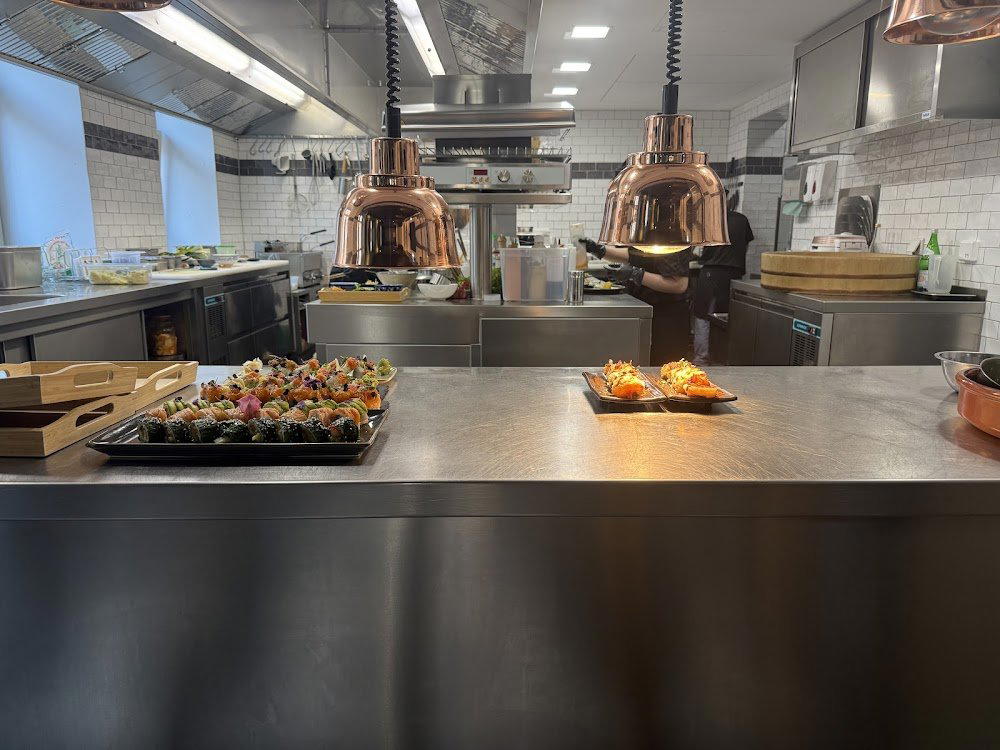
| Ông Côi 1935 | Zentrum, Modern Japanese Sushi Fusion | $$$ | Not listed |
| Bab Scharqi | Schloßchemnitz, Authentic Syrian | $$ | Not listed |
| alexxanders | Sonnenberg, International Mediterranean | $$ | Michelin Plate |
| Al Castello | Schloßchemnitz, Authentic Italian | $$$$ | Not listed |
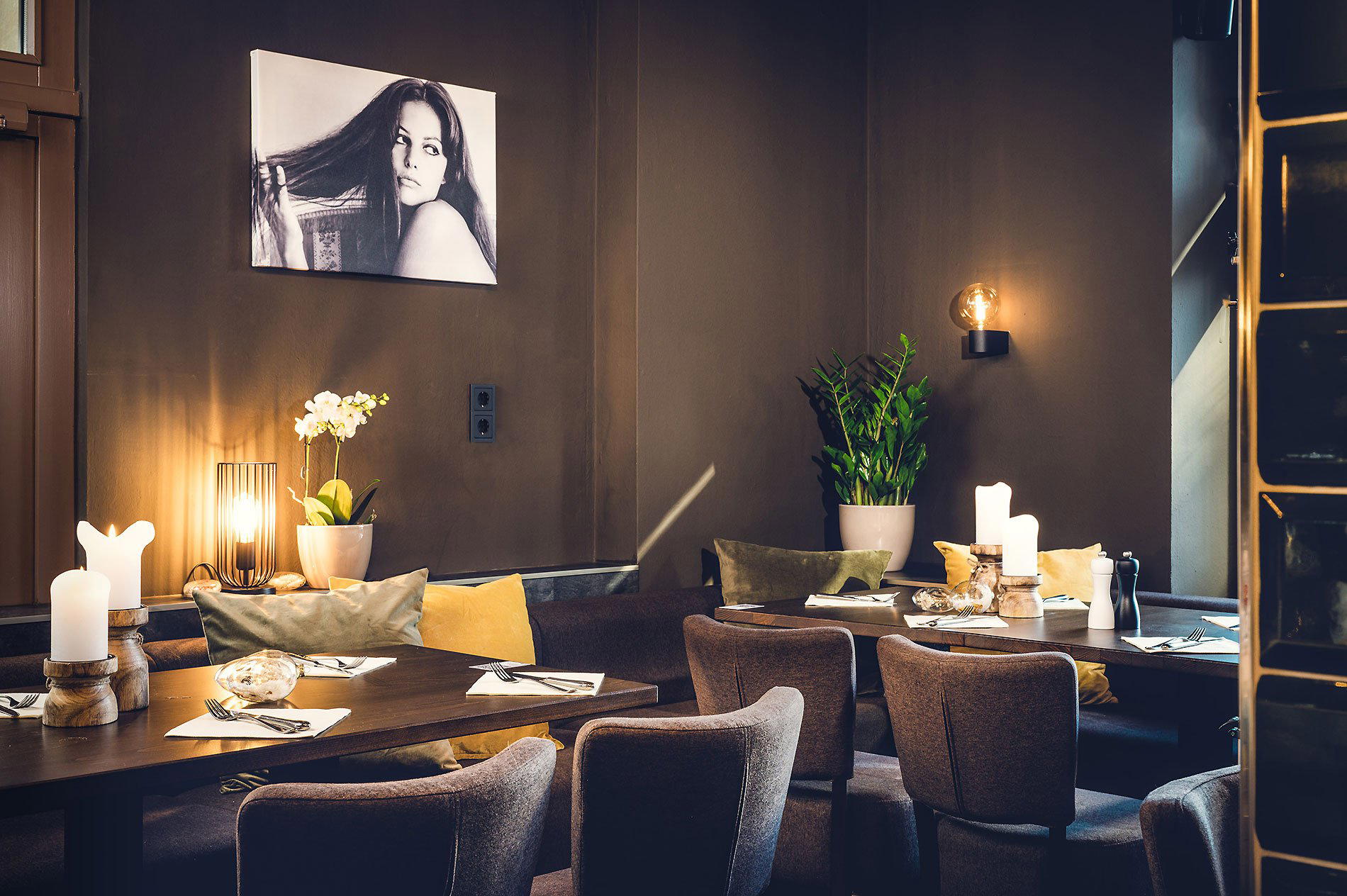
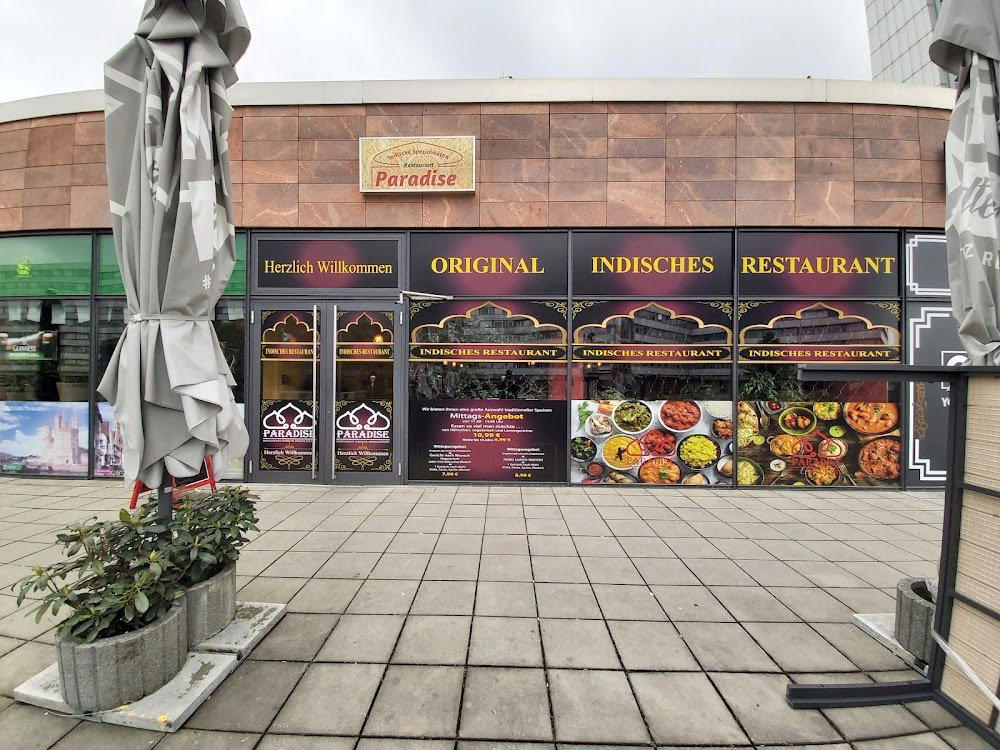
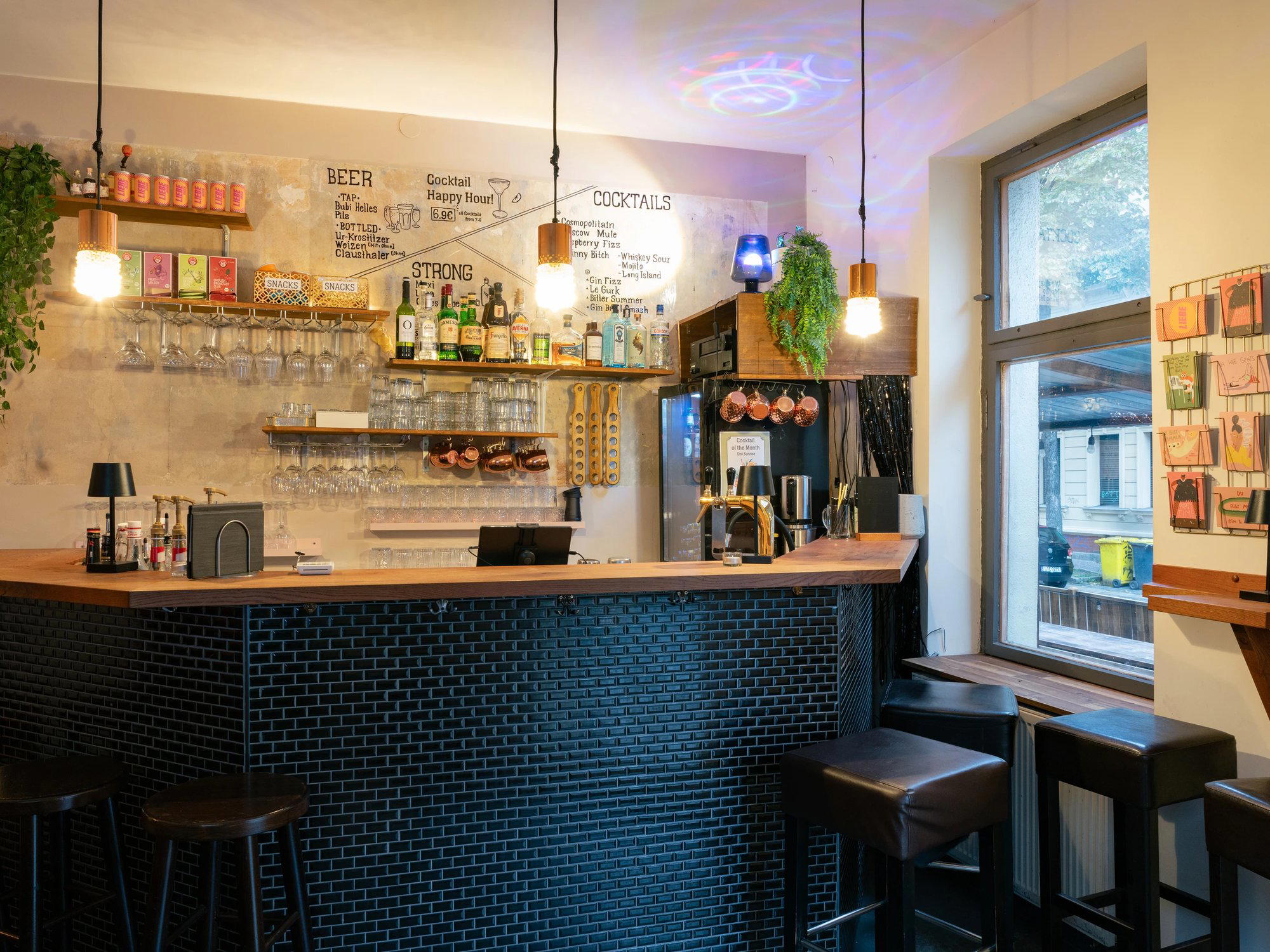
At a Glance
- Cozy
- Casual Hangout
- Family
- Street Scene
Current opening hours
- Monday
- Closed
- Tuesday
- 11:30 AM–2 PM, 5–10 PM
- Wednesday
- 11:30 AM–2 PM, 5–10 PM
- Thursday
- 11:30 AM–2 PM, 5–10 PM
- Friday
- 11:30 AM–2 PM, 5–10 PM
- Saturday
- 11:30 AM–2 PM, 5–10 PM
- Sunday
- 11:30 AM–2 PM, 5–10 PM
Hours can change for holidays and private events. Last verified .
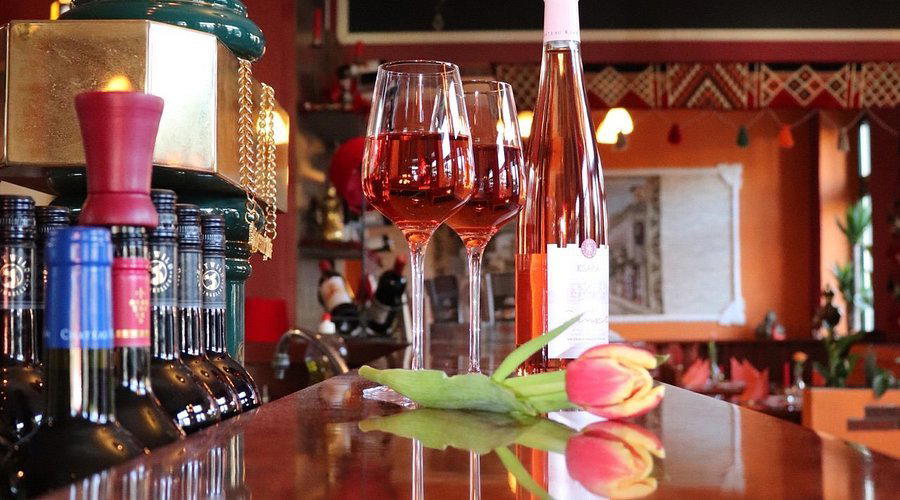
Cozy and welcoming atmosphere with attentive service.