Bab Scharqi brings Middle Eastern and eastern Mediterranean cooking to Lotharstraße 9 in Chemnitz, a city whose dining scene has grown steadily more international over the past decade. The name, Arabic for 'Eastern Gate', signals the culinary orientation clearly: this is a kitchen rooted in the traditions of the Arab world and its neighbours, sitting in a part of Saxony where that offer remains relatively rare.
Pearl is the En Primeur Club membership app — saves, bookings, and concierge access live there. Same editors, same standards.
- Address
- Lotharstraße 9, 09113 Chemnitz, Germany
- Phone
- +4937144460912
- Website
- bab-scharqi.de
- Directions
- Get directions
 Saves & bookings on Pearl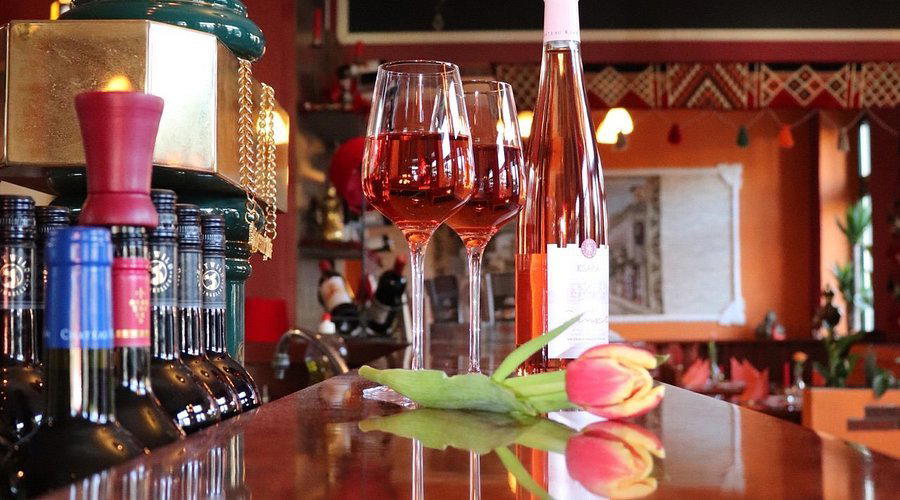
An Eastern Gate in Saxony
Bab Scharqi is a restaurant in Chemnitz, Germany, serving authentic Syrian cuisine at Lotharstraße 9. Middle Eastern cooking, in its many regional forms, is one of the cuisines that took root in that process. Bab Scharqi, at Lotharstraße 9 in the southern part of the city centre, sits within that tradition: its name translates from Arabic as 'Eastern Gate', a framing that positions the kitchen explicitly within the culinary geography of the Arab world and the broader eastern Mediterranean.
In cities with dense Middle Eastern restaurant populations, like Berlin or Hamburg, venues of this type compete inside a well-mapped hierarchy that runs from quick-service shawarma spots to more considered sit-down kitchens exploring regional distinctions between Levantine, Egyptian, Iraqi, or Gulf cooking. Chemnitz operates on a different scale. The city's international dining offer is thinner, which means a kitchen focused on this part of the world carries greater weight as a category reference point. That context is worth holding when assessing what Bab Scharqi represents locally.
What the Cuisine Tradition Brings to the Table
Middle Eastern cooking is one of the world's older continuous culinary traditions, built around grain, legume, and vegetable cookery long before protein-centred European models came to dominate fine dining conversation. Dishes like hummus, ful medames, and mujaddara predate most European restaurant formats by centuries. The spice architecture, heavy on cumin, coriander, allspice, and sumac, reflects trade route history as much as geography: these flavours travelled the same corridors as silk and incense, leaving their marks across a region stretching from the Levant through the Gulf and into North Africa.
Mezze culture, the practice of building a meal from many small shared plates rather than a single protein-forward main, is among the more socially coherent dining formats in the world. It rewards table size, patience, and a willingness to eat slowly across multiple courses of dips, flatbreads, salads, and small hot dishes. In a European city context, that format often sits awkwardly against a restaurant industry built around fast table turns, but where it is executed with discipline it offers a fundamentally different relationship with time at the table. For a Chemnitz diner accustomed to the brisk pace of German restaurant conventions, a properly structured mezze progression represents a genuine change of register.
Grilled meat, another pillar of the tradition, takes specific forms across the region: Lebanese kafta, Syrian shish taouk, Gulf-style grills seasoned with baharat blends, Egyptian kofta. Each variant reflects local agricultural conditions and spice access. A kitchen identifying with this tradition has a large and specific repertoire to draw on, and the choices it makes within that repertoire reveal where its culinary allegiances sit. For Chemnitz diners exploring the eastern Mediterranean through the restaurant, that specificity matters more than generic 'Middle Eastern' branding.
Chemnitz Dining Context
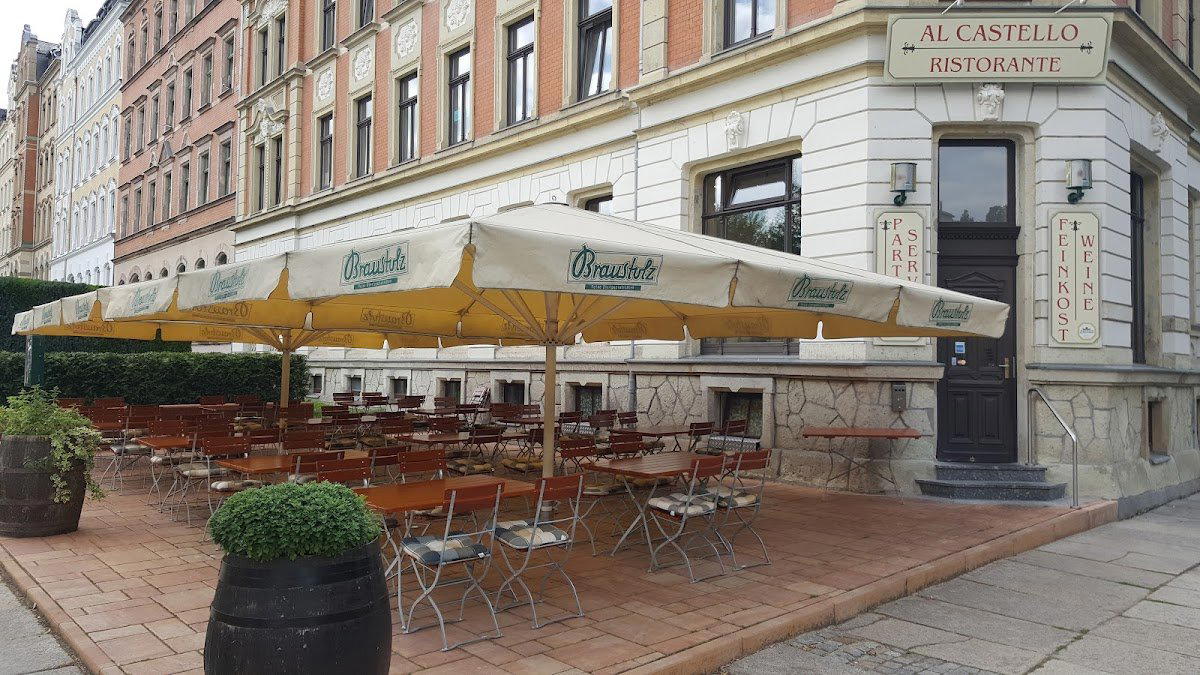
The city's restaurant scene spans a range of formats and price points. For international cooking, venues like alexxanders (International) and Al Castello represent the more established mid-market tier. For those after Turkish-rooted grilling traditions with some overlap into the same broader regional sphere, A&F; Restaurant Ocakbasi is the relevant comparison. Saxon cooking, still the backbone of the city's dining identity, runs through institutions like Gaststätte Hilbersdorfer Höhe, while KostBar - Chemnitz represents the city's more casual contemporary end. Within that spread, Arab and eastern Mediterranean cooking occupies a distinct and relatively underserved position.
Germany's Michelin-decorated restaurants are concentrated in specific cities and rural retreats. Three-star properties like Schwarzwaldstube in Baiersbronn, Aqua in Wolfsburg, and Vendôme in Bergisch Gladbach define one end of the German dining spectrum, while more conceptually adventurous kitchens like CODA Dessert Dining in Berlin and JAN in Munich push at category boundaries. Chemnitz sits outside those elite circuits, which means its restaurants, including the restaurant, serve a local dining public rather than a destination-travel audience. That is a different operating reality, one that rewards consistency and neighbourhood trust over spectacle.
Beyond Saxony, Germany's broader decorated dining roster includes Victor's Fine Dining by christian bau in Perl, ES:SENZ in Grassau, Schanz in Piesport, Waldhotel Sonnora in Dreis, and Restaurant Haerlin in Hamburg. Internationally, the conversation about restaurants grounded in specific culinary traditions runs through venues like Le Bernardin in New York City and Lazy Bear in San Francisco, each of which demonstrates how deep cultural and technical commitment to a cooking tradition creates its own form of credibility. The principle applies at every price point and city scale.
Planning Your Visit
The restaurant is located at Lotharstraße 9, 09113 Chemnitz, in a residential and mixed-use zone south of the city centre, reachable by tram from the main station. As a smaller independent restaurant serving a cuisine tradition that draws dedicated regulars, evenings and weekends are likely to be the higher-demand periods. Arriving with a group, in keeping with mezze's social logic, is the more appropriate way to engage with this style of cooking.
Pricing, Compared
Comparable venues nearby, for context on price, style, and recognition.
| Venue | Cuisine | Price |
|---|---|---|
| Bab ScharqiThis venue — the venue you are viewing | Schloßchemnitz, Authentic Syrian | $$ |
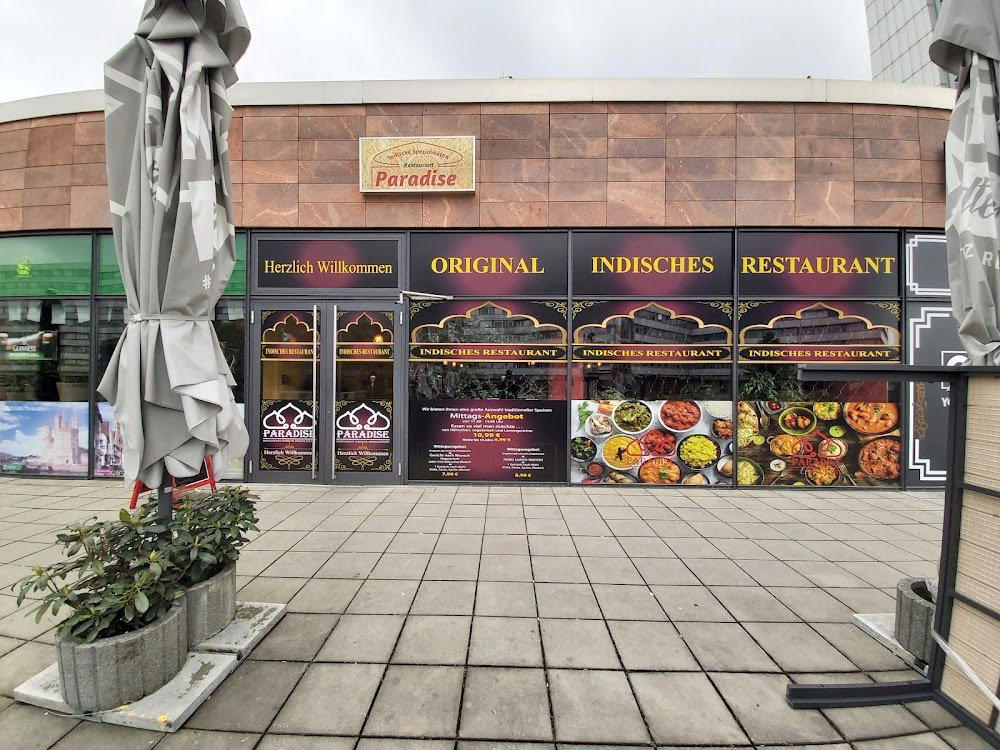
| Restaurant Paradise | Zentrum, Indian | $$ |
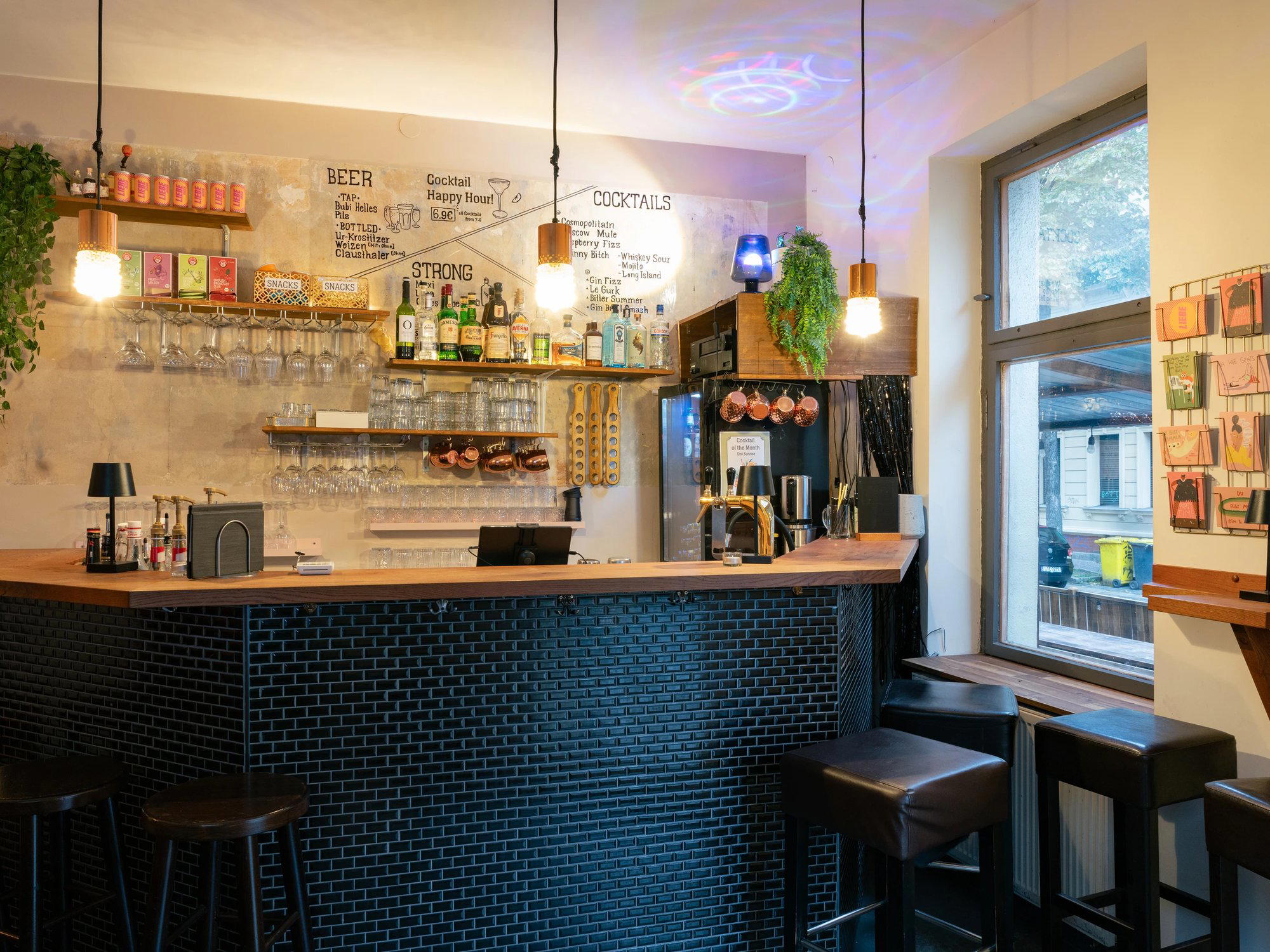
| KostBar - Chemnitz | Zentrum, Modern German | $$ |
| Shahba Rose Café & Restaurant - Chemnitz | Schloßchemnitz, Authentic Syrian | $$ |
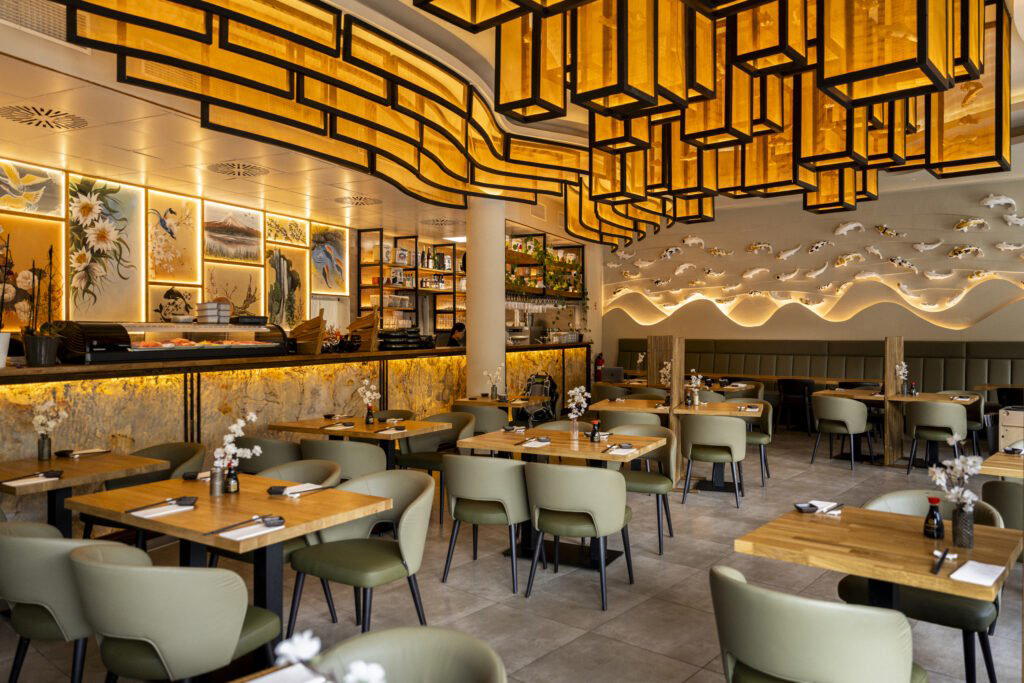
| Ông Côi 1935 | Zentrum, Modern Japanese Sushi Fusion | $$$ |
| Gaststätte Hilbersdorfer Höhe | Dining | Not listed |
At a Glance
- Cozy
- Casual Hangout
Current opening hours
- Monday
- 5:30–10 PM
- Tuesday
- Closed
- Wednesday
- 5:30–10 PM
- Thursday
- 5:30–10 PM
- Friday
- 11 AM–2:30 PM, 5:30–11 PM
- Saturday
- 11 AM–2:30 PM, 5:30–11 PM
- Sunday
- 11 AM–2:30 PM, 5:30–11 PM
Hours can change for holidays and private events. Last verified .
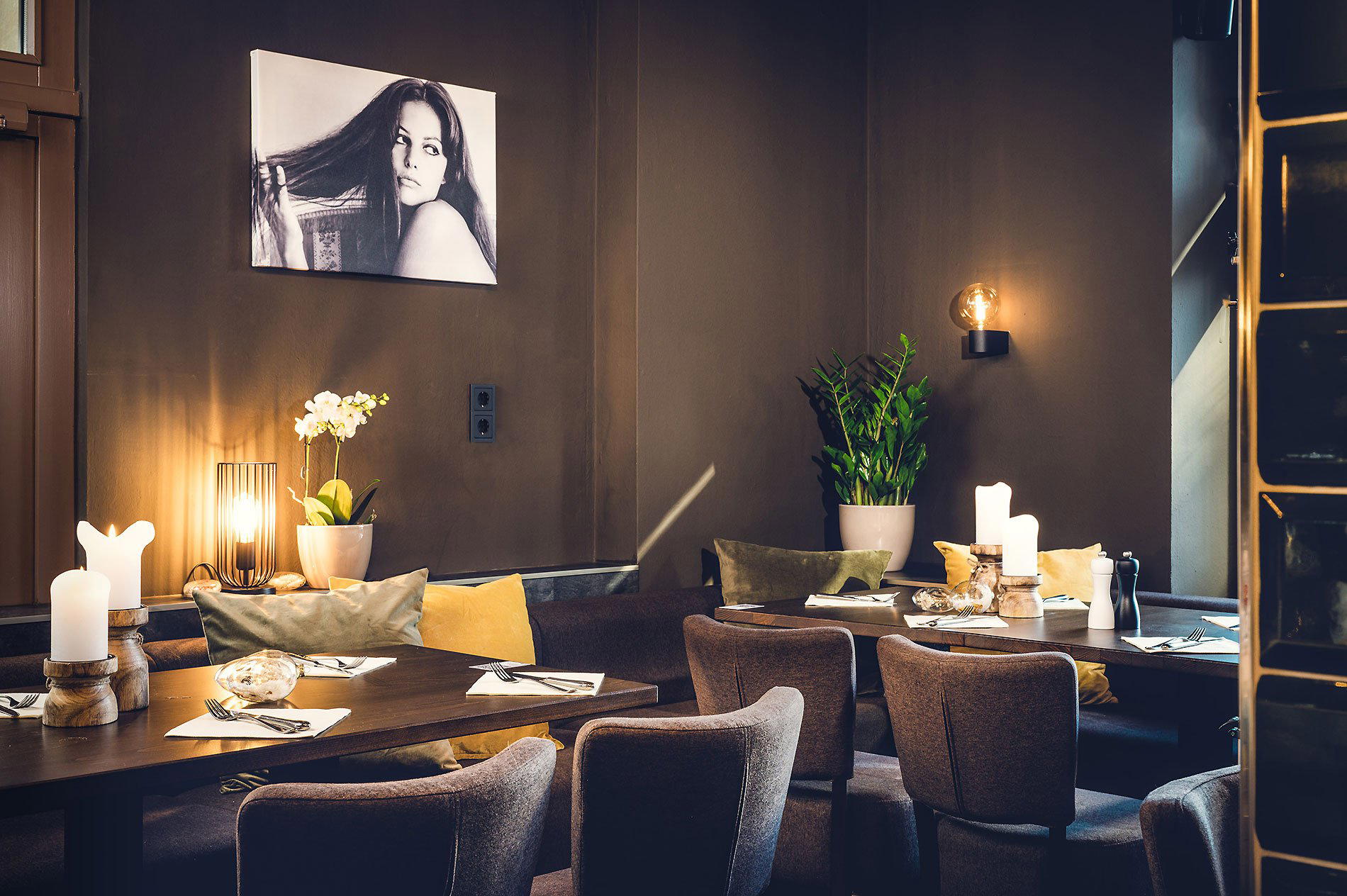
Warm lighting, Syrian decor elements, and cozy seating areas create an inviting oriental atmosphere.