Our verdict
Al Castello occupies one of Chemnitz's most historically charged addresses, Schloßplatz 1, placing it within the orbit of the city's cultural and civic core. The Italian-inflected name and central setting suggest a kitchen with ambitions beyond the regional norm, positioning it as a reference point within a Chemnitz dining scene that is quietly expanding its range.

Pearl is the En Primeur Club membership app — saves, bookings, and concierge access live there. Same editors, same standards.
- Address
- Schloßpl. 1, 09113 Chemnitz, Germany
- Phone
- +493713362129
- Hours
- Mon–Thu 5–10 PMFri 11:30 AM–2:30 PM, 5–10 PMSat–Sun Closed
- Website
- al-castello-chemnitz.de
- Directions
- Get directions
- Booking
- Book on the venue's website
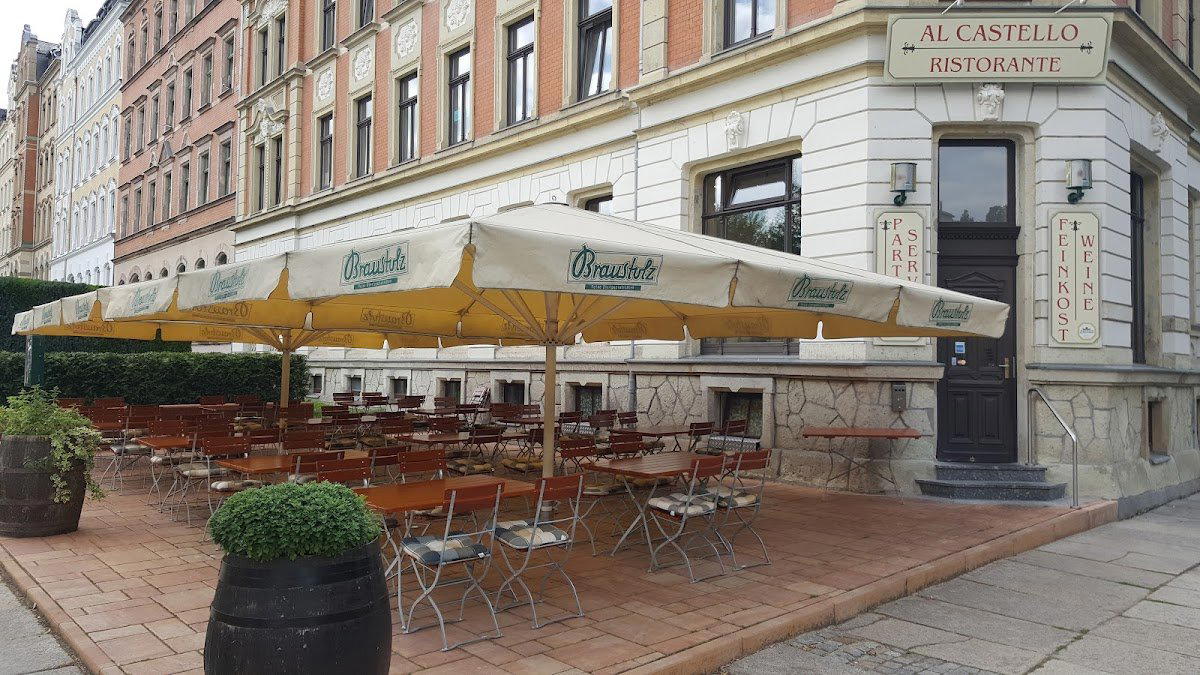
Dining at the Square: What Al Castello's Address Tells You
There is a particular logic to restaurants that take up residence on civic squares. The address carries its own weight before a guest even opens the door. Al Castello sits at Schloßplatz 1, the address that anchors Chemnitz's central square, a space that has been reshaped repeatedly across the city's industrial, divided, and reunified history. Arriving here, you are not in a side-street neighbourhood spot or a converted warehouse on the periphery. You are at the centre of a city that has spent the better part of three decades reconsidering what it wants to be — and a restaurant at that address participates in that conversation whether it intends to or not.
Chemnitz's dining scene reflects the city's trajectory. After reunification, the city rebuilt its economy around engineering and manufacturing, and its restaurants followed suit: solid, practical, without particular pretension. That profile has been shifting. The city's selection as European Capital of Culture 2025 has accelerated investment in cultural infrastructure, and the dining sector is moving alongside it. Venues across the centre are recalibrating — some toward regional German cooking, others toward international formats. Al Castello, with its Italian-register name and central position, sits in that recalibrating tier.
The Sourcing Question in a City Without a Clear Culinary Territory
Chemnitz does not have the food-identity gravity of Munich, Hamburg, or even Leipzig. That absence cuts both ways. Without a dominant local cuisine to conform to, kitchens here have more room to define their own sourcing logic. The question worth asking of any restaurant in this position is where the ingredients come from, and what that choice signals about the kitchen's ambitions.
The Italian register that Al Castello's name implies carries specific sourcing expectations. Italian-influenced kitchens in Germany generally operate along a spectrum: at one end, kitchens that import heavily from Italian producers, working with DOP-certified olive oils, aged parmigiano reggiano, and regional charcuterie sourced directly from Italian suppliers; at the other, kitchens that use the Italian template as a flavour frame while drawing on German and central European producers for the actual ingredients. Neither approach is inherently superior. The former prioritises fidelity to source tradition; the latter can produce a more grounded, regionally rooted result. Saxony offers credible produce, particularly from the Erzgebirge foothills and the agricultural zones west of the city, and kitchens that connect Italian technique to Saxon ingredients tend to occupy a more interesting editorial position than those simply replicating imported formats.
For context on how German kitchens at higher price points handle this tension, the evidence is instructive. At venues like Schwarzwaldstube in Baiersbronn or Waldhotel Sonnora in Dreis, sourcing discipline is inseparable from the kitchen's identity. At Aqua in Wolfsburg and Vendôme in Bergisch Gladbach, the relationship between local provenance and international technique has been worked out over years of editorial refinement. These are the benchmarks against which ingredient-led kitchens in mid-sized German cities are eventually measured, even if the comparison is several price tiers removed.
Chemnitz's Competitive Set: Where Al Castello Sits
Within the city, the reference points are more immediate. alexxanders operates in the international category at the €€ tier, offering a point of comparison for format and price positioning. KostBar - Chemnitz represents another local reference, while Bab Scharqi and A&F; Restaurant Ocakbasi occupy the city's international and grilled-meat segments. Further out, Gaststätte Hilbersdorfer Höhe anchors the traditional German end of the market. Al Castello, in this context, occupies the Italian-inflected position on a relatively short list of distinct dining options in the city centre.
That position is not crowded. Italian restaurants in mid-sized German cities often face a credibility gap: the category is well-established enough to carry consumer recognition, but common enough to attract low-commitment operators. The address at Schloßplatz suggests Al Castello is not operating at the low-commitment end of that spectrum. Central addresses in European cities carry higher rents, greater visibility, and the expectation of a certain consistency. A kitchen that could not sustain those pressures would not hold that position for long.
The Broader German Fine-Dining Frame
Germany's fine-dining tier is more geographically distributed than France's or the UK's, with serious kitchens operating well outside the major urban centres. JAN in Munich, Restaurant Haerlin in Hamburg, and CODA Dessert Dining in Berlin represent different points on the country's fine-dining map, as do Victor's Fine Dining by christian bau in Perl, ES:SENZ in Grassau, and Schanz in Piesport. Saxony has historically been underrepresented in that national conversation, which makes venues in Chemnitz, Dresden, and Leipzig that operate above the baseline more visible than they might be in a more densely populated culinary market. For international visitors, that relative scarcity means restaurants that deliver on their premise carry disproportionate weight in the overall trip experience. For a sense of what the international end of the price and ambition range looks like, Le Bernardin in New York City and Lazy Bear in San Francisco illustrate how sourcing and format transparency function as trust signals at the highest level.
Planning Your Visit
Al Castello is located at Schloßplatz 1, the central square of Chemnitz, walkable from the main train station and the city's principal hotel cluster. Schloßplatz connects to the city's cultural core, with the Kunstsammlungen Chemnitz and the Städtische Museen within the same pedestrian radius. The Chemnitz dining scene is in a period of development tied to the 2025 European Capital of Culture calendar, meaning availability and format at central venues may shift across the year. For a broader map of where Al Castello sits within the city's dining options, the full Chemnitz restaurants guide provides additional context across price tiers and cuisine categories.
Frequently asked questions
Where do I go for Al Castello?
Al Castello is located at Schloßpl. 1, 09113 Chemnitz, Germany, Chemnitz.
Is Al Castello in Chemnitz a good option for visitors arriving by train?
Al Castello sits at Schloßplatz 1, the central square of Chemnitz, which is walkable from the city's main railway station (Chemnitz Hauptbahnhof). That proximity makes it one of the more conveniently located dining addresses in the city for rail travellers. No awards or Michelin recognition are currently documented for the venue, so it reads as a neighbourhood-accessible option rather than a destination restaurant requiring advance planning.
What should I eat at Al Castello?
Given the Schloßplatz address in Chemnitz, a city without a dominant local cuisine identity, restaurants in this position tend to anchor on regional German produce or European bistro formats. check the venue's official channels or check their current menu on arrival for accurate dish information.
What's the best way to book Al Castello?
No phone number or website is currently documented for Al Castello at Schloßplatz 1, Chemnitz. Your most reliable options are walking in or searching for the venue by name through German reservation platforms such as OpenTable or TheFork, which cover Chemnitz's dining scene.
What's Al Castello best at?
Civic-square positioning in German cities of this scale typically signals an accessible, all-day or evening dining format rather than a highly specialised tasting-menu kitchen.
Comparison Snapshot
| Venue | Cuisine | Price | Awards | Notes |
|---|---|---|---|---|
| Al CastelloThis venue — the venue you are viewing | Authentic Italian | Not listed | Not listed | Not listed |
| alexxanders | International Mediterranean | $30–50 | Michelin Plate | International |
| Bab Scharqi | Authentic Syrian | Not listed | Not listed | Not listed |
| Gaststätte Hilbersdorfer Höhe | Traditional German Gaststätte | Not listed | Not listed | Not listed |
| KostBar - Chemnitz | Modern German | $20–30 | Not listed | Not listed |
| Maharadscha Palast | Authentic Indian | $20–30 | Not listed | Not listed |
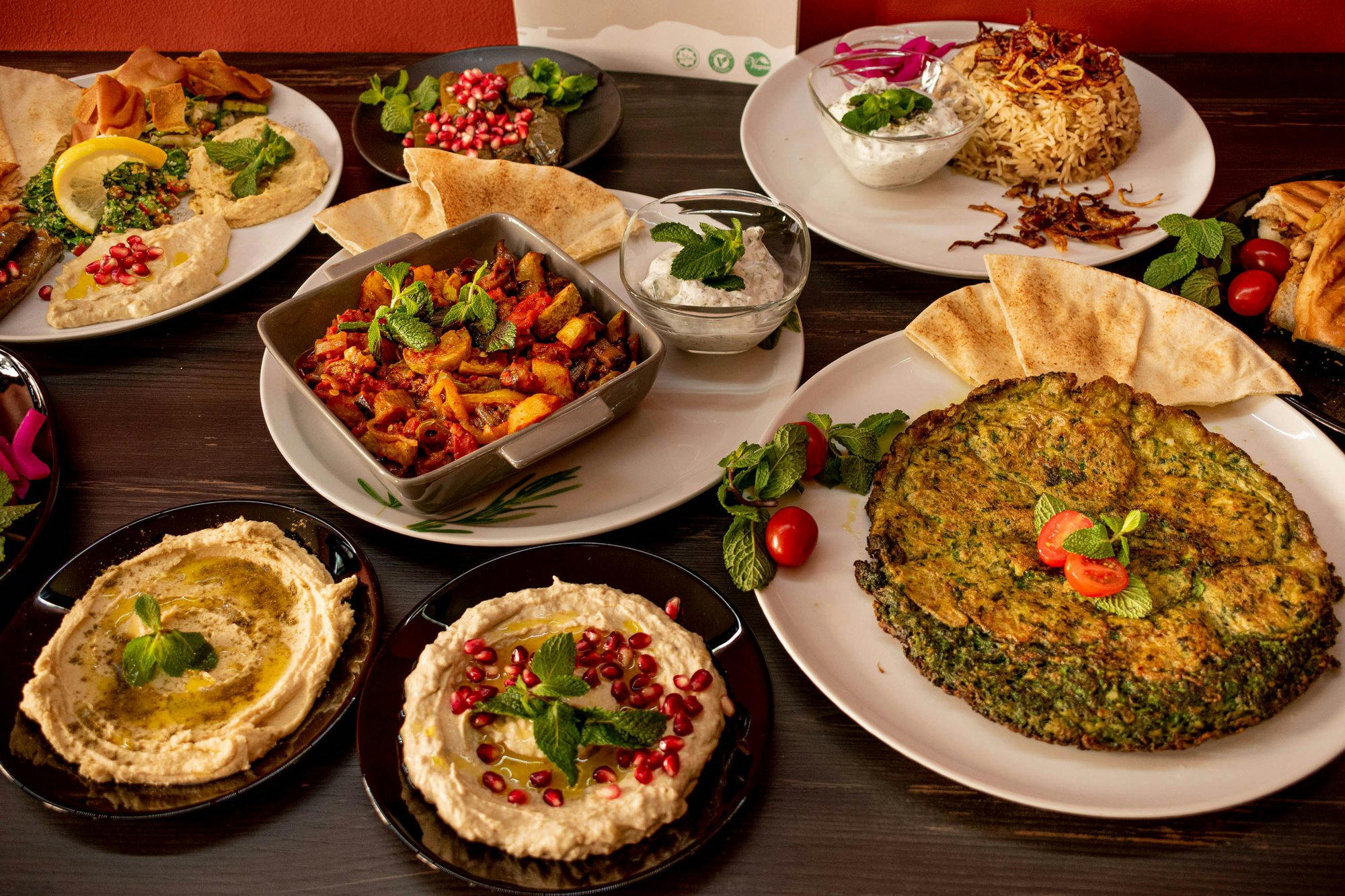
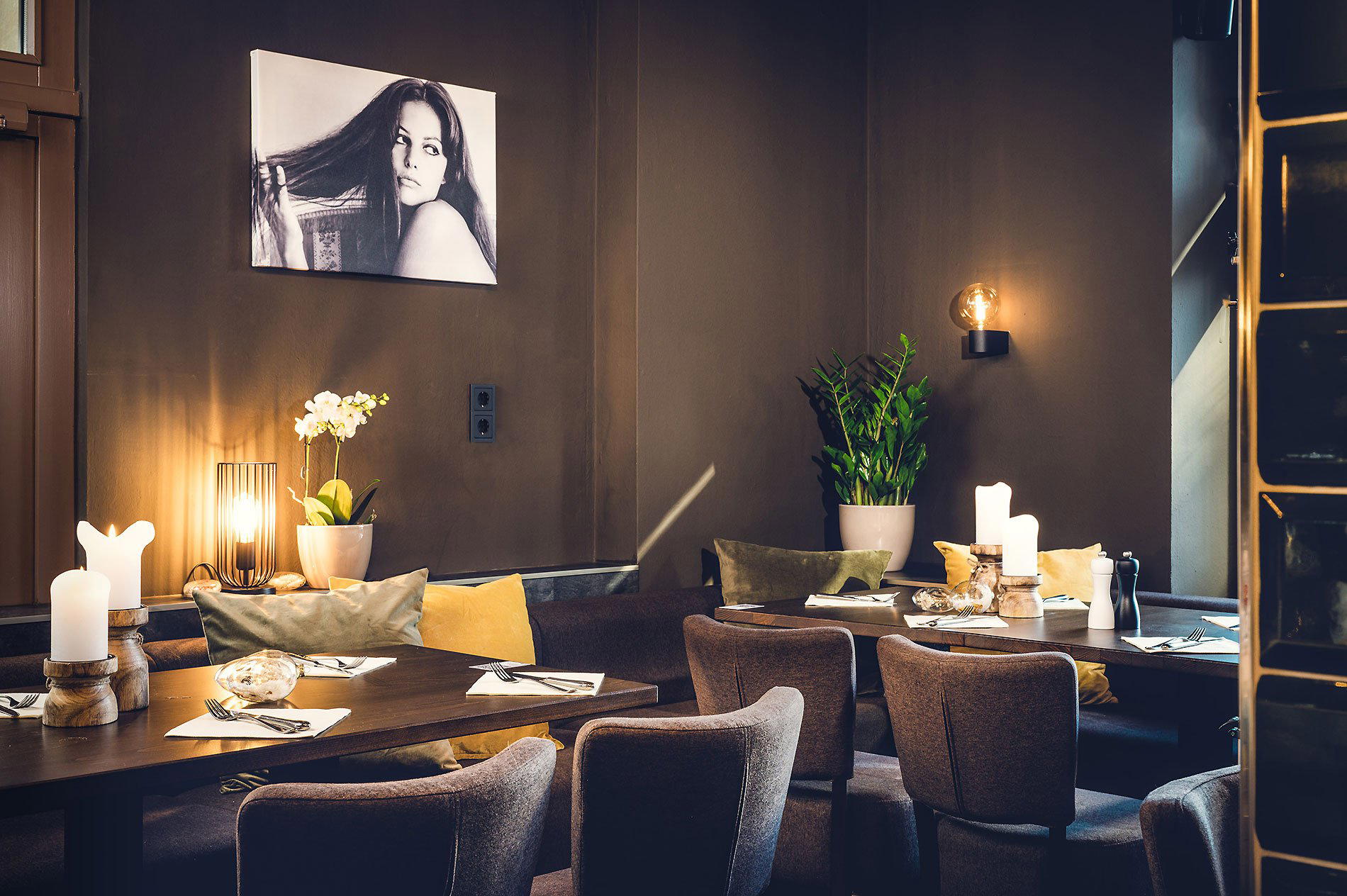
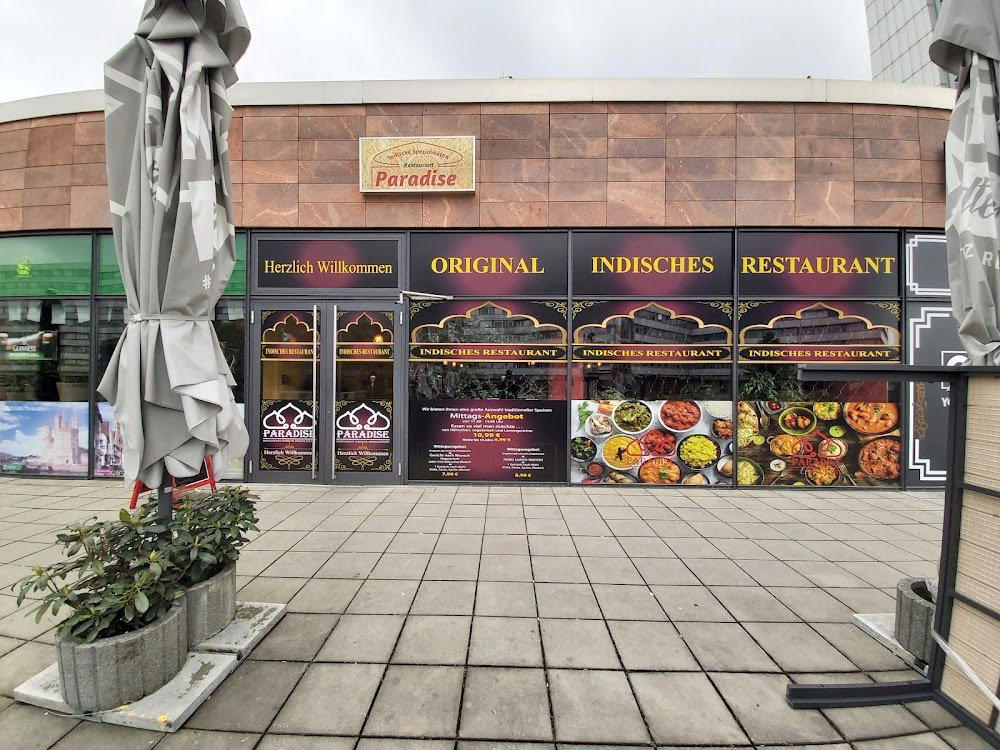
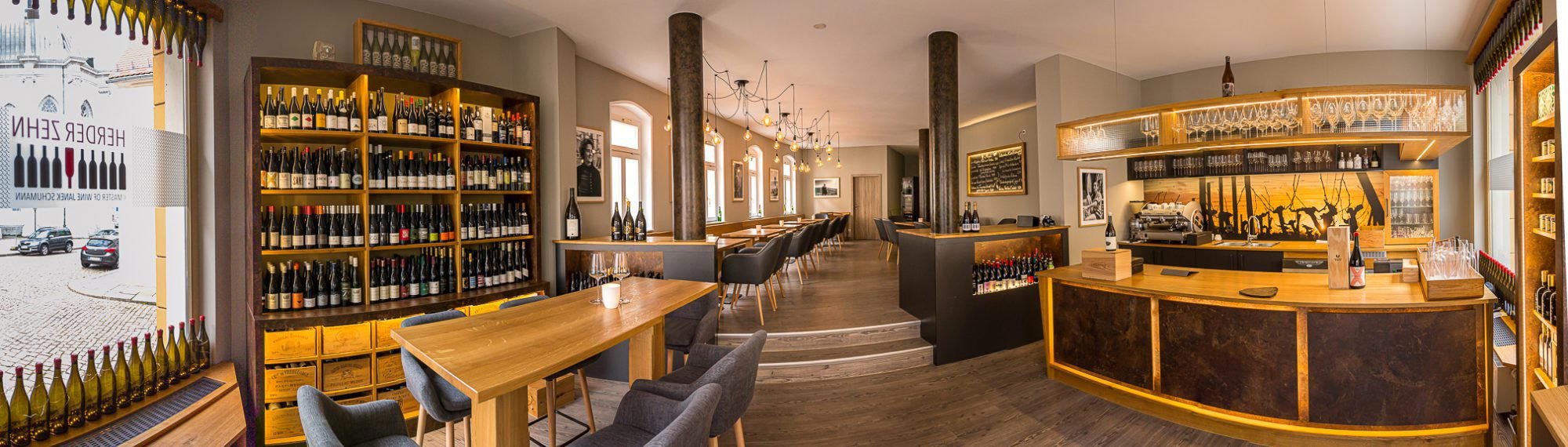
Al Castello
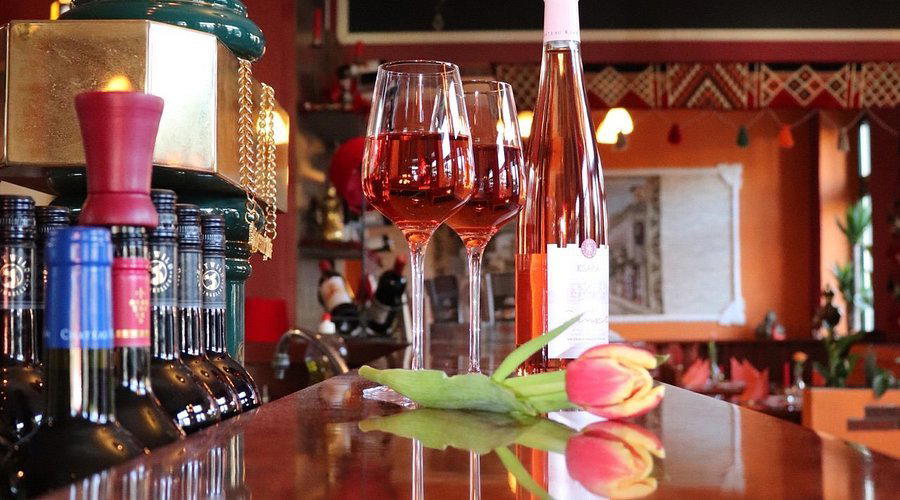
The wine
- Wine program
- Curated wine list
- Extensive wine list
Details
- Romantic
- Cozy
- Elegant
- Date Night
- Business Dinner
- Garden
- Extensive Wine List
- A La Carte
- Vegetarian Friendly
Current opening hours
- Monday
- 5–10 PM
- Tuesday
- 5–10 PM
- Wednesday
- 5–10 PM
- Thursday
- 5–10 PM
- Friday
- 11:30 AM–2:30 PM, 5–10 PM
- Saturday
- Closed
- Sunday
- Closed
Hours can change for holidays and private events. Last verified .
Charming and friendly atmosphere with nice garden seating in summer.