
Michelin Plate
Our verdict
Alexxanders holds a Michelin Plate for both 2024 and 2025, placing it among the more consistent dining addresses in Chemnitz's modest but developing restaurant scene. The international menu sits at a mid-range price point, making sustained Michelin recognition here more notable than it might appear in a larger German city.8 across 738 reviews confirms the local following is genuine.

Pearl is the En Primeur Club membership app — saves, bookings, and concierge access live there. Same editors, same standards.
- Address
- Ludwig-Kirsch-Straße 9, 09130 Chemnitz, Germany
- Phone
- +49 371 4311111
- Website
- alexxanders.de
- Directions
- Get directions
- Booking
- Book on TheFork
Chemnitz at the Table: What Sustained Michelin Recognition Means in a Mid-Sized German City
Germany's Michelin geography is predictable in its broad strokes: the three-star tier clusters around established dining destinations such as Wolfsburg, where Aqua in Wolfsburg operates at the country's highest level, or the Black Forest, where Schwarzwaldstube in Baiersbronn has held three stars across decades of classic French cooking. Further down the award ladder, the Plate designation functions differently. In a city like Hamburg or Berlin, a Michelin Plate marks a competent but unremarkable address in a deep field. In Chemnitz, a city of around 240,000 people in Saxony with a dining scene that has historically lacked the critical mass to support ambitious restaurant culture, holding that designation consecutively in 2024 and 2025 represents something more pointed: a signal that the kitchen is operating to a consistent technical standard in an environment where that is not a given.
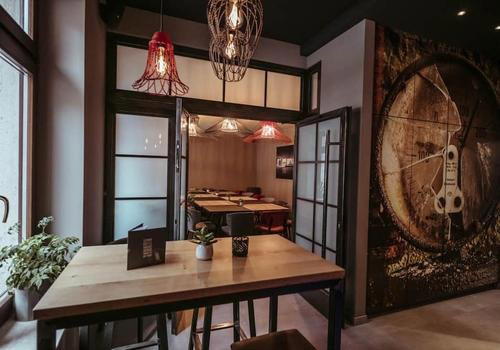
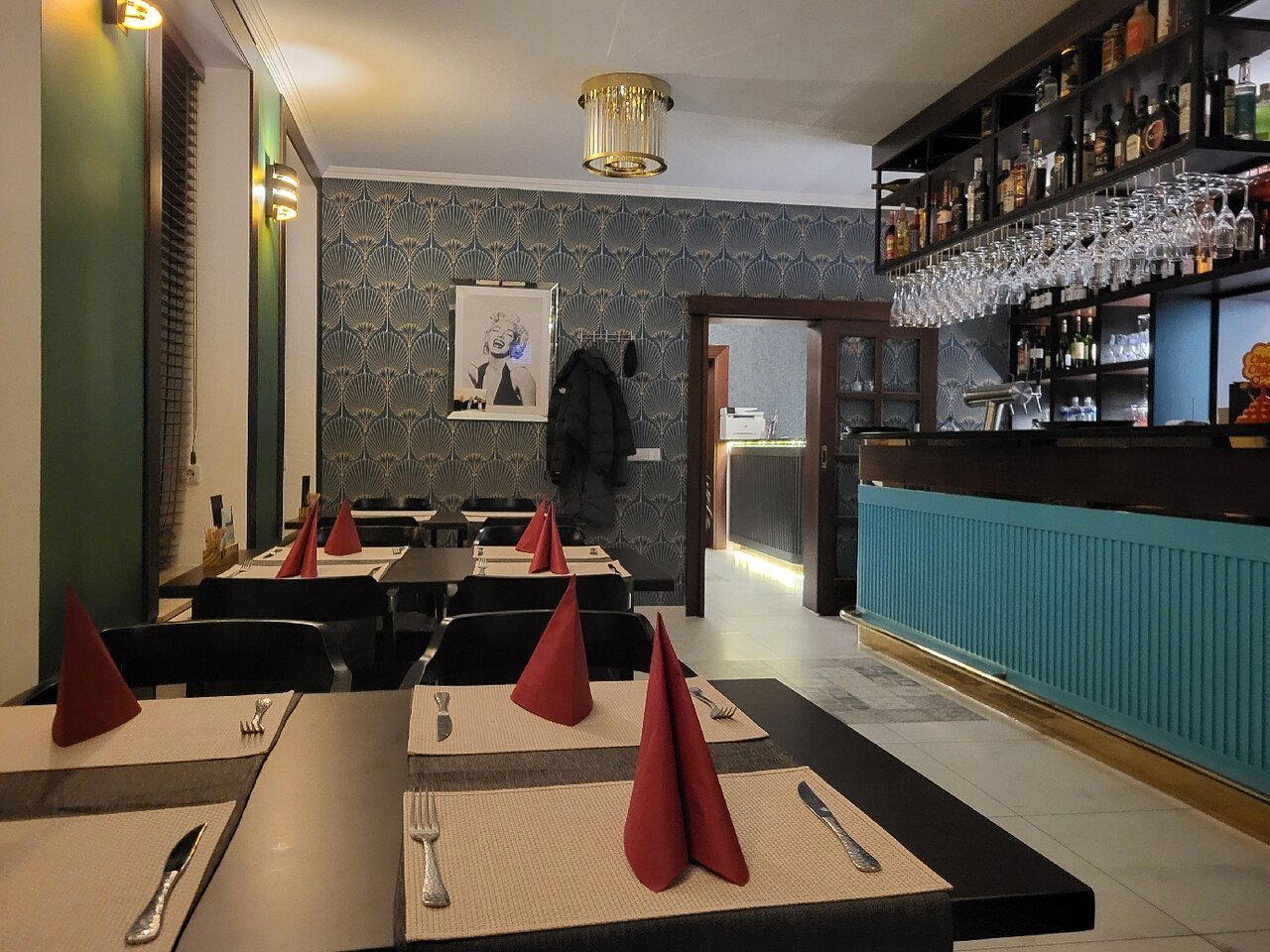
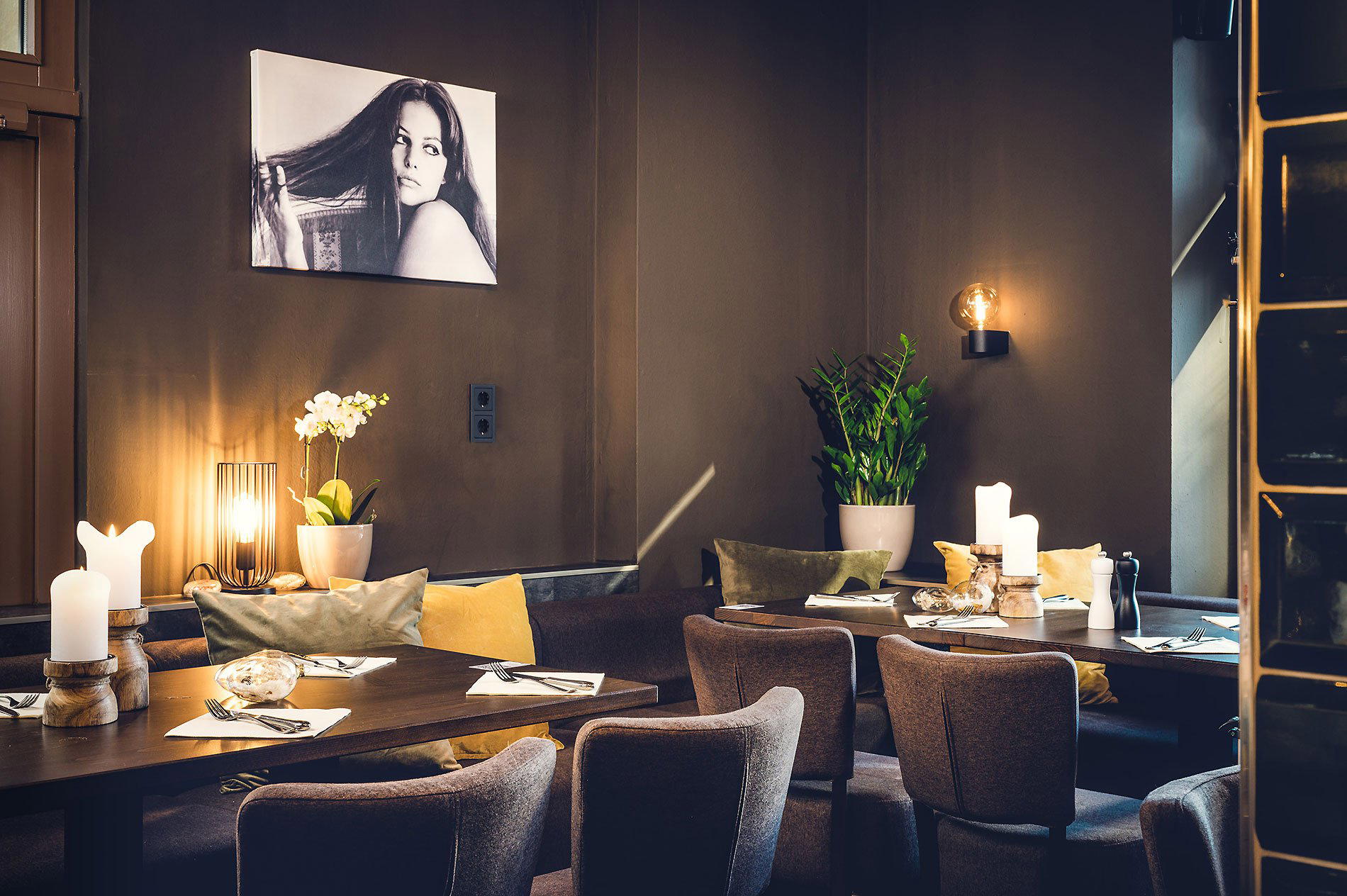
Alexxanders sits on Ludwig-Kirsch-Straße 9 in Chemnitz's eastern districts, away from the pedestrian-zone tourism infrastructure that shapes how many visitors read the city. The neighbourhood approach, quieter and more residential in character than central Chemnitz, sets an expectation before you arrive: this is not a room built around spectacle or foot traffic. What greets guests is a setting that reads as deliberately composed rather than incidentally pleasant — the kind of interior that suggests the kitchen takes itself seriously without performing seriousness.
International Cooking in a Regional German Context
The classification of alexxanders as an international kitchen is, in the German mid-range dining context, worth unpacking. At the €€ price point, international menus often mean something diffuse: a broad sweep of influences without a controlling logic. What distinguishes the addresses that earn and retain Michelin Plate recognition within that category is whether the sourcing and execution give the menu a coherent identity despite its range. The guide's interest in alexxanders across two consecutive years suggests the kitchen has found that coherence — or at least maintained the standard of execution that the Plate signals, which centres on cooking quality rather than conceptual originality.
For context, the restaurants in Germany's international category that have climbed further up the Michelin ladder, Loumi in Berlin being a recent example worth tracking, tend to anchor their menus around a sourcing narrative that gives the international influences a local or regional tether. That approach, where the food's geography of origin matters as much as its cuisine type, has become the dominant logic in ambitious European cooking across the last decade. At the price point alexxanders occupies, that full narrative may not be explicit on every plate, but the kitchen's ability to sustain recognition suggests it is making considered choices about ingredients rather than defaulting to availability.
Where Alexxanders Sits in Chemnitz's Dining Map
Chemnitz's restaurant scene has been developing in the years since the city began drawing renewed attention as part of Saxony's broader economic and cultural reinvestment. That context matters for understanding what any Michelin-recognised address here represents. The city does not have the density of recognised restaurants that would allow for direct peer comparison within its own limits. Restaurant Villa Esche is the other notable Chemnitz address worth cross-referencing when mapping the city's upper dining tier. Between them, they define a bracket that is small by the standards of any German metropolitan centre but meaningful given Chemnitz's size and culinary history.
It reflects a volume of engagement that suggests alexxanders has built a local audience who return with enough regularity to produce that volume of data. In a city where ambitious dining can struggle to establish a loyal base, that signal matters independently of any guidebook credential.
For visitors planning a broader dining trip through Germany, alexxanders belongs to a different competitive conversation than the multi-star addresses in larger cities. It does not belong in the same discussion as Vendôme in Bergisch Gladbach, CODA Dessert Dining in Berlin, or JAN in Munich. What it represents is a different kind of editorial interest: a kitchen operating at a recognised standard in a city where that is rarer and, for that reason, more worth noting. The same logic applies to addresses like Haubentaucher in Rottach-Egern, where the regional context shapes how recognition reads.
Planning a Visit
Alexxanders operates at a €€ price point, which places it in accessible territory for most travellers looking for a reliable dinner rather than a special-occasion commitment. The address on Ludwig-Kirsch-Straße 9 is reachable from Chemnitz's central areas without difficulty. The dress code and format remain informal enough that the €€ positioning should be taken as a reliable guide to expectations.
For anyone building a broader itinerary around Chemnitz, the city's full dining, drinking, and hospitality picture extends well beyond this single address. Our full Chemnitz restaurants guide covers the range. If you are staying in the city, our Chemnitz hotels guide maps the accommodation options. For evenings that extend beyond the table, our Chemnitz bars guide covers the drinking side of the city, while our Chemnitz wineries guide and our Chemnitz experiences guide round out the broader picture. For those tracing Germany's wider fine-dining geography, Schanz in Piesport, Restaurant Haerlin in Hamburg, Victor's Fine Dining by Christian Bau in Perl, Waldhotel Sonnora in Dreis, and ES:SENZ in Grassau all represent the higher tiers of the country's regional dining picture.
What Do Regulars Order at Alexxanders?
What the Michelin Plate designation does indicate, across both 2024 and 2025, is that the cooking quality in the main courses is where the kitchen's confidence sits: the guide's Plate recognition centres on well-prepared food rather than on dessert architecture or front-of-house theatre. At this price point and with an international format, regulars tend to orient around the kitchen's protein-led plates, where ingredient quality is easiest to read and where the sourcing decisions that underpin any sustained Michelin reference are most visible. For current menu detail, the venue's own channels remain the reliable source.
Frequently asked questions
Is alexxanders more mid-range or high-end?
Pricing at alexxanders is listed as €€.
What kind of recognition has alexxanders received?
alexxanders has received recognition including: Michelin Plate (2025); Michelin Plate (2024).
What do regulars order at alexxanders?
What the back-to-back Michelin Plate recognition in 2024 and 2025 does confirm is consistent kitchen output at the €€ price point — the tier where Chemnitz diners are getting reliable, repeatable quality rather than one-off occasion cooking. For current dishes, checking directly with the restaurant before visiting is the practical move.
Comparison Snapshot
| Venue | Cuisine | Price | Awards |
|---|---|---|---|
| alexxandersThis venue — the venue you are viewing | International Mediterranean | $30–50 | Michelin Plate |
| Schwarzwaldstube | French, Classic French | Not listed | Michelin 3 Star |
| Aqua | Contemporary German, Italian/Japanese, Creative | Not listed | Michelin 3 Star |
| CODA Dessert Dining | Creative | Not listed | Michelin 2 Star |
| Tantris | Modern French, French Contemporary | Not listed | Michelin 2 Star |
| Vendôme | Modern European, Creative | Not listed | Michelin 2 Star |
Recognition history
Dated appearances from independent guides and award organizations, with the underlying list record or original source where available.
Michelin Plate
Michelin · 2026 Michelin Plate
Full recognition history (3 entries)
Michelin Plate
Michelin
Michelin Plate
Michelin
Continue exploring
More in Chemnitz
Restaurants in Chemnitz
Browse all →
Bars in Chemnitz
Browse all →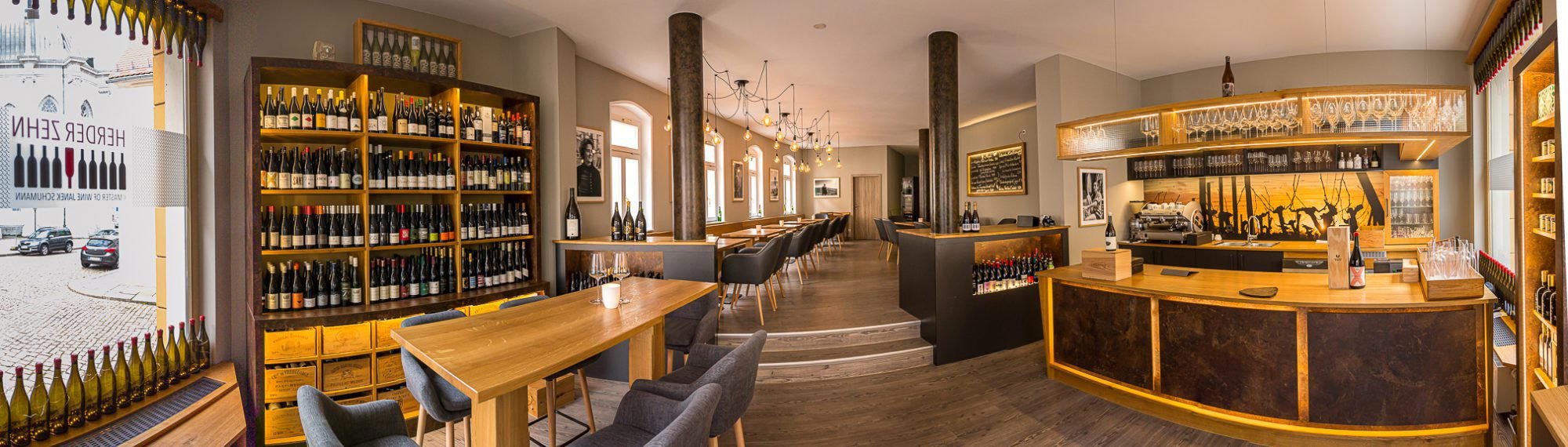
Wineries in Chemnitz
Browse all →
alexxanders
The wine
- Wine program
- Curated wine list
- Extensive wine list
Details
- Elegant
- Modern
- Date Night
- Business Dinner
- Terrace
- Garden
- Hotel Restaurant
- Extensive Wine List
- Garden
- A La Carte
- Vegetarian Friendly
- Vegan Options
- Gluten Free Options
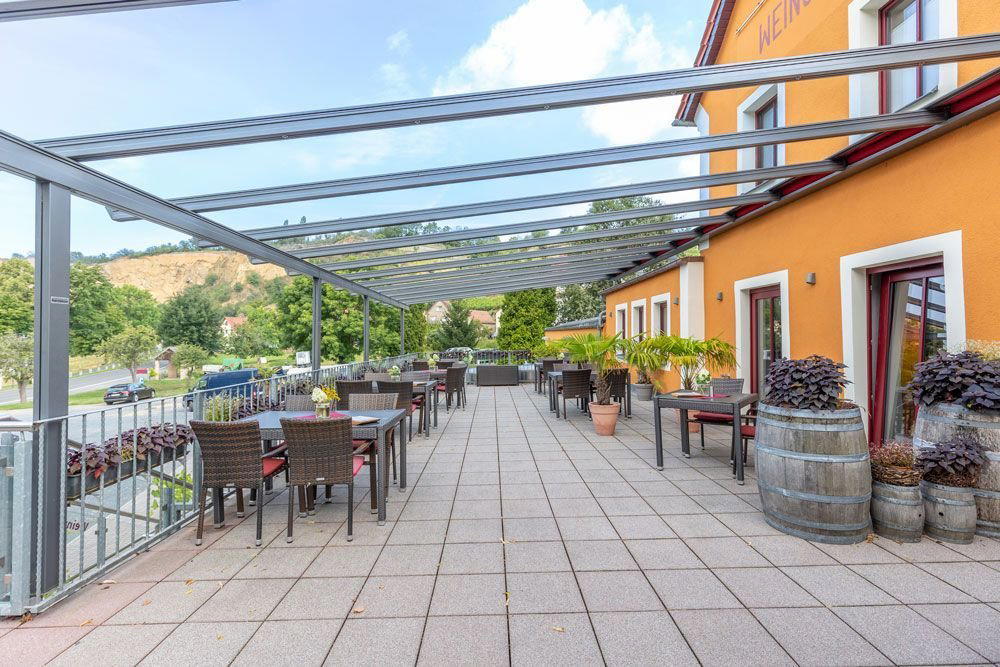
Stylish interior with modern design, peaceful residential setting, and pleasant terrace atmosphere.