
Tabelog 100 #49
Our verdict
Agu Shabushabu Miruku Naha ten puts Okinawan pork hot pot into a format built for groups, with pork shabu shabu and sukiyaki as the center of the table rather than side notes. Its Tabelog 100 - Hot Pot - 2024 selection places it in Japan’s broader conversation around specialist hot pot, while the Naha setting keeps the focus on island ingredients and shared dining.

Pearl is the En Primeur Club membership app — saves, bookings, and concierge access live there. Same editors, same standards.
- Address
- 1 Chome-14-10 Wakasa, Naha, Okinawa 900-0031, Japan
- Phone
- +81 98-866-1566
- Hours
- Daily 11:30 AM–3 PM, 5–11 PM
- Website
- miruku-agu.com
- Directions
- Get directions
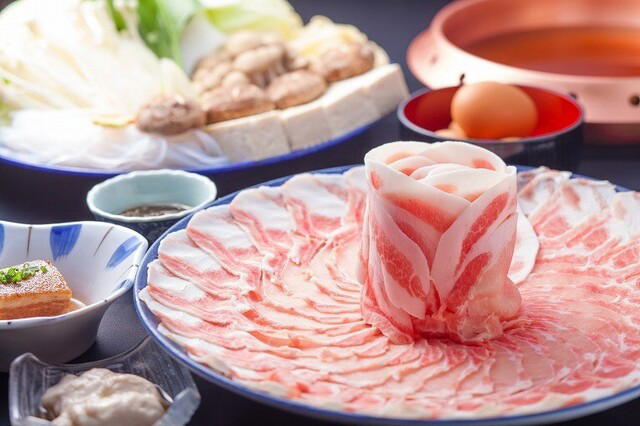
Wakasa is not postcard Naha. It is practical, central, lived-in: a district where a hot pot room can be both local gathering place and serious stop for travelers seeking Okinawan pork beyond resort dining. Agu Shabushabu Miruku Naha ten fits that lane, specializing in pork shabu shabu and sukiyaki in a city where the table often matters as much as the counter.
The key is ingredient identity. Okinawa’s food reputation is often reduced to awamori, bitter melon, and beachside seafood, but pork has the deeper everyday claim. Agu pork, tied to Okinawa’s heritage breed conversation, gives shabu shabu a local anchor generic beef or seafood hot pot cannot. The restaurant’s role is disciplined format, not novelty: thin-sliced pork, controlled heat, dipping sauces, vegetables, broth, and a table rhythm that rewards patience over spectacle.
Its inclusion in Tabelog 100 - Hot Pot - 2024 matters. The award places the restaurant in a national category where sukiyaki and shabu shabu are judged as serious craft, not comfort food alone. In Naha, that recognition carries weight because island-style pork specialists, steak houses serving Okinawan and wagyu beef, izakaya, taco-rice counters, and hotel restaurants compete for the same visitor evenings. Hot pot earns its place when sourcing and service structure hold attention across a full meal.
Okinawan pork gives the hot pot its reason to exist
Shabu shabu is revealing because it removes kitchen camouflage. The diner sees the ingredient before it enters the pot, and the meal depends on cut, fat balance, broth, and timing. With pork, that transparency is sharper: overcook it and the meal turns ordinary; handle it carefully and fat and lean meat make the restaurant’s case.
Agu Shabushabu Miruku Naha ten works in the pork shabu shabu and Japanese sweet soy hotpot category, a natural Okinawan pairing. Shabu shabu emphasizes clarity and texture; sukiyaki adds a sweeter, richer register. For a Naha itinerary, that differs from grill-led beef rooms such as Heki Kokusai dori matsuo ten or higher-spend steak formats. The point is not sear or marbling theater, but a shared pot and regional ingredient defining the meal.
Compared with Aso, in a lower price band among Naha peers, this room reads as a fuller hot pot commitment rather than a casual stop. Compared with O's House, in a higher spending bracket, it offers a more specific Okinawan-pork lens. That middle position is useful: serious enough for a planned dinner, accessible enough for groups wanting local context without formal fine dining cues.
Sourcing also separates it from Naha’s visitor circuit. Kokusai-dori is convenient, but convenience can flatten a meal into souvenirs and set menus. Wakasa gives the experience a more local frame, close to central Naha without feeling built only for first-time visitors. For context, Our full Naha restaurants guide maps the city’s restaurant range, while Our full Naha hotels guide connects dinner choices to neighborhood logistics.
A large-format room, not a hushed counter
Japan’s premium dining image abroad still leans on small counters: sushi, tempura, kappo, and bars with a handful of seats. Naha has those formats, but hot pot works differently. A 130-seat restaurant with counter seating, sunken seating, and banquet-capable floors changes the energy. The table is social, pacing collective, and the meal built for conversation rather than chef-facing concentration.
Scale should not imply lack of seriousness. In hot pot culture, capacity can signal another competence: serving groups, maintaining timing, and keeping a broth-led format consistent across a larger room. Private rooms are not part of the setup, so the experience is closer to an open dining hall than a sealed-off occasion restaurant. For travelers, this is a shared Okinawan pork dinner, not a whisper-level tasting menu.
The room suits Naha’s mixed audience. Families, office groups, and visitors can all understand the format, though table heat means children require attention. The venue’s family guidance points diners with children toward early evening, matching the reality of hot pots, gas stoves, and crowded dinner periods. For a softer all-day mood, A LONG VACATION. sits in another Naha category; for drinks, Our full Naha bars guide and BAR Owl point to the city’s after-dinner side.
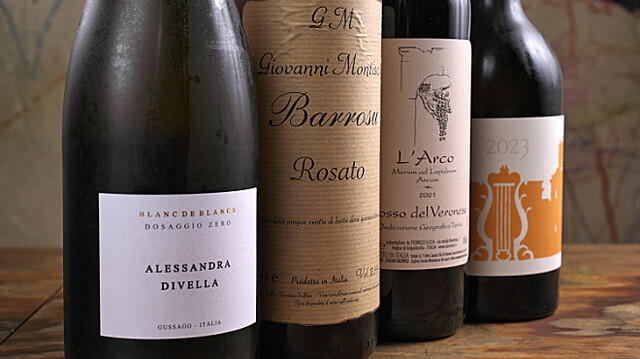
Drink positioning is modest but relevant: shochu and wine are listed, both logical with pork hot pot. Shochu keeps the meal within Japanese drinking grammar; wine gives groups an easier bridge if not everyone wants spirits. Bringing in alcoholic beverages is not part of the format, useful for travelers used to corkage cultures elsewhere.
Where it fits in a Naha food itinerary
Naha rewards category planning. One night can be Okinawan pork, another steak, another pizza or Italian-leaning cooking, another izakaya. BACAR OKINAWA shows how far the city’s non-Okinawan dining can travel, while hot pot returns the itinerary to local product and table sharing. Naha is not a single-cuisine city, but pork remains one of its clearest edible through-lines.
For travelers comparing Japanese hot pot across regions, this Naha address contrasts usefully with mainland sukiyaki and beef-led traditions. -Grilled beef Sukiyaki- KAMAKURA TANUKIAN 鎌倉 たぬき庵 in Kamakura frames sukiyaki through beef; this Naha specialist frames the category through Okinawan pork. The difference is not merely protein: it changes weight, sweetness, fat profile, and sense of place.
Travelers building a wider Japan dining file can place it alongside unrelated but useful reference points: . 鮪と炭火焼き うお炭 秋葉原店 in Tokyo for charcoal and tuna in the capital.cafe in Osaka for a lighter urban register.know in Kumamoto for another Kyushu-area comparison, (Shoku) Vietnam in Kawasaki for regional Japanese city diversity, and [Curry Senmon Ten] Maruyama Kyoju. in Sapporo for how single-category restaurants can define a meal without chasing breadth.
For EP Club readers, choose Agu Shabushabu Miruku Naha ten when the itinerary needs a rooted Okinawan dinner that can handle a group and still carry editorial substance. It is less suited to chef-counter intimacy or a tasting-menu arc, and better understood as a serious, ingredient-led hot pot address with Tabelog recognition, a defined pork focus, and a room built for shared eating. Those planning beyond restaurants can use Our full Naha wineries guide and Our full Naha experiences guide, while readers tracking Japanese food abroad may compare Jōdo Saké Bar in Los Angeles and Onigiri Time in Pasadena.
Frequently asked questions
Is Agu Shabushabu Miruku Naha ten good for families?
Yes. The restaurant lists family guidance, early visits between 17:00 and 18:00, baby food allowed, and 130 seats, which makes it practical for larger groups in Naha. It also notes that hot pots and gas stoves are on the table, so younger children need close supervision.
What's the overall feel of Agu Shabushabu Miruku Naha ten?
It reads as a large, reservation-only hot pot room rather than a tight counter dining room. The venue has counter seating, sunken seating, wheelchair access, and space across the first to third floors, with lunch and dinner service in Naha.
What's the pricing like at Agu Shabushabu Miruku Naha ten?
Pricing at Agu Shabushabu Miruku Naha ten is listed as JPY 6,000 - JPY 7,999 JPY 3,000 - JPY 3,999.
What time does Agu Shabushabu Miruku Naha ten open and close?
Hours at Agu Shabushabu Miruku Naha ten: Mon: 11:30 AM–3 PM, 5–11 PM; Tue: 11:30 AM–3 PM, 5–11 PM; Wed: 11:30 AM–3 PM, 5–11 PM; Thu: 11:30 AM–3 PM, 5–11 PM; Fri: 11:30 AM–3 PM, 5–11 PM; Sat: 11:30 AM–3 PM, 5–11 PM; Sun: 11:30 AM–3 PM, 5–11 PM.
How do I find Agu Shabushabu Miruku Naha ten?
Agu Shabushabu Miruku Naha ten is located in Naha.
What's the standout thing about Agu Shabushabu Miruku Naha ten?
Its clearest credential is Tabelog 100 Hot Pot 2024 selection, which places it in a named category list rather than a general neighborhood hot pot house. Pair that with the pork shabu shabu and sukiyaki focus, and it becomes a specific stop for Okinawan hot pot in Naha.
Comparison Snapshot
Side-by-side context: comparable cuisine and price.
| Venue | Cuisine | Price | Awards | Notes |
|---|---|---|---|---|
| Agu Shabushabu Miruku Naha tenThis venue — the venue you are viewing | Agu Pork Shabu-Shabu | $50–100 | Tabelog 100 #49 | Not listed |
| 琉球料理 美栄 | Ryukyuan Court Cuisine | $100–150 | Not listed | Kumoji (久茂地) |
| Niku no Hentai Shudan Shippu Horumon Kumoji honten | Ishigaki Beef Yakiniku & Horumon | $50–100 | Tabelog 100 #91 | Kumoji |
| Miyazaki Beef Specialty Restaurant Naha Miyachiku | Miyazaki Wagyu Teppanyaki | $150–200 | Not listed | Miebashi |
| BAR Owl | Cocktail bar with fresh fruit cocktails | $30–50 | Tabelog 100 #98 | Kumoji |
| BACAR OKINAWA | Neapolitan Pizza / Italian | Not listed | Tabelog 100 #4 | Kumoji |
Recognition history
Dated appearances from independent guides and award organizations, with the underlying list record or original source where available.
Tabelog 100 #49 · No. 49
Tabelog · Tabelog 100 - Hot Pot - 2024
Details
- Cozy
- Classic
- Intimate
- Group Dining
- Business Dinner
- Special Occasion
- Casual Hangout
- Private Dining
- Standalone
- Local Sourcing
- Set Menu
- A La Carte
Current opening hours
- Monday
- 11:30 AM–3 PM, 5–11 PM
- Tuesday
- 11:30 AM–3 PM, 5–11 PM
- Wednesday
- 11:30 AM–3 PM, 5–11 PM
- Thursday
- 11:30 AM–3 PM, 5–11 PM
- Friday
- 11:30 AM–3 PM, 5–11 PM
- Saturday
- 11:30 AM–3 PM, 5–11 PM
- Sunday
- 11:30 AM–3 PM, 5–11 PM
Hours can change for holidays and private events. Last verified .
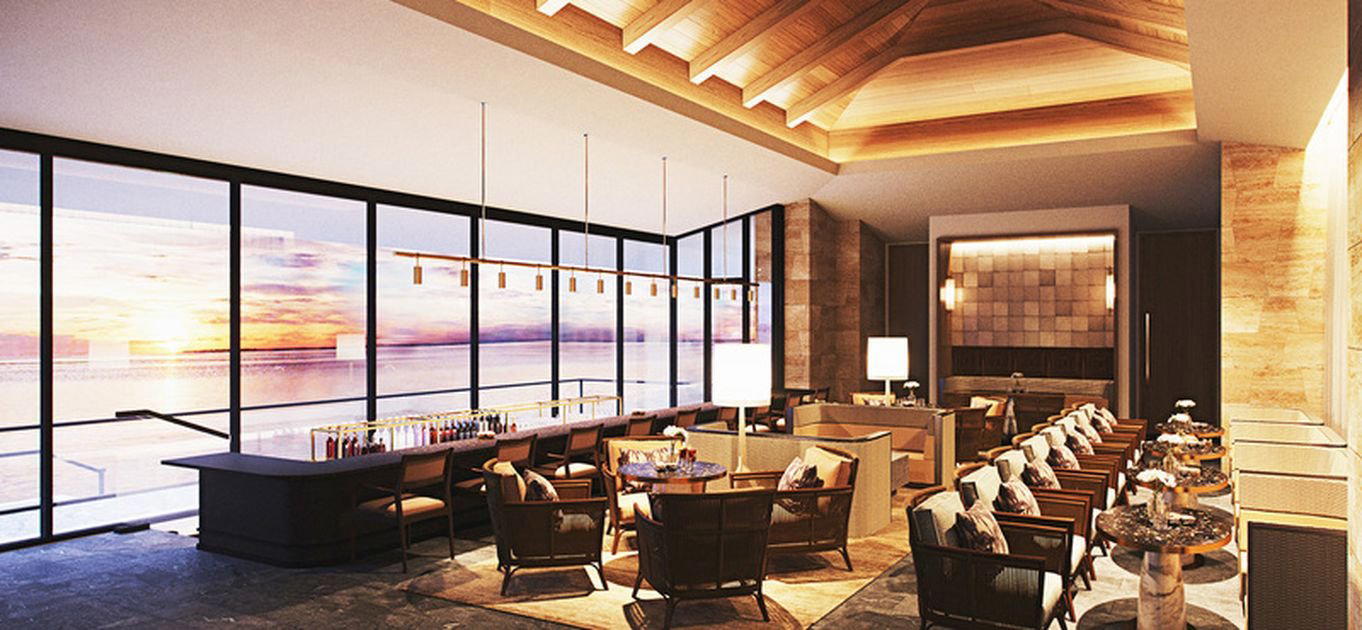
An elegant, calming Japanese-style interior with counter seating, table seating for groups, and private hori-gotatsu rooms that suits relaxed meals and business gatherings.