
Bologna's Emilian-heavy dining scene has few Japanese addresses that hold Michelin recognition. Seta Sushi Restaurant, situated in the medieval Corte Isolani, carries two consecutive Michelin Plates (2024 and 2025) at an accessible mid-range price point. The menu runs traditional Japanese with selective personal touches, supported by a sake list and attentive front-of-house guidance for guests unfamiliar with the cuisine.
Pearl is the En Primeur Club membership app — saves, bookings, and concierge access live there. Same editors, same standards.
- Address
- Corte Isolani, 2b, 40125 Bologna BO, Italy
- Phone
- +39 051 003 9367
- Website
- setasushirestaurant.com
- Directions
- Get directions
 Saves & bookings on Pearl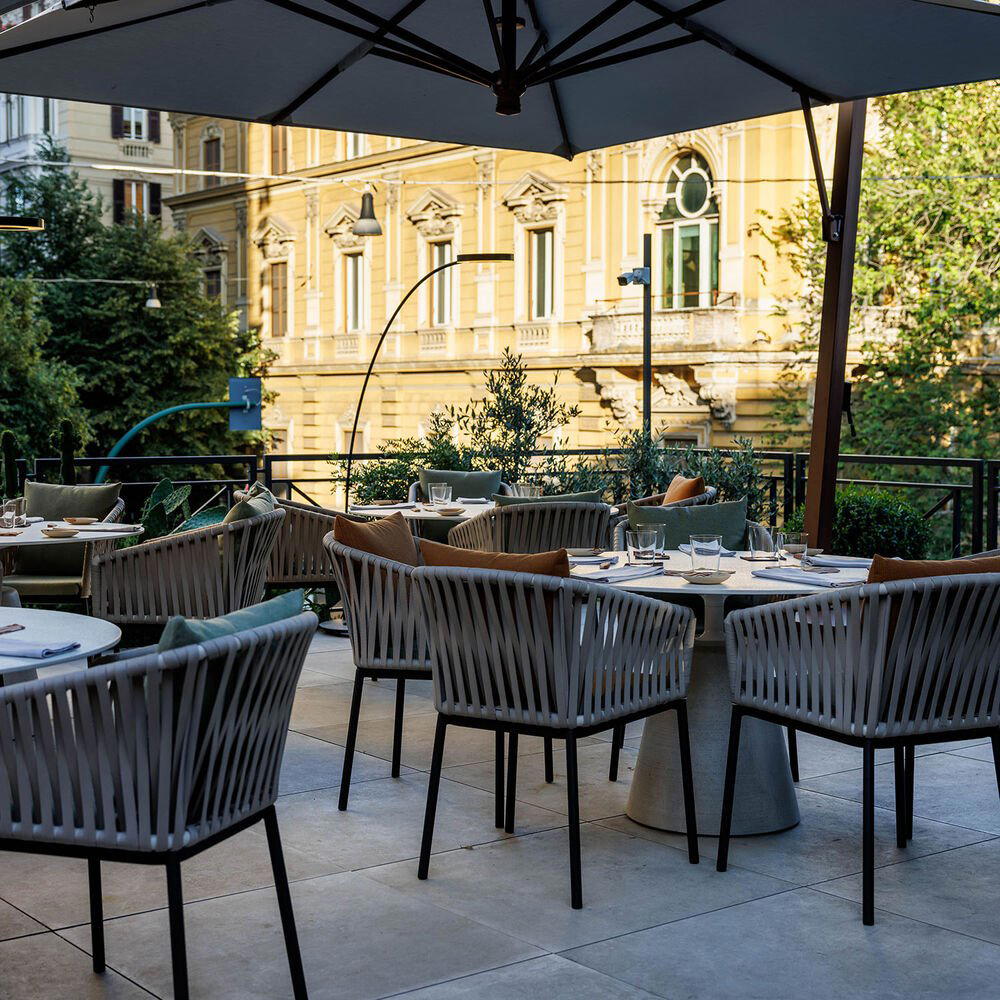
A Courtyard Apart: Japanese Dining in the Heart of Bologna
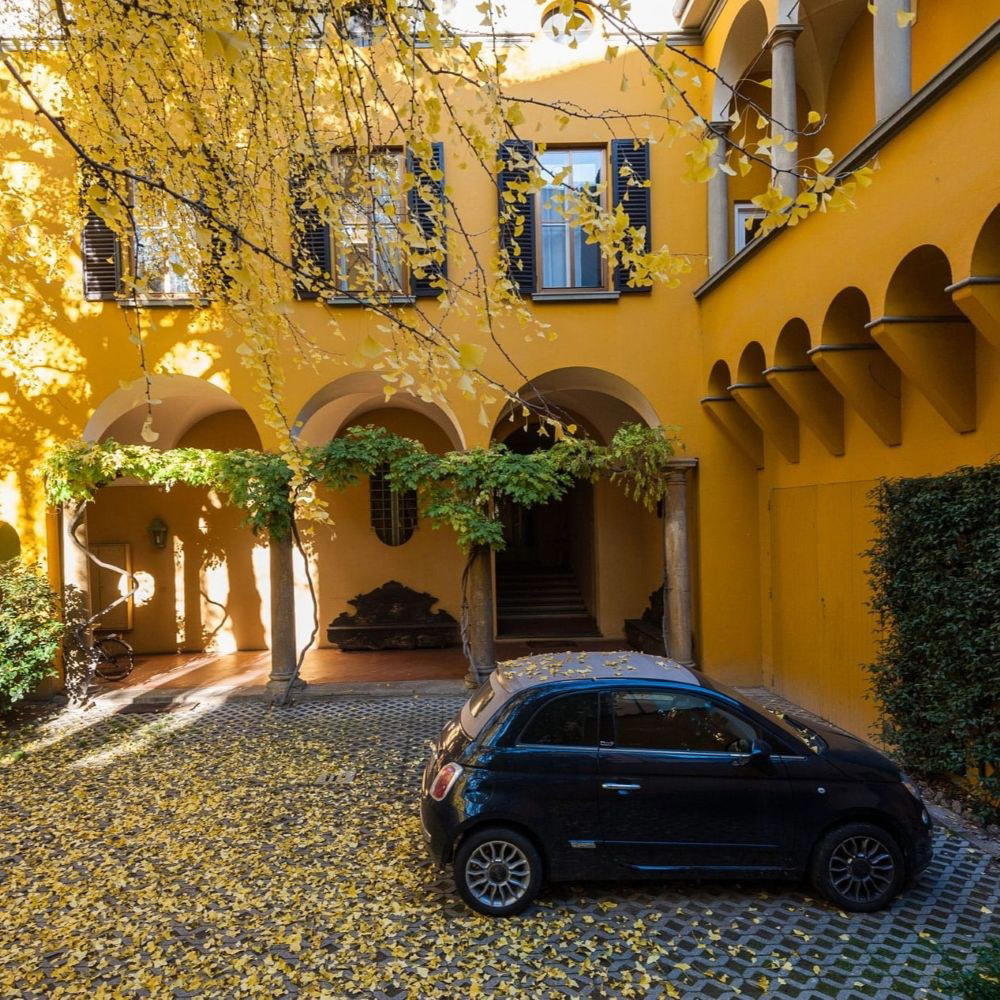
Corte Isolani is one of Bologna's older pedestrian corridors, a medieval passageway that connects Via Santo Stefano to Piazza della Mercanzia and draws a steady flow of foot traffic from the university district toward the two towers. It is an unlikely setting for a Japanese restaurant, but that contrast is precisely what gives Seta Sushi Restaurant its particular character. Bologna's dining fabric is dense with Emilian tradition, ragù, tortellini, mortadella, the kind of anchored regional cooking you find at addresses like Al Cambio and All'Osteria Bottega, and the city has little in the way of credentialed Japanese options. Seta sits in that gap, with consecutive Michelin Plates in 2024 and 2025 signalling that the kitchen has earned recognition beyond novelty status.
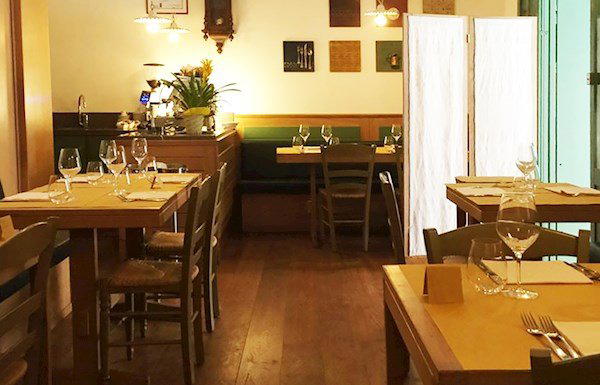
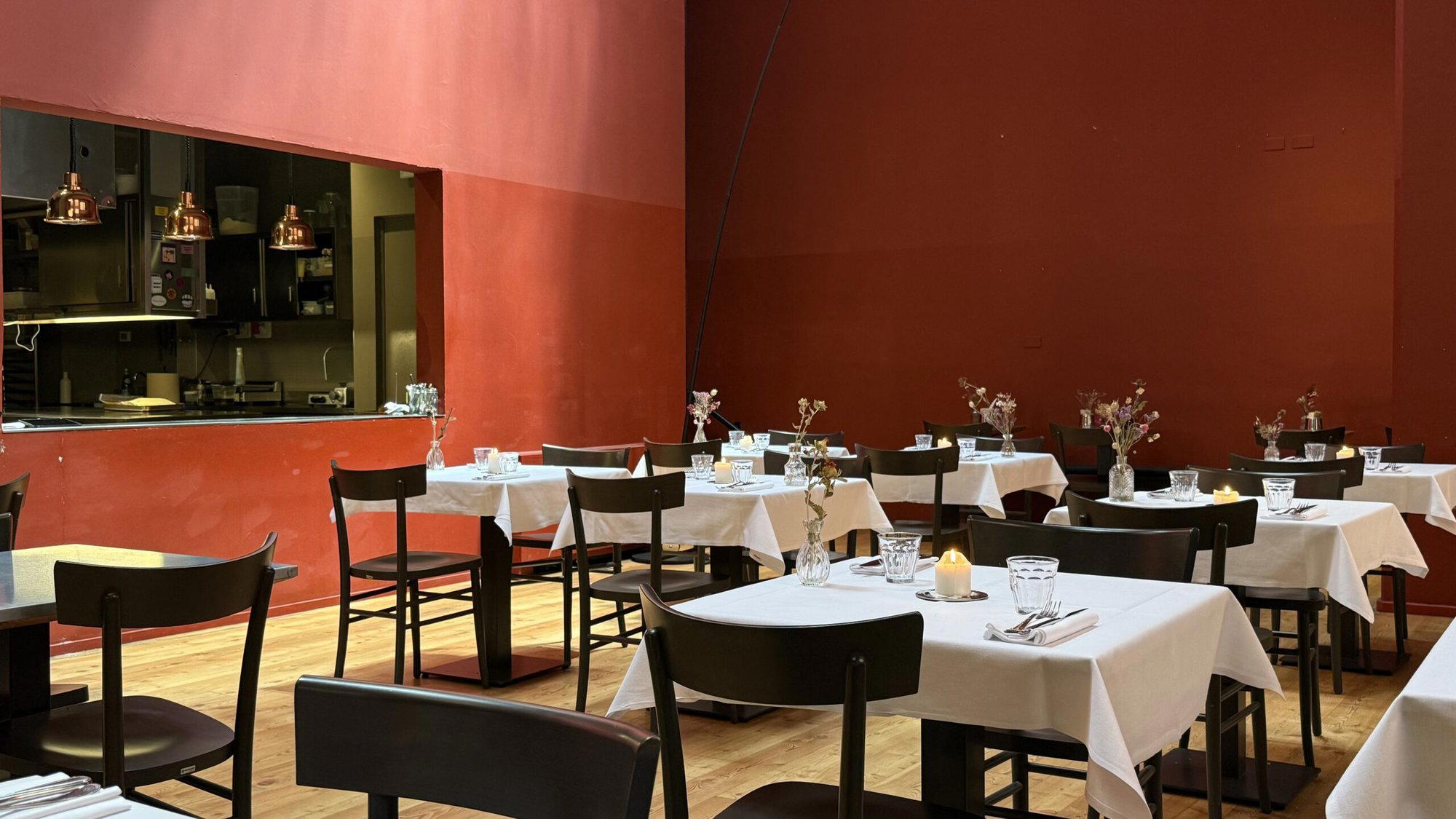
The setting itself does a portion of the work. The dining room is modern bistro in style, compact and unhurried, and in summer the courtyard opens for outdoor seating, a transition that shifts the atmosphere considerably, from interior calm to the ambient noise of a medieval passageway. Both configurations suit the menu, which is built for an unhurried pace rather than a high-turnover format.
Reading the Menu: What the Structure Signals
The architecture of Seta's menu reflects a considered position between fidelity to Japanese tradition and the practical demands of an Italian-city audience encountering the cuisine, in some cases, for the first time. The foundation is orthodox: traditional Japanese dishes across sushi, sashimi, and cooked preparations, executed from what the Michelin record describes as high-quality ingredients. The occasional personalised touch appears as a secondary layer, not a dominant editorial theme.
This structure matters. Japanese restaurants operating in European cities without deep Japanese communities frequently overreach in one of two directions: either they lean so far into localisation that the menu loses coherence as Japanese food, or they import a format so rigidly that it becomes inaccessible. Seta's menu, as the Michelin listing describes it, does neither. The traditional dishes are the spine; the personalisation is the accent. That ordering is a credible one for a restaurant in Bologna, where the audience ranges from informed food travellers to local diners arriving with curiosity and no prior framework.
The beverage program reinforces the same logic. A sake selection sits alongside the menu for guests who want to eat within a Japanese framework from first sip to last. For those less familiar, the front-of-house guidance is explicit: Maurilio, the restaurant's named front-of-house figure, is described in the Michelin record as offering expert advice on both food and beverage. That kind of accessible expertise is not a given at this price tier, and it addresses one of the genuine friction points for a Japanese restaurant in a non-Japanese dining culture.
In Tokyo, the relationship between menu architecture and dining format is often more structured still. Counters like Myojaku or the kaiseki-influenced Azabu Kadowaki operate within formats where the sequencing of courses is largely fixed and the diner surrenders most of the ordering decision to the kitchen. At a mid-range European address, that degree of formality would narrow the audience considerably. Seta's approach, traditional menu with guided discovery rather than imposed structure, is better suited to its context without abandoning the discipline that earns Michelin recognition.
Where Seta Sits in Bologna's Dining Tier
Bologna's mid-range dining tier at the €€ bracket is competitive, and it is dominated almost entirely by Emilian and Italian kitchens. Ahimè works modern Bolognese with a country-cooking sensibility at the same price level. Al Cambio represents the more classical Emilian end of the bracket. Seta is the anomaly in that comparable set, a Japanese address at the same price point, with the same Michelin Plate recognition, offering something the rest of that tier does not.
The comparison to higher-end Italian addresses in the city is worth noting for context. The creative Italian kitchens at the upper end of Bologna's market, places like I Portici at the €€€€ level, occupy a different tier entirely. Seta's two consecutive Michelin Plates at €€ put it in a specific position: recognised quality without the price barrier that typically accompanies Michelin-listed dining in Italy. For the broader Italian dining context, comparison restaurants like Osteria Francescana in Modena, Enoteca Pinchiorri in Florence, or Enrico Bartolini in Milan represent the starred end of the market at different price points and ambitions. Seta's position is quieter and more modest, but within its category it represents the credentialed Japanese option in a city that otherwise offers few.
Seafood-forward dining at the mid-to-upper tier, Acqua Pazza at €€€ is an example nearby, overlaps only loosely with what Seta does; the raw fish disciplines are distinct even if the ingredient category overlaps. For travellers moving through the Emilia-Romagna region, the contrast between Seta and the stricter farm-to-table Italian addresses such as Atelier Moessmer Norbert Niederkofler in the north or Dal Pescatore in Runate illustrates how differently Michelin applies recognition across format and cuisine type. Seta earns its Plate on the strength of its own category, not by comparison to Italian fine dining.
Planning a Visit
Seta Sushi Restaurant is at Corte Isolani 2b, in the medieval passage between Via Santo Stefano and the Piazza della Mercanzia, walkable from both the city's main train station and the Due Torri in under fifteen minutes on foot. The €€ price bracket places it in accessible mid-range territory by Bologna standards, comparable to what you would spend at the better Emilian trattorias in the centro storico. No website or phone number is listed in the current Michelin record; booking would need to be confirmed through arrival or a local concierge. The summer courtyard seating is worth factoring into timing if outdoor dining in a medieval passage is the preferred setting. For broader trip planning across the city, the EP Club guides to Bologna restaurants, hotels, bars, wineries, and experiences cover the wider field.
Compact Comparison
Comparable venues nearby, for context on price, style, and recognition.
| Venue | Cuisine | Price | Notes |
|---|---|---|---|
| Seta Sushi RestaurantThis venue — the venue you are viewing | Japanese | $$$ | Not listed |
| Ling's Ravioleria Migrante | Not listed | $$$ | quiet residential district, Chinese Ravioleria with Migrant Fusion |
| Trattoria da Me | Porto, Traditional Bolognese Trattoria | $$ | Not listed |
| CERTO | San Vitale, Roman-Style Pizza al Taglio | $$ | Not listed |
| Oltre. | Porto, Modern Bolognese | $$$ | Not listed |
| All'Osteria Bottega | Saragozza, Traditional Emilian Osteria | $$$ | Not listed |
Recognition history
Dated appearances from independent guides and award organizations, with the underlying list record or original source where available.
Michelin Plate
Michelin
Michelin Plate
Michelin
Michelin Plate
Michelin
Continue exploring
More in Bologna
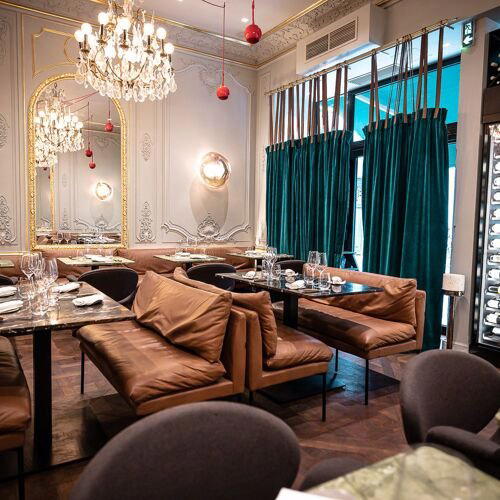
Restaurants in Bologna
Browse all →
Bars in Bologna
Browse all →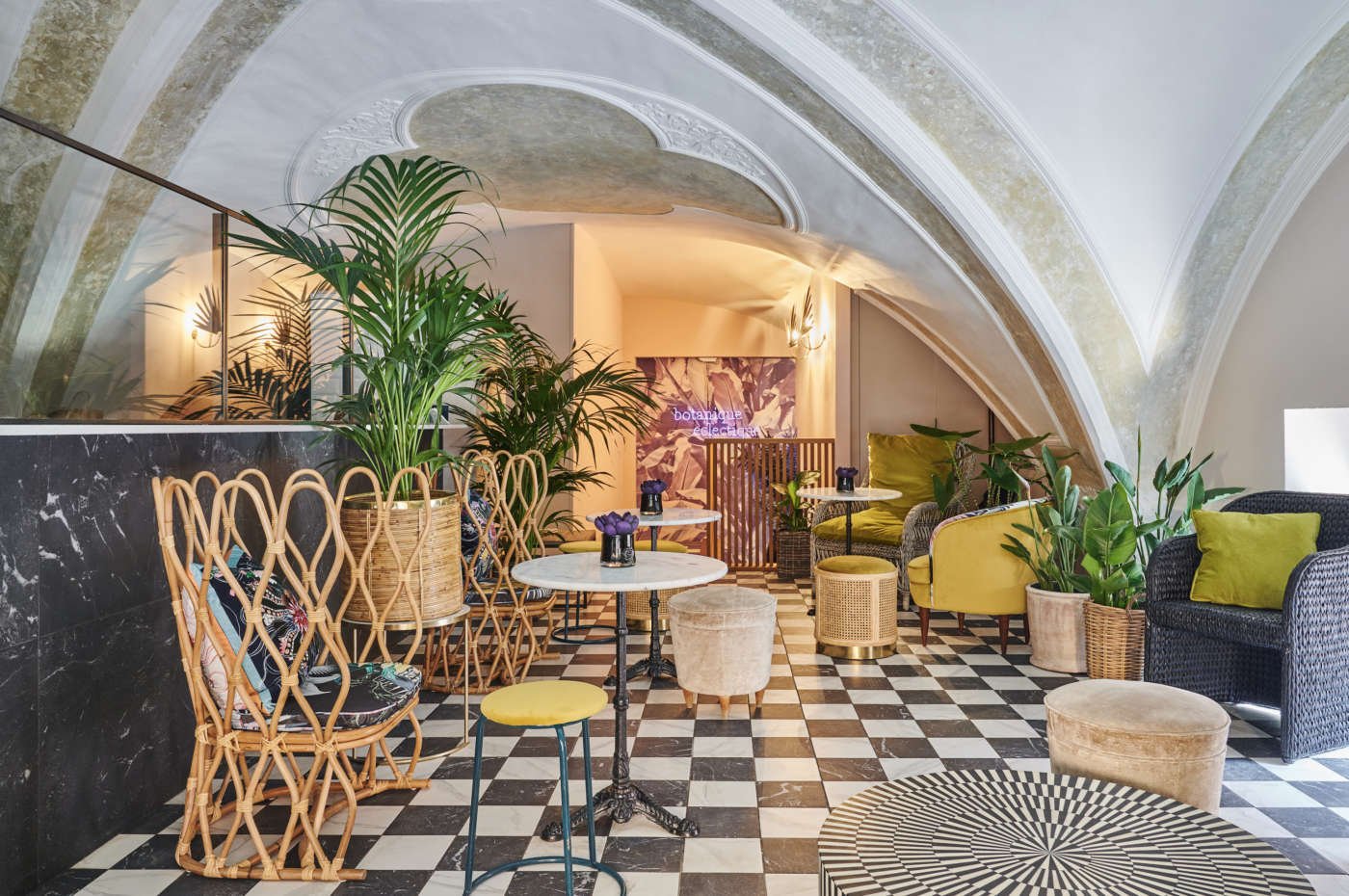
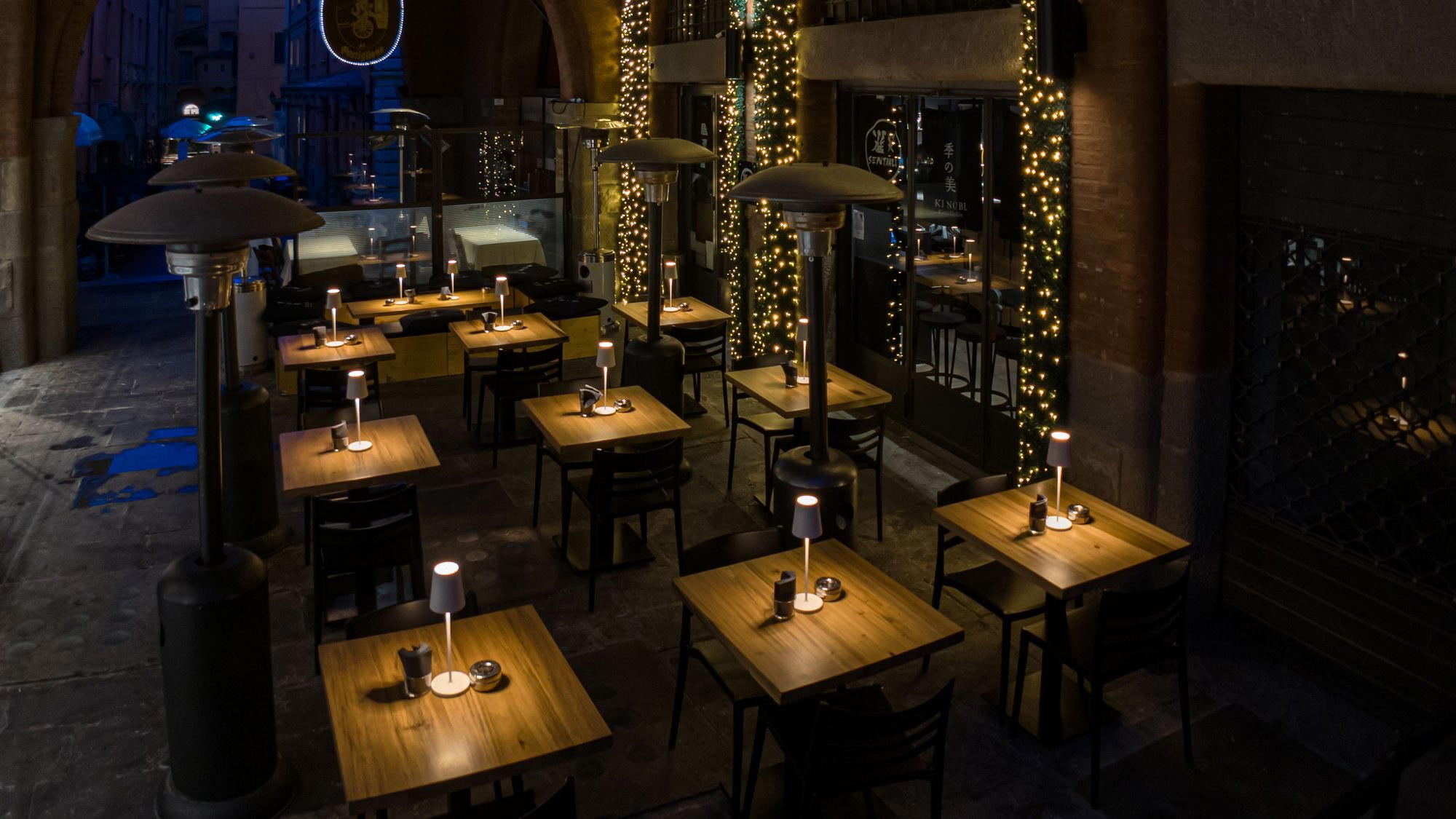
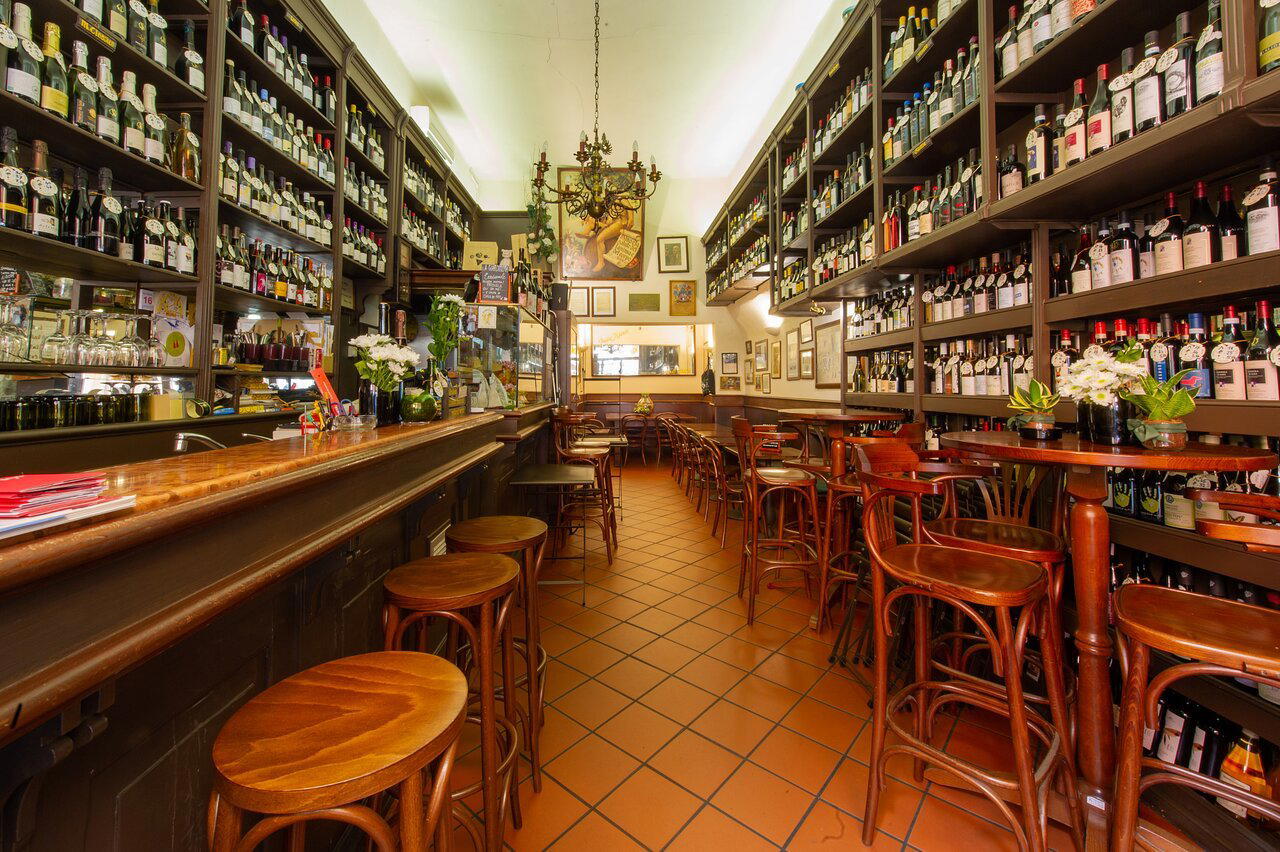
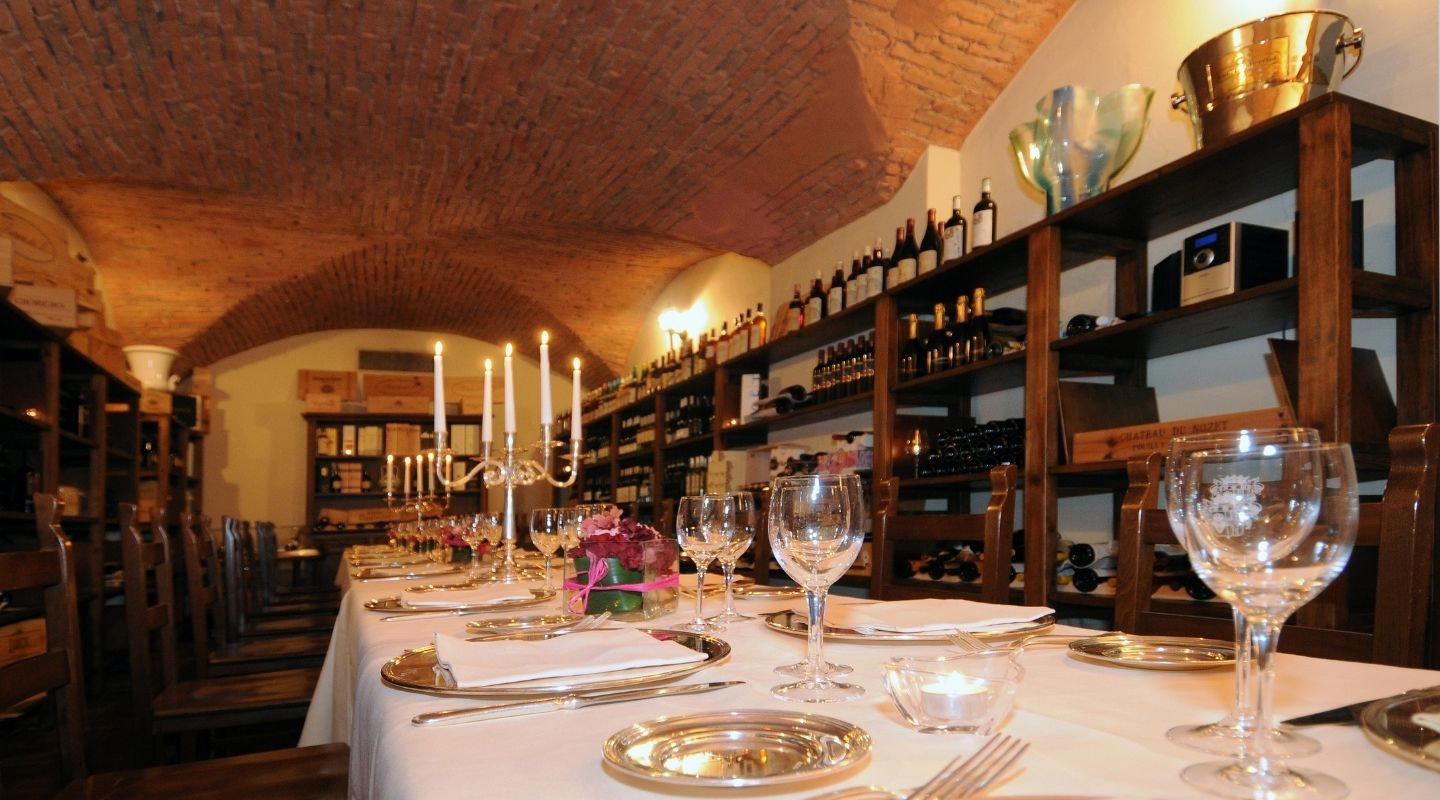
Hotels in Bologna
Browse all →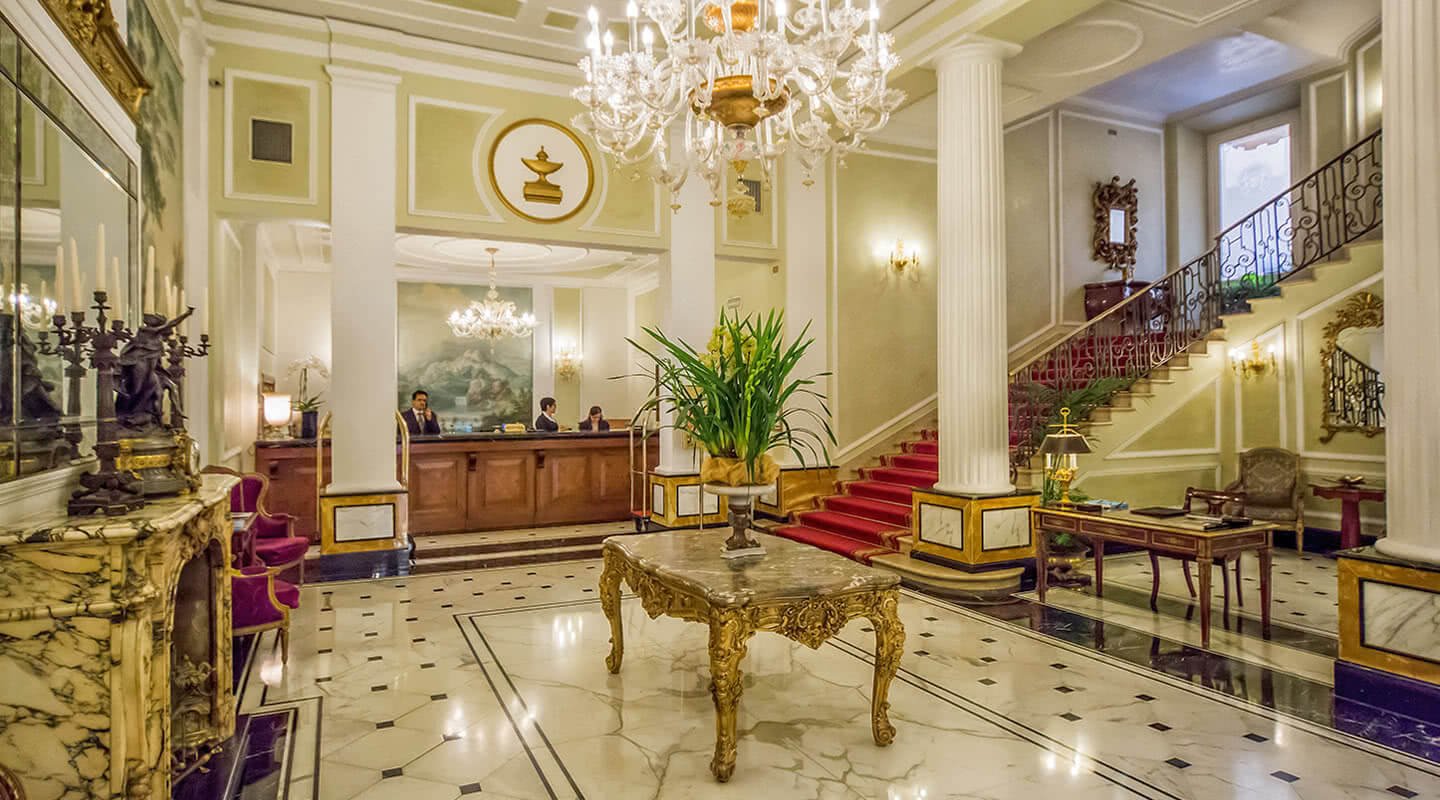

At a Glance
- Sophisticated
- Elegant
- Modern
- Date Night
- Special Occasion
- Open Kitchen
- Sake Program
Current opening hours
- Monday
- 7:30–11:30 PM
- Tuesday
- 12:30–2:30 PM, 7:30–11:30 PM
- Wednesday
- 12:30–2:30 PM, 7:30–11:30 PM
- Thursday
- 12:30–2:30 PM, 7:30–11:30 PM
- Friday
- 12:30–2:30 PM, 7:30–11:30 PM
- Saturday
- 12:30–2:30 PM, 7:30–11:30 PM
- Sunday
- Closed
Hours can change for holidays and private events. Last verified .
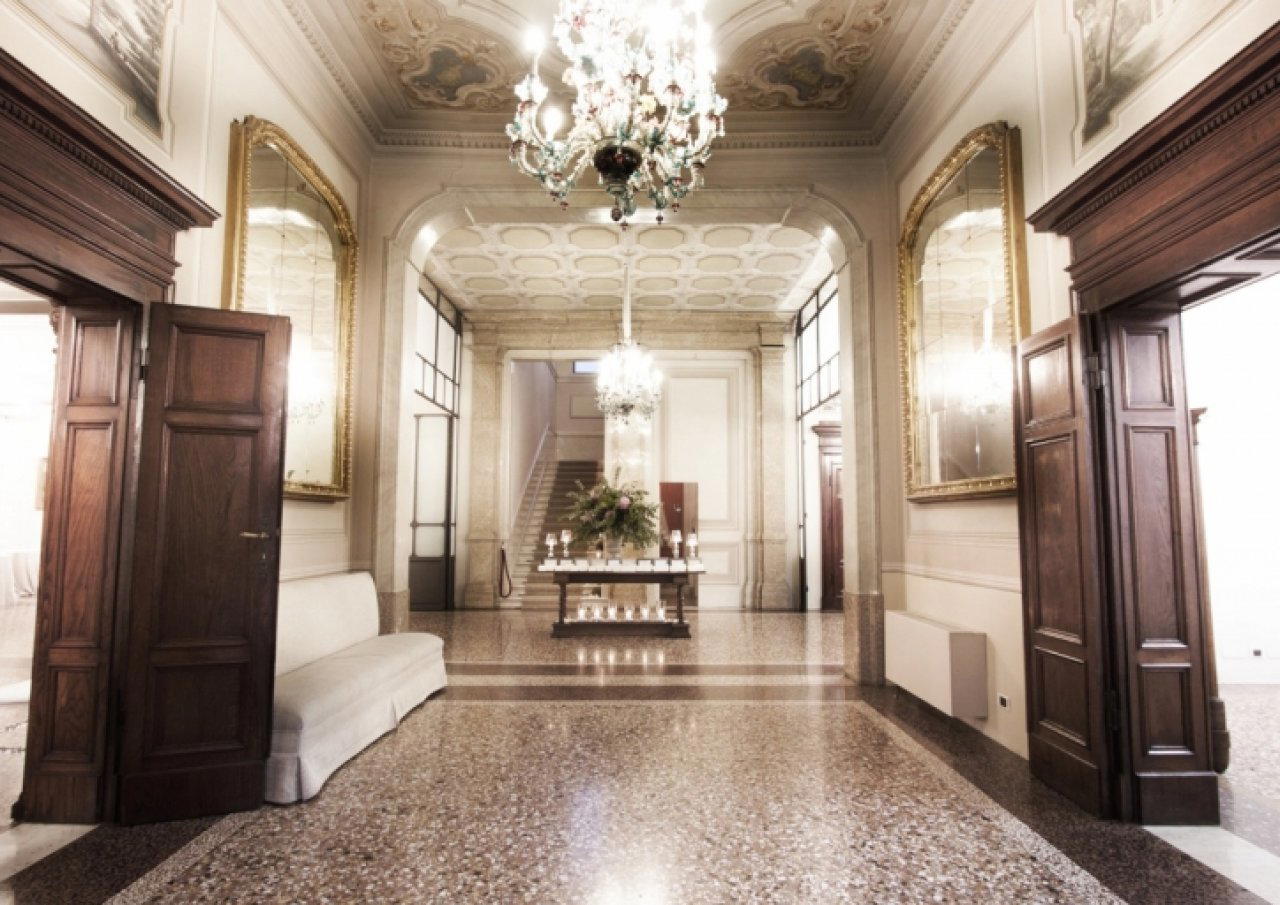
Sophisticated and inviting modern bistro-style dining room in a medieval courtyard, blending elegance and comfort.