Our verdict
Sesame sits within the Hyatt Centric Juhu on Juhu Tara Road, placing it in one of Mumbai's most character-rich coastal neighbourhoods rather than in the corporate dining corridors of the Bandra-Kurla Complex.

Pearl is the En Primeur Club membership app — saves, bookings, and concierge access live there. Same editors, same standards.
- Address
- Sesame - Hyatt Centric Juhu, Juhu Tara Rd, Santacruz (West), Mumbai, Maharashtra 400049, India
- Phone
- +91 22 6826 1234
- Hours
- Daily 8 AM–11 PM
- Website
- hyattrestaurants.com
- Directions
- Get directions
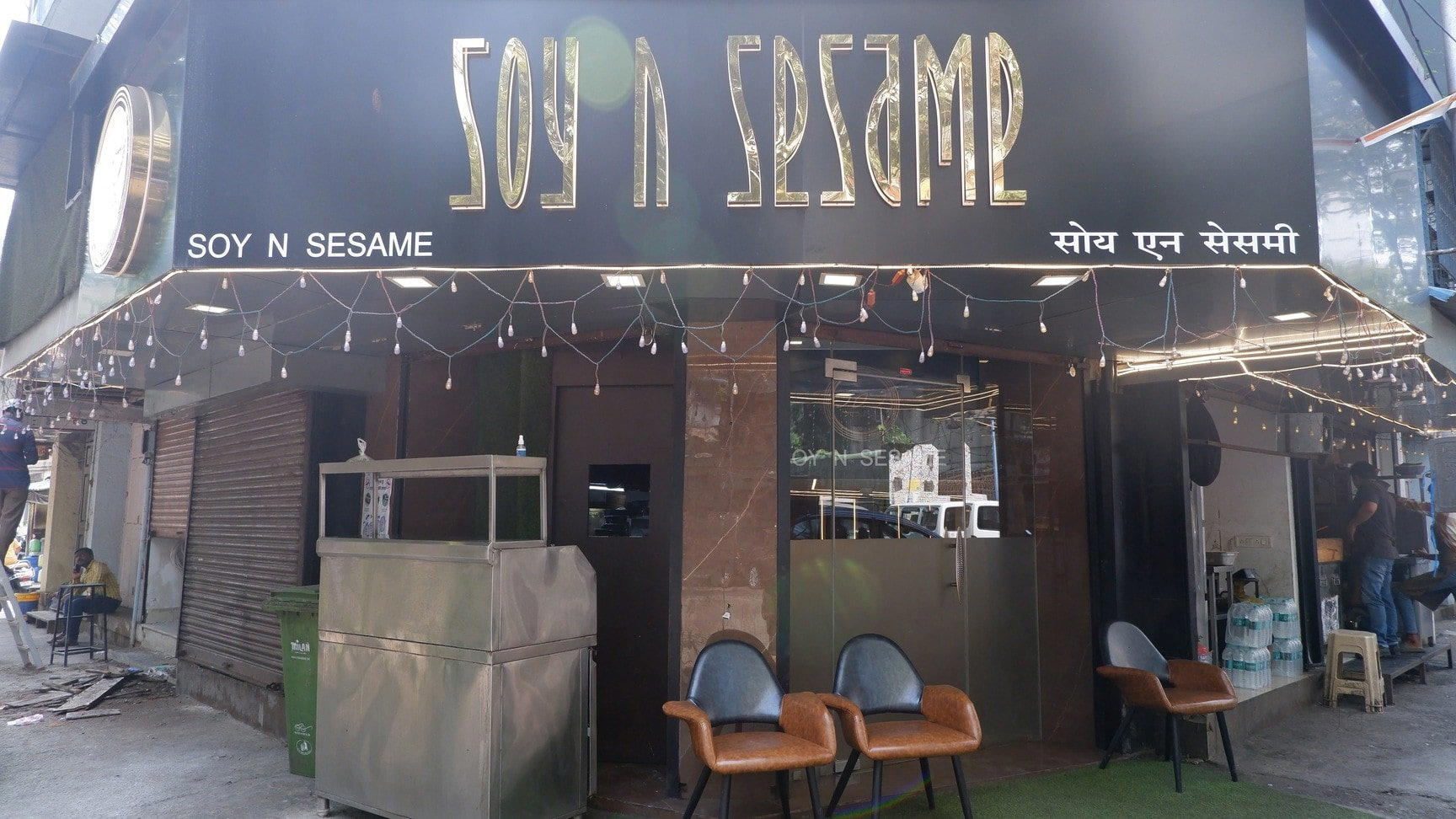
Juhu's Particular Pull on Dining
Mumbai's restaurant geography has fractured along clear fault lines. The Bandra-Worli corridor concentrates the city's headline contemporary Indian addresses: Masque (Contemporary Indian) operates its produce-led tasting menus in Mahalaxmi, while The Bombay Canteen (Indian) and The Table (Contemporary Indian) anchor the Lower Parel-Colaba axis. Juhu sits apart from all of that, geographically and culturally. The neighbourhood runs along the northern edge of the city's coastline, shaped historically by the Hindi film industry and the particular social rhythms that come with it: later evenings, a preference for comfort-forward settings, and a dining population that has been loyal to neighbourhood stalwarts for decades. A hotel dining room in this suburb is not making the same argument as one in the BKC towers. It is operating in a different kind of conversation with its surroundings.
Sesame, positioned within the Hyatt Centric Juhu on Juhu Tara Road, occupies that specific position. Its address on the road that runs between the beach promenade and the suburb's internal streets places it within walking distance of the Arabian Sea, in an area where the mood after sunset shifts noticeably from the daytime energy of the beach-facing lanes. For a hotel dining room, location here is not incidental — it shapes who walks in, what they expect, and how a meal is likely to unfold.
The Hotel Dining Room and Its Complications
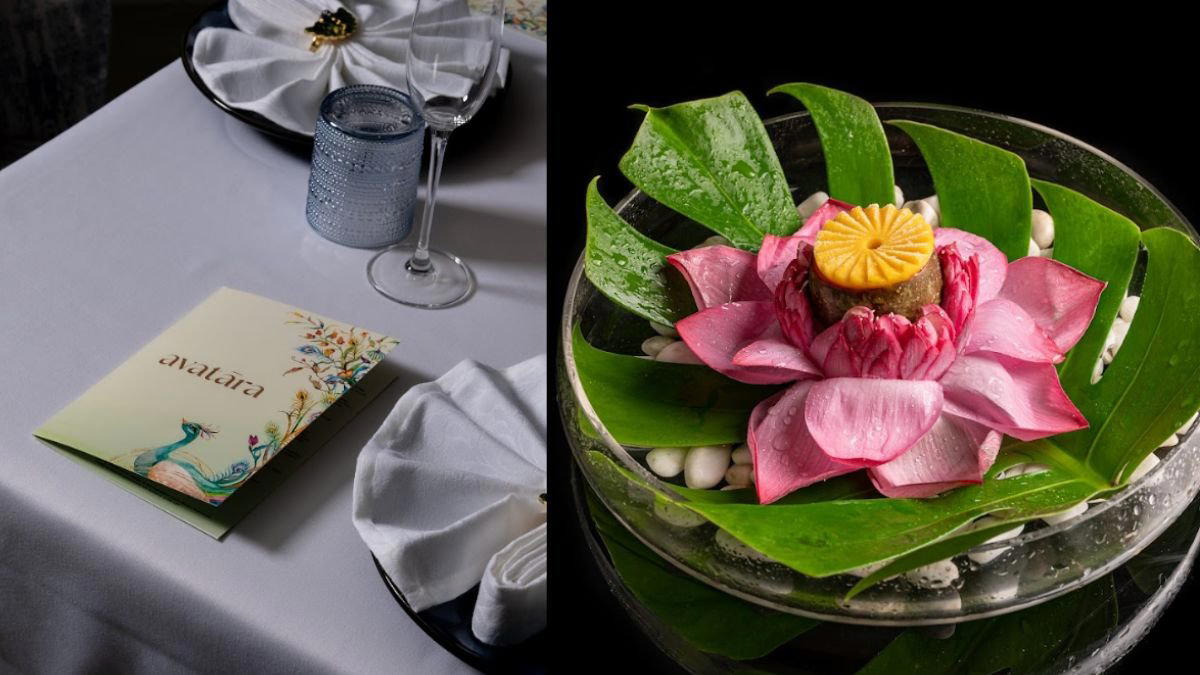
Hotel restaurants in Indian cities operate under a structural tension that free-standing venues avoid. They carry the implicit promise of reliability and a certain standard of finish, but they also contend with the assumption — often earned, that their menus are designed for the broadest possible audience rather than a specific culinary point of view. In Mumbai, that tension has been resolved in different ways at different properties. Avatara at the DLF Emporio in Delhi took the hotel fine-dining format and narrowed it to a single-minded vegetarian tasting proposition. Americano (Indian Fusion) carved its own identity through format discipline. The question for any hotel restaurant is whether it reads as an independent editorial voice or as an amenity attached to room rates.
Across India, some hotel dining rooms have found their way to genuine standing. Bukhara in New Delhi has held a position in the national conversation for decades on the strength of its tandoor-heavy Northwest Frontier menu. Esphahan in Agra draws on Mughal culinary heritage in a setting where that tradition has particular geographic weight. The better hotel dining rooms, in other words, use their location and context as content, not as backdrop.
Neighbourhood Character as Dining Context
Juhu's dining culture has always been shaped by proximity: to the beach, to the film studios in nearby Andheri and Goregaon, and to the dense residential fabric of Santacruz West. The suburb does not attract the same volume of destination-dining tourism as South Mumbai or the Bandra strip, which means venues here are assessed more directly by the people who live within a few kilometres. That is a different kind of accountability than what a Colaba restaurant faces from an international visitor checking a shortlist. It favours reliability and familiarity over novelty signalling.
Within that frame, Sesame's position on Juhu Tara Road puts it at the edge of the neighbourhood's social centre of gravity. The road connects the beach-facing hotels and the Juhu ISKCON temple precinct, giving it foot traffic that is both local and, on weekends, drawn from across the northern suburbs. A restaurant operating here needs to function for a Tuesday dinner with regulars from the immediate area and a Saturday evening when a larger, more varied crowd arrives from further afield. The venues that manage that range most effectively in Juhu tend to do so through menu formats that are broad enough to avoid alienating but specific enough in a few areas to generate genuine repeat visits.
In Mumbai's hotel dining tier, Sesame's immediate competitive context is other mid-to-upper market hotel restaurants in the northern suburbs rather than the city's fine-dining benchmark addresses. That peer group is shaped more by value consistency and setting comfort than by culinary ambition, and it tends to attract a crowd for whom the hotel environment itself, the air conditioning, the service structure, the predictable finish, is part of what they are paying for. This is not a diminishment of the format; it describes a genuine market that Mumbai's hotel restaurants serve well when they work at it.
The contrast with venues like Farmlore in Bangalore, which has built a specific identity around sourcing and chef-driven narrative, or Naar in Kasauli, which uses its mountain setting as an active ingredient in the dining proposition, illustrates the range of positions available to Indian restaurants willing to commit to a point of view. For hotel dining rooms, that kind of commitment is harder to execute, the format constraints are real, but not impossible.
Further afield, venues like Leela Kerala Terrace in Trivandrum and WelcomCafe Oceanic Restaurant in Visakhapatnam demonstrate how hotel dining rooms can anchor their identity in regional specificity. The principle holds in Mumbai too: the northern suburbs have their own culinary character, the streetfood traditions of Juhu Chowpatty, the Gujarati and Jain communities of Santacruz, the seafood culture of the coastal belt, that a venue in this neighbourhood can draw on as distinguishing material. For context on how Mumbai's broader dining scene is organised, the full Mumbai restaurants guide maps the city's key areas and format categories.
Planning a Visit
Sesame sits within the Hyatt Centric Juhu, accessible from the Juhu Tara Road address in Santacruz West. The northern suburb location means the venue draws primarily from the western suburbs rather than from the city's southern dining circuit, and travel time from central Mumbai during evening hours should be factored in given the city's traffic patterns. For travellers staying in the Juhu area, the restaurant functions as a natural on-site option. For those making a specific trip from further afield, the Juhu beachfront context makes an evening visit the more atmospheric choice, with the coastal air and the neighbourhood's particular post-sunset energy adding to the setting. Booking practices and hours are best confirmed directly with the Hyatt Centric Juhu property, as specific operational details were not available at time of writing.
Frequently asked questions
Where exactly is Sesame?
Sesame is located at Sesame - Hyatt Centric Juhu, Juhu Tara Rd, Santacruz (West), Mumbai, Maharashtra 400049, India, Mumbai.
Is Sesame a good option for a business dinner in Mumbai's northern suburbs?
For meetings or client dinners north of Bandra, Sesame's position inside Hyatt Centric Juhu on Juhu Tara Road offers a degree of neutrality and reliability that standalone neighbourhood restaurants in Santacruz West rarely match. Hotel dining rooms in this tier typically provide private or semi-private seating arrangements suited to professional gatherings, along with service infrastructure that free-standing venues in the area may lack. It sits closer to Andheri's commercial belt than comparable hotel restaurants in South Mumbai, making it a practical choice for those working in the western suburbs.
What do regulars order at Sesame?
The Juhu location attracts a mixed crowd from nearby film industry professionals and beach-adjacent residents, whose preferences typically span continental and Indian formats common to mid-market hotel dining in the city. Visiting during service and asking staff what is current is the more reliable approach than relying on third-party listings.
How far ahead should I plan for Sesame?
Sesame operates within the Hyatt Centric Juhu on Juhu Tara Road in Santacruz West, a hotel-backed venue that generally carries more walk-in availability than standalone destination restaurants in Bandra or South Mumbai. That said, the Juhu corridor draws film industry and residential crowds that can concentrate demand on weekends. Contacting the hotel directly through Hyatt Centric Juhu's front desk is the most dependable way to confirm availability and any current booking requirements.
A Tight Comparison
Comparable venues nearby, for context on price, style, and recognition.
| Venue | Cuisine | Price | Awards | Notes |
|---|---|---|---|---|
| SesameThis venue — the venue you are viewing | Contemporary Japanese and Pan-Asian Fusion | $20–30 | Not listed | Not listed |
| Wasabi By Morimoto - The Taj Mahal Palace Hotel | Contemporary Japanese Fine Dining | $50–100 | La Liste Top Restaurants | Bombay Colaba, Contemporary Japanese Fine Dining |
| Dakshin | South Indian Fine Dining | $30–50 | Not listed | Parel, Premium South Indian Fine Dining |
| Izumi Bandra | Authentic Japanese Sushi & Ramen | $20–30 | La Liste Top Restaurants | Bandra F, Authentic Japanese Sushi & Ramen |
| Trishna | Iconic Mumbai Seafood | $20–30 | Not listed | Fort Mumbai, Well-known Mumbai Seafood |
| Mahesh Lunch Home | Authentic Mangalorean Seafood | $30–50 | Not listed | Fort Mumbai, Authentic Mangalorean Seafood |
Details
- Modern
- Trendy
- Sophisticated
- Date Night
- Group Dining
- Celebration
- Open Kitchen
- Craft Cocktails
- Local Sourcing
- A La Carte
- Craft Cocktails
- Vegetarian Friendly
- Vegan Options
Current opening hours
- Monday
- 8 AM–11 PM
- Tuesday
- 8 AM–11 PM
- Wednesday
- 8 AM–11 PM
- Thursday
- 8 AM–11 PM
- Friday
- 8 AM–11 PM
- Saturday
- 8 AM–11 PM
- Sunday
- 8 AM–11 PM
Hours can change for holidays and private events. Last verified .
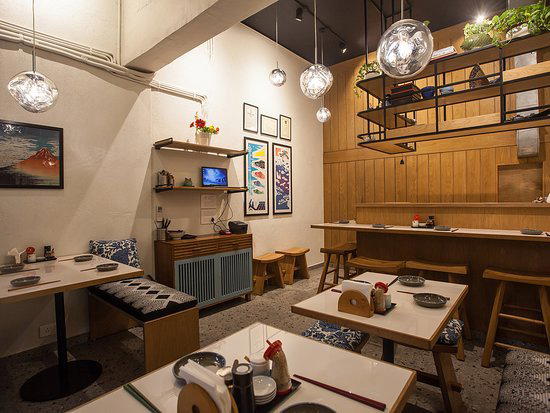
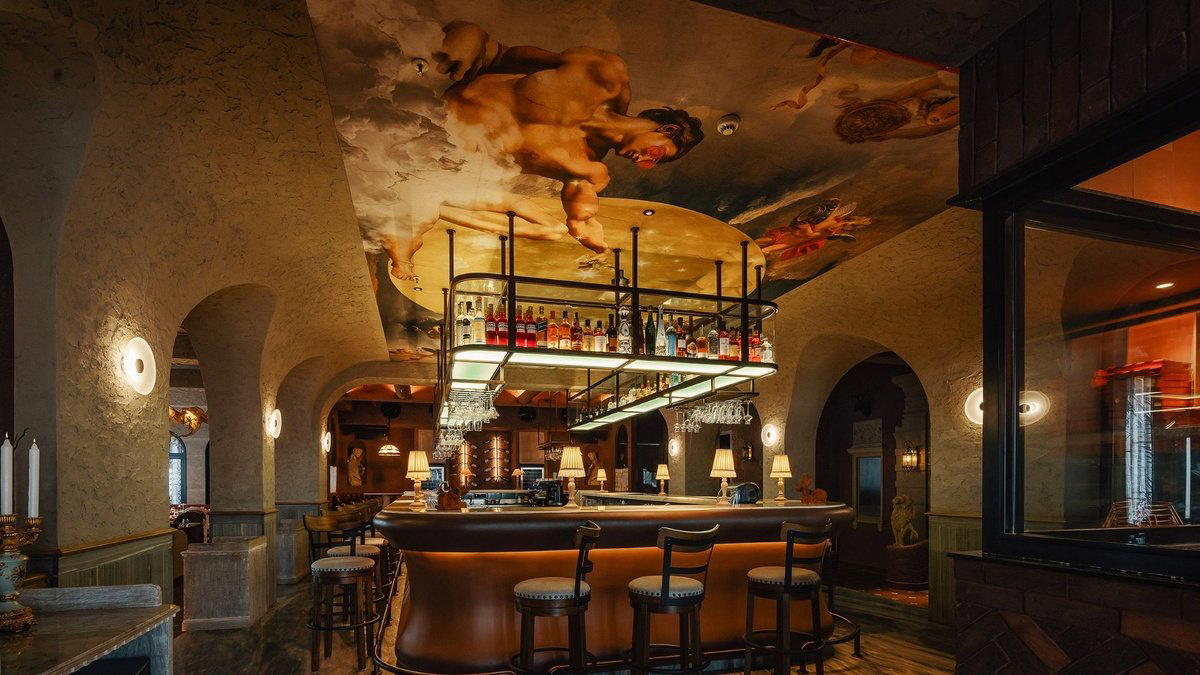
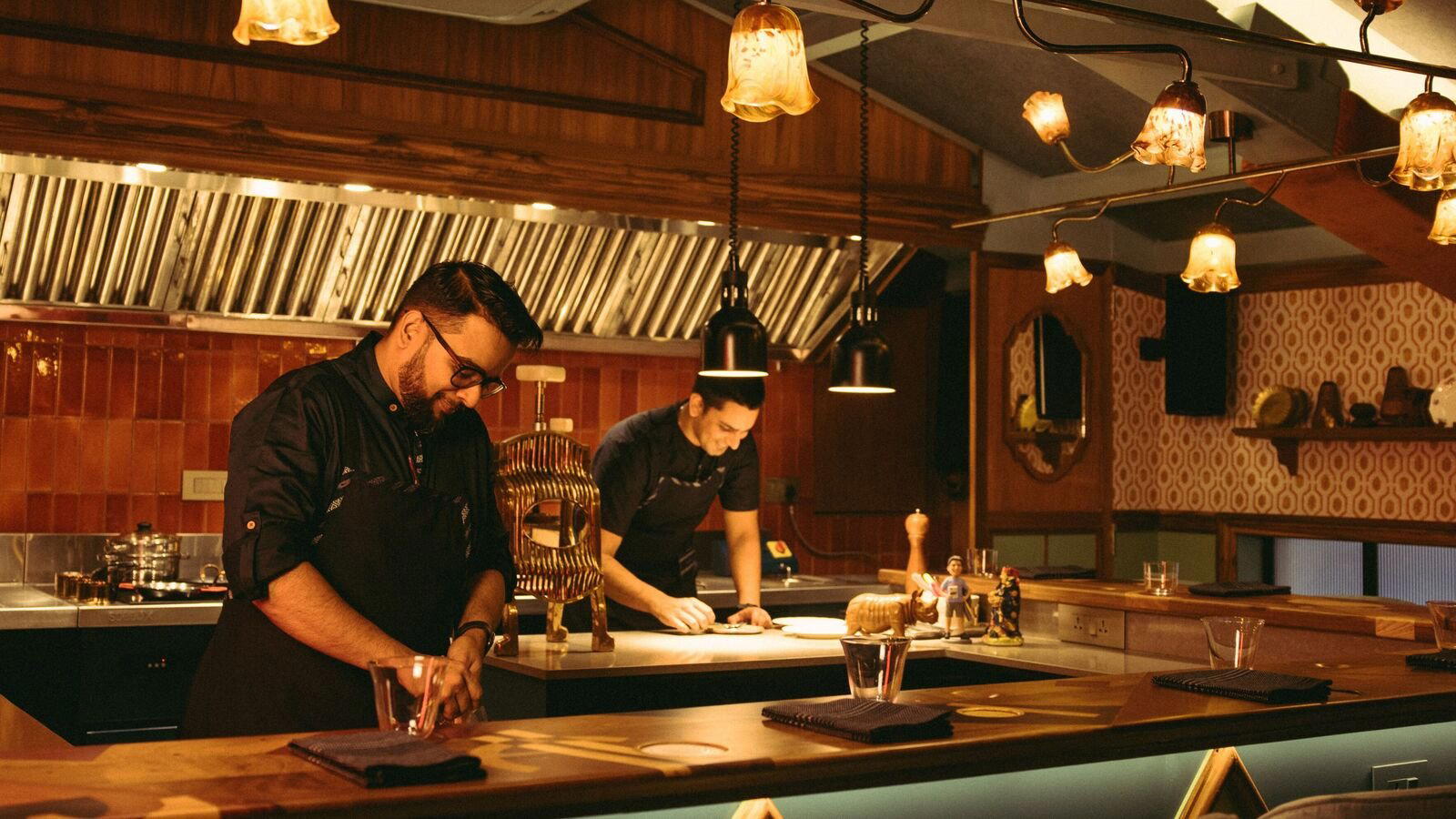
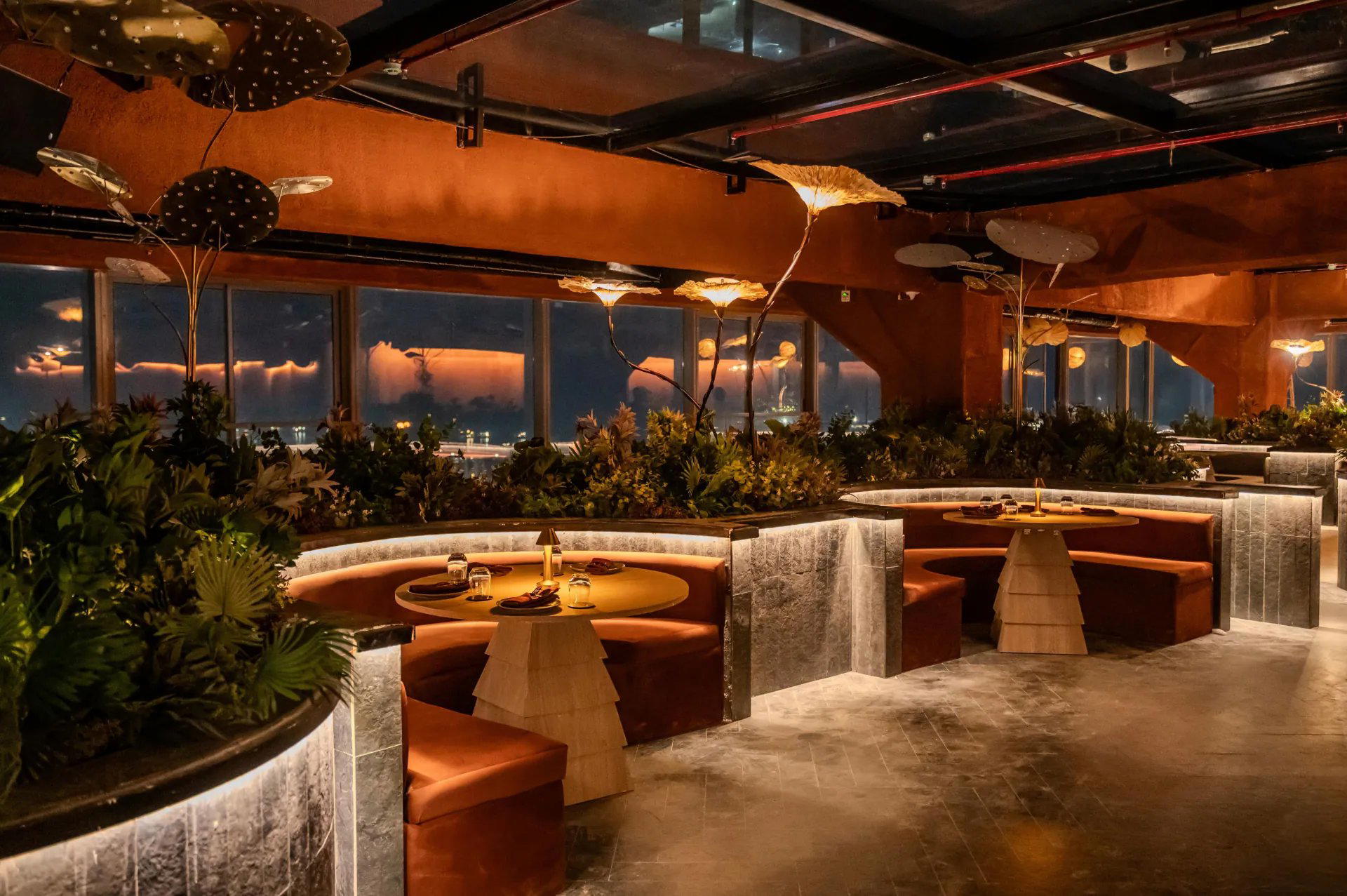
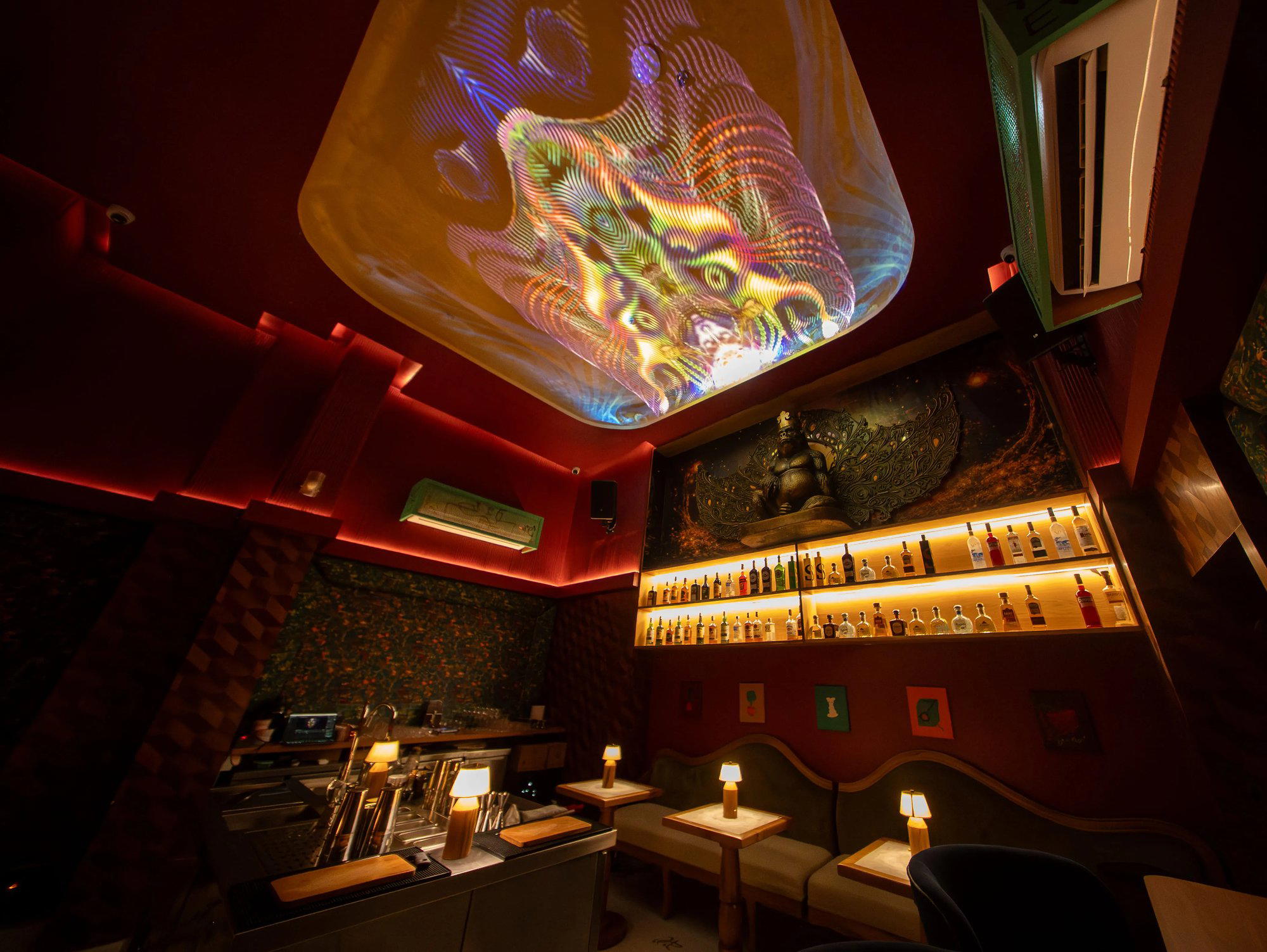
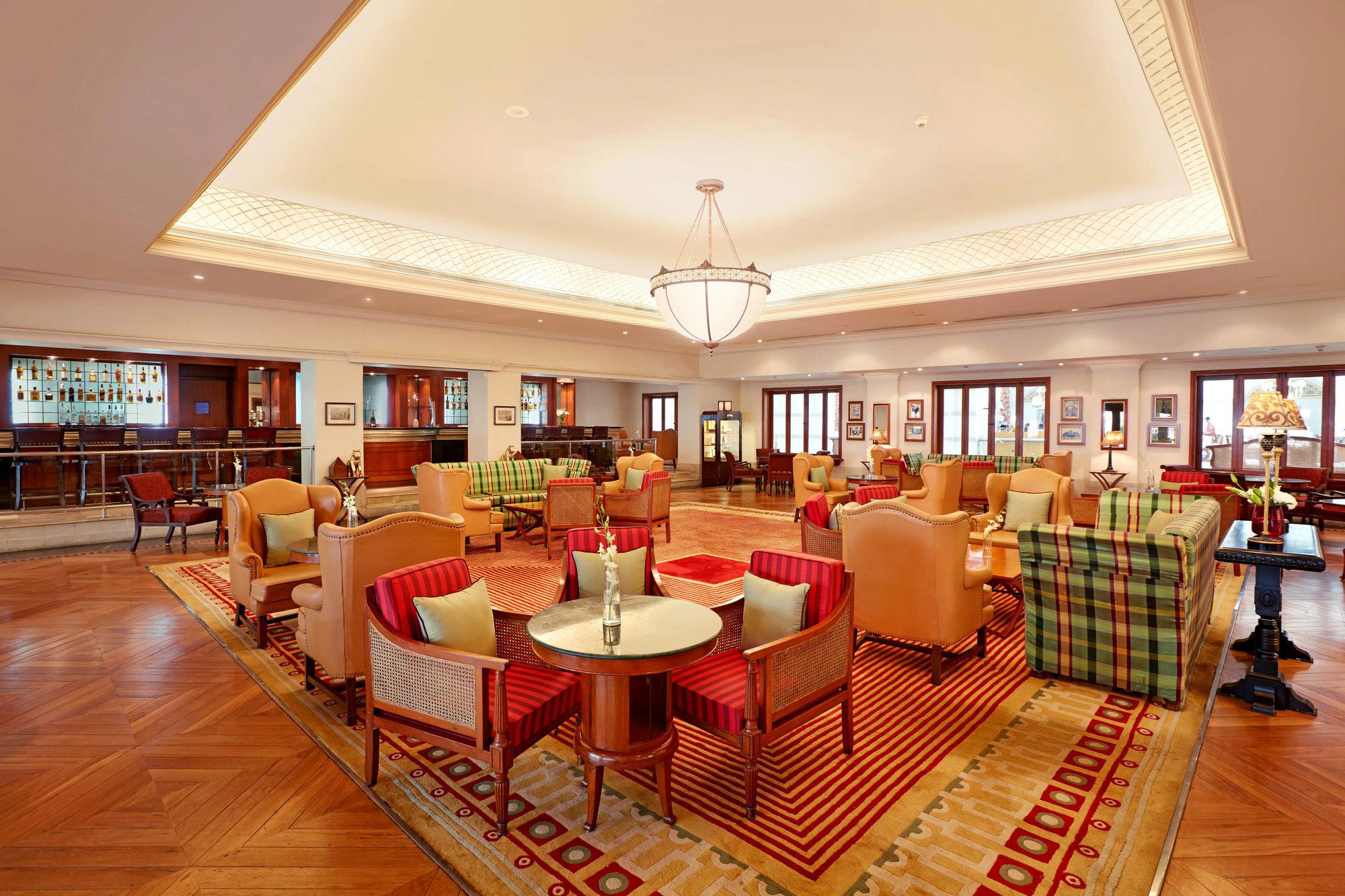
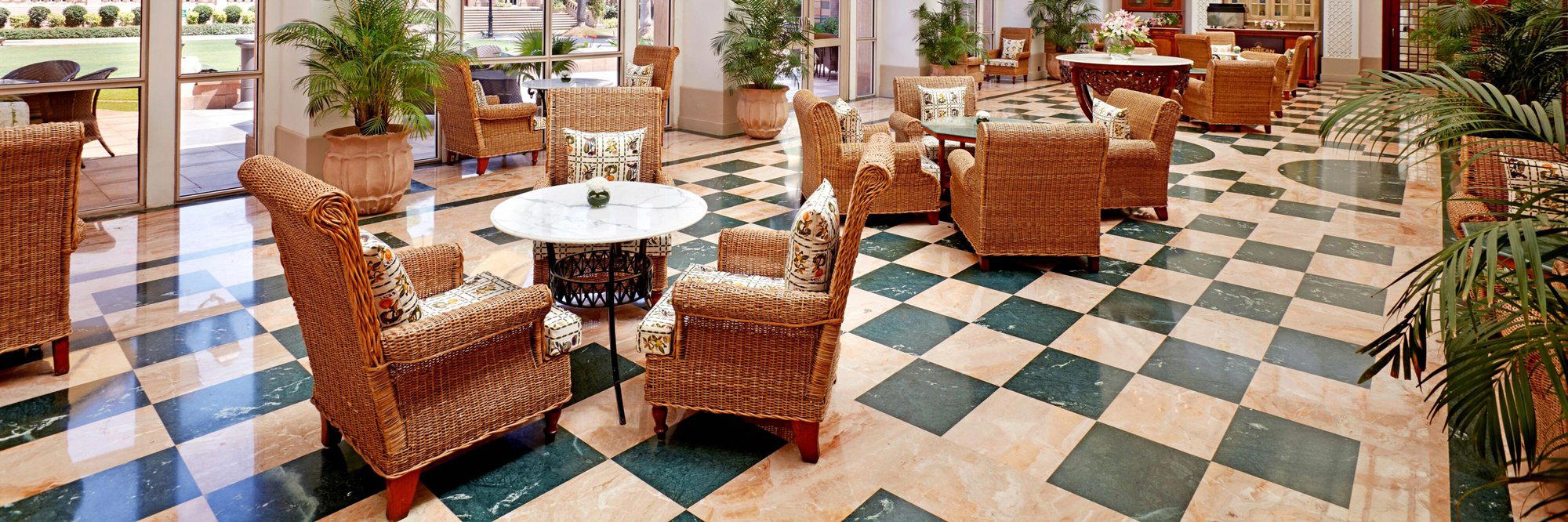
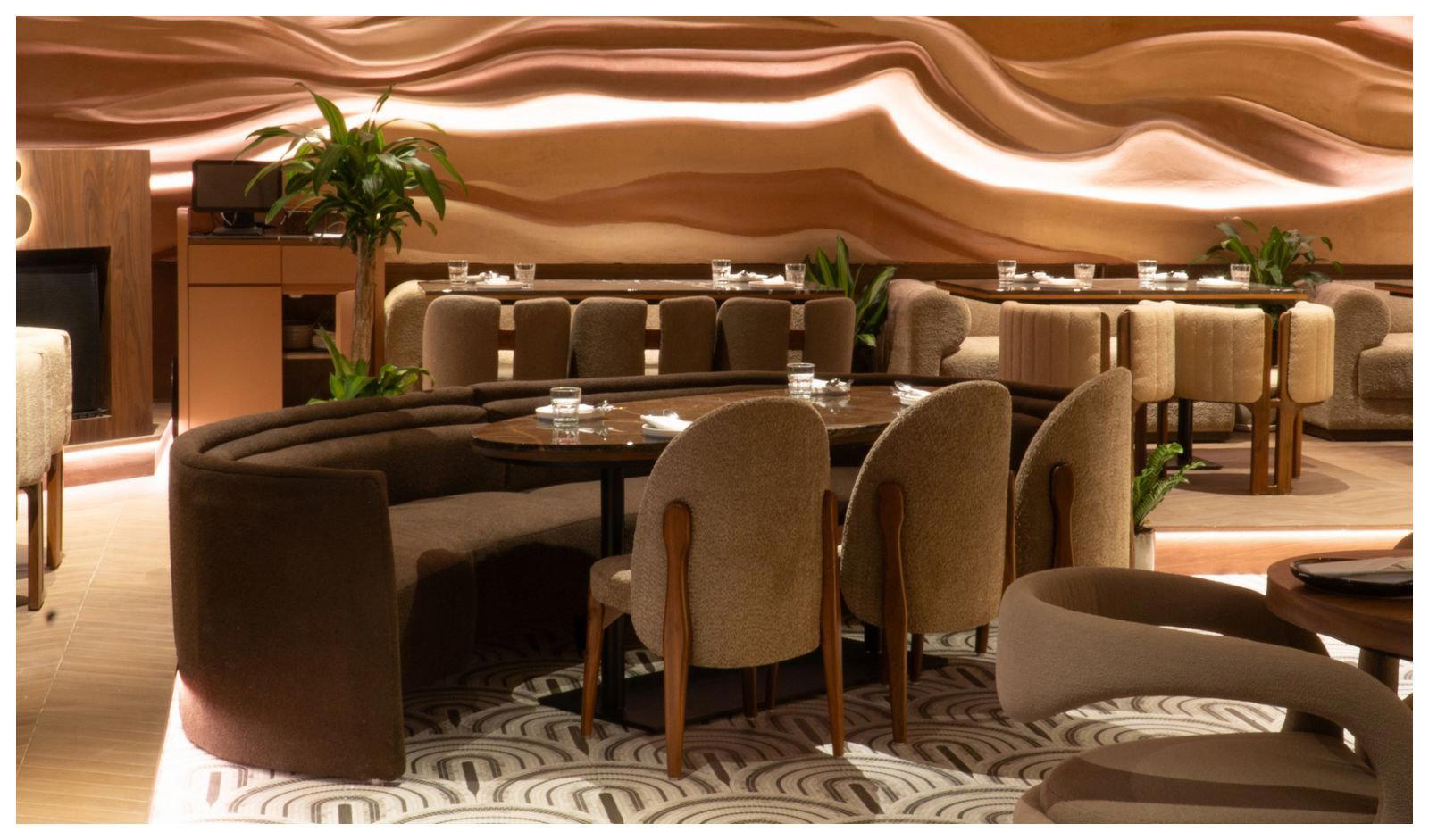
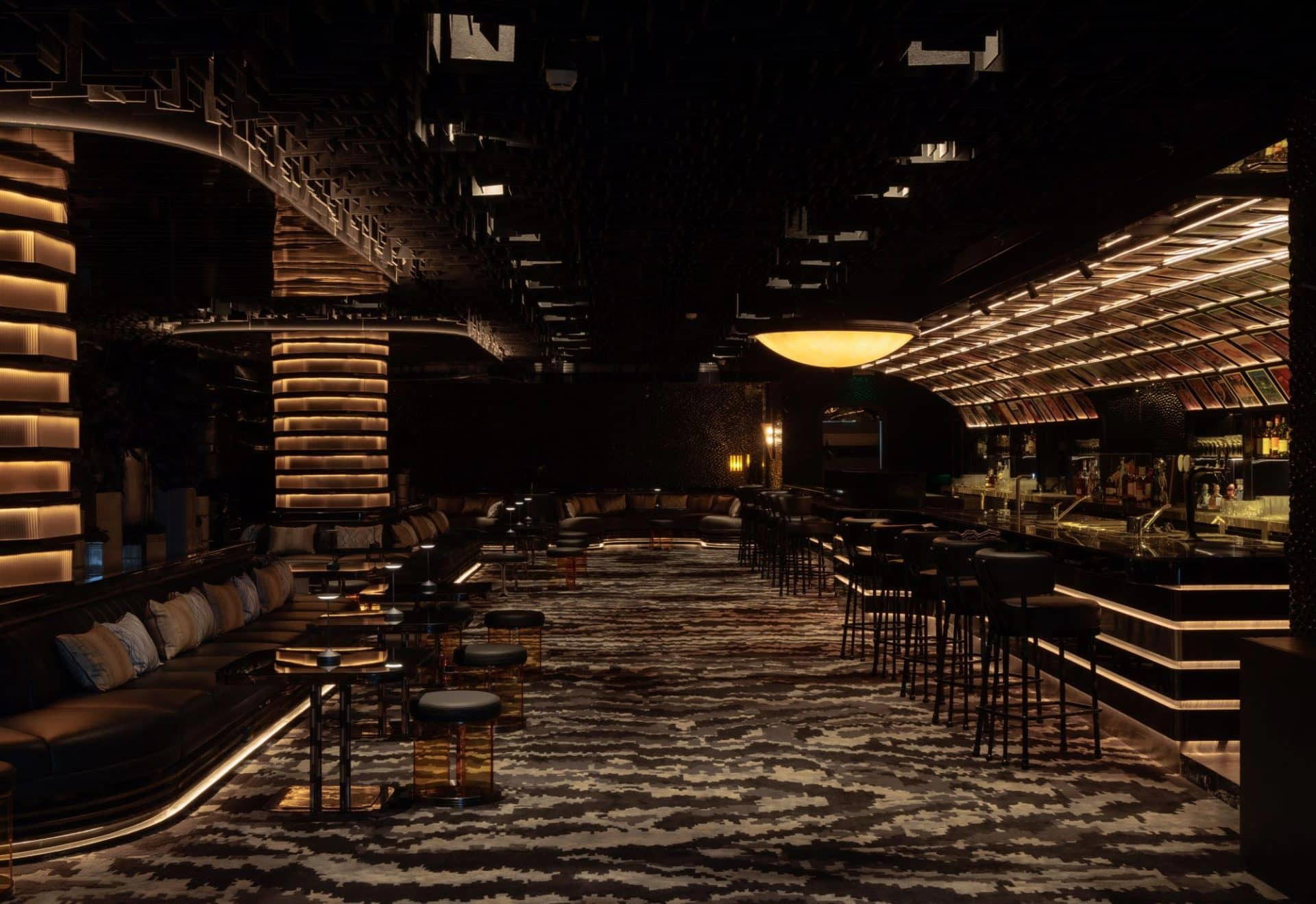
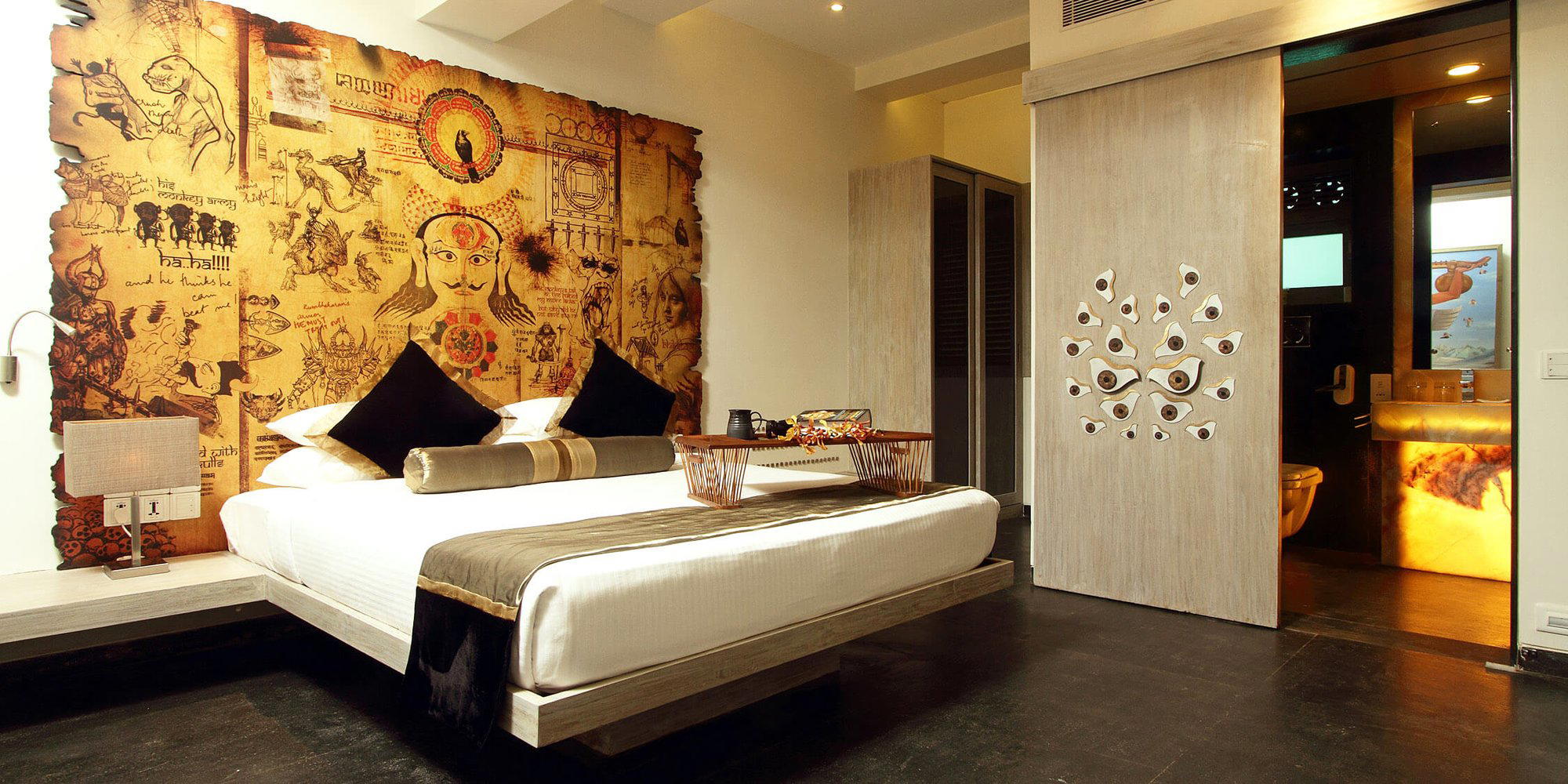
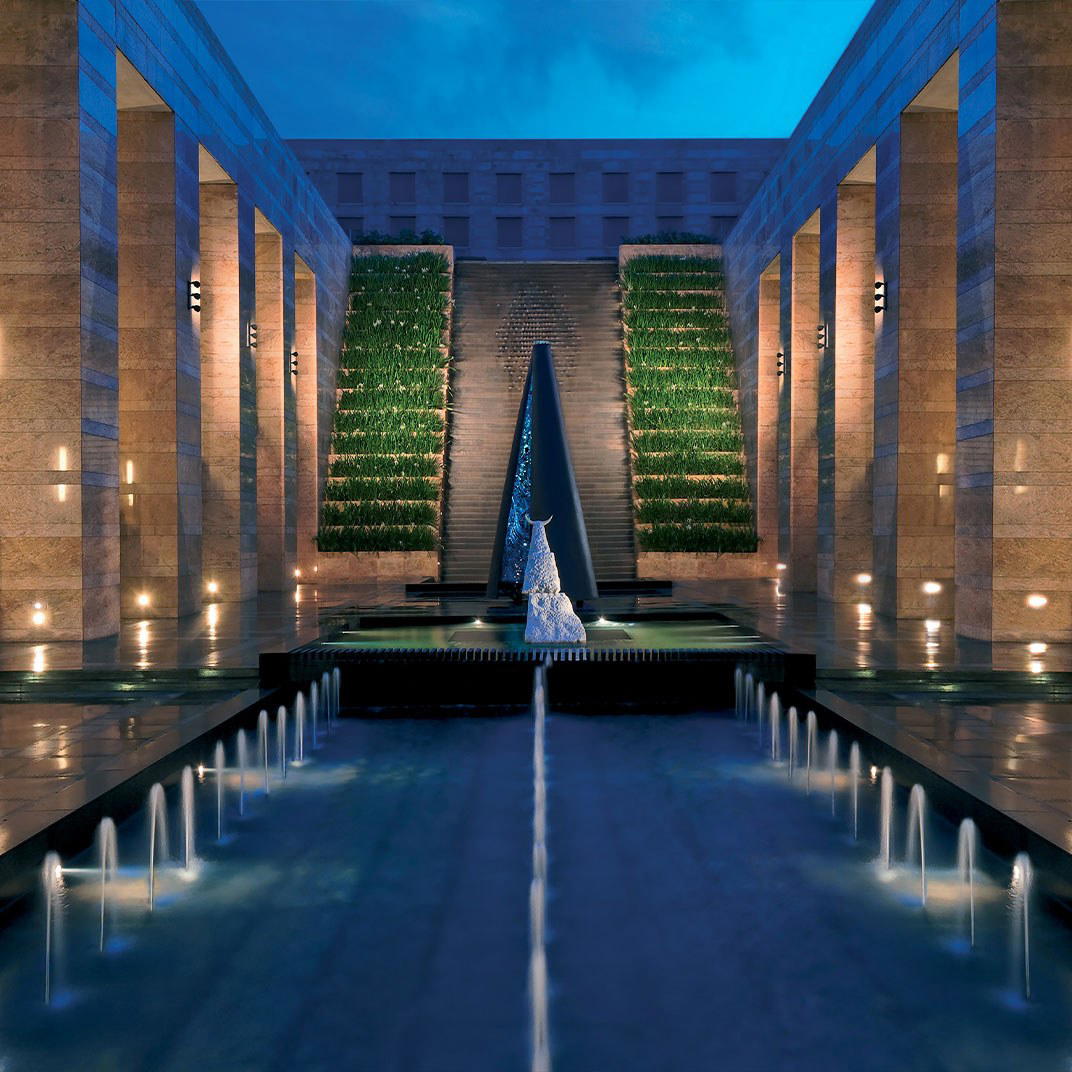
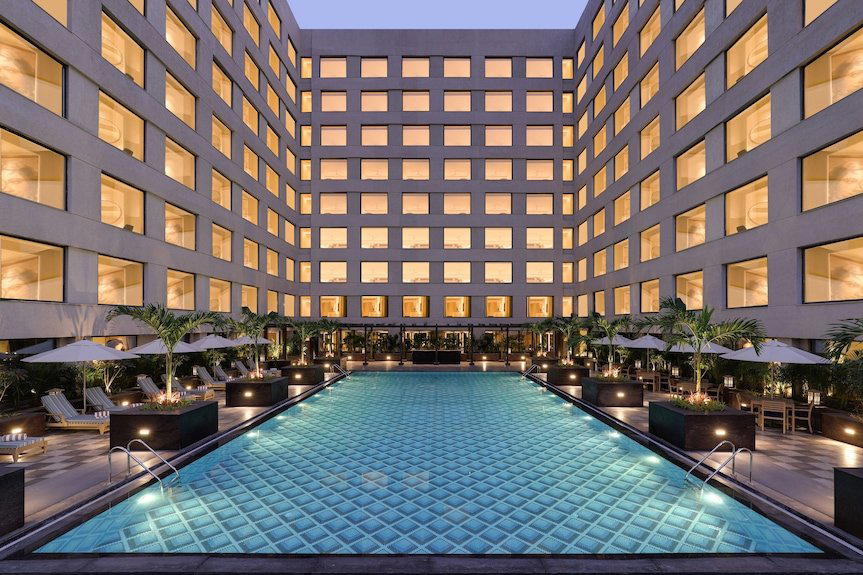
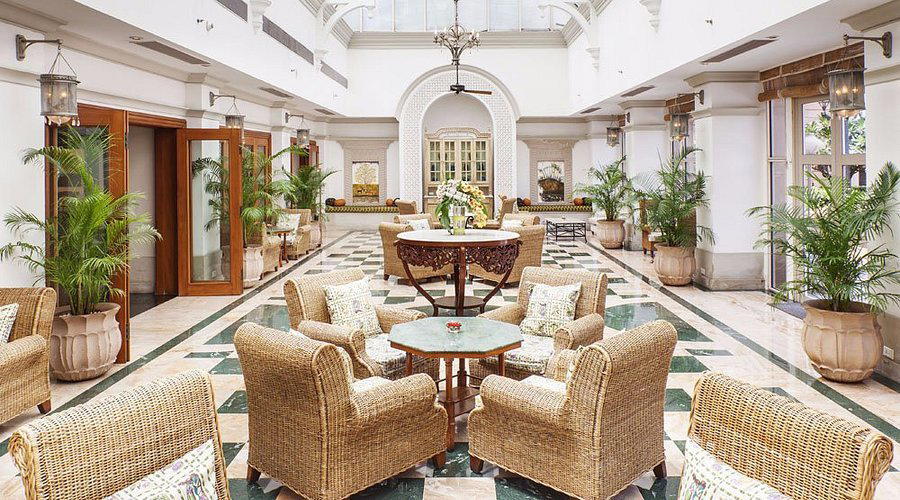
Refined atmosphere with subtle lighting, plush seating, and an immersive culinary theatre experience.