Serendipity 3 - Upper East Side
Open since 1954, Serendipity 3 on the Upper East Side is one of New York City's most recognisable dessert institutions, built around theatrical frozen drinks and oversized sundaes that have drawn regulars and record-setters for seven decades. It occupies a distinct tier in the city's dining map: not a fine-dining room, but a destination with genuine cultural longevity and a following that spans generations.
Pearl is the En Primeur Club membership app — saves, bookings, and concierge access live there. Same editors, same standards.
- Address
- 225 E 60th St, New York, NY 10022
- Phone
- +1 646 212 1442
- Website
- serendipity3.com
- Directions
- Get directions
 Saves & bookings on Pearl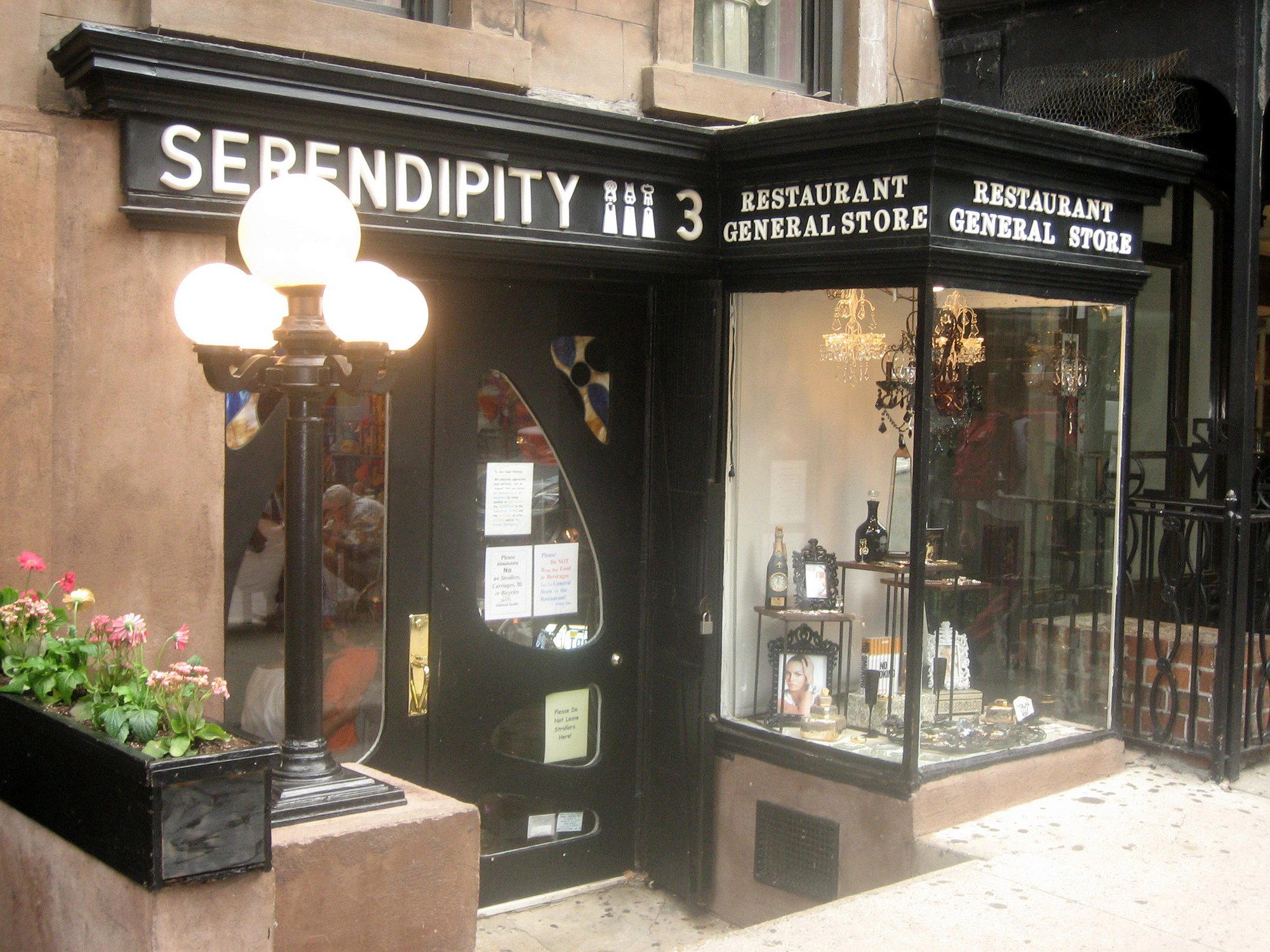
Seven Decades on East 60th Street
Serendipity 3 is an Upper East Side restaurant in New York City, known for Well-known American Desserts & Comfort Food and priced at about $30 per person. When Serendipity 3 opened in 1954 on East 60th Street, the Upper East Side dining scene looked nothing like it does today. The neighbourhood's restaurant culture was dominated by white-tablecloth establishments serving old-money households, and the idea of a general store turned café serving frozen hot chocolate to artists, students, and socialites was genuinely countercultural. The venue's longevity is not a product of nostalgia alone. It reflects a particular strand of New York hospitality that prizes character and consistency over refinement, the same strand that keeps certain diners returning to the same corner booth for thirty years.
That founding moment matters when you consider how American dessert culture has evolved. Where operations like Eleven Madison Park and Per Se have pushed dessert courses into the territory of precision pastry and single-origin sourcing, Serendipity 3 occupies the other end of the spectrum: abundance, scale, and an unapologetically maximalist presentation that predates the Instagram era by half a century.
What the Menu Is Actually Doing
The editorial angle most often missed with Serendipity 3 is its relationship to ingredients. The venue built its reputation on a handful of items, most famously the Frozen Hot Chocolate, a drink that requires good-quality chocolate to work at all. At the scale of servings that have moved through the kitchen since 1954, sourcing consistency matters more than it might at a tasting-menu counter serving forty covers a night. The house's signature drink relies on a proprietary blend of cocoa varieties, which places ingredient sourcing at the centre of the format rather than at the periphery.
This approach connects Serendipity 3 to a broader pattern visible across American dining. Farm-to-table operations like Blue Hill at Stone Barns in Tarrytown and Single Thread Farm in Healdsburg make ingredient provenance the primary narrative. At the other end of the price spectrum, a different kind of sourcing discipline operates: when a single recipe has been on the menu for seventy years, the supply chain that supports it has to be stable. Variation in base ingredients at that scale is not a creative experiment; it is a product failure.
The sundaes follow the same logic. Items built around premium chocolate, fresh cream, and house-made components represent a commitment to repeatable quality rather than seasonal novelty. It is a different philosophy from what drives the kitchen at Le Bernardin or Atomix, but it is a philosophy, not an absence of one.
Record-Setting and Cultural Weight
Serendipity 3 has appeared in the Guinness World Records on more than one occasion for large-format dessert creations, including high-cost sundaes that attracted significant press coverage in the 2000s. These are not merely publicity exercises. They reflect a venue confident enough in its base product to push format to extremes, knowing that the core audience will still be there for the standard menu. That kind of confidence, earned over decades, is a trust signal that operates differently from a Michelin star but is no less legible to a regular visitor.
The cultural footprint extends beyond food media. Serendipity 3 has appeared in films and has served a long roster of well-known visitors over its seven-decade run, a claim supported by public record rather than promotional copy. For context on what that kind of longevity means in New York's hospitality market, consider how few restaurants from the 1950s are still operating at their original address. The city's attrition rate for dining establishments is high enough that seven decades in one location is a logistical achievement before it is a cultural one.
The Upper East Side Context
The Upper East Side today runs a range of dining registers, from the neighbourhood's long-standing French and continental institutions to newer openings that reflect the city's broader shift toward tasting menus and chef-driven formats. Serendipity 3 sits apart from that competitive set entirely. Its nearest peer group is not the four-star rooms that line up in Midtown, including Masa, but rather a smaller category of New York venues with decades of operation, a signature item that functions as shorthand for the whole establishment, and a visitor profile that mixes tourists, locals, and regulars in roughly equal measure.
That mix is worth noting because it is harder to sustain than it looks. Venues that attract too much tourist traffic often lose the local regulars who give a dining room its character. Venues that protect the regular clientele too carefully become invisible to visitors. Serendipity 3 has managed both constituencies simultaneously, which in New York, where the two groups tend to sort into separate establishments, is less common than it should be.
For a broader map of where this venue sits in the city's dining geography, the full New York City restaurants guide provides neighbourhood-level context. Comparison points elsewhere in the country include Emeril's in New Orleans, Lazy Bear in San Francisco, Smyth in Chicago, Providence in Los Angeles, Addison in San Diego, The Inn at Little Washington, Frasca Food & Wine in Boulder, and The French Laundry in Napa, venues that illustrate the full range of what American dining institutions look like across formats and price tiers. For international reference points, Atelier Moessmer Norbert Niederkofler in Brunico and Dal Pescatore in Runate demonstrate how European establishments achieve comparable longevity through different means.
Planning Your Visit
Serendipity 3 is located at 225 East 60th Street, within walking distance of the Lexington Avenue subway lines and a short distance from Central Park's southeastern corner. The venue draws consistent queues, particularly on weekends and during the summer months, and walk-in waits during peak periods can be substantial. Visiting on a weekday, or arriving shortly after opening, reduces the wait considerably. The format is casual and the dress code is informal; this is not a reservation-required tasting-menu experience, though reservations are recommended.
Cuisine Lens
Comparable venues nearby, for context on price, style, and recognition.
| Venue | Cuisine | Price | Notes |
|---|---|---|---|
| Serendipity 3 - Upper East SideThis venue — the venue you are viewing | Well-known American Desserts & Comfort Food | $$ | Not listed |
| Bellhop | Modern American | $$ | Chelsea-Hudson Yards |
| 232 Bleecker | Vegetable-Forward American | $$ | West Village |
| Austin's Ale House | American Ale House | $$ | Kew Gardens |
| Forty Carrots | American Cafe with Frozen Yogurt | $$ | Upper East Side-Carnegie Hill |
| Astro | Classic American Diner | $$ | Midtown-Times Square |
Continue exploring
More in New York City
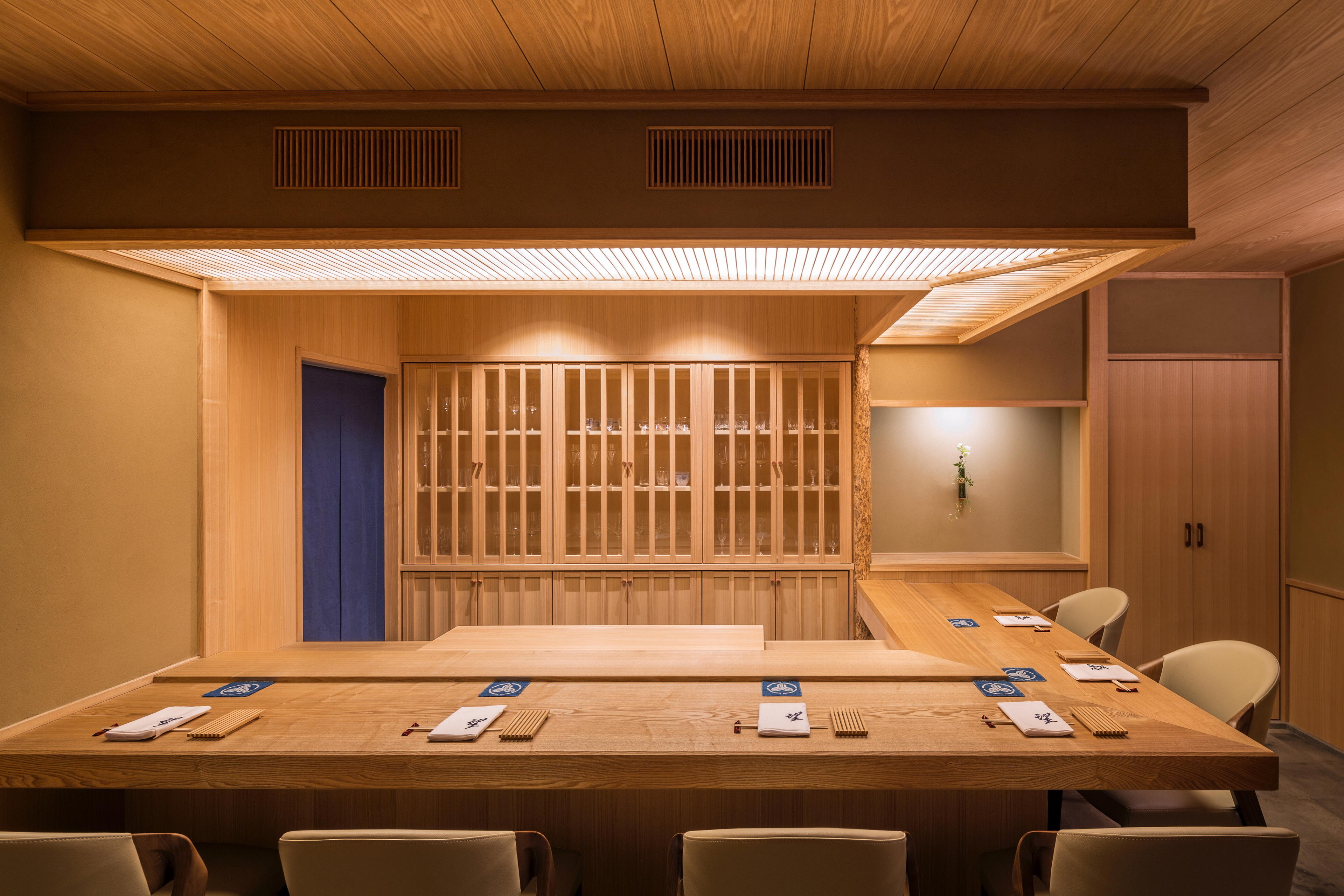
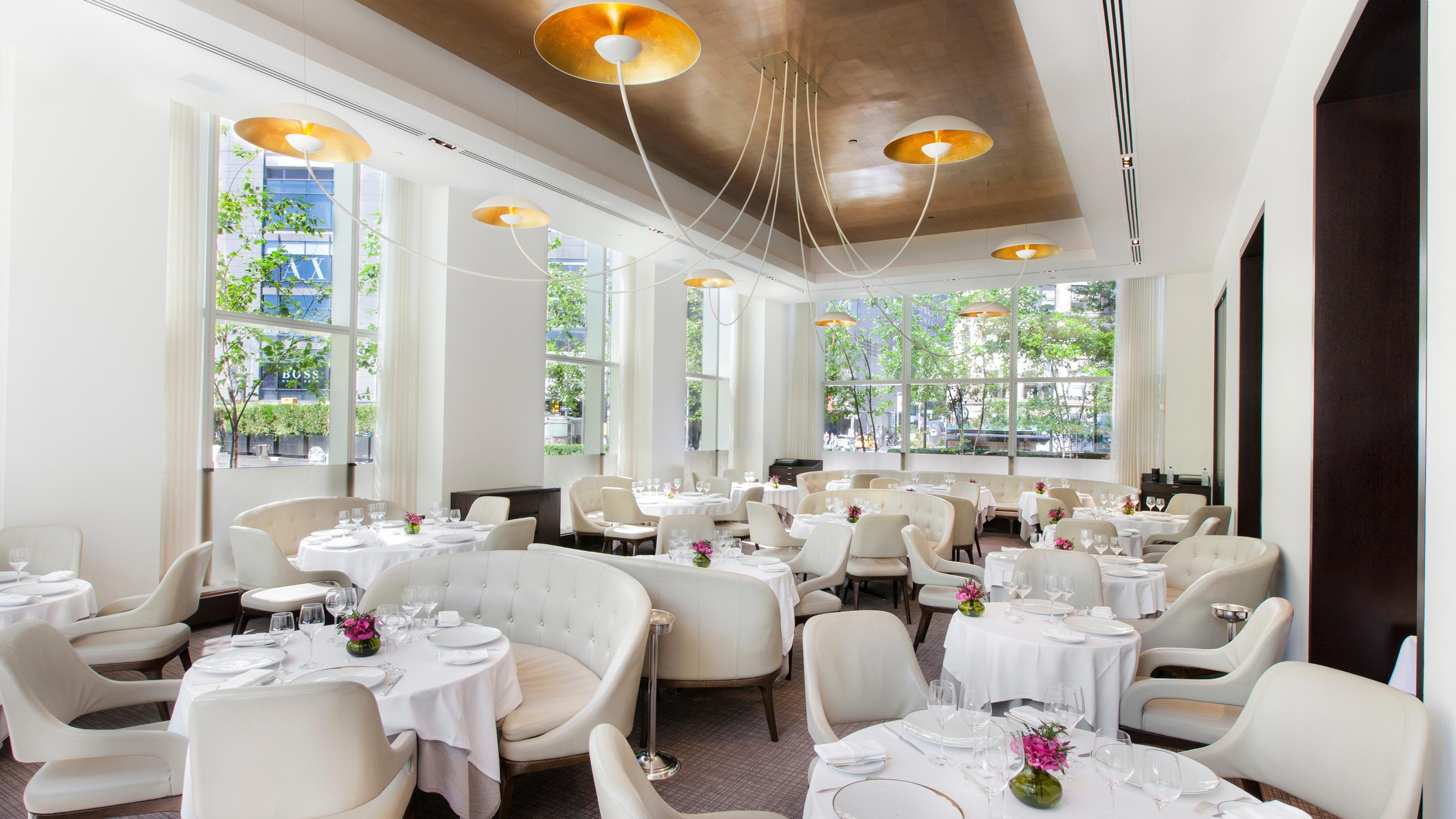
Restaurants in New York City
Browse all →
Bars in New York City
Browse all →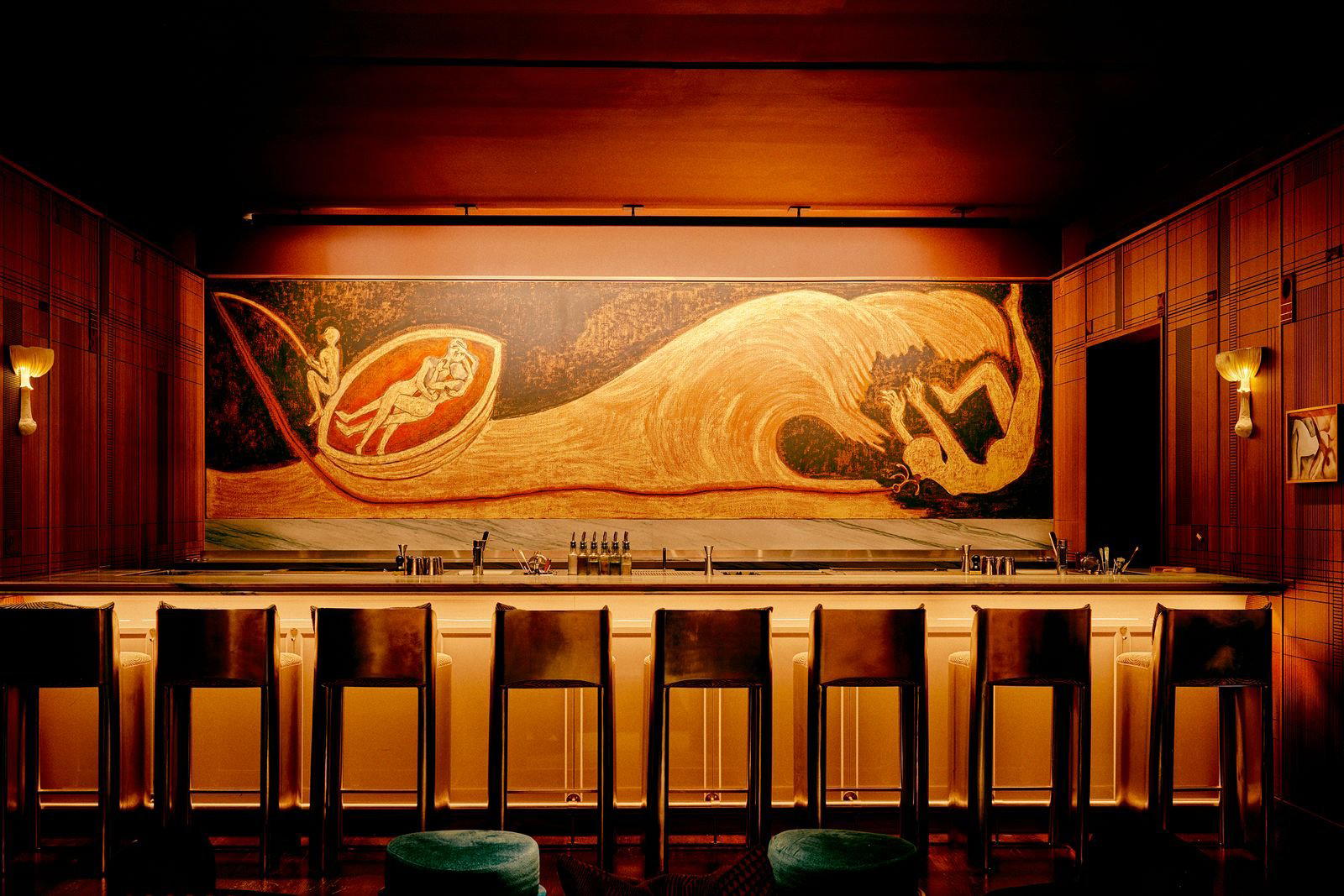
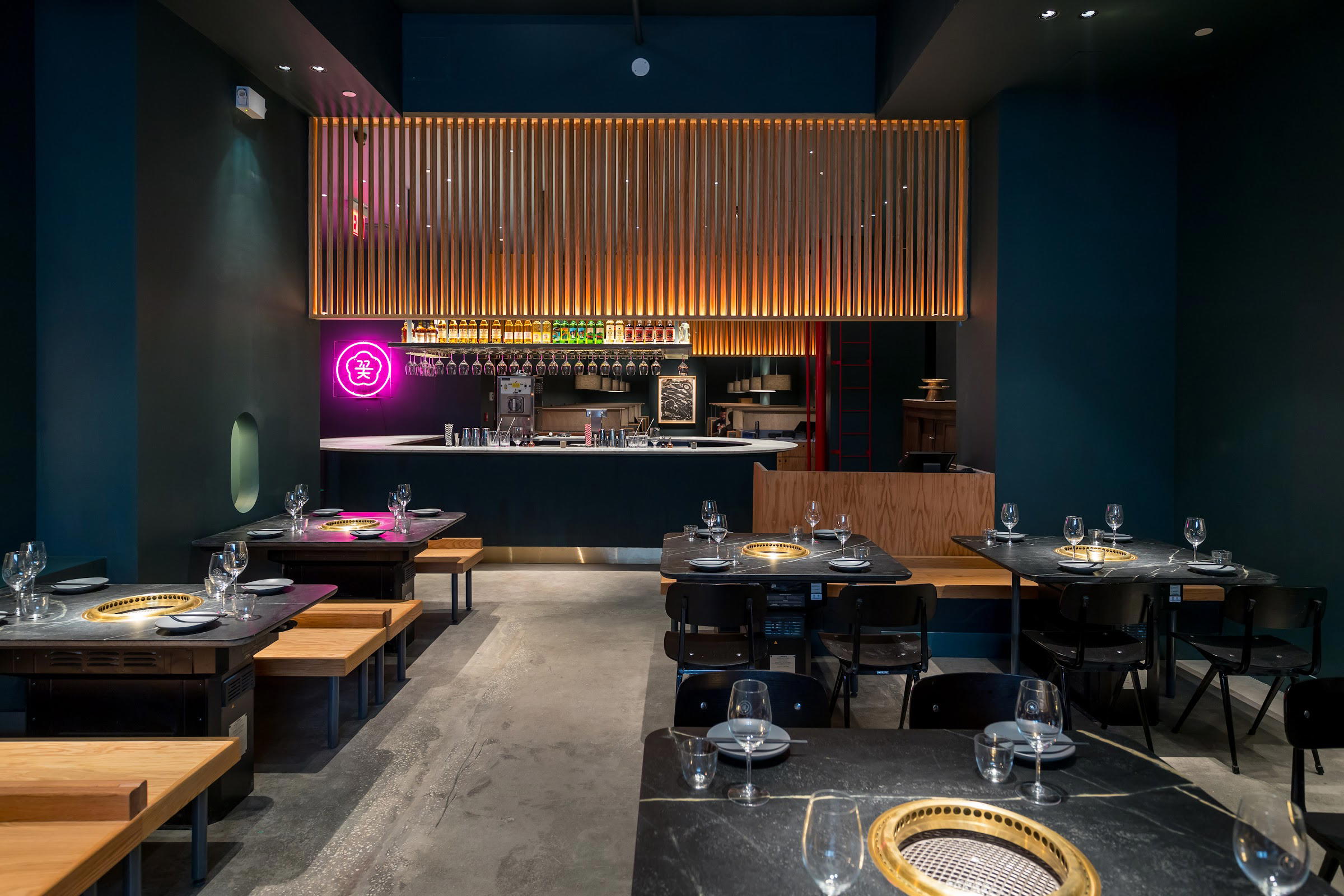
Hotels in New York City
Browse all →





At a Glance
- Whimsical
- Well Known
- Cozy
- Family
- Celebration
- Brunch
- Casual Hangout
- Historic Building
Current opening hours
- Monday
- 11 AM–11 PM
- Tuesday
- 11 AM–11 PM
- Wednesday
- 11 AM–11 PM
- Thursday
- 11 AM–11 PM
- Friday
- 11 AM–11 PM
- Saturday
- 10 AM–11 PM
- Sunday
- 10 AM–11 PM
Hours can change for holidays and private events. Last verified .
Whimsical atmosphere with exuberant Victorian decorations and eclectic decor that charms families and evokes childhood joy.