Astro
Astro sits at 1361 6th Avenue in Midtown Manhattan, placing it inside one of New York's most concentrated corridors of serious dining. The venue occupies a city where the gap between a credentialed tasting counter and a neighbourhood bistro is measured in both dollars and ritual, and Astro positions itself accordingly. For readers planning a considered evening in this part of the city, it warrants a close look.
Pearl is the En Primeur Club membership app — saves, bookings, and concierge access live there. Same editors, same standards.
- Address
- 1361 6th Ave, New York, NY 10019
- Phone
- +1 212 489 6284
- Website
- astrorestaurant.com
- Directions
- Get directions
 Saves & bookings on Pearl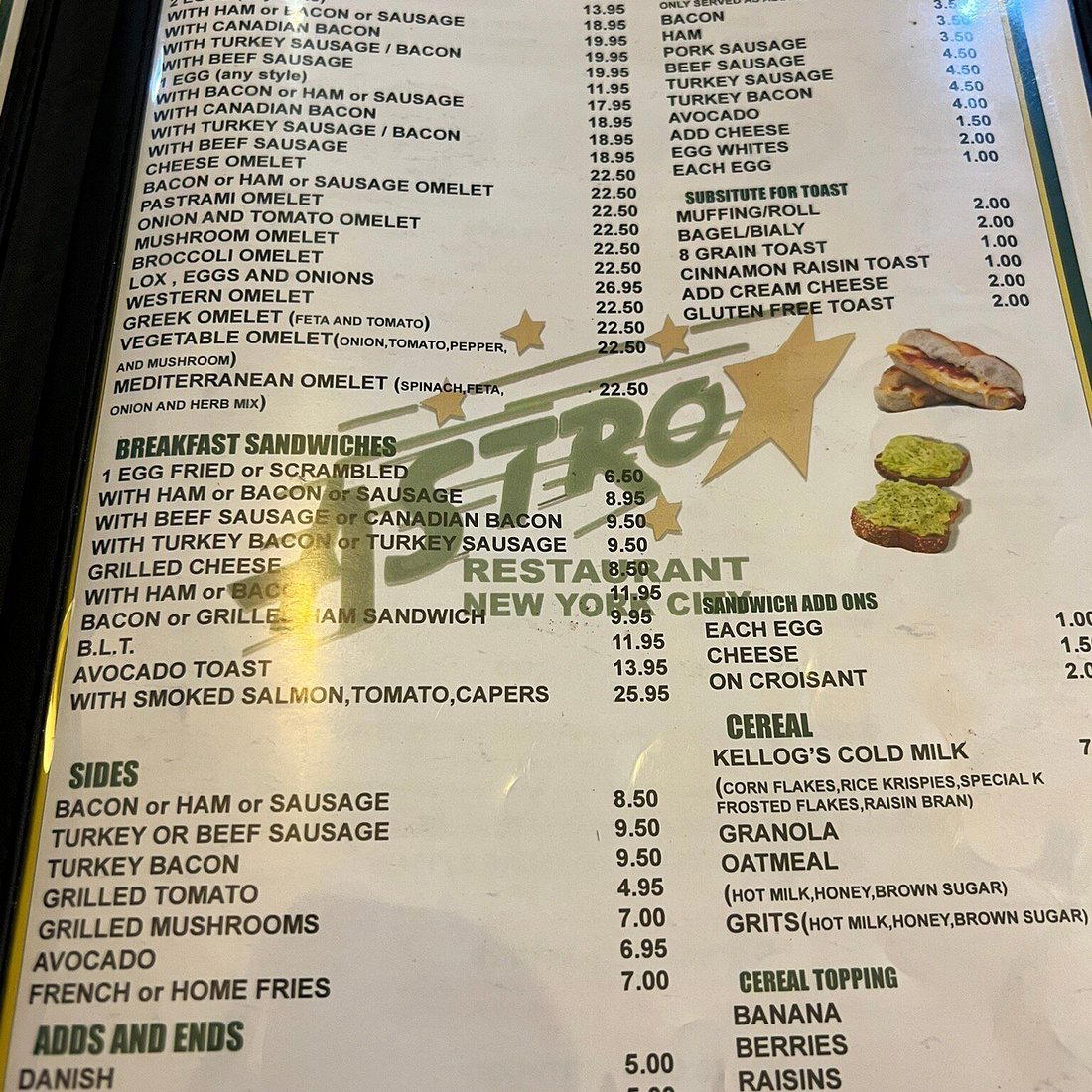
The Midtown Dining Ritual and Where Astro Sits Within It
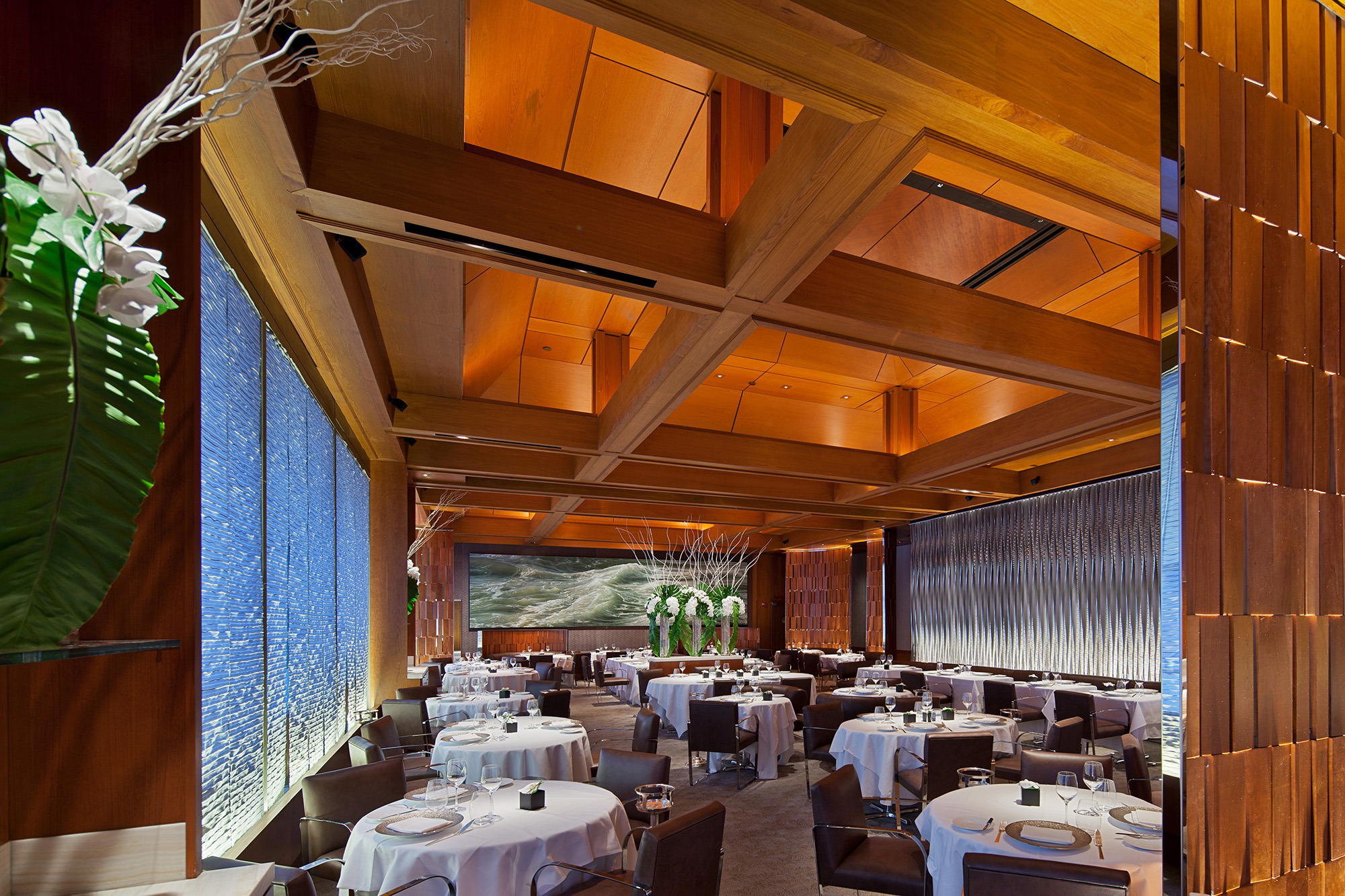
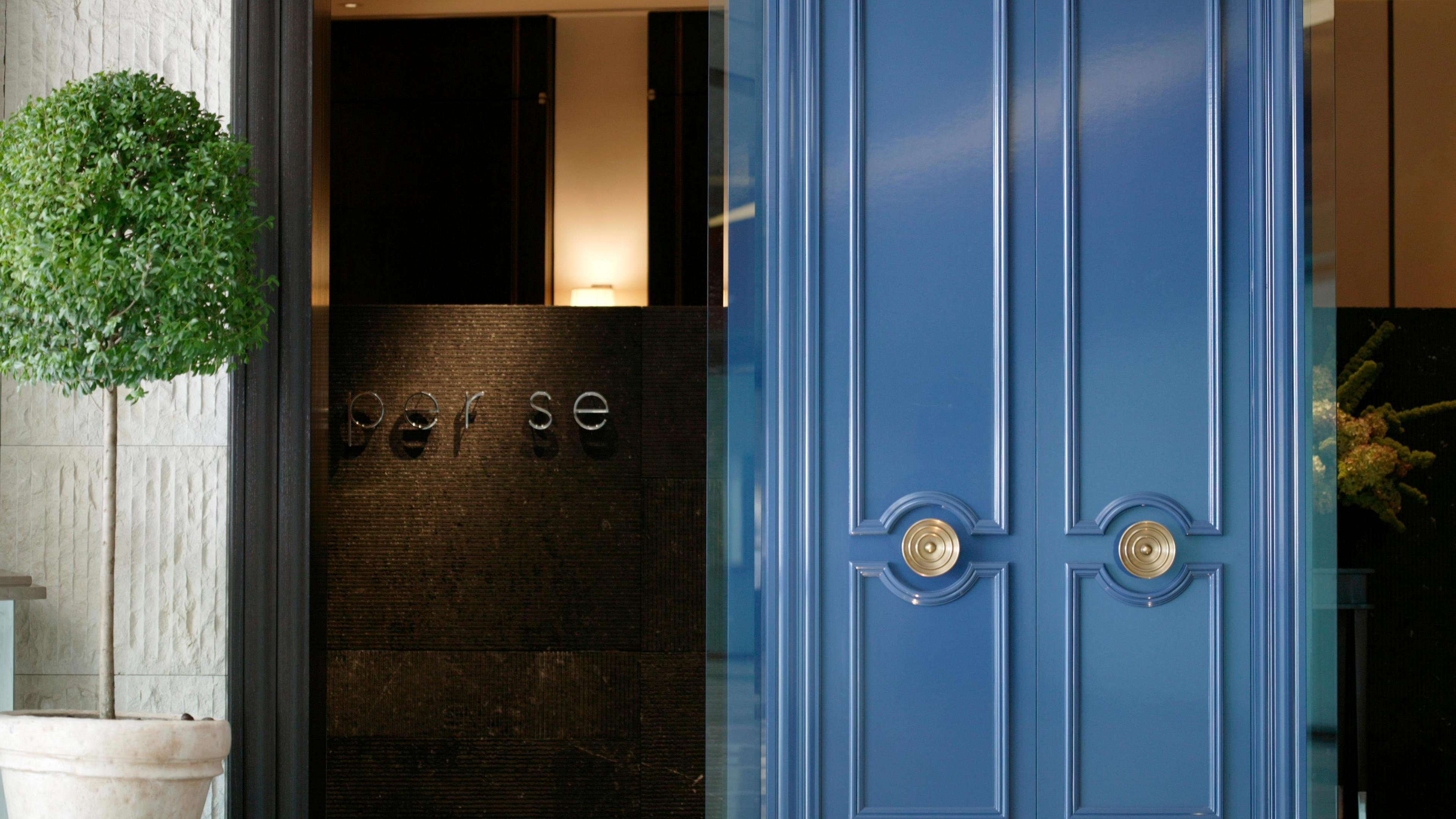
Sixth Avenue in Midtown carries a particular weight in New York dining geography. The stretch running north from Rockefeller Center toward Central Park is home to some of the city's most formally structured meal experiences, venues where the pace of service, the sequencing of courses, and the physical environment are all calibrated to a specific kind of evening. Le Bernardin, a few blocks away, has defined the French seafood tasting format for decades. Per Se, a short distance further at Columbus Circle, operates at the furthest reaches of American fine dining formality.
New York's premium dining tier has always been organised around ritual as much as ingredient sourcing or technique. Tokyo, Copenhagen, and Paris share one feature with Manhattan: a dining public that understands how a meal is meant to unfold, and expects the room, the staff, and the kitchen to hold to that structure. In this part of Midtown, a reservation is not simply a transaction. It is an entry point into a choreographed sequence that has its own customs, its own pacing, and its own etiquette expectations.
A Neighbourhood Built Around Structured Eating
The concentration of high-format dining along this corridor reflects something specific about Midtown's position in the city. Unlike the more experimental clusters in the East Village, the Lower East Side, or along the Brooklyn waterfront, Midtown's premium restaurants tend toward the classical end of the dining spectrum. The rooms are larger, the service teams more numerous, and the clientele a mix of business entertainment and destination diners arriving from outside the five boroughs. This is the part of Manhattan where international visitors who have researched New York dining before they land tend to end up.
That context shapes how a venue at 1361 6th Avenue operates. The rhythms of service in this district are generally unhurried; kitchens pace their output against a dining room whose guests expect the full arc of an evening rather than a fast table turn. Compare this to the counter format that has become influential at venues like Atomix in Midtown East, or the hyper-curated progression at Eleven Madison Park in the Flatiron district, and the distinctions within New York's premium tier become clear. Midtown 6th Avenue is its own sub-market, with its own conventions.
The Dining Ritual in Practice
Across American fine dining, the shift of the last decade has been away from purely French service conventions toward something more hybridised, courses that acknowledge Asian technique, tableside work borrowed from Spanish kitchens, beverage pairings that treat spirits and fermented drinks with the same seriousness once reserved for wine. Venues like Masa operate entirely within a Japanese omakase grammar that has no European cognate. Others, like Blue Hill at Stone Barns in Tarrytown, have built their ritual around farm provenance and seasonal produce cadence rather than classical French structure.
What this means for a diner choosing among New York's premium options is that the ritual itself, not just the food, is a selection criterion. Some rooms expect silence and restraint. Others are built around conversation between kitchen and guest. The counter format, where the cook-to-diner relationship is direct and visible, carries entirely different social expectations than a tablecloth room where courses arrive through a brigade system. Understanding which version of the fine dining ritual a venue is executing is as important as understanding its menu philosophy.
The broader American context is worth holding in view. From The French Laundry in Napa to Lazy Bear in San Francisco, from Smyth in Chicago to Providence in Los Angeles, the country's most serious dining rooms have developed distinct regional cadences. Single Thread Farm in Healdsburg structures its ritual around Japanese kaiseki pacing. Addison in San Diego operates within a California-inflected European framework. The Inn at Little Washington operates with theatrical Southern formality. New York's 6th Avenue corridor, by contrast, tends toward a transatlantic seriousness that reflects the city's own self-image.
Placing Astro in the Wider Conversation
For readers building a considered New York itinerary, the relevant comparison set is not just other restaurants in the immediate vicinity. It is worth thinking about what kind of evening you are trying to construct. Venues on this stretch of Midtown tend to reward guests who arrive with time, who are not squeezing dinner between a show curtain and a last subway. The ritual of a long, structured meal in this part of the city is its own destination, not a preamble to something else.
International comparisons clarify the positioning further. The tasting counter format in Europe, at venues like Atelier Moessmer Norbert Niederkofler in Brunico or the multigenerational tradition at Dal Pescatore in Runate, carries a different weight of local context than a Midtown Manhattan room. New York's premium dining culture is younger, more compressed, and subject to faster turnover. A venue that holds its position in this market for more than a decade is making a different kind of argument than one that opens with momentum and recalibrates.
Regional American dining offers its own reference points. Emeril's in New Orleans and Frasca Food and Wine in Boulder have both built sustained local authority over long periods, which is a different achievement than landing in the upper tier of a market as competitive as Manhattan. For readers using New York as one stop on a wider American or international itinerary, understanding those distinctions shapes how to read any individual venue.
Know Before You Go
Address: 1361 6th Avenue, New York, NY 10019
Booking: Walk-ins are welcome, though busy times may still require a wait.
Dress Code: Casual.
Price Range: $$.
Hours: Mon: 6 AM-9:30 PM; Tue: 6 AM-10:30 PM; Wed: 6 AM-10:30 PM; Thu: 6 AM-10:30 PM; Fri: 6 AM-10:30 PM; Sat: 6 AM-10:30 PM; Sun: 6 AM-9:30 PM.
Comparable Options
Comparable venues nearby, for context on price, style, and recognition.
| Venue | Cuisine | Price | Notes |
|---|---|---|---|
| AstroThis venue — the venue you are viewing | Classic American Diner | $$ | Not listed |
| Whitmans | American Comfort Food & Craft Burgers | $$ | East Village |
| Benji's Buns | Gooey Cinnamon Rolls | $$ | West Village |
| The Bonnie | American Bar Food and Cocktails | $$ | Astoria (North)-Ditmars-Steinway |
| Brookvin | American Small Plates & Wine Bar | $$ | Park Slope |
| Hudson Garden Grill | Farm-to-Table New American | $$ | Bronx Park |
Continue exploring
More in New York City
Restaurants in New York City
Browse all →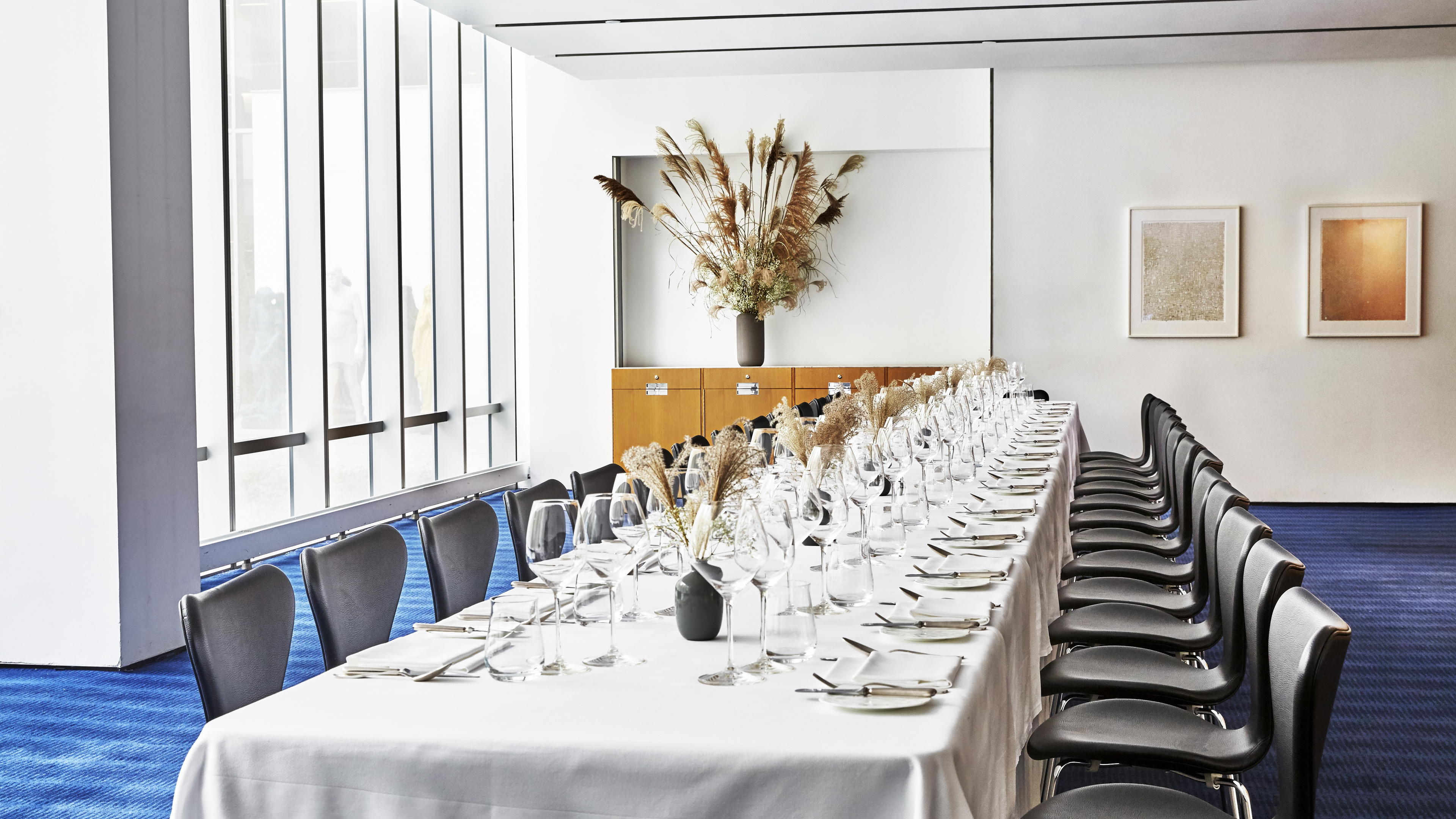
Bars in New York City
Browse all →

Hotels in New York City
Browse all →





At a Glance
- Classic
- Cozy
- Lively
- Casual Hangout
- Family
- Standalone
Current opening hours
- Monday
- 6 AM–9:30 PM
- Tuesday
- 6 AM–10:30 PM
- Wednesday
- 6 AM–10:30 PM
- Thursday
- 6 AM–10:30 PM
- Friday
- 6 AM–10:30 PM
- Saturday
- 6 AM–10:30 PM
- Sunday
- 6 AM–9:30 PM
Hours can change for holidays and private events. Last verified .
Comfortable family-friendly atmosphere with green seats, wood interior, friendly and warm vibe.