Seoul Tofu
Seoul Tofu sits on Spring Mountain Road, Las Vegas's most concentrated stretch of Korean dining, serving the kind of sundubu jjigae that holds a neighborhood together. The kitchen operates within a Korean-American culinary tradition where simplicity and ingredient discipline do more work than spectacle. For those eating along the Spring Mountain corridor, it represents the everyday anchor that the strip's more theatrical dining rarely attempts.
 Discover on Pearl
Pearl is the En Primeur Club membership app — saves, bookings, and concierge access live there. Same editors, same standards.
- Address
- 5980 Spring Mountain Rd suite 5-c, Las Vegas, NV 89146
- Phone
- (702) 272-1081
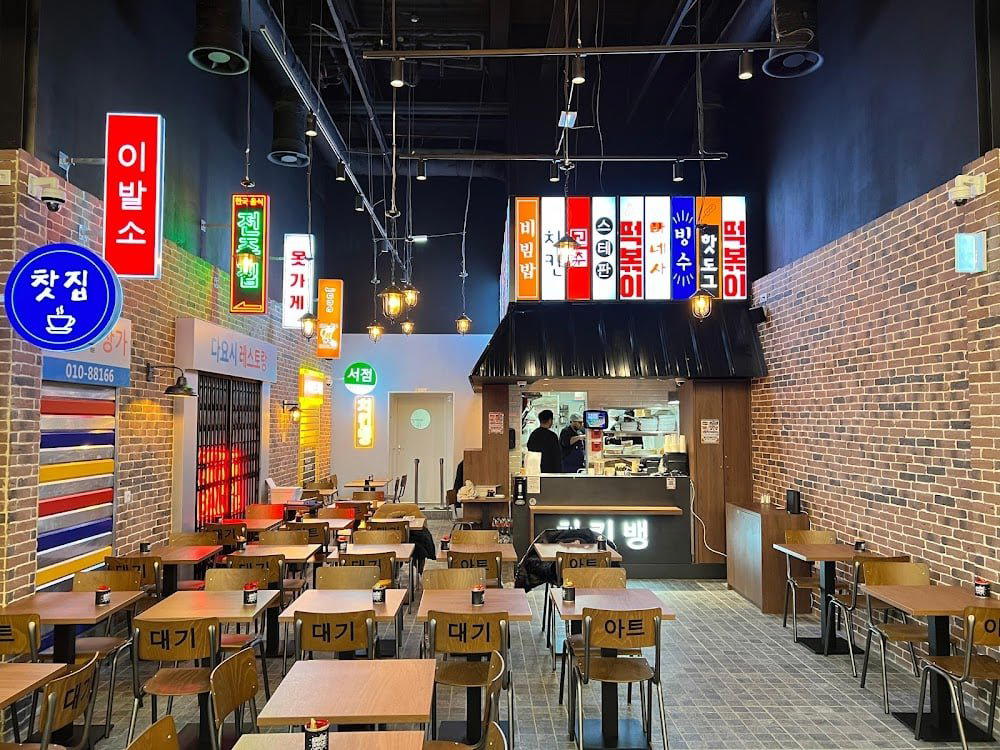
Spring Mountain Road and the Case for Everyday Korean
Seoul Tofu is a Korean restaurant in Las Vegas specializing in Korean tofu dishes, with a casual setting and a typical price point of about $20 per person. Las Vegas has a well-documented appetite for spectacle dining. Tasting menus at venues like Craftsteak or the format ambition of places like A Different Beast get the editorial attention, and justifiably so. But the city's Korean dining corridor along Spring Mountain Road operates on a different logic entirely, one built around repetition, reliability, and the kind of food that a community actually eats on a Tuesday night. Seoul Tofu, at 5980 Spring Mountain Road, sits squarely inside that tradition.
Spring Mountain Road between Decatur and Rainbow is one of the densest concentrations of Korean restaurants outside of Los Angeles's Koreatown. The corridor includes Korean BBQ houses, pojangmacha-style late-night spots, and a handful of specialty restaurants focused on single dishes. Seoul Tofu belongs to this last category: restaurants that build their identity around one preparation done consistently, rather than broad menus designed to appeal to every table. That focus is itself a form of editorial statement about what Korean home cooking prioritizes.
Sundubu Jjigae and the Ethics of the Simple Bowl
The sundubu jjigae tradition, which is the likely anchor of any venue operating under the Seoul Tofu name, is among the more resource-conscious formats in Korean cuisine. Soft tofu is the protein centerpiece, supplemented with broth, egg, and varying additions of seafood or pork. The dish is inherently low-waste: it uses small quantities of animal protein for flavor rather than volume, relies on fermented pastes like gochugaru and doenjang that are themselves preservation technologies, and generates almost no plate waste given how the broth encourages thorough consumption.
This matters in a city where the dominant dining model, particularly in the buffet and high-volume restaurant sector, operates at significant scale with correspondingly significant waste. The Spring Mountain corridor's smaller Korean independents, Seoul Tofu among them, represent a structurally different relationship with ingredients. Portions are calibrated rather than theatrical. The menu is tight enough that ingredient turnover stays high. These are not sustainability claims requiring certification; they are structural features of small, specialist kitchens that have always operated this way.
Across American cities, the Korean tofu house format has shown more durability than many restaurant categories precisely because it is resistant to trend cycles. While restaurants like Atomix in New York City represent Korean cuisine at its most refined and internationally recognized, the tofu house occupies a completely different tier, one that serves a neighborhood rather than a destination diner. Both are legitimate. They simply address different needs.
Placed in the Las Vegas Korean Scene
The Spring Mountain corridor contains a range of Korean formats. 777 Korean Restaurant and venues like 18bin represent different points on the spectrum from casual to more composed Korean dining. 108 Eats addresses the Korean-American comfort food overlap. Seoul Tofu positions itself at the most utilitarian end of this range, which is not a criticism. The tofu house format exists to serve a specific function, and venues that understand their function and execute it consistently earn their place in any dining ecosystem.
The contrast with the Strip's dining model is instructive. Operations like the Bacchanal Buffet serve thousands of covers daily across dozens of cuisines. The Spring Mountain independents, by contrast, run small rooms, tighter menus, and rely on repeat local custom rather than tourist volume. That business model, whatever its other constraints, produces a kitchen that is accountable to a returning audience rather than a one-time visitor who will never come back to report a poor experience.
Korean Tofu Cuisine in American Context
Growth of Korean cuisine in the United States over the past two decades has followed two largely parallel tracks. One track runs through fine-dining investment: the critical recognition of restaurants like Atomix, the integration of Korean technique into menus at prestige American venues, and the broader conversation about Korean flavor profiles in food media. The other track is the steady expansion of neighborhood Korean restaurants in cities with Korean-American populations, serving food that functions as daily sustenance rather than destination dining.
Spring Mountain Road sits on that second track. The tofu house, the BBQ room, the late-night pojangmacha: these formats have sustained Korean-American communities through the same years that Korean haute cuisine was earning international recognition. They are not lesser for being unrecognized by award bodies. Michelin's Guide covers Las Vegas, and its starred cohort, including the city's French and steakhouse anchors, reflects a specific slice of dining. The Spring Mountain corridor is largely outside that frame, which tells you more about the limits of award systems than about the quality of the food.
For reference on what Korean fine dining looks like at the award tier, Atomix in New York City offers a useful comparison point. The gap between Atomix and Seoul Tofu is not a hierarchy of quality so much as a difference in intent, audience, and economic model. Farm-to-table sustainability narratives get extensive coverage at places like Blue Hill at Stone Barns or Single Thread Farm in Healdsburg. The tofu house achieves a version of ingredient discipline through different means, without the marketing infrastructure to name it.
Planning Your Visit
Seoul Tofu is located at 5980 Spring Mountain Road, Suite 5-C, Las Vegas, NV 89146, in a strip mall format typical of the Spring Mountain corridor. The venue sits within walking distance of several other Korean restaurants, making it easy to build a broader Spring Mountain evening around it. Spring Mountain is most active on weekend evenings, when the corridor draws both Korean-American families and visitors who have done the homework to look beyond the Strip. Weekday lunches are typically calmer.
Address: 5980 Spring Mountain Rd, Suite 5-C, Las Vegas, NV 89146. Reservations: Walk-in friendly. Dress: Casual. Budget: About $20 per person. Getting there: Spring Mountain Road is accessible by car from both the Strip and residential west Las Vegas; street parking and strip mall lots are standard for the corridor.
A Quick Peer Check
Comparable venues nearby, for context on price, style, and recognition.
| Venue | Cuisine | Price | Awards | Notes |
|---|---|---|---|---|
| Seoul TofuThis venue — the venue you are viewing | Korean Tofu Specialties | $$ | , | |
| Googgle Man's Char Kuey Teow | Malaysian Char Kuey Teow | $$ | , | The Strip |
| Noodles | Pan-Asian Noodles | $$ | , | The Strip |
| Primrose | Modern French-American Brunch | $$ | , | The Strip |
| The Coffee Shop | American Comfort Foods | $$ | , | South Las Vegas |
| Culichitown Las Vegas | Mexican-Sushi Fusion | $$ | , | Rancho Sereno |
Continue exploring
More in Las Vegas
Restaurants in Las Vegas
Browse all →
Bars in Las Vegas
Browse all →

At a Glance
- Cozy
- Casual Hangout
- Family
Cozy eatery with welcoming atmosphere and attentive service.